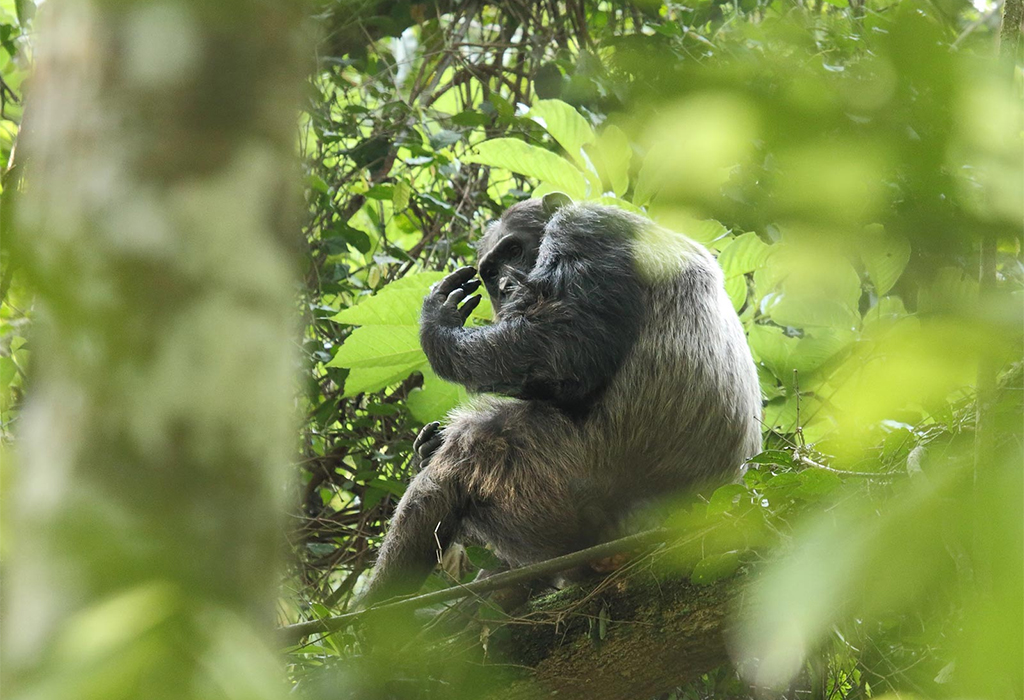
Gorilla Tracking Rules: Do’s and Don’ts in the Wild
Planning to go gorilla tracking in Uganda or Rwanda? Discover the essential do’s and don’ts of gorilla trekking to ensure a safe, ethical, and unforgettable encounter with these endangered primates.
Gorilla tracking is a once-in-a-lifetime adventure. Whether you’re trekking through the lush Bwindi Impenetrable National Park in Uganda or the misty Volcanoes National Park in Rwanda, meeting mountain gorillas in their natural habitat is unforgettable. But such a privilege comes with great responsibility.
At Mandrill African Safaris, we believe in responsible tourism that respects wildlife and preserves natural habitats. That’s why understanding and following the gorilla tracking rules is not only essential for your safety but also for the well-being of these critically endangered animals.
Mountain gorillas are highly sensitive animals, vulnerable to human diseases and habitat disturbance. Their survival depends on conservation efforts, responsible trekking practices, and visitor cooperation.
Following the rules helps:
Protect gorillas from disease transmission
Minimize stress and disruption
Ensure visitor safety
Support conservation-based tourism
Let’s explore the crucial guidelines every trekker should follow.
✅ Do’s: What to Do During Gorilla Tracking
1. Get a Gorilla Tracking Permit
You must obtain a valid gorilla permit before your trek. Permits control the number of daily visitors and fund conservation. In Uganda, permits are issued by UWA, while in Rwanda, RDB manages them. Mandrill African Safaris handles all logistics for you, including permit bookings.
2. Follow the Guide’s Instructions
Your ranger guide is trained to interpret gorilla behavior and manage group conduct. Always listen to the guide—they ensure your safety and the gorillas’ comfort.
3. Keep a Safe Distance (At Least 7 Meters)
Even when gorillas approach, maintain the recommended 7-meter distance. This minimizes disease risk and helps gorillas feel secure in their environment.
4. Stay in a Tight Group
Stay close to your group during the trek and viewing. This makes it easier for guides to manage your movement and reduces the chance of startling the gorillas.
5. Keep Voices Low
Gorillas are shy and can be easily startled. Speak in low tones to avoid distressing them. Silence also enhances the magical ambiance of the forest.
6. Wear Neutral-Colored Clothing
Wear dull colors like green, brown, or grey. Bright colors may alarm gorillas or attract insects. Long sleeves and pants are also advised for forest protection.
7. Bring the Right Gear
Pack:
8. Practice Responsible Photography
Take photos without flash. Sudden bursts of light may agitate the gorillas. Use quiet shutter settings if possible and keep your movements slow and calm.
9. Leave No Trace
Respect the forest. Take all litter with you, including biodegradable items like fruit peels. Leave the habitat just as you found it.
❌ Don’ts: What Not to Do During Gorilla Tracking
1. Don’t Visit if You’re Sick
Gorillas share over 98% of our DNA and are highly susceptible to human diseases like the flu or COVID-19. If you’re unwell, you will be denied entry to protect the primates—reschedules can be arranged through Mandrill African Safaris.
2. Don’t Touch the Gorillas
No matter how close they get, do not touch the gorillas. Physical contact can transmit germs and alter their natural behavior.
3. Don’t Use Flash Photography
Flash can startle or stress gorillas. Always disable your flash before taking pictures, and test it beforehand to avoid accidents.
4. Don’t Eat or Drink Near the Gorillas
You’re not allowed to eat or drink during the gorilla encounter. Food smells can attract unwanted attention or cause conflict among the animals.
5. Don’t Run or Make Sudden Movements
If a gorilla charges or makes a bluff gesture, stay calm and follow your guide’s cues. Never run. Submit by lowering your body and avoiding eye contact.
6. Don’t Smoke or Litter in the Forest
Smoking in protected forests is prohibited and poses fire risks. Littering, even biodegradable items, disturbs the ecosystem.
7. Don’t Imitate Gorilla Sounds or Gestures
Gorillas communicate through sounds and body language. Mimicking them can send the wrong message—possibly triggering aggression.
Stay hydrated but drink only in designated areas.
Carry a face mask – in Rwanda and Uganda, wearing a mask during gorilla viewing is now standard to reduce disease risk.
Report any injuries or illness to your guide before the trek.
If you need a bathroom break, your guide will dig a 15 cm hole for you and cover it afterward (toilet paper must be carried out in a zip-lock bag).
Final Thoughts: Track Responsibly, Preserve the Wild
Gorilla tracking is more than a wildlife adventure—it’s a commitment to conservation. By respecting the gorillas’ space and following these rules, you become part of a larger effort to protect mountain gorillas for future generations.
At Mandrill African Safaris, we’re proud to support ethical tourism that prioritizes both traveler experience and wildlife welfare. Our expert guides, seamless logistics, and conservation-first philosophy make us your trusted partner for gorilla tracking in Uganda and Rwanda.
Ready to Book Your Gorilla Trekking Experience?
Contact Mandrill African Safaris today to plan your custom gorilla safari. Whether you’re trekking in Bwindi, Mgahinga, or Volcanoes National Park, we ensure a safe, responsible, and unforgettable journey into the heart of the jungle.