

Hunting Styles Compared: Cheetahs vs Tree-Climbing Lions
2026-04-03
7-Day Gabon Wildlife Adventure: The Ultimate Guide to Africa’s Last Eden
2026-04-07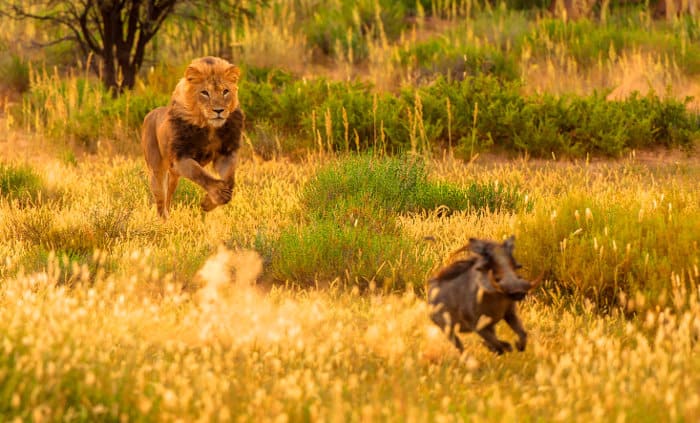
From Savannah to Trees: The Evolution of Africa’s Most Unique Predators
By Mandrill African Safaris
Discover how Africa’s predators have evolved from open savannah hunters to tree-climbing specialists. Explore lions, leopards, and unique adaptations shaping safari experiences in Uganda and beyond.
Introduction: A Story Written in Survival
Africa’s wilderness tells a story millions of years in the making—a story of adaptation, survival, and remarkable transformation. From the vast golden plains of the savannah to the dense canopies of fig trees, predators have evolved in fascinating ways to thrive in ever-changing environments.
When travelers embark on an African safari, they often expect to see lions stalking prey across open grasslands. But what surprises many is the sight of lions lounging in trees or leopards effortlessly draped across branches. These behaviors are not random—they are the result of evolution shaping some of Africa’s most unique predators.
At Mandrill African Safaris, we take you beyond the ordinary game drive to uncover the deeper stories behind the wildlife. This journey—from savannah to trees—reveals how Africa’s predators have adapted in extraordinary ways.
The Savannah: Where It All Began
The African savannah is one of the most iconic ecosystems on Earth. Stretching across countries like Kenya, Tanzania, and Uganda, these open grasslands are home to some of the world’s most powerful predators.
Here, survival depends on speed, strength, and teamwork.
Lions – Masters of the Open Plains
The African lion evolved as a social predator, forming prides that work together to hunt large prey such as buffalo and zebras. Their cooperative strategy gives them an advantage in open terrain where stealth is limited.
Lions rely on:
- Group hunting techniques
- Strategic ambushes
- Raw power
This dominance made them the undisputed rulers of the savannah—but evolution didn’t stop there.
Enter the Trees: A Surprising Shift
While most predators remain ground hunters, some African species have taken an unexpected turn—into the trees.
Why Climb?
Tree climbing among predators is driven by several survival advantages:
- Escaping heat: Elevated branches provide cooler resting spots
- Avoiding insects: Fewer biting flies compared to ground level
- Better vantage points: Spot prey or threats from above
- Protection of kills: Keep food away from scavengers
These benefits have led to unique behavioral adaptations that continue to fascinate researchers and safari-goers alike.
The Tree-Climbing Lions of Ishasha
One of the most famous examples of predator evolution can be found in the Ishasha Sector within Queen Elizabeth National Park.
A Rare Phenomenon
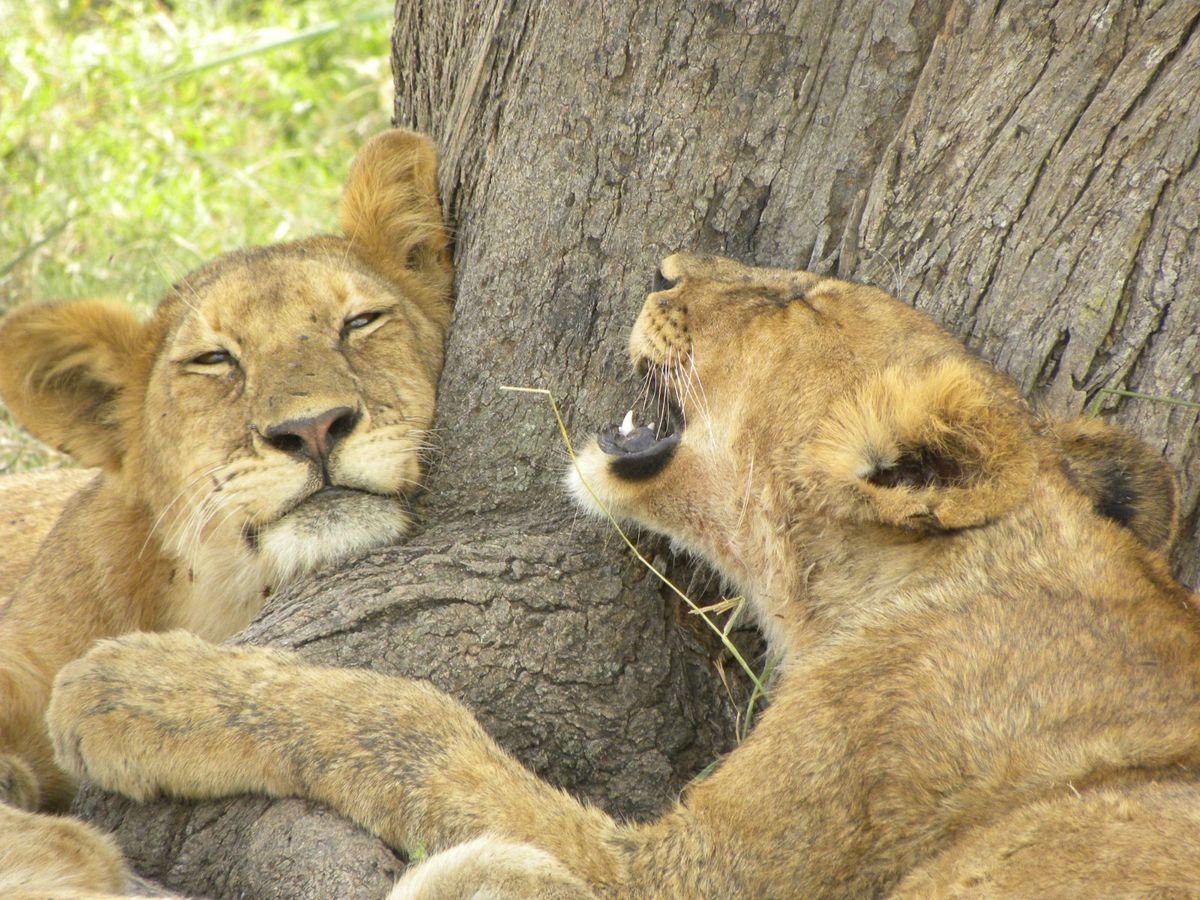
Unlike typical lions, the Ishasha lions are known for their remarkable tree-climbing behavior. Seeing a full-grown lion sprawled across a fig tree branch is one of Africa’s most unforgettable safari moments.
Why Do They Climb?
Scientists and conservationists suggest several reasons:
- Escape from ground heat during hot afternoons
- Avoidance of tsetse flies
- Unique learned behavior passed through generations
What makes this even more fascinating is that not all lions in Africa exhibit this trait—making Ishasha a truly special destination.
Leopards: Nature’s Original Tree Specialists
If lions are the kings of the savannah, then the Leopard is the silent master of the trees.
Built for the Canopy
Leopards have always been natural climbers. Their muscular build, retractable claws, and balance allow them to:
- Drag prey twice their weight up trees
- Rest safely away from competitors like lions and hyenas
- Hunt from above with stealth and precision
Evolutionary Advantage
Unlike lions, leopards evolved as solitary hunters. Their ability to climb gave them a significant survival edge, allowing them to coexist with stronger predators by avoiding direct competition.
Hybrids of Behavior: When Ground Meets Tree
Some predators are beginning to show flexible behaviors—adapting based on environment rather than instinct alone.
Behavioral Evolution in Action
In regions where:
- Competition is high
- Temperatures are extreme
- Human activity is increasing
Predators are forced to innovate.
For example:
- Lions in certain regions are experimenting with tree climbing
- Leopards are adapting to human-dominated landscapes by becoming more nocturnal
This shows that evolution is not just a thing of the past—it’s happening right now.
Uganda: A Living Laboratory of Predator Evolution
Uganda stands out as one of the best places in Africa to witness these unique adaptations.
From the savannah plains of Murchison Falls National Park to the tree-climbing lions of Queen Elizabeth National Park, the country offers diverse ecosystems that encourage behavioral diversity.
Why Uganda Is Special
- Rich biodiversity in a compact area
- Less crowded than other safari destinations
- Unique wildlife behaviors rarely seen elsewhere
For travelers seeking more than just sightings, Uganda offers stories—stories of survival, change, and evolution.
The Role of Environment in Shaping Predators
Predators don’t evolve randomly—their environment plays a critical role.
Key Influences
- Climate Change
Rising temperatures may push more predators toward tree-based behaviors for cooling. - Habitat Changes
Deforestation and human expansion force animals to adapt quickly. - Prey Availability
Changes in prey movement influence hunting strategies. - Competition
Predators must find new niches to survive alongside rivals.
These factors ensure that Africa’s wildlife remains dynamic and ever-changing.
What This Means for Safari Travelers
Understanding predator evolution adds a whole new dimension to your safari experience.
Instead of simply spotting animals, you begin to:
- Observe behaviors
- Understand survival strategies
- Appreciate the complexity of ecosystems
A Deeper Safari Experience
Imagine watching a lion in a tree and realizing you’re witnessing:
- Learned behavior
- Environmental adaptation
- Evolution in progress
That’s the difference between a regular safari and a meaningful one.
Conservation: Protecting Evolution in Motion
As predators adapt, they face increasing threats from human activity.
Key Challenges
- Habitat loss
- Human-wildlife conflict
- Climate change
- Poaching
Protecting these animals means preserving not just species—but the evolutionary processes that make them unique.
At Mandrill African Safaris, we promote responsible tourism that supports conservation efforts and local communities.
Best Places to See Unique Predator Behavior
If you want to witness this evolution firsthand, consider these top safari destinations:
- Queen Elizabeth National Park (Ishasha Sector) – Tree-climbing lions
- Murchison Falls National Park – Classic savannah predators
- Serengeti National Park – Large-scale predator-prey interactions
- Kruger National Park – Leopard sightings
Each destination offers a different perspective on how predators survive and evolve.
Travel Tips for Predator-Focused Safaris
To make the most of your experience:
- Go on early morning or late afternoon game drives
- Be patient—behavior takes time to observe
- Travel with experienced guides
- Bring binoculars and a good camera
- Stay in lodges near wildlife hotspots
Most importantly, stay curious—because every sighting has a story.
Conclusion: Nature Never Stands Still
From the open savannah to the shaded branches of ancient fig trees, Africa’s predators continue to evolve in fascinating ways. Their ability to adapt is a testament to the resilience of nature—and a reminder that the wild is never static.
Whether it’s a lion resting in a tree or a leopard guarding its meal above the ground, these moments reveal a deeper truth: survival is an art, and Africa’s predators are its greatest masters.
With Mandrill African Safaris, you don’t just see wildlife—you understand it.
FAQs
1. Why do lions climb trees in Uganda?
Tree-climbing lions in Uganda, especially in Ishasha, climb trees to escape heat, avoid insects, and gain a better vantage point.
2. Are tree-climbing lions found everywhere in Africa?
No, this behavior is rare and mainly observed in specific regions like Queen Elizabeth National Park in Uganda and Lake Manyara in Tanzania.
3. Which predator is best adapted to tree climbing?
Leopards are the most naturally adapted tree climbers among African predators.
4. When is the best time to see predators on safari?
Early morning and late afternoon are the best times when predators are most active.
5. Is Uganda good for predator safaris?
Yes, Uganda offers unique predator experiences, including tree-climbing lions and diverse ecosystems in a compact area.


2 Comments
Good info. Lucky me I came across your website by chance (stumbleupon).
I’ve book-marked it for later!
thank you for your appreciation