

Gorilla Trekking in Gabon: The Ultimate Guide to Africa’s Most Exclusive Primate Adventure
2026-04-02
Africa Safari Quotes to Inspire Your Wanderlust
2026-04-03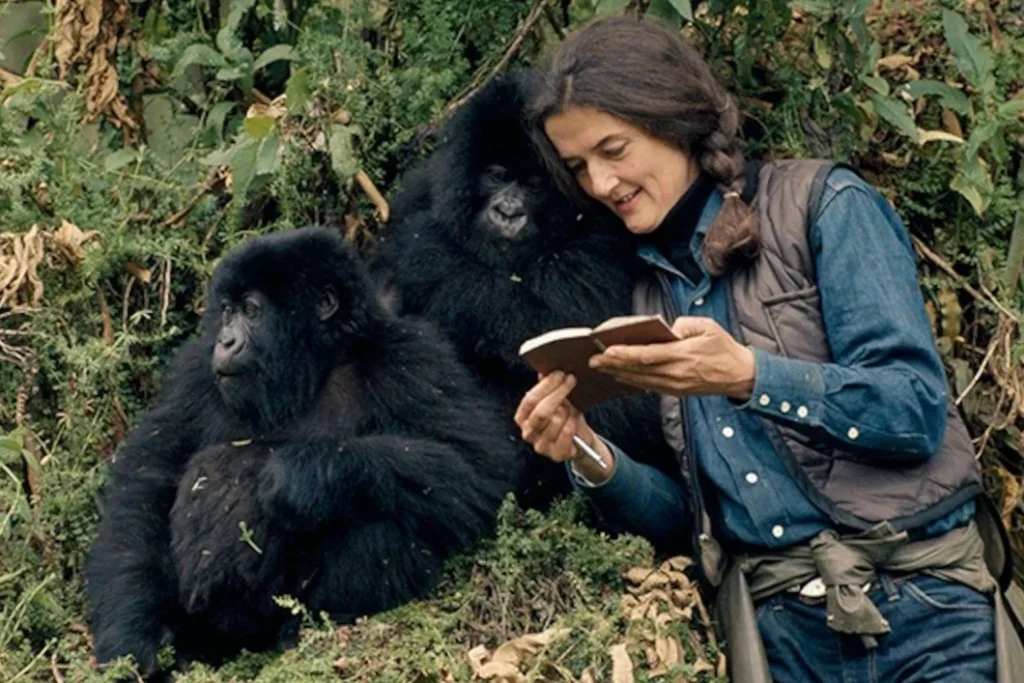
Ethical Considerations of Gorilla Trekking Paradise
A Responsible Travel Guide by Mandrill African Safaris
Explore the ethical considerations of gorilla trekking in Africa. Learn how responsible tourism protects mountain gorillas, supports local communities, and ensures sustainable safari experiences.
Ethical Considerations of Gorilla Trekking Paradise
Gorilla trekking is often described as a once-in-a-lifetime experience—a magical encounter deep within Africa’s ancient forests, where travelers come face-to-face with endangered mountain gorillas. For many, it’s the highlight of a safari, offering unmatched intimacy with one of our closest relatives in the animal kingdom.
But behind this extraordinary experience lies an important question: Is gorilla trekking truly ethical?
At Mandrill African Safaris, we believe that travel should not only inspire but also protect. Gorilla trekking can be a powerful conservation tool—but only when done responsibly.
Understanding Gorilla Trekking and Conservation
Mountain gorillas are critically endangered, with just over 1,000 individuals remaining in the wild. Found only in Uganda, Rwanda, and the Democratic Republic of Congo, these primates live in protected habitats like Bwindi Impenetrable Forest and the Virunga Mountains.
Gorilla trekking involves guided hikes into these forests to observe habituated gorilla families. While this experience is carefully regulated, it still raises ethical concerns around human interaction, environmental impact, and commercialization.
However, it’s important to note that gorilla trekking has played a significant role in conservation success. Revenue from trekking permits directly funds park management, anti-poaching efforts, and community development.
The Positive Impact of Gorilla Trekking
1. Conservation Funding
Gorilla trekking permits—often costing hundreds of dollars—generate crucial funding for wildlife protection. These funds support ranger patrols, veterinary care, and habitat preservation.
Without tourism, many conservation programs would struggle to survive, leaving gorillas vulnerable to poaching and habitat loss.
2. Community Empowerment
Local communities living near gorilla habitats benefit directly from tourism. Employment opportunities include guides, porters, lodge staff, and cultural performers.
Revenue-sharing programs also fund schools, healthcare, and infrastructure, reducing dependence on forest resources and promoting coexistence with wildlife.
3. Increased Global Awareness
Gorilla trekking raises awareness about endangered species and environmental conservation. Travelers often become advocates for wildlife protection, contributing to global conservation efforts long after their trip ends.
Ethical Concerns of Gorilla Trekking
Despite its benefits, gorilla trekking presents several ethical challenges that must be carefully managed.
1. Risk of Disease Transmission
Gorillas share about 98% of human DNA, making them highly susceptible to human diseases. Even a common cold can be fatal to them.
Ethical concern: Tourists may unknowingly expose gorillas to illness.
Solution: Strict guidelines are enforced, including maintaining a safe distance (usually 7 meters), wearing masks when required, and prohibiting visits when sick.
2. Habitat Disturbance
Frequent human presence can disrupt gorilla behavior and natural routines. Trails, noise, and group interactions may cause stress.
Ethical concern: Over-tourism could negatively impact gorilla well-being.
Solution: Authorities limit the number of visitors per day and per gorilla group. Trekking durations are also restricted to minimize disturbance.
3. Habituation Process
Before gorillas can be visited, they must undergo habituation—a process of gradually getting used to human presence. This can take years and involves close monitoring by researchers and rangers.
Ethical concern: The process may alter natural behaviors or expose gorillas to risks.
Solution: Habituation is conducted by trained professionals under strict conservation protocols, ensuring minimal impact.
4. Commercialization of Wildlife
There is growing concern that gorilla trekking could become overly commercialized, prioritizing profit over conservation.
Ethical concern: Wildlife may be treated as a commodity rather than protected species.
Solution: Ethical tour operators like Mandrill African Safaris prioritize conservation-first policies, working closely with park authorities and adhering to strict guidelines.
Guidelines for Ethical Gorilla Trekking
As a traveler, your choices play a huge role in ensuring gorilla trekking remains ethical and sustainable.
1. Choose Responsible Tour Operators
Always book with companies committed to eco-tourism and conservation. Ethical operators follow park regulations, support local communities, and educate travelers.
2. Follow Trekking Rules Strictly
Key guidelines include:
- Maintain a minimum distance of 7 meters
- Limit your visit to one hour
- Avoid direct eye contact or sudden movements
- Do not eat or drink near gorillas
- Always follow your guide’s instructions
These rules are not optional—they are essential for protecting gorillas.
3. Do Not Trek When Sick
Even minor illnesses can be dangerous for gorillas. If you’re unwell, it’s your responsibility to reschedule your trek.
This may seem inconvenient, but it’s one of the most important ethical decisions you can make.
4. Respect the Environment
Avoid littering, stay on designated trails, and minimize your ecological footprint. The forests you trek through are delicate ecosystems that support countless species.
5. Support Local Communities
Buy local crafts, tip guides and porters, and engage in cultural experiences. Supporting communities helps reduce reliance on forest resources and strengthens conservation efforts.
The Role of Governments and Conservation Organizations
Governments in Uganda, Rwanda, and Congo, along with organizations like the International Gorilla Conservation Programme, play a crucial role in regulating gorilla trekking.
Their responsibilities include:
- Setting permit limits
- Enforcing conservation laws
- Monitoring gorilla health
- Training guides and rangers
These efforts ensure that tourism remains sustainable and beneficial for both wildlife and people.
Is Gorilla Trekking Ethical?
The answer is yes—with conditions.
Gorilla trekking can be ethical if it is:
- Well-regulated
- Conservation-focused
- Community-inclusive
- Environmentally responsible
When done right, it transforms tourism into a force for good—protecting endangered species while improving local livelihoods.
However, irresponsible practices can quickly undermine these benefits. That’s why awareness and responsible travel choices are essential.
The Future of Ethical Gorilla Tourism
As demand for gorilla trekking grows, the focus on ethical practices must become even stronger. Future strategies include:
- Stricter visitor limits
- Enhanced health monitoring systems
- Increased community involvement
- Investment in alternative tourism activities
Sustainable tourism is not a one-time effort—it’s an ongoing commitment.
Why Choose Mandrill African Safaris?
At Mandrill African Safaris, we are deeply committed to ethical travel. Our gorilla trekking experiences are designed to:
- Support conservation initiatives
- Empower local communities
- Educate travelers on responsible tourism
- Provide unforgettable yet sustainable experiences
We believe that every safari should leave a positive impact—on both the traveler and the destination.
Final Thoughts
Gorilla trekking is more than just an adventure—it’s a privilege. Standing just meters away from a mountain gorilla is a powerful reminder of our connection to nature and our responsibility to protect it.
By choosing ethical travel practices, you become part of the solution—helping to preserve these incredible creatures for generations to come.
So, as you plan your gorilla trekking journey, remember:
Travel responsibly, tread lightly, and let your adventure make a difference.
FAQs About Ethical Gorilla Trekking
1. Is gorilla trekking safe for gorillas?
Yes, when guidelines are followed. Strict rules are in place to minimize risk and protect gorilla health.
2. Why is the trekking distance rule important?
Maintaining distance reduces the risk of disease transmission and stress to the gorillas.
3. How does gorilla trekking help conservation?
Permit fees fund anti-poaching efforts, habitat protection, and community development programs.
4. Can children participate in gorilla trekking?
Most countries require participants to be at least 15 years old to ensure safety and compliance with rules.
5. What should I do if I feel sick before trekking?
You should inform your guide and avoid trekking. This protects gorillas from potential illness.


