

Where to Stay in Bwindi: Top Safari Lodges and Camps
2025-11-27
The Best Gorilla Families to Trek in Bwindi Impenetrable National Park
2025-11-27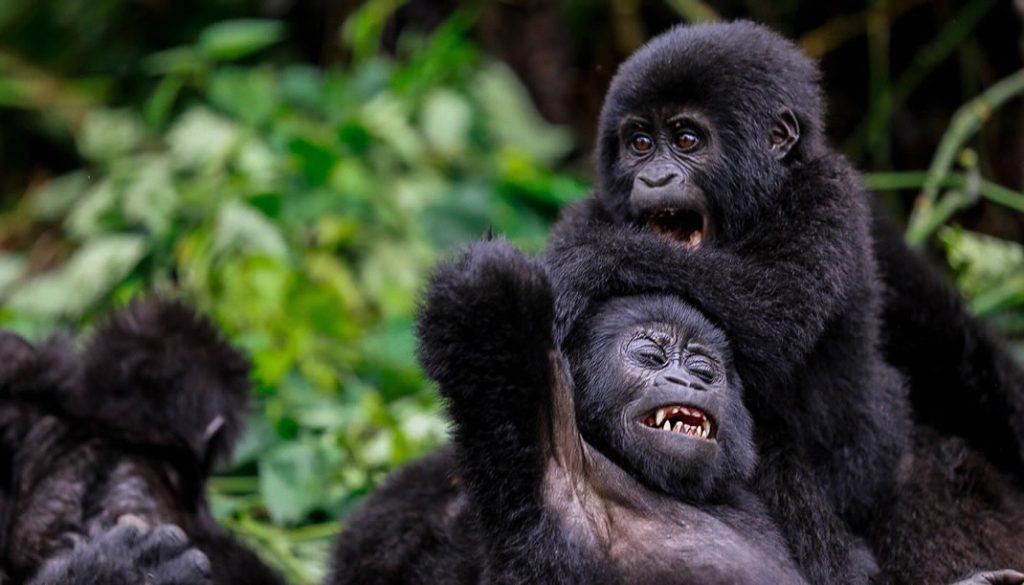
Endangered Species of Bwindi Impenetrable National Park: Why This Ancient Forest Matters
Bwindi Impenetrable National Park is more than a UNESCO World Heritage Site—it’s a biological goldmine. Tucked in southwestern Uganda, this mist-covered rainforest is one of the most important biodiversity hotspots in Africa, sheltering some of the rarest and most endangered wildlife species on the planet. For travellers exploring Uganda with Mandrill African Safaris, Bwindi offers a front-row seat to nature’s most extraordinary survivors, from the world-famous mountain gorillas to rare birds found nowhere else.
If you’re curious about conservation, wildlife protection, and eco-friendly safaris, here’s your deep dive into the endangered species that make Bwindi an irreplaceable part of Uganda’s natural heritage.
1. Mountain Gorillas: The Icons of Bwindi
When people hear “Bwindi,” the first thing that comes to mind is gorilla trekking—and for good reason. Bwindi Impenetrable National Park protects almost half of the world’s remaining mountain gorillas (Gorilla beringei beringei), an endangered species that exists only in Uganda, Rwanda, and the Democratic Republic of Congo.
Why Mountain Gorillas Are Endangered
Despite decades of conservation work, their survival remains fragile due to:
-
Habitat loss and fragmentation
-
Human–wildlife conflict
-
Poaching (now rare but still possible)
-
Disease transmission
What Mandrill African Safaris Does
Mandrill African Safaris promotes responsible gorilla trekking by following strict eco-guidelines, supporting local communities, and ensuring that every trek contributes directly to gorilla conservation in Bwindi. When travellers trek responsibly, it strengthens the long-term protection of these gentle giants.
2. The African Elephant: Bwindi’s Majestic Wanderer
While Bwindi isn’t commonly known for elephants, a small population of forest elephants still roams the deeper, less accessible parts of the park. These elephants are more elusive and smaller than the savannah elephant, but they play a major role in seed dispersal and maintaining the forest’s natural ecosystem.
Threats to Forest Elephants
-
Habitat encroachment due to agricultural expansion
-
Human–elephant conflict on park boundaries
-
Historical poaching pressures
Forest elephants are critically endangered, and Bwindi forms part of the remaining strongholds for this species in Uganda.
3. Chimpanzees and Other Primates
Bwindi is home to an estimated 300–400 chimpanzees, along with several other rare primates such as:
-
L’Hoest’s monkeys
-
Black-and-white colobus monkeys
-
Red-tailed monkeys
While chimpanzees here are not as habituated for tourism as those in Kibale Forest, they remain an important endangered species within the ecosystem.
Why Bwindi’s Chimpanzees Matter
Chimp populations across East Africa are declining due to:
-
Loss of habitat
-
Snaring and illegal wildlife trade
-
Human disease exposure
Their presence in Bwindi highlights the park’s role as a multi-species conservation refuge, not just a gorilla destination.
4. Rare Birds: Bwindi’s Avian Treasures
Birdwatchers absolutely love Bwindi! The park boasts over 350 bird species, with more than 20 endangered or endemic to the Albertine Rift. Some of the most threatened and sought-after species include:
Key Endangered Birds of Bwindi
-
Grauer’s broadbill – critically endangered and extremely localized
-
African green broadbill
-
Shelley’s crimsonwing
-
Rwenzori turaco
-
Handsome francolin
Bwindi’s dense canopy provides an irreplaceable sanctuary for birds that literally cannot survive anywhere else on earth. For guests booking birding safaris with Mandrill African Safaris, Bwindi is a dream destination.
5. Endangered Plant Species
A lot of conservation conversations focus on animals—but plants matter too. Bwindi contains over 1,000 flowering plant species, with many classified as rare, threatened, or endemic. Some species are found only in the high-altitude slopes of Bwindi and nowhere else in Uganda.
These plants support:
-
The diet of mountain gorillas
-
Medicinal uses for local communities
-
The overall stability of the forest ecosystem
Losing them would trigger a chain reaction affecting gorillas, birds, insects, and local people.
6. Rare Mammals and Other Wildlife
Beyond gorillas and elephants, Bwindi shelters several lesser-known endangered species, such as:
A. Giant Forest Hogs
Though shy, these massive hogs are vulnerable due to habitat fragmentation and low reproduction rates.
B. African Golden Cats
Rare and elusive, this endangered cat species is almost never seen—but its presence makes Bwindi even more ecologically remarkable.
C. Bat Species
Bwindi’s caves and ancient trees host several rare bats, many of which are threatened by habitat disturbance.
7. Why Bwindi Is a Global Conservation Priority
Bwindi’s value goes far beyond tourism. It plays a critical role in global conservation for several reasons:
 A Biodiversity Hotspot
Bwindi is home to:
-
120 mammal species
-
350+ bird species
-
200 butterfly species
-
Hundreds of endangered plants
A Climate Regulator
Its dense forest:
-
Absorbs huge amounts of carbon
-
Prevents erosion
-
Creates microclimates that support life
A Community Lifeline
Surrounding communities rely on:
-
Eco-tourism
-
Forest resources
-
Conservation employment
-
Cultural tourism opportunities
This is why sustainable tourism, led by companies like Mandrill African Safaris, is essential for protecting endangered species.
8. How Mandrill African Safaris Promotes Conservation
When travellers book with Mandrill African Safaris, they actively support Bwindi’s endangered species in several ways:
1. Eco-Friendly Trekking Practices
The company ensures every trek follows Uganda Wildlife Authority guidelines to reduce stress on gorillas and maintain habitat quality.
2. Support for Local Communities
Mandrill African Safaris partners with community projects that:
-
Promote education
-
Create employment
-
Reduce reliance on the forest
This lowers human pressure on endangered wildlife.
3. Conservation Awareness
Guests receive guidance on:
-
Responsible photography
-
Forest etiquette
-
Respectful wildlife viewing
-
Minimizing environmental impact
4. Donation to Conservation Programs
A portion of safari revenue goes directly into gorilla protection, ranger salaries, and community initiatives.
9. Why You Should Visit Bwindi Now
Endangered species need active protection, and tourism remains one of the most powerful conservation tools. Every visit helps fund ranger patrols, community programs, and habitat protection.
Booking a safari to Bwindi with Mandrill African Safaris gives you:
-
A once-in-a-lifetime wildlife encounter
-
A chance to support endangered species directly
-
A meaningful, responsible travel experience
Bwindi is not just a destination—it’s a sanctuary worth fighting for.
Final Thoughts
The endangered species of Bwindi Impenetrable National Park remind us how delicate and precious Africa’s ecosystems are. From the iconic mountain gorillas to rare birds and forest elephants, the park is a living treasure chest. By choosing Mandrill African Safaris, travellers don’t just witness this natural beauty—they help protect it for future generations.


