

Rwanda Gorillas and Serengeti Tours: The Ultimate East African Safari Experience
2025-10-01
Amboseli and Uganda Gorilla Trekking: The Perfect East African Safari Combination
2025-10-02- African Wildlife Photo Expeditions
- Best Safari for Photographers in Africa
- Birding and Photography Safaris East Africa
- Capture the Wild Beauty Africa
- East Africa Big Five Photography Tours
- East Africa Photography Safaris
- East Africa Safari Packages for Photographers
- Gorilla Trekking Photography Uganda Rwanda
- Kenya Tanzania Uganda Rwanda Photography Tours
- Luxury Photography Safaris in Africa
- Mandrill African Safaris Photography Trips
- Nature and Landscape Photography East Africa
- Professional Wildlife Photography Safaris
- Serengeti and Masai Mara Photography Safaris
- Wildlife Photography Tours East Africa
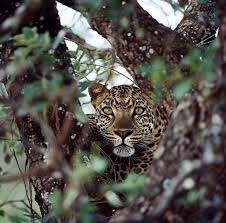
East Africa Photography Safaris: Capture the Wild Beauty with Mandrill African Safaris
Introduction: Why Choose East Africa for a Photography Safari?
East Africa is one of the most photogenic regions in the world. From the snow-capped peaks of Mount Kilimanjaro and the sweeping plains of the Serengeti to the dense rainforests of Uganda and Rwanda’s Volcanoes National Park, every corner offers breathtaking moments waiting to be captured. For professional photographers and passionate travelers alike, an East Africa photography safari is more than just a holiday—it’s a once-in-a-lifetime opportunity to capture iconic wildlife, dramatic landscapes, and vibrant cultures.
At Mandrill African Safaris, we specialize in curating tailor-made wildlife photography safaris that combine expert guiding, prime safari locations, and customized itineraries to ensure you return home with extraordinary images. Whether you dream of photographing the Great Migration in Tanzania, gorilla trekking in Uganda, or the big cats of Kenya’s Masai Mara, we provide the perfect safari experience for every photographer.
What Makes a Photography Safari Different?
A photography safari is not just about sightseeing—it’s about timing, positioning, and patience. Unlike traditional safaris, our East Africa photography safaris are designed with photographers in mind. This means:
-
Longer stays in prime locations to maximize photographic opportunities.
-
Flexible schedules that allow you to wait for the perfect shot instead of rushing.
-
Expert photography guides who understand light, animal behavior, and ideal camera settings.
-
Special safari vehicles with open roofs and window seats for unobstructed shooting angles.
Mandrill African Safaris ensures that every moment of your trip is optimized for capturing East Africa’s natural beauty in its rawest form.
Top Destinations for East Africa Photography Safaris
1. Serengeti National Park – Tanzania
The Serengeti is a dream destination for photographers. Its endless savannahs are home to the Great Wildebeest Migration, one of the world’s greatest wildlife spectacles. From dramatic river crossings at the Mara River to predators in action, every frame is a masterpiece. Photographers can capture:
-
Wildebeest and zebra herds on the move
-
Lions, cheetahs, and leopards stalking prey
-
Sunrise and sunset landscapes over golden plains
2. Masai Mara National Reserve – Kenya
Known as the “kingdom of the big cats,” the Masai Mara offers unparalleled opportunities to capture lion prides, cheetah chases, and leopards in trees. Its rolling grasslands and dramatic skies make for perfect backdrops. Cultural photography opportunities also abound with visits to Maasai villages, where vibrant traditions and attire add depth to your portfolio.
3. Bwindi Impenetrable National Park – Uganda
For photographers seeking something rare and deeply emotional, gorilla trekking in Uganda is unmatched. Capturing the soulful gaze of a mountain gorilla in its natural habitat is a moment few photographers ever forget. Bwindi’s dense rainforest also offers a chance to photograph colorful birds, butterflies, and lush vegetation.
4. Amboseli National Park – Kenya
Amboseli is famous for its stunning views of Mount Kilimanjaro. Nowhere else can you photograph herds of elephants against the backdrop of Africa’s highest mountain. For landscape and wildlife photographers, Amboseli offers some of the most iconic shots in Africa.
5. Ngorongoro Crater – Tanzania
The world’s largest intact volcanic caldera, Ngorongoro is a natural amphitheater filled with wildlife. Here, you can capture black rhinos, flamingos, and large prides of lions in a unique setting that feels like nature’s own photography studio.
6. Volcanoes National Park – Rwanda
Rwanda’s Volcanoes National Park is another haven for photographers interested in mountain gorillas and dramatic volcanic landscapes. The misty mountains and bamboo forests provide enchanting conditions for both wildlife and landscape photography.
Best Time for Photography Safaris in East Africa
Timing is everything when it comes to photography. Mandrill African Safaris advises travelers based on their interests:
-
June to October – Best for the Great Migration in Serengeti and Masai Mara, with dry conditions and clearer visibility.
-
December to February – Excellent for predator activity and bird photography, especially in Kenya and Tanzania.
-
March to May – The green season, perfect for capturing lush landscapes, dramatic skies, and fewer crowds.
-
Year-round – Gorilla trekking in Uganda and Rwanda offers incredible photography opportunities any time of the year.
Photography Tips for East African Safaris
At Mandrill African Safaris, we ensure our guests receive expert guidance, but here are some essential tips:
-
Use the golden hours – Sunrise and sunset provide the best lighting.
-
Carry multiple lenses – A telephoto lens (200-600mm) is essential for wildlife, while wide-angle lenses are perfect for landscapes.
-
Be patient – Wait for the right moment; the most iconic shots often come with time.
-
Respect wildlife – Always maintain safe and ethical distances.
-
Pack extra batteries and memory cards – You’ll be shooting more than you expect.
-
Include people and culture – East Africa’s communities and traditions add depth to your safari story.
Why Choose Mandrill African Safaris for Your Photography Safari?
With years of experience, Mandrill African Safaris is dedicated to providing photographers with seamless safari experiences. Here’s what sets us apart:
-
Customized itineraries tailored to photographers’ interests.
-
Expert driver-guides trained in both wildlife behavior and photography needs.
-
Prime accommodations located close to action-filled safari spots.
-
Small group tours or private safaris for maximum flexibility and comfort.
-
Responsible tourism practices that prioritize conservation and community support.
Our photography safaris are designed to ensure that every shutter click brings you closer to your dream portfolio.
Conclusion: Capture Africa’s Magic Through Your Lens
An East Africa photography safari with Mandrill African Safaris is more than a trip—it’s an artistic journey into the wild heart of Africa. From the golden plains of the Serengeti to the misty forests of Bwindi, every moment is an opportunity to capture something timeless. Whether you are a seasoned professional or an enthusiastic beginner, we provide the expertise, locations, and support to help you tell Africa’s story through your lens


