

What Makes Kidepo Valley National Park Unique
2026-02-13
Exploring the Rare Wildlife of the Bugoma Forest – Uganda’s Hidden Biodiversity Treasure
2026-02-13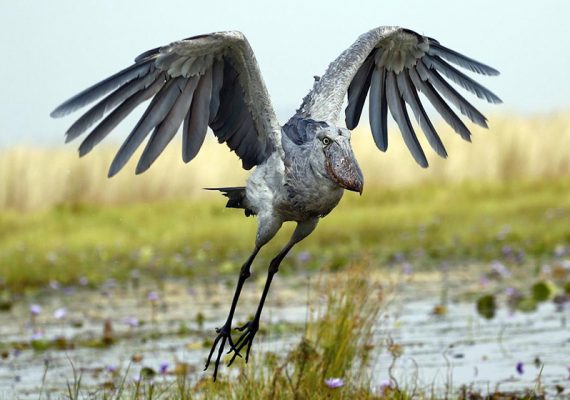
Discovering The Secret Wetlands of the Nabajjuzi Wetland System — Uganda’s Hidden Natural Wonder
Explore the Nabajjuzi Wetland System — a secret Ramsar-listed wetland in Uganda teeming with rare birds, unique wildlife like the Sitatunga, eco-tourism opportunities, cultural heritage, and conservation success. Learn what makes this gem a must-visit for nature lovers, birdwatchers, and eco-travelers on your next African safari.
Introduction: Uganda’s Hidden Natural Treasure
When we think of safaris in Uganda, images of gorillas in Bwindi, tree-climbing lions in Queen Elizabeth National Park, or the wildebeest migrations might spring to mind first — but tucked gracefully in the Masaka, Mpigi, and Sembabule Districts lies one of the country’s most fascinating and least-explored ecosystems: the Nabajjuzi Wetland System. Recognized as both a Ramsar Site of international importance and an Important Bird Area (IBA), Nabajjuzi remains a sanctuary for biodiversity and cultural heritage — a true secret wetland worth discovering on your next safari with Mandrill African Safaris.
What Is the Nabajjuzi Wetland System?
Stretching across roughly 1,753 hectares, the Nabajjuzi Wetlands form a long, narrow swamp system that lies along the upper reaches of the Katonga River basin south and west of Masaka Town. Designated as a Ramsar Site in 2006 due to its ecological and hydrological value, Nabajjuzi is fed by seasonal floodplains and freshwater channels that nurture a mosaic of wetland habitats.
The vegetation is dominated by papyrus sedge (Cyperus papyrus) and silver grass (Miscanthus violaceus) with interspersed stands of water lilies, creating dynamic wetland landscapes that support rich plant and animal life. These plants also serve local communities as raw material for crafts, thatching, and traditional medicines — weaving the culture of the land into its ecology.
Biodiversity Marvel: Birds and Wildlife of Nabajjuzi
Endangered & Unique Birds
Nabajjuzi is a birdwatcher’s paradise and one of Uganda’s critical sites for rare and threatened species. Birdlife recorded several notable species here, including:
-
Shoebill (Balaeniceps rex) — arguably Africa’s most iconic wetland bird, listed as near-threatened.
-
Papyrus Yellow Warbler (Chloropeta gracilirostris) — a papyrus-specialist species.
-
Papyrus Gonolek (Laniarius mufumbiri) — another papyrus-dependent species.
-
Grey Crowned Crane (Balearica regulorum) — Uganda’s national bird, regionally at risk.
These birds make Nabajjuzi one of the best birding spots in East Africa, especially for visitors who want to see species tightly linked to wetland habitats.
Other Wildlife Wonders
Beyond birds, this rich swamp ecosystem supports:
 Sitatunga (Tragelaphus spekii) — a rare marsh-dwelling antelope adapted to swamp life.
 Mudfish (Clarias mossambicus) and Lungfish (Protopterus aethiopicus) — valuable for local livelihoods and ecosystem balance.
These species thrive here because of the wetland’s sustained hydrology and complex habitat structures.
Ecosystem Services: Why Nabajjuzi Matters
The importance of Nabajjuzi goes well beyond its scenic beauty and wildlife. Its ecological functions are vital for both nature and human communities:
Water Source & Quality
The wetland is a primary source of clean water for Masaka Town and surrounding areas, feeding municipal systems and local wells. This alone makes it invaluable to the livelihoods of thousands.
Flood Control
By soaking up seasonal rains, Nabajjuzi buffers floodwater and stabilizes riverbanks — reducing the risk and severity of floods during rainy seasons.
Climate Regulation
Wetlands like Nabajjuzi sequester carbon and help mitigate climate change, a service often underappreciated in mainstream tourism narratives.
Eco-Tourism and Community Benefits
Despite its remoteness, Nabajjuzi is awakening as a nature tourism destination — thanks to community initiatives and strategic partnerships with organizations like NatureUganda. Local guides now lead birdwatching walks, nature hikes, canoe tours, and educational interactions that highlight both the scientific and cultural importance of the wetland.
This sustainable tourism model:
-
Empowers local communities with alternative livelihoods
-
Builds environmental awareness among residents and visitors
-
Encourages young people to preserve their natural heritage
-
Provides unique nature experiences beyond traditional savannah safaris
Mandrill African Safaris can help tailor a wetland wildlife tour to include Nabajjuzi alongside Uganda’s classic safari highlights — adding depth and diversity to your safari itinerary.
Threats: Protecting the Wetland
Like many great ecosystems, Nabajjuzi faces several pressures that could jeopardize its future:
Pollution
Effluents from nearby activities such as tanneries, car washes, and agricultural runoff pose serious risks to water quality and wildlife health.
Encroachment
Urban expansion near Masaka and informal settlement development threaten to shrink wetland boundaries.
Resource Overuse
Increased commercialization of papyrus and other wetland products can disrupt ecological balance if not sustainably managed.
Conservation efforts by local NGOs, government agencies, and tourism partners are essential to safeguarding this treasure — making eco-tourism both a tool for awareness and economic resilience.
How to Visit Nabajjuzi — Tips for Travelers
If you’re planning a wildlife or birding safari in Uganda and want to include Nabajjuzi:
Best Time to Visit:
-
Dry season months (June–September and December–February) to avoid muddy conditions.
-
Early mornings and late afternoons for the best bird activity.
What to Bring:
 Binoculars |
 Camera |
 Hat |
 Waterproof boots |
 Field guidebook
Activities:
-
Boat rides through papyrus channels
-
Guided birdwatching tours
-
Cultural interactions with local communities
-
Nature walks and wildlife spotting
Mandrill African Safaris can tailor bespoke itineraries that combine Nabajjuzi with gorilla trekking, classic wildlife tracking, and cultural experiences across Uganda.
Why Every Nature Lover Should Explore Nabajjuzi
Nabajjuzi is not just a wetland — it’s a living classroom, a sanctuary for threatened species, and a testament to the power of community conservation. It offers:
 Rare bird species like shoebills and papyrus-endemic warblers Intimate wildlife encounters uncommon elsewhere Deep cultural connections to Buganda traditions Insight into the delicate balance between humans and nature
For adventurous travelers and eco-conscious tourists, Nabajjuzi is an off-the-beaten-path highlight that’s waiting to be explored.
Frequently Asked Questions (FAQs)
1. Where is the Nabajjuzi Wetland System located?
The Nabajjuzi Wetland lies in the Masaka, Mpigi, and Sembabule districts of central Uganda, stretching along the upper reaches of the Katonga River basin and close to Masaka Town.
2. Is the Nabajjuzi Wetland a Ramsar Site?
Yes — it was officially designated as a Ramsar Wetland of International Importance in 2006 for its biodiversity and vital ecosystem services.
3. What wildlife can I expect to see?
Visitors may see shoebill storks, papyrus yellow warblers, papyrus gonoleks, grey crowned cranes, antelope like sitatunga, and unique wetland fish species.
4. When is the best time to visit?
The dry seasons offer the best conditions for wildlife viewing and birdwatching, with fewer mosquitoes and easier walking trails.
5. Can I book a tour with Mandrill African Safaris?
Absolutely! Mandrill African Safaris can create tailored itineraries that include Nabajjuzi along with other highlights like gorilla trekking, wildlife safaris, and cultural tours across Uganda.
Conclusion
If you’re passionate about wildlife, birding, nature photography, or simply discovering hidden gems on your safari, the Nabajjuzi Wetland System is a destination that demands attention. With its unique combination of biodiversity, cultural history, and community-driven conservation, it stands as one of Uganda’s most fascinating but lesser-known natural wonders.
Ready for an unforgettable journey into Uganda’s secret wetlands? Mandrill African Safaris is here to bring Nabajjuzi to life — creating memories that transcend the ordinary safari.


