

Rwanda Safari Destinations: Discover Africa’s Hidden Gem
2025-11-03
Mid-Range Safari Lodges in Rwanda: Comfort, Adventure & Authentic African Hospitality
2025-11-03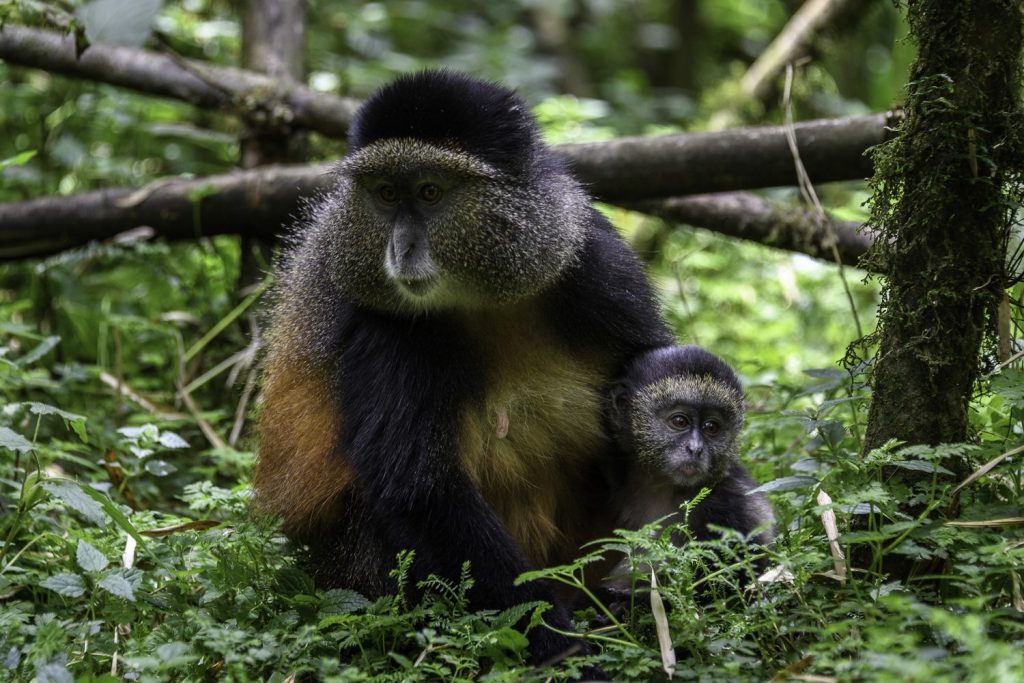
Discover Gishwati–Mukura National Park: Rwanda’s Hidden Emerald Paradise
Explore Gishwati–Mukura National Park with Mandrill African Safaris — Rwanda’s hidden forest gem known for chimpanzees, golden monkeys, eco-tourism, and breathtaking nature experiences.
Introduction: A New Jewel in Rwanda’s Safari Crown
While Rwanda is globally celebrated for Volcanoes National Park and its mountain gorillas, few travelers know about Gishwati–Mukura National Park — a lush, tranquil forest haven that embodies Rwanda’s powerful story of conservation and ecological restoration.
Located along the Albertine Rift, this national park is the youngest in Rwanda, officially gazetted in 2015. Despite its recent establishment, Gishwati–Mukura has quickly become a top emerging destination for eco-tourism, nature enthusiasts, and primate lovers.
With Mandrill African Safaris, you can explore this untouched paradise through personalized itineraries that combine wildlife, culture, and sustainability — showcasing Rwanda’s resilience and natural beauty.
Where is Gishwati–Mukura National Park Located?
Gishwati–Mukura National Park lies in the western part of Rwanda, between Rubavu and Ngororero districts, along the ridge that divides the Congo and Nile watersheds. The park is made up of two separate forests — Gishwati Forest in the north and Mukura Forest in the south — covering about 34 square kilometers of lush montane rainforest.
Despite its small size compared to Nyungwe or Volcanoes National Parks, Gishwati–Mukura plays a vital ecological role. It forms part of the Gishwati–Mukura Landscape, which connects to Nyungwe National Park, creating a crucial wildlife corridor for chimpanzees and other primates.
Wildlife in Gishwati–Mukura National Park
Gishwati–Mukura National Park may be compact, but its biodiversity is remarkable. The park is home to 13 species of mammals, 232 bird species, and over 500 plant species.
1. Primates of Gishwati–Mukura
The park’s forests are alive with four species of primates, making it a top destination for Rwanda primate safaris:
-
Chimpanzees – The main attraction, these intelligent primates roam freely in family groups. Trekking them offers a quieter, more intimate experience than the busier Volcanoes or Nyungwe forests.
-
Golden Monkeys – Famous for their striking orange coats, these rare primates are endemic to the Albertine Rift and thrive in Gishwati’s bamboo zones.
-
Blue Monkeys – Agile and curious, often seen swinging in the mid-canopy.
-
L’Hoest’s Monkeys – Shy, ground-dwelling primates with distinct white beards, commonly spotted on guided walks.
2. Birdlife in Gishwati–Mukura
For bird watchers, this park is a dream destination. Over 230 bird species have been recorded, including 25 Albertine Rift endemics. You can expect sightings of:
-
Ruwenzori Turaco
-
Mountain Yellow Warbler
-
Grey Crowned Crane
-
Stripe-breasted Tit
-
Regal Sunbird
-
Wood Hoopoe
With the guidance of Mandrill African Safaris’ expert birding guides, you’ll enjoy a truly immersive Rwanda birding safari.
Flora and Ecosystems
Gishwati–Mukura National Park is one of the last remaining stretches of montane rainforest in the Albertine Rift. Its vegetation ranges from bamboo groves and fern thickets to towering mahogany, hagenia, and eucalyptus trees.
The park’s ecosystems play a key role in:
-
Water regulation for nearby rivers like Sebeya and Satinsyi
-
Carbon sequestration and climate regulation
-
Soil protection for surrounding farmlands
For eco-conscious travelers, Gishwati–Mukura represents the heart of Rwanda’s green tourism vision — combining conservation, community development, and sustainability.
Unique Experiences in Gishwati–Mukura National Park
With Mandrill African Safaris, you can enjoy several immersive experiences that highlight the park’s natural beauty and cultural richness.
1. Chimpanzee and Primate Trekking
Follow trained rangers through misty trails to track wild chimpanzees and other primates in their natural habitat. This activity, available year-round, offers an unforgettable low-impact primate experience with fewer crowds than Volcanoes or Nyungwe.
2. Guided Nature Walks
The park offers multiple scenic trails that traverse rolling hills, rivers, and waterfalls. Along the way, you’ll spot endemic plants, butterflies, and rare bird species — perfect for photography and mindfulness.
3. Bird Watching Tours
Gishwati–Mukura is one of Rwanda’s best-kept birding secrets. With Mandrill’s expert ornithologists, visitors can embark on early morning or evening bird walks to catch colorful endemics in the forest canopy.
4. Cultural Experiences
The local communities around the park — especially the Rutsiro and Nyabihu districts — offer rich cultural interactions. Visitors can enjoy:
-
Traditional dances and storytelling
-
Banana beer brewing experiences
-
Visits to local tea plantations
-
Handcraft workshops supporting community women’s cooperatives
Mandrill African Safaris integrates these experiences into its responsible tourism packages, ensuring that your visit supports local livelihoods and conservation education.
Conservation Success Story: From Degradation to Renewal
Gishwati and Mukura forests were once on the brink of extinction. Decades of deforestation, cattle grazing, and resettlement had reduced these forests by nearly 98%.
However, Rwanda’s government — in collaboration with international organizations like Great Ape Trust, Forest of Hope Association, and Rwanda Development Board (RDB) — launched a successful forest restoration and reforestation program.
In 2015, Gishwati–Mukura was officially declared a national park, symbolizing Rwanda’s commitment to biodiversity restoration. Today, wildlife populations are slowly recovering, forest cover is expanding, and eco-tourism provides income to surrounding communities.
Mandrill African Safaris proudly supports these conservation efforts by promoting sustainable travel and low-impact tours in Rwanda.
How to Get to Gishwati–Mukura National Park
The park is easily accessible by road:
-
From Kigali: About 2.5 to 3 hours drive (roughly 150 km).
-
From Rubavu (Gisenyi): Only 45 minutes drive, making it perfect to combine with a Lake Kivu holiday.
-
From Volcanoes National Park: About 2 hours drive — ideal for multi-destination safaris in Rwanda.
Mandrill African Safaris offers customized itineraries that seamlessly connect Gishwati–Mukura with Rwanda’s other attractions — including Kigali City tours, Lake Kivu retreats, Volcanoes gorilla safaris, and Nyungwe canopy walks.
Accommodation Options
Though still developing, Gishwati–Mukura offers comfortable and eco-friendly accommodation options that blend luxury with nature.
1. Gishwati Lodge
This exclusive eco-lodge, managed by Wilderness Safaris, features only a handful of cottages overlooking the forest. It offers personalized service, gourmet cuisine, and guided activities — perfect for travelers seeking privacy and serenity.
2. Community Homestays
For budget-conscious travelers or those seeking authentic Rwandan experiences, community-run homestays around the park provide cultural immersion while supporting conservation through eco-tourism.
Mandrill African Safaris can help you choose and book accommodation that suits your travel style, comfort, and budget.
Best Time to Visit Gishwati–Mukura National Park
The park is open year-round, but the best time to visit is during the dry seasons:
-
June to September
-
December to February
During these months, trails are easier to navigate, and wildlife viewing is excellent. However, the park remains lush and beautiful even in the rainy seasons (March–May, October–November), offering great opportunities for photographers and birders.
What to Pack for Gishwati–Mukura Safari
For a comfortable and enjoyable experience, Mandrill African Safaris recommends packing:
-
Hiking boots and waterproof jacket
-
Insect repellent and sunscreen
-
Binoculars and camera for birding and wildlife
-
Reusable water bottle
-
Light layers for cool mornings and warm afternoons
Combine Gishwati–Mukura with Other Rwanda Safari Destinations
Mandrill African Safaris offers multi-destination Rwanda tours that combine Gishwati–Mukura with:
-
Volcanoes National Park – For mountain gorilla trekking
-
Nyungwe Forest National Park – For chimpanzee tracking and canopy walks
-
Akagera National Park – For Big Five safaris
-
Lake Kivu – For beach relaxation and kayaking
This combination allows travelers to experience Rwanda’s diverse ecosystems — from rainforest to savannah, mountain to lake — in one unforgettable journey.
Why Visit Gishwati–Mukura with Mandrill African Safaris
Choosing Mandrill African Safaris means more than just travel — it’s a partnership in conservation, culture, and community empowerment.
Here’s why travelers love exploring Rwanda with us:
-
Expert local guides with deep knowledge of Rwanda’s ecosystems
-
Custom itineraries that fit your interests and budget
-
Sustainable and responsible tourism practices
-
Comfortable vehicles and seamless logistics
-
Personalized experiences combining wildlife, culture, and relaxation
Conclusion: A Quiet Revolution in Rwanda’s Eco-Tourism
Gishwati–Mukura National Park stands as a powerful testament to Rwanda’s commitment to ecological restoration. Once devastated by human activity, it now blossoms again — offering sanctuary to chimpanzees, golden monkeys, and countless birds.


