Best Bird Watching Destinations in Kenya
2026-08-10
Ruvubu National Park Wildlife Guide: Discover Burundi’s Hidden Safari Gem
2026-08-12
Burundi’s Unique Bird Species: A Birdwatcher’s Guide to Burundi’s Hidden Avian Treasures
Discover Burundi’s unique bird species, from the Great Blue Turaco and Rwenzori Turaco to Albertine Rift endemics. Explore the best birdwatching destinations in Burundi.
Burundi’s Unique Bird Species offer an exciting reason to explore one of East Africa’s lesser-known wildlife destinations. From the misty montane forests of Kibira National Park to the wetlands of Lake Rwihinda and the savannah landscapes of Ruvubu National Park, Burundi supports an impressive variety of birdlife and habitats.
For travelers interested in birdwatching in Burundi, the country provides opportunities to encounter colorful turacos, forest specialists, sunbirds, hornbills, trogons, flycatchers, and several birds associated with the Albertine Rift. Burundi lies within the Albertine Rift mountains Endemic Bird Area, making its forests particularly interesting for birders searching for rare and regionally restricted species.
At Mandrill African Safaris, we believe that exploring Burundi by following its birdlife offers a different perspective on East Africa—one filled with forest calls, vibrant plumage, beautiful landscapes, and unforgettable encounters with nature.
Why Burundi Is an Excellent Birdwatching Destination
Burundi may not receive the same international attention as Uganda, Kenya, Rwanda, or Tanzania, but its relatively small size hides remarkable ecological diversity.
The country’s habitats include Afromontane forests, wetlands, savannahs, lakeshores, and highland ecosystems. These different environments support different bird communities, allowing visitors to experience a wide variety of species during a birding safari.
One of the country’s most important birding destinations is Kibira National Park, located along the Congo-Nile mountain range. Burundi’s tourism authority reports that the park covers approximately 40,000 hectares and supports around 200 bird species.
Kibira is especially valuable for birders searching for forest species and birds associated with the Albertine Rift. Its high-altitude rainforest, streams, bamboo areas, and surrounding landscapes create excellent conditions for diverse birdlife.
1. Great Blue Turaco – Burundi’s National Bird
One of the most spectacular birds to look for on a Burundi birdwatching safari is the Great Blue Turaco.
The species is particularly impressive because of its large size, striking blue coloration, and distinctive appearance. It is also Burundi’s national bird, making it an especially meaningful species for visitors interested in the country’s natural heritage.
Great Blue Turacos are primarily associated with forest habitats. They can often be detected by their calls before they are seen moving through the canopy.
For photographers, a sighting of this magnificent bird can become one of the highlights of a Burundi wildlife adventure.
2. Rwenzori Turaco
Another highly desirable species for birdwatchers is the Rwenzori Turaco.
This beautiful forest bird is associated with the highland forests of the Albertine Rift. Burundi’s forest habitats provide opportunities to search for this and other montane species.
The Rwenzori Turaco is one of the birds that makes Albertine Rift birding particularly exciting. Birdwatchers exploring Kibira and other suitable forest habitats should listen carefully for calls and scan the canopy.
3. Blue-headed Sunbird
The Blue-headed Sunbird is another fascinating species recorded in Burundi.
Sunbirds are among Africa’s most attractive small birds, and their relationship with flowering plants makes them particularly interesting to observe. The Blue-headed Sunbird is associated with the Albertine Rift region and is among the species that birdwatchers may target when exploring Burundi’s highland forests.
Its presence adds to the incredible variety of nectar-feeding birds found across Burundi.
4. Dusky Crimsonwing
For serious birdwatchers, the Dusky Crimsonwing is a particularly exciting target.
Crimsonwings are small, elusive forest birds, and finding them can require patience. Their presence in the Albertine Rift contributes to the region’s reputation among specialist birders.
A guided birding walk through suitable forest habitat can greatly improve the chances of locating shy species such as this.
5. Black-and-White-Casqued Hornbill
Burundi’s forests are also home to impressive hornbills, including the Black-and-White-Casqued Hornbill.
Hornbills are among Africa’s most recognizable birds because of their large bills and distinctive calls. Seeing one flying between trees or feeding in the forest canopy can be an unforgettable experience.
Kibira National Park is one of the places where birdwatchers can search for this spectacular species.
6. Bar-tailed Trogon
The Bar-tailed Trogon is another fascinating forest bird associated with Burundi’s montane habitats.
Trogons are famous among bird photographers for their beautiful plumage and relatively quiet forest lifestyle. They can be challenging to locate because they often remain within dense vegetation.
This makes a knowledgeable local bird guide extremely valuable. Guides can recognize calls, understand bird behavior, and help visitors explore habitats where particular species are most likely to occur.
7. Narina Trogon
Another trogon to look for is the Narina Trogon.
Its presence adds another layer of excitement to forest birding in Burundi. Trogons are generally associated with mature woodland and forest habitats, where they can sometimes be seen perched quietly while scanning their surroundings.
For travelers interested in bird photography in Burundi, trogons can be rewarding subjects when good viewing opportunities arise.
8. African Paradise Flycatcher
The African Paradise Flycatcher is a striking forest bird and another species that can be encountered in Burundi.
Its graceful movements and attractive plumage make it a favorite among birders and photographers. It is particularly enjoyable to watch as it moves through vegetation in search of insects.
Burundi’s forests provide an excellent environment for searching for flycatchers and other insect-eating species.
9. Rwenzori Batis
The Rwenzori Batis is another sought-after bird of the Albertine Rift.
Batises are small, active forest birds that can be difficult to spot in dense vegetation. Birders need to pay attention to movement, calls, and mixed-species feeding groups.
For visitors pursuing a list of Albertine Rift endemic and near-endemic birds, species such as the Rwenzori Batis can make a Burundi birding trip particularly rewarding.
10. Mountain Masked Apalis
The Mountain Masked Apalis is another notable bird associated with the region.
Small warblers and apalises can be challenging to identify because they move quickly through vegetation. However, experienced bird guides can make the process much easier by identifying their calls and preferred habitats.
A slow, patient birding walk is often more productive than simply moving quickly through the forest.
11. Grauer’s Warbler
Grauer’s Warbler is one of the specialist forest birds that makes the Albertine Rift such an important destination for birdwatchers.
Burundi’s highland forest habitats provide opportunities to search for this type of montane forest species. Birders visiting Kibira should therefore keep their ears open for distinctive calls while scanning the forest undergrowth and canopy.
12. Purple-breasted Sunbird
The Purple-breasted Sunbird is another attractive species associated with the Albertine Rift.
Its striking coloration and relationship with flowering vegetation make it a favorite among bird photographers. Searching flowering plants and forest edges can increase the chances of finding sunbirds.
For travelers combining Burundi birding tours with nature walks, sunbirds provide excellent opportunities for close observation.
Best Places for Birdwatching in Burundi
Kibira National Park
Kibira should be at the top of the list for anyone planning a birdwatching safari in Burundi.
The park’s montane rainforest and high elevation support a wide range of forest birds. Burundi’s tourism authority identifies approximately 200 bird species in Kibira, while birding sources highlight numerous Albertine Rift-associated species.
The park also offers opportunities to combine birdwatching with forest walks, scenery, and other wildlife experiences.
Bururi Forest Nature Reserve
Bururi Forest Nature Reserve is another important location for birders interested in Burundi’s forest species.
The reserve is among the sites identified for searching for Albertine Rift birds and other montane forest species.
Its forest environment makes it a valuable stop for travelers who want to explore Burundi beyond the country’s better-known attractions.
Ruvubu National Park
For visitors interested in a mixture of wildlife and birdwatching, Ruvubu National Park is worth considering.
Its habitat differs from the montane forests of Kibira, allowing visitors to encounter different bird communities. The African Bird Club identifies Ruvubu among Burundi’s sites for savannah and wetland species.
Lake Rwihinda
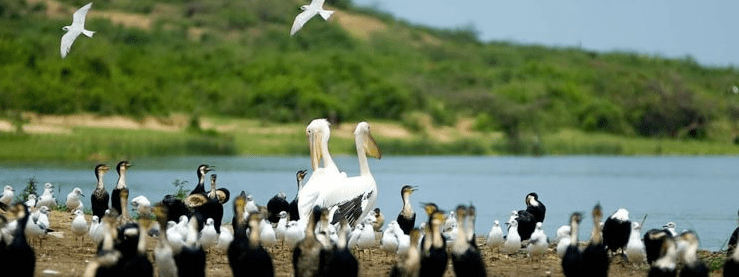
Wetlands are essential for bird conservation, and Lake Rwihinda provides opportunities to search for waterbirds and other wetland species.
A birding itinerary that combines forests and wetlands can therefore provide a much broader experience of Burundi bird species.
Rusizi National Park
Located near Lake Tanganyika, Rusizi National Park offers another habitat for birdwatching.
The park’s wetland and savannah environments complement Burundi’s montane forests, creating opportunities to look for species that may not occur in highland forest.
The Importance of Albertine Rift Birding
One of the biggest attractions of birdwatching in Burundi is its connection to the Albertine Rift.
The Albertine Rift is recognized as an important center of biodiversity and bird endemism. Burundi forms part of the Albertine Rift mountains Endemic Bird Area, alongside other countries in the region.
This means that a trip to Burundi can be particularly rewarding for birdwatchers who are building an East African bird list or specifically searching for Albertine Rift species.
Instead of focusing only on the number of birds seen, visitors can focus on the uniqueness of the species and ecosystems encountered.
Best Time for Birdwatching in Burundi
Birdwatching can be enjoyed throughout the year, but the ideal timing depends on your target species and itinerary.
The best strategy is to plan your trip around the habitats you want to explore and work with an experienced local guide. Forest birding is generally most productive during the cooler morning hours when birds are active.
Early mornings are particularly rewarding because the forest comes alive with calls and movement. Birders should also allow enough time to walk slowly and stop frequently rather than rushing between locations.
Tips for a Successful Burundi Birding Safari
To get the most from your Burundi birdwatching tour, consider the following:
- Carry good-quality binoculars.
- Bring a camera with a suitable telephoto lens.
- Use a regional bird field guide.
- Hire an experienced local birding guide.
- Start birding early in the morning.
- Wear comfortable hiking shoes.
- Carry rain protection because forest weather can change quickly.
- Dress in neutral colors suitable for nature walks.
- Keep quiet when approaching forest birds.
- Record bird calls and observations where appropriate.
- Be patient—some of the most interesting species are also the most elusive.
Most importantly, responsible birdwatching should avoid disturbing birds or damaging their habitats.
Why Choose Mandrill African Safaris for Burundi Birding?
A birding trip is about more than simply ticking species from a checklist. It is about understanding landscapes, ecosystems, local communities, and the natural history of the destinations you visit.
Mandrill African Safaris can help travelers design East African wildlife experiences that include Burundi alongside destinations such as Uganda, Rwanda, Kenya, and Tanzania.
A customized itinerary can combine Burundi birdwatching, national parks, forest walks, cultural experiences, Lake Tanganyika, and cross-border East African adventures.
For specialist birders, itineraries can be designed around particular target species and habitats. For first-time birdwatchers, we can create a more relaxed nature-focused experience that combines birding with sightseeing and wildlife.
Discover Burundi’s Birdlife with Mandrill African Safaris
Burundi’s birdlife deserves greater recognition among Africa’s wildlife destinations. From the spectacular Great Blue Turaco, the country’s national bird, to colorful sunbirds, elusive crimsonwings, forest trogons, hornbills, flycatchers, and Albertine Rift specialists, Burundi offers an exciting world for bird enthusiasts.
The forests of Kibira National Park, the landscapes of Bururi Forest, the wetlands around Lake Rwihinda, and the savannah habitats of Ruvubu National Park together provide a fascinating birding journey across different ecosystems.
If you are looking for a less crowded African destination where nature, culture, landscapes, and birdlife come together, Burundi is a destination worth discovering.
Plan your next Burundi birdwatching safari with Mandrill African Safaris and experience the remarkable birds of the Albertine Rift for yourself.