Asked Questions About Gorilla Tracking and Habituation in Uganda
Asked Questions About Gorilla Tracking and Habituation in Uganda. Gorilla tracking and habituation experiences in Uganda and Rwanda are some of the most thrilling wildlife encounters in Africa. Whether you’re planning your first trek or considering the extended habituation experience, it’s natural to have questions. This blog answers the 20 most frequently asked questions with clear, expert insights to help you plan a successful and memorable adventure.
What is gorilla tracking?
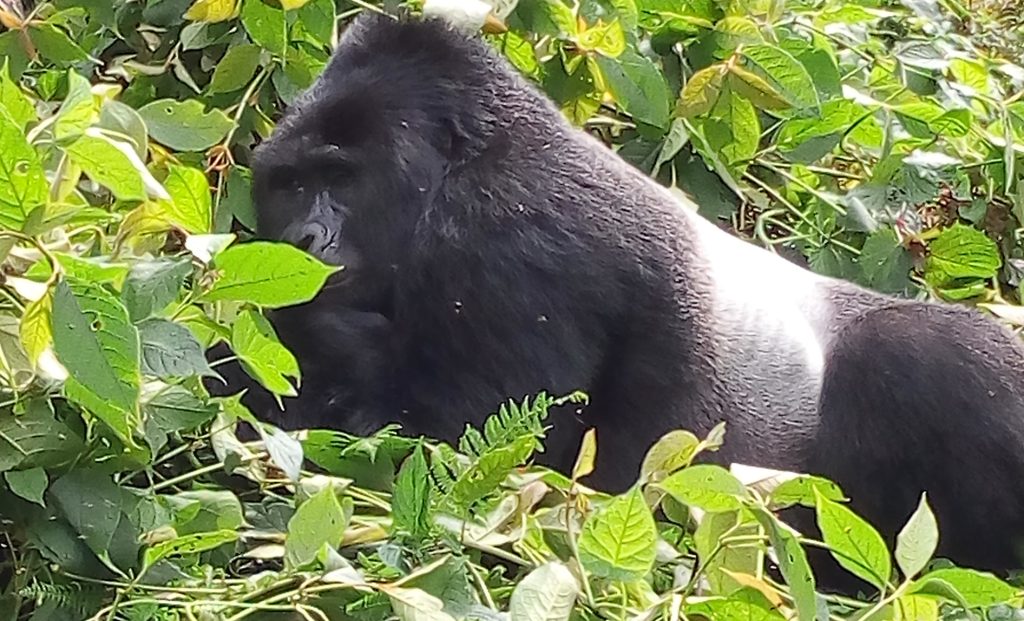
Gorilla tracking (also known as gorilla trekking) is a guided experience where visitors hike through forests to observe a fully habituated mountain gorilla family in their natural habitat for one hour. It’s a once-in-a-lifetime experience available in Bwindi Impenetrable Forest and Mgahinga Gorilla National Park in Uganda, and Volcanoes National Park in Rwanda.
What is gorilla habituation?
Gorilla habituation is a more immersive experience where visitors spend up to 4 hours with a gorilla group that is undergoing the habituation process—training wild gorillas to tolerate human presence. This activity is exclusive to Uganda’s Bwindi Impenetrable National Park.
Where can I do gorilla trekking in Uganda and Rwanda?
Uganda: Bwindi Impenetrable National Park and Mgahinga Gorilla National Park
Rwanda: Volcanoes National Park
Both countries offer scenic hikes and remarkable wildlife encounters.
What is the best time to go gorilla tracking?
The best time is during the dry seasons:
June to September
December to February
These months offer more comfortable hiking conditions and better wildlife visibility.
How much does a gorilla permit cost in Uganda and Rwanda (2025)?
Uganda:
Gorilla tracking: $800
Gorilla habituation: $1,500
Rwanda:
Gorilla tracking: $1,500
Note: Prices may change, and early booking is essential due to limited availability.
How do I get a gorilla permit?
Permits are issued by:
Uganda Wildlife Authority (UWA)
Rwanda Development Board (RDB)
You can obtain them through a registered tour operator or directly from the authorities. Booking at least 6 months in advance is recommended.
Do I need to be physically fit to track gorillas?
Yes, gorilla tracking requires moderate physical fitness, as treks can range from 30 minutes to 6 hours depending on the gorilla group’s location. Trails can be steep and slippery, especially during the rainy season.
How close can I get to the gorillas?
You are advised to stay 7 meters (23 feet) away from the gorillas. However, gorillas may approach you, especially the curious juveniles. In such cases, remain calm and follow the ranger’s instructions.
What should I wear for gorilla trekking?
Long-sleeved shirts and trousers (for protection from branches and insects)
Waterproof hiking boots
Gloves
Rain jacket
Hat and sunglasses
Neutral-colored clothing is ideal. Avoid bright colors and camouflage.
How safe is gorilla tracking?
Very safe. You’ll be accompanied by trained guides, rangers, and sometimes armed escorts. Mountain gorillas are gentle giants and not aggressive when approached properly.
How many people are allowed to track a gorilla group?
Only 8 visitors per day are allowed to track each habituated gorilla family, minimizing stress on the animals and preserving their natural behavior.
How long does the trek take?
The trek can take anywhere between 30 minutes and 6 hours depending on the terrain and the movement of the gorilla family. Once found, you’ll spend one hour observing them.
Can I use a camera with flash?
No. Flash photography is strictly prohibited, as it may startle or disturb the gorillas. Bring a good non-flash camera or smartphone, ideally with a zoom lens.
What’s the difference between gorilla tracking in Uganda and Rwanda?
Uganda offers more gorilla families, cheaper permits, and a more rugged experience in Bwindi.
Rwanda offers easier access from Kigali (2-hour drive), shorter hikes, and luxury options, but at a higher permit cost.
Can children go gorilla trekking?
The minimum age is 15 years in both countries. Children below this age are not allowed for safety and conservation reasons.
Is tipping the guides and porters expected?
Yes, tipping is customary and appreciated. Suggested tips:
Rangers/Guides: $10–$20 per person
Porters: $10–$15 depending on the difficulty of the trek
It’s not mandatory, but it supports local livelihoods.
Should I hire a porter?
Absolutely. Porters are affordable ($10–$15) and help carry your bag, provide support on steep trails, and boost local employment.
Can I combine gorilla trekking with other activities?
Yes! Combine gorilla trekking with:
Game drives in Queen Elizabeth or Murchison Falls National Park (Uganda)
Chimpanzee tracking in Kibale or Nyungwe
Golden monkey tracking (Rwanda or Uganda)
Cultural visits and lake experiences
Is gorilla trekking ethical?
Yes. Gorilla tourism in Uganda and Rwanda follows strict ethical and conservation guidelines. Revenue from permits directly funds gorilla protection, ranger wages, community development, and habitat preservation.
Why choose gorilla habituation over regular trekking?
If you want more time with gorillas, a deeper understanding of their behavior, and a less crowded, more exclusive experience, the gorilla habituation experience is perfect. You’ll join researchers and guides in a fascinating process to build trust with wild gorillas.
Final Thoughts
Gorilla tracking and habituation in Uganda and Rwanda are bucket-list adventures for wildlife lovers and eco-tourists. Whether you’re trekking through the dense jungles of Bwindi or navigating the volcanic slopes of Volcanoes National Park, the awe of locking eyes with a mountain gorilla is unmatched.
Book your permits early, pack smart, and trust certified tour operators to guide your experience. As gorilla tourism continues to support conservation and communities, your visit truly makes a difference.