

The Best Time for Wildlife Photography in Uganda
2026-03-03
The Best Souvenirs to Buy from Local Communities in Uganda
2026-03-03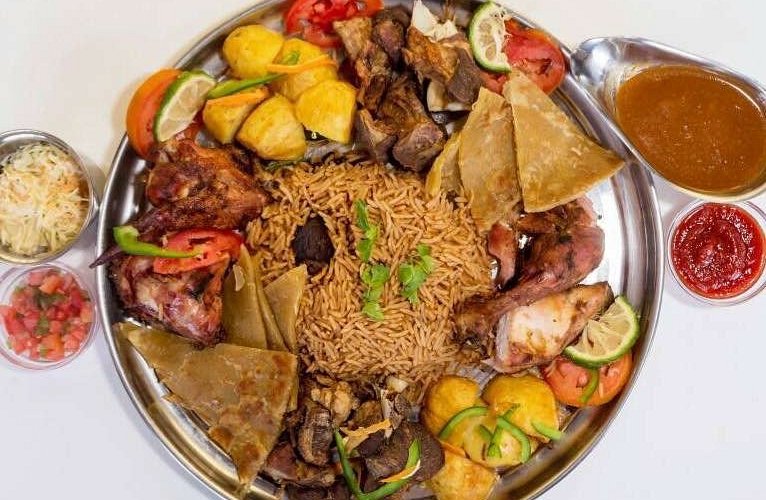
A Guide to Local Food Near Bwindi: What to Eat on Your Gorilla Trekking Safari
By Mandrill African Safaris
Discover the best local food near Bwindi Impenetrable National Park. From traditional Ugandan dishes to fresh farm-to-table meals, explore what to eat during your gorilla trekking safari with Mandrill African Safaris.
Introduction: Why Food Matters on Your Bwindi Safari
Let’s be honest—after hiking through thick rainforest in search of mountain gorillas, you’re going to be hungry. Gorilla trekking in Bwindi Impenetrable National Park is thrilling, emotional, and physically demanding. But what many travelers don’t realize is that the food around Bwindi is an experience in itself.
At Mandrill African Safaris, we believe your Uganda safari should satisfy every sense—including taste. From hearty traditional Ugandan dishes to fresh organic produce grown in nearby villages, the local cuisine near Bwindi adds cultural depth to your adventure.
So, what exactly should you eat near Bwindi? Let’s dive in.
1. Traditional Ugandan Dishes You Must Try Near Bwindi
Matoke (Steamed Green Bananas)
Matoke is the backbone of western Ugandan cuisine. Cooked by steaming or mashing green bananas, it’s typically served with groundnut (peanut) sauce, beef stew, or chicken. It’s filling—perfect after your gorilla trekking adventure.
In the Bwindi region, matoke is often prepared using locally grown bananas from the surrounding highlands, giving it a fresh, earthy flavor.
Luwombo
Luwombo is a traditional dish where meat (chicken, beef, or goat) is steamed in banana leaves with groundnut sauce and spices. The slow cooking locks in moisture and flavor, creating a rich and aromatic meal.
Many lodges near Bwindi offer luwombo as part of a cultural dinner experience.
Posho and Beans
Posho (maize flour porridge) served with beans is a staple across Uganda. It’s simple but satisfying. You’ll likely encounter it in local eateries in Buhoma and Rushaga.
If you want an authentic village-style meal, this is it.
Grilled Goat (Muchomo)
If you enjoy nyama choma-style barbecue, grilled goat is a must-try. It’s commonly served with roasted plantains or chips. Small roadside spots near Bwindi villages prepare it fresh over charcoal grills.
It pairs surprisingly well with a cold local drink after a long trek.
2. Where to Eat Near Bwindi Impenetrable National Park
Bwindi has four main sectors: Buhoma, Rushaga, Ruhija, and Nkuringo. Each offers different dining experiences.
Buhoma Sector
Buhoma is the most developed area for tourism in Bwindi Impenetrable National Park. You’ll find both lodge restaurants and local community-run eateries.
-
Lodge dining: Many upscale lodges offer multi-course meals combining Ugandan and international cuisine.
-
Community restaurants: Small local spots serve traditional dishes at affordable prices.
Buhoma is also known for its proximity to cultural experiences involving the Batwa community.
Rushaga Sector
Rushaga has several mid-range and luxury lodges offering farm-to-table dining. Because of its location near farming communities, much of the produce is fresh and organic.
Many safari travelers staying in Rushaga enjoy buffet-style dinners featuring:
-
Matoke
-
Fresh vegetables
-
Rice and beans
-
Grilled meats
-
Tropical fruits like pineapple and passion fruit
Nkuringo & Ruhija
These quieter sectors offer a more intimate dining experience. Expect cozy lodge restaurants serving hearty meals perfect for cool highland evenings.
Due to the altitude, soups and warm dishes are especially popular here.
3. Farm-to-Table Dining in Bwindi
One thing that surprises visitors is how fresh everything tastes. The areas surrounding Bwindi are agricultural communities. Farmers grow:
-
Bananas
-
Irish potatoes
-
Sweet potatoes
-
Cabbage
-
Beans
-
Avocados
-
Pineapples
Many safari lodges partner directly with local farmers, supporting community livelihoods while serving organic produce to guests. It’s sustainable tourism in action.
With Mandrill African Safaris, we prioritize accommodations that support local food sourcing and community development.
4. Cultural Food Experiences Near Bwindi
Food isn’t just about eating—it’s about connection.
Batwa Cultural Experience
The Batwa people, indigenous forest dwellers who once lived in Bwindi, offer cultural experiences where visitors can learn about traditional cooking methods.
You may see:
-
Food prepared over open fires
-
Traditional hunting tools
-
Local herbs used in cooking
This experience adds a deeper understanding of the human history surrounding Bwindi.
5. Drinks to Try Near Bwindi
Ugandan Coffee
Uganda is one of Africa’s top coffee producers. After trekking, enjoy freshly brewed local coffee grown in western Uganda’s highlands.
Local Beer
Brands like Nile Special and Club are widely available in lodge bars. They’re refreshing after a humid trek.
Fresh Fruit Juices
Passion fruit, mango, and pineapple juices are often freshly squeezed and served at breakfast or dinner.
6. What to Expect from Safari Lodge Meals
When you book your gorilla trekking safari with Mandrill African Safaris, here’s what you can typically expect:
Breakfast
-
Eggs, toast, fruit, coffee/tea
-
Sometimes chapati and local options
Packed Lunch
During gorilla trekking, lodges usually provide packed lunches that may include:
-
Sandwiches
-
Boiled eggs
-
Fresh fruit
-
Juice
-
Snacks
Dinner
-
Three-course meals at most lodges
-
Soup starter (great in the cool evenings)
-
Main course (Ugandan or continental)
-
Dessert (often fruit or cake)
Special dietary needs? Most lodges accommodate vegetarian, vegan, gluten-free, and halal requests if arranged in advance.
7. Street Food Near Bwindi: Should You Try It?
If you’re adventurous, small roadside vendors offer:
-
Roasted maize
-
Chapati
-
Samosas
-
Grilled meat skewers
While delicious, it’s best to choose vendors that appear clean and busy. Our safari guides are always happy to recommend safe options.
8. Tips for Enjoying Local Food Near Bwindi
 Stay hydrated—trekking can be exhausting. Try at least one fully traditional meal. Inform your safari operator of dietary restrictions early. Carry small cash for local eateries. Don’t shy away from fresh fruits—they’re incredible here.
9. Combining Food and Gorilla Trekking: A Complete Experience
Gorilla trekking in Bwindi Impenetrable National Park is often described as life-changing. But pairing that wildlife encounter with authentic Ugandan cuisine elevates your safari from memorable to unforgettable.
Imagine this:
Morning—hiking through misty rainforest to meet mountain gorillas.
Evening—enjoying matoke and luwombo by a warm lodge fireplace while sharing stories with fellow travelers.
That’s the full Bwindi experience.
10. Why Choose Mandrill African Safaris for Your Bwindi Adventure?
At Mandrill African Safaris, we design safari itineraries that balance wildlife, culture, and cuisine. Whether you’re staying in Buhoma, Rushaga, Nkuringo, or Ruhija, we ensure:
-
Comfortable accommodations
-
Delicious, locally sourced meals
-
Seamless gorilla trekking permits
-
Cultural immersion opportunities
We don’t just take you to see gorillas—we help you experience Uganda.
FAQs About Local Food Near Bwindi
1. Is food near Bwindi safe for tourists?
Yes. Most safari lodges maintain high hygiene standards. When eating at local spots, choose reputable or guide-recommended places.
2. Can I find vegetarian food near Bwindi?
Absolutely. Beans, matoke, vegetables, rice, and fruits are widely available.
3. Do lodges accommodate special diets?
Yes, if informed in advance. Vegan, gluten-free, and other dietary needs can usually be arranged.
4. What is the most popular local dish near Bwindi?
Matoke with groundnut sauce is the most common traditional meal.
5. Are there international food options available?
Yes. Many lodges serve continental dishes alongside Ugandan cuisine.
Final Thoughts
Local food near Bwindi is more than just nourishment—it’s part of the safari story. From farm-fresh produce to traditional cooking methods, every meal connects you to the land and its people.
When you book your gorilla trekking safari with Mandrill African Safaris, you’re not just signing up for wildlife encounters—you’re embracing culture, community, and cuisine in one unforgettable Ugandan adventure.
Ready to taste Bwindi for yourself? Let Mandrill Afric


