
Blog
2025-04-04
Gorilla Trekking vs. Gorilla Tracking: What’s the Real Difference
2025-04-23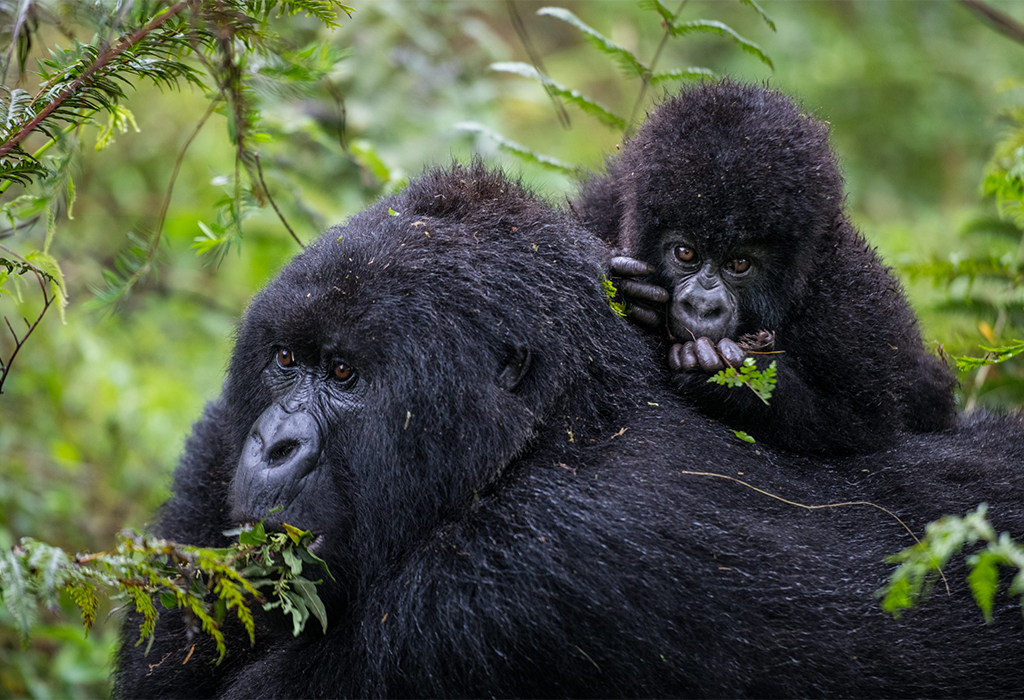
Gorilla Trekking in Uganda: A Complete Guide to an Unforgettable Wildlife Experience
Uganda, often called the “Pearl of Africa,” is home to nearly half of the world’s remaining mountain gorillas, making it one of the most rewarding destinations for gorilla trekking. Encountering these majestic creatures in their natural habitat is a truly life-changing experience—an intimate and humbling glimpse into the wild. Gorilla trekking offers a unique blend of adventure, conservation, and cultural immersion. However, to make the most of this journey, proper planning is essential. From securing permits to preparing physically and knowing what to pack, this guide provides everything you need to know before heading into the misty forests of Bwindi or Mgahinga. Whether you’re an adventurer, wildlife enthusiast, or nature lover, here’s how to plan your ultimate gorilla trekking experience in Uganda.
Permits and Booking
Permit Costs:
Gorilla trekking in Uganda requires a permit, and costs vary depending on your residency status:
- Foreign Non-Residents: $800 USD
- Foreign Residents (with work/resident permits): $700 USD
- Africans (outside East Africa): $500 USD
- East African Citizens: UGX 300,000
These prices are regulated by the Uganda Wildlife Authority (UWA) and are subject to change, so it’s advisable to check the most current rates before planning.
Booking Your Permit:
Permits can be booked in one of two ways:
- Through a Licensed Tour Operator – Reputable companies like Mandrill African Safaris offer full-service packages including transportation, accommodation, and guided treks. This is a stress-free option for most travelers.
- Directly with the Uganda Wildlife Authority (UWA) – This may save a bit of money but requires more coordination on your part.
Important Note:
Permits are limited to ensure the protection of the gorillas and to minimize human interference. Only 8 visitors are allowed per gorilla family per day, making it crucial to book several months in advance—especially during peak seasons.
Where to Trek Mountain Gorillas in Uganda
Uganda offers two main destinations for gorilla trekking, each providing a unique experience:
Bwindi Impenetrable National Park:
This UNESCO World Heritage site is the most popular and biologically diverse location for gorilla trekking in Uganda. Home to more than 20 habituated gorilla families, Bwindi features rugged terrain, lush vegetation, and multiple trekking sectors: Buhoma, Ruhija, Rushaga, and Nkuringo. Each sector offers different families to visit and varying levels of difficulty. The biodiversity here makes it ideal not just for gorilla trekking, but also for birdwatching and spotting other wildlife.
Mgahinga Gorilla National Park:
Smaller and less frequented than Bwindi, Mgahinga lies near the borders of Rwanda and the Democratic Republic of Congo. It has one habituated gorilla family, the Nyakagezi group, known for staying within Ugandan territory. While gorilla sightings are slightly less guaranteed than in Bwindi, Mgahinga offers a quieter, more intimate trekking experience. Bonus: you can also trek to see endangered golden monkeys, making it an excellent choice for multi-species wildlife encounters.
Timing and Weather
Best Time to Go:
Uganda experiences two main dry seasons, which are generally considered the best times for trekking:
- June to September
- December to February
During these months, trails are drier and more navigable, and visibility tends to be better for photography and gorilla sightings.
Trekking During the Wet Season:
- March to May and October to November are the wettest periods.
- Trails can be muddy and slippery, which makes the hike more challenging.
- However, fewer tourists mean more availability of permits and a more exclusive experience.
Pro Tip:
Uganda’s equatorial climate means weather can shift rapidly, even in the dry season. Always pack for both sun and rain.
Physical Preparation
Fitness Level:
Gorilla trekking is moderately strenuous. Treks can last anywhere from 1 to 8 hours depending on the gorilla family’s location, the terrain, and weather conditions.
- Expect steep climbs, muddy trails, and dense vegetation.
- No prior mountaineering experience is required, but a moderate level of fitness and mobility is essential.
Tips for Physical Prep:
- Take regular hikes or walks in hilly terrain before your trip.
- Strengthen leg muscles and improve cardiovascular endurance.
- If you have mobility concerns, some operators offer sedan chairs or porters to assist you for an additional fee.
Packing Essentials
Clothing:
- Sturdy hiking boots with good ankle support.
- Long-sleeved shirts and long pants to protect from scratches, thorns, and insects.
- Waterproof jacket or poncho for sudden downpours.
- Gardening gloves for gripping branches and avoiding nettles.
Accessories & Gear:
- Small backpack for carrying essentials like water, snacks, and a first-aid kit.
- Hat and sunglasses for sun protection.
- Insect repellent and sunscreen.
- Binoculars for birdwatching and spotting wildlife from a distance.
- Camera with zoom lens – Avoid using flash.
Layering:
Ugandan forests can be cool in the morning and humid by midday. Dress in light, breathable layers so you can easily adjust as needed.
During the Trek
Rules and Etiquette:
- Always follow your guide’s instructions.
- Maintain a minimum distance of 7 meters from the gorillas.
- No flash photography—it can disturb or agitate the animals.
- Avoid sudden movements or loud noises.
Health & Safety:
- If you’re feeling unwell (especially with cold or flu symptoms), you may not be allowed to trek. Gorillas are highly susceptible to human diseases.
- Wear a mask when required to reduce disease transmission.
Respect the Gorillas:
Gorilla trekking is a privilege, not a guarantee. Treat the gorillas with respect, keep your voice low, and minimize environmental impact by following Leave No Trace principles.
Tipping:
- Tipping is customary and appreciated.
- Suggested amounts: $10–$20 USD for guides, $5–$10 for porters, depending on the level of service and your budget.


