

The Untouched Wilderness of Kidepo Valley: A Hidden Safari Secret
2026-02-11
Wildlife on the Edge: The Unique Ecosystems of the Albertine Rift
2026-02-12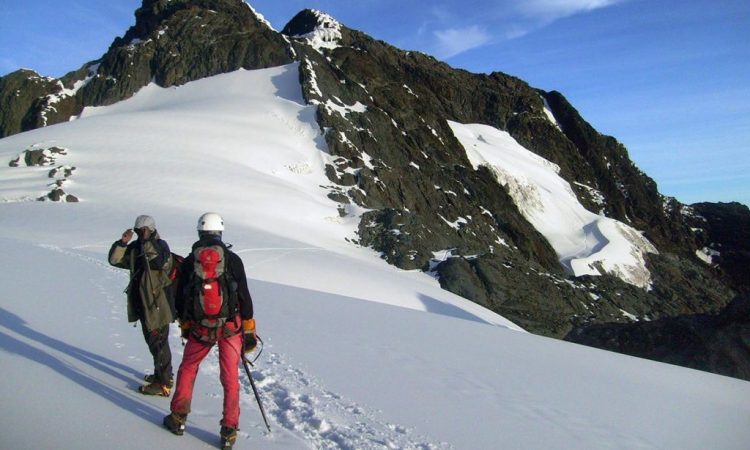
Exploring the Biodiversity of the Rwenzori Mountain Foothills
Discover the rich biodiversity of the Rwenzori Mountain foothills in Uganda. Explore unique wildlife, bird species, tropical forests, and eco-tourism experiences with Mandrill African Safaris.
Introduction: Africa’s Hidden Biodiversity Treasure
When travelers think of Uganda safaris, they often picture gorilla trekking in Bwindi or game drives in Queen Elizabeth National Park. However, tucked away in western Uganda lies one of Africa’s most biologically diverse regions — the Rwenzori Mountain foothills.
Often referred to as the “Mountains of the Moon,” the Rwenzori Mountains are not just famous for snow-capped peaks near the equator; their foothills host an extraordinary ecosystem teeming with wildlife, endemic bird species, rare plants, and unique cultural communities. For nature lovers, birders, botanists, photographers, and adventure seekers, this region offers an unforgettable eco-tourism experience.
At Mandrill African Safaris, we believe the Rwenzori foothills represent one of Uganda’s most underrated biodiversity hotspots.
Understanding the Rwenzori Mountain Ecosystem
The Rwenzori Mountains stretch along the border between Uganda and the Democratic Republic of Congo. The foothills form a transitional ecological zone between lowland savannah and montane forest.
This region is part of the Albertine Rift Valley, one of Africa’s most important biodiversity zones. Due to its varied altitude (ranging from 1,000 to over 5,000 meters above sea level), the area supports multiple vegetation zones including:
-
Tropical rainforest
-
Bamboo forest
-
Montane forest
-
Moorland and alpine vegetation
This dramatic ecological gradient creates perfect conditions for a wide variety of plant and animal species to thrive.
Unique Wildlife in the Rwenzori Foothills
1. Mammals of the Rwenzori Region
The Rwenzori foothills are home to over 70 mammal species. Some of the most notable include:
-
Rwenzori Colobus Monkey (an endemic subspecies)
-
L’Hoest’s monkey
-
Blue monkeys
-
Forest elephants
-
Bushbucks
-
Duikers
-
Giant forest hog
Primates are particularly abundant in this region. Guided forest walks often reveal troops of monkeys swinging through the canopy, offering incredible photography opportunities.
While large predators are less common in the foothills themselves, nearby Queen Elizabeth National Park complements your safari experience with lions, leopards, and buffalo.
2. Bird Watching in the Rwenzori Foothills
For birding enthusiasts, the Rwenzori region is paradise. The Albertine Rift is known for harboring many endemic bird species, making this one of the top bird watching destinations in Uganda.
Some key species include:
-
Rwenzori Turaco
-
Rwenzori Batis
-
Strange Weaver
-
Handsome Francolin
-
Lagden’s Bush Shrike
-
Blue-headed Sunbird
Over 200 bird species have been recorded in the Rwenzori Mountain National Park and surrounding foothills. Whether you’re a professional birder or a beginner, guided birding safaris with Mandrill African Safaris can help you spot rare species efficiently.
Plant Diversity: A Botanical Wonderland
One of the most striking features of the Rwenzori Mountains is their plant life. The foothills are covered in lush tropical forests filled with towering trees, vines, and ferns.
As you ascend slightly higher, vegetation transforms into bamboo zones and montane forests. Unique plant species found here include:
-
Giant Lobelias
-
Giant Groundsel (Dendrosenecio)
-
Tree heathers
-
Wild orchids
These plants have adapted to high humidity, cool temperatures, and misty conditions. The Rwenzori ecosystem is so unique that it has earned UNESCO World Heritage Site status.
For eco-tourists and nature researchers, this region offers valuable insights into climate adaptation and plant evolution.
Cultural Biodiversity: The Bakonzo Community
Biodiversity in the Rwenzori foothills isn’t limited to flora and fauna. The region is home to the Bakonzo people, whose culture is deeply intertwined with the mountains.
Visitors can experience:
-
Traditional dances
-
Local storytelling
-
Herbal medicine knowledge
-
Coffee farming tours
-
Community-led nature walks
Community-based tourism plays a major role in conservation efforts. By choosing Mandrill African Safaris, travelers directly support local livelihoods while promoting sustainable tourism in Uganda.
Hiking and Nature Walks in the Foothills
Unlike the challenging summit hikes of Margherita Peak, exploring the foothills is accessible to a wide range of travelers.
Popular activities include:
Guided Forest Walks
Perfect for wildlife spotting and bird watching.
Waterfall Hikes
The lower slopes feature scenic waterfalls such as Mahoma Falls.
Village-to-Village Walks
Learn about local farming practices and cultural traditions.
These activities allow travelers to experience the biodiversity of the Rwenzori Mountains without extreme altitude challenges.
Why the Rwenzori Foothills Are a Biodiversity Hotspot
Several factors make this region exceptionally rich in species:
-
Altitude Variation – Multiple ecological zones within a short distance.
-
High Rainfall – Supports dense vegetation growth.
-
Isolation – Encourages evolution of endemic species.
-
Albertine Rift Location – One of Africa’s most important conservation zones.
This combination makes the Rwenzori foothills one of the most important conservation areas in East Africa.
Conservation Efforts in the Rwenzori Region
The Rwenzori Mountains National Park is managed by the Uganda Wildlife Authority (UWA). Conservation initiatives focus on:
-
Anti-poaching patrols
-
Community education programs
-
Sustainable tourism development
-
Forest restoration projects
Climate change, however, poses a threat to the region’s glaciers and ecosystems. Responsible travel practices are essential to preserving this biodiversity for future generations.
Mandrill African Safaris promotes eco-friendly safaris, small group tours, and low-impact hiking experiences to protect the fragile ecosystem.
Best Time to Visit the Rwenzori Mountain Foothills
The best time to explore the Rwenzori foothills is during Uganda’s dry seasons:
-
June to September
-
December to February
These months offer better hiking conditions and improved wildlife viewing opportunities.
However, bird watchers may prefer the wetter months when migratory species are present and vegetation is lush.
Combining Rwenzori with Other Uganda Safari Destinations
One of the biggest advantages of visiting the Rwenzori foothills is its proximity to other top safari destinations:
-
Queen Elizabeth National Park – Tree-climbing lions and boat safaris
-
Kibale Forest National Park – Chimpanzee trekking
-
Semuliki National Park – Hot springs and unique forest wildlife
Mandrill African Safaris offers customized Uganda safari packages that combine biodiversity exploration with primate trekking and classic game drives.
Photography Opportunities in the Rwenzori Foothills
Nature photographers will find endless inspiration:
-
Mist-covered forests
-
Vibrant bird species
-
Rare alpine vegetation
-
Scenic waterfalls
-
Cultural portraits
Early morning and late afternoon provide the best lighting conditions for capturing the beauty of Uganda’s mountain landscapes.
Why Choose Mandrill African Safaris?
At Mandrill African Safaris, we specialize in tailor-made Uganda safari experiences that go beyond traditional wildlife viewing.
We offer:
-
Expert local guides
-
Customized itineraries
-
Eco-conscious travel options
-
Birding and hiking specialists
-
Cultural immersion experiences
Our deep knowledge of the Rwenzori region ensures you experience its biodiversity responsibly and authentically.
Frequently Asked Questions (FAQs)
1. Where are the Rwenzori Mountain foothills located?
The Rwenzori Mountain foothills are located in western Uganda along the border with the Democratic Republic of Congo, near Kasese town.
2. What wildlife can I see in the Rwenzori foothills?
You can see primates like the Rwenzori colobus monkey, forest elephants, bushbucks, duikers, and over 200 bird species.
3. Is the Rwenzori Mountains National Park a UNESCO site?
Yes, Rwenzori Mountains National Park is a UNESCO World Heritage Site due to its unique biodiversity and ecosystems.
4. Is hiking in the Rwenzori foothills difficult?
Foothill hikes are moderate and suitable for most travelers. Summit climbs require advanced preparation and fitness.
5. What is the best time for bird watching in Rwenzori?
Bird watching is excellent year-round, but migratory species are more visible during the wet seasons.
6. Can I combine Rwenzori with gorilla trekking?
Yes, many safari packages combine Rwenzori hiking with gorilla trekking in Bwindi Impenetrable National Park.
7. How does tourism support conservation in Rwenzori?
Tourism generates revenue for local communities and funds conservation programs managed by Uganda Wildlife Authority.
Final Thoughts
Exploring the biodiversity of the Rwenzori Mountain foothills is like stepping into a living laboratory of nature. From endemic bird species and rare primates to unique alpine vegetation and vibrant cultural traditions, this region offers one of Uganda’s most enriching travel experiences.
For travelers seeking something beyond the ordinary safari — something immersive, educational, and deeply connected to nature — the Rwenzori foothills stand unmatched.


