

Uganda’s Water Wildlife: Hippos and Crocodiles of the Nile
2026-02-06
Where to Find the Rare African Skimmer in Uganda:
2026-02-06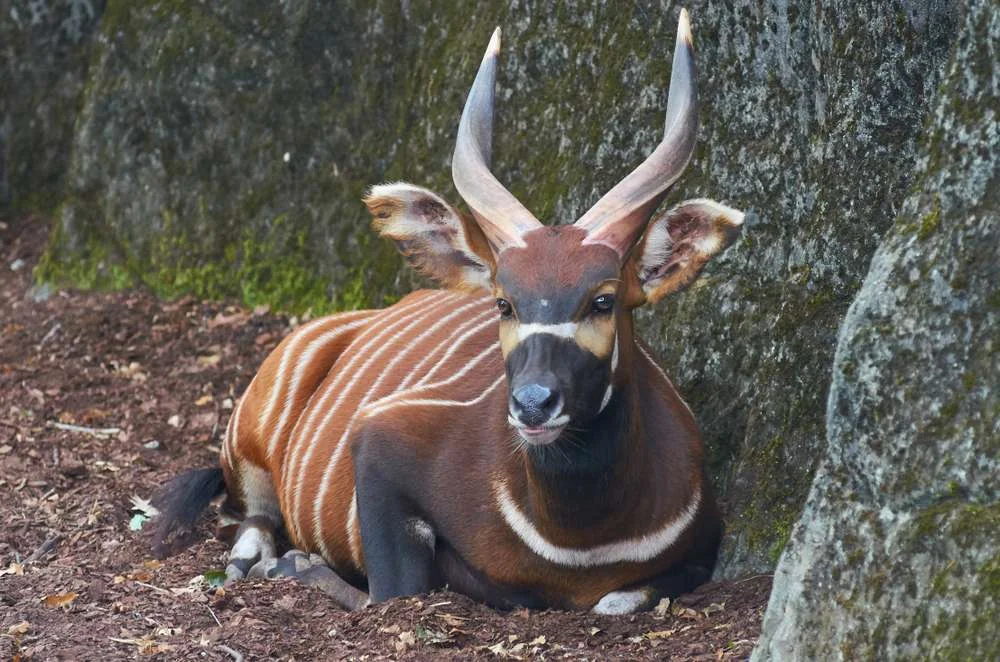
The Role of the Sitatunga Antelope in Uganda’s Wetlands
Exploring Habitat, Ecology, Conservation, and Safari Experiences with Mandrill African Safaris
Introduction
Uganda—“the Pearl of Africa”—is famed for its rich biodiversity, from forest giants like the mountain gorilla to aquatic marvels like the shoebill stork. But tucked deep within Uganda’s verdant swamps and freshwater wetlands lives one of the most elusive and extraordinary antelopes on the continent: the Sitatunga antelope (Tragelaphus spekii). Often overlooked by even seasoned wildlife enthusiasts, the sitatunga serves as both an ecological linchpin in wetland systems and a fascinating focal point for conservation tourism.
At Mandrill African Safaris, we believe understanding the animals, habitats, and ecosystems you encounter deepens your safari experience. In this article, we spotlight the critical role of the sitatunga antelope in Uganda’s wetlands, explore its behavior and survival strategies, and unpack why protecting this species helps maintain healthy ecosystems that support countless other wildlife.
What Is a Sitatunga Antelope?
The sitatunga antelope is a medium‑sized, swamp‑adapted antelope found in freshwater marshlands across Central and East Africa. In Uganda, it thrives in key wetland habitats such as Mabamba Swamp, Lake Mburo’s floodplains, and Queen Elizabeth National Park’s Kazinga Channel region—areas that also serve as vital corridors for many migratory and aquatic species.
Unique Adaptations to a Wetland World
Sitatunga are nature’s wetland specialists. Their features include:
-
Elongated, splayed hooves that act like natural snowshoes, preventing them from sinking into soft mud.
-
Dense and water‑repellent fur that helps them stay buoyant in water.
-
A slender body that allows stealthy movement through papyrus, reeds, and swamp grasses.
These adaptations allow them to feed on aquatic plants and move where many predators cannot—a survival advantage few other antelopes possess.
Why Uganda’s Wetlands Matter
Understanding the sitatunga’s role requires appreciating Uganda’s wetlands—complex, living ecosystems that offer critical environmental functions.
Ecosystem Services of Wetlands
Uganda’s wetlands are:
-
Biodiversity hotspots, supporting fish, birds, mammals, reptiles, amphibians, and invertebrates.
-
Natural water filters, removing sediments and pollutants while improving water quality.
-
Flood controllers, absorbing excess rainfall and reducing flooding in downstream communities.
-
Carbon sinks, storing greenhouse gases and helping regulate climate change.
By supporting plant and animal life, wetlands sustain local livelihoods, agriculture, fisheries, and tourism. The sitatunga, as part of this system, contributes to these broader ecological processes.
The Ecological Role of the Sitatunga Antelope
1. A Key Herbivore in Wetland Food Webs
Sitatunga antelope feed on emergent vegetation, grasses, and aquatic plants that thrive in swamp environments. As selective grazers and browsers, they help regulate plant growth, preventing the overdominance of certain species and promoting botanical diversity. This grazing pressure supports balanced wetland structure and provides:
-
Habitat diversity for insects, fish, and birds.
-
Improved nutrient cycling, as plant matter is consumed and decomposed.
-
Sustained water flow pathways by maintaining open channels in marshes.
2. Prey for Marsh‑Adapted Predators
Although elusive, sitatunga are not absent from the diets of predators. Their presence supports wetland predators such as:
-
Leopards, which hunt at the edges of swamps.
-
Crocodiles, waiting along waterways.
-
Large constricting snakes, lurking in dense vegetation.
As part of the food chain, they help sustain these populations and maintain predator‑prey balance.
3. Wetland Seed Dispersers
Through feeding and movement, sitatunga also help disperse seeds of aquatic and emergent plants. Their droppings contribute organic matter to the soil—enhancing fertility and supporting plant life that forms the basis of wetland ecosystems.
Threats to the Sitatunga and Their Habitats
Despite its unique ecological role, the sitatunga faces increasing threats across Uganda:
Habitat Loss and Degradation
-
Wetland conversion for agriculture and settlement reduces prime habitat.
-
Draining marshlands for development fragments home ranges.
-
Water pollution from runoff degrades water quality and plant life.
These changes diminish the sitatunga’s ability to feed, breed, and evade predators.
Poaching and Human Conflict
Though not a primary bushmeat species, sitatunga can become incidental victims of snares and traps. Increased human‑wildlife interaction leads to stress and population decline.
Climate Change Impacts
Changing rainfall patterns and drought can alter water levels in marsh systems. Since sitatunga rely on specific water regimes, climate shifts can disrupt feeding and breeding cycles.
Conservation Efforts in Uganda
Uganda has recognized the importance of wetland ecosystems and species like the sitatunga:
Protected Wetlands and National Parks
-
Mabamba Swamp Sanctuary is one of the most important wetland reserves in Uganda—protecting papyrus swamps vital for sitatunga and shoebill stork populations.
-
Queen Elizabeth National Park and Lake Mburo National Park include floodplain and swamp habitats where sitatunga are monitored and protected.
Community Engagement and Eco‑Tourism
Mandrill African Safaris supports community‑based conservation by:
-
Promoting responsible wildlife viewing in wetlands.
-
Partnering with local guides who understand sitatunga behavior and habitats.
-
Supporting education programs that teach the value of wetlands for people and wildlife.
Sustainable tourism provides economic incentives to protect these fragile ecosystems and the animals that depend on them.
Sitatunga Safari Experiences with Mandrill African Safaris
Many travelers to Uganda focus on the Big Five or primates, but an eco‑safari through wetlands offers a unique and unforgettable perspective. With Mandrill African Safaris, you can:
Embark on a Wetland Wildlife Safari
Explore papyrus swamps by:
-
Boat tours in Mabamba Swamp—glide through narrow waterways while spotting sitatunga, shoebills, and other wetland birds.
-
Guided nature walks on raised trails and observation points.
Early Morning & Late Afternoon Safaris
Sitatunga are most active at dawn and dusk. These quieter hours are ideal for:
-
Observing their feeding and social interactions.
-
Watching how they use deeper water to evade predators.
-
Photographing stunning wildlife moments with expert guidance.
Photography and Birdwatching
The wetlands aren’t just about sitatunga. Expect:
-
Shoebill storks, herons, kingfishers, and African jacanas.
-
Aquatic life like otters, frogs, and rare fish species.
-
Dramatic marsh landscapes that shift with light and season.
With expert guides and flexible itineraries, Mandrill African Safaris curates immersive wildlife encounters that leave travelers inspired and informed.
Why the Sitatunga Matters to Uganda’s Future
The sitatunga antelope is more than just a remarkable animal—it’s a symbol of healthy wetlands. Protecting this species means safeguarding:
-
Water systems that support people and wildlife.
-
Biodiversity that adds value to Uganda’s tourism economy.
-
Natural defenses against climate impacts.
When tourists, communities, and conservationists work together, sitatunga and the landscapes they inhabit can thrive for generations.
Frequently Asked Questions (FAQs)
1. What is a sitatunga antelope?
The sitatunga is a unique swamp‑adapted antelope found in Central and East African wetlands. It has splayed hooves and water‑resistant fur that allow it to navigate marshes and papyrus swamps with ease.
2. Where can you see sitatunga in Uganda?
Sitatunga are commonly seen in wetland habitats such as Mabamba Swamp, areas around Lake Mburo National Park, and the Kazinga Channel in Queen Elizabeth National Park.
3. Why are wetlands important for wildlife?
Wetlands support diverse life forms, improve water quality, prevent floods, and store carbon. They are essential ecosystems for birds, fish, mammals (like sitatunga), and local communities.
4. Are sitatunga easy to spot on safari?
Sitatunga are shy and blend into dense swamp vegetation. The best viewing times are early morning and late afternoon, often from boats or elevated walkways.
5. How does Mandrill African Safaris incorporate sitatunga into tours?
Mandrill African Safaris offers wetland safaris with expert guides, tailored itineraries, and boat excursions to maximize wildlife viewing in key sitatunga habitats.


