

Mapping the Secret Habitats of the Giant Forest Hog in Queen Elizabeth National Park
2026-02-05
Spotting the Elusive Leopard in Kidepo Valley National Park
2026-02-05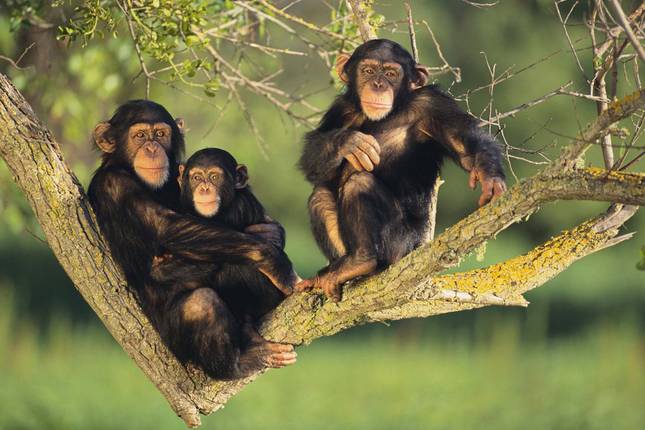
The Social Structure of Chimpanzees in Kibale: An Observer’s Guide
Discover the fascinating social structure of chimpanzees in Kibale Forest National Park. Learn how chimpanzees live, communicate, hunt, and bond during unforgettable chimpanzee tracking experiences with Mandrill African Safaris.
Introduction: Why Kibale’s Chimpanzees Are So Special
Kibale Forest National Park is widely regarded as the primate capital of Africa, home to over 1,500 chimpanzees and 12 other primate species. While most visitors come for chimpanzee tracking in Kibale, few truly understand what they are observing beyond playful behavior and loud calls.
Chimpanzees are among the most socially complex animals on Earth. Their societies are dynamic, political, emotional, and surprisingly human-like. For travelers, researchers, and wildlife enthusiasts, understanding the social structure of chimpanzees in Kibale transforms a simple forest walk into a deeply meaningful wildlife encounter.
This observer’s guide by Mandrill African Safaris explores how chimpanzee communities are organized, how they communicate, and what you should look for during your chimpanzee trekking experience in Uganda.
Kibale Forest National Park: A Social Laboratory for Chimpanzees
Kibale Forest National Park, located in western Uganda near Fort Portal, covers approximately 795 square kilometers of tropical rainforest. Its dense canopy, fruit abundance, and year-round water supply make it ideal for sustaining large chimpanzee communities.
Several chimpanzee communities in Kibale—such as Kanyanchu and Ngogo—have been studied for decades, providing some of the most detailed insights into chimpanzee social behavior anywhere in the world.
High-ranking SEO keywords used naturally:
-
Chimpanzee tracking in Kibale
-
Kibale Forest National Park chimpanzees
-
Uganda chimpanzee trekking
-
Primate safaris in Uganda
Understanding Chimpanzee Society: The Fission–Fusion System
Unlike gorillas, chimpanzees do not live in one stable group all day. Instead, they use a fission–fusion social system.
What Is a Fission–Fusion Society?
-
The entire community may include 30–150 individuals
-
The group splits (fission) into smaller parties during the day
-
These subgroups merge (fusion) again later
This flexible system allows chimpanzees to:
-
Reduce competition for food
-
Adjust to fruit availability
-
Strengthen selective social bonds
As an observer, you may see only a small subgroup during your trek—but they are part of a much larger, tightly connected community.
Male Dominance and Hierarchies in Kibale Chimpanzees
Alpha Males: Leadership Through Strength and Strategy
Chimpanzee societies in Kibale are male-dominated, and every community has an alpha male. However, leadership is not just about physical power.
Alpha males maintain their status through:
-
Strategic alliances
-
Grooming relationships
-
Displays of dominance (branch shaking, charging)
-
Political intelligence
Rank changes can occur, and leadership struggles are common—something researchers and lucky visitors occasionally witness.
Coalition Building
Male chimpanzees often form coalitions, supporting one another during conflicts. These alliances are key to maintaining or challenging dominance.
 Observer tip: Watch for males grooming each other frequently—this often signals political alliances.
The Role of Females in Chimpanzee Society
Though males dominate leadership, female chimpanzees play a critical social role.
Female Independence
In Kibale:
-
Females often forage alone or with offspring
-
They avoid aggressive males when possible
-
Many migrate to new communities at maturity to prevent inbreeding
Maternal Bonds
The bond between a mother and her infant is one of the strongest in the animal kingdom. Young chimpanzees depend on their mothers for:
-
Food choices
-
Social learning
-
Protection
Observers often see young chimps clinging to their mothers or playfully exploring nearby.
Communication: How Chimpanzees Stay Connected
Chimpanzees are master communicators, using vocalizations, facial expressions, gestures, and body language.
Common Chimpanzee Sounds in Kibale
-
Pant-hoots – Long-distance calls to locate group members
-
Screams – During conflict or excitement
-
Grunts – Reassurance or submission
-
Drumming – Striking tree buttresses to announce presence
These sounds echo through the forest and often lead trackers directly to chimpanzee groups.
Grooming: The Glue of Chimpanzee Society
Grooming is not just about cleanliness—it is social currency.
Chimpanzees groom to:
-
Strengthen alliances
-
Reduce tension
-
Show submission or affection
High-ranking individuals often receive more grooming, reinforcing their status.
Observer tip: Long grooming sessions usually signal strong social bonds or political negotiations.
Cooperation, Hunting, and Shared Meals
One of the most fascinating aspects of Kibale chimpanzees is cooperative hunting.
Group Hunting Behavior
Chimpanzees hunt:
-
Red colobus monkeys
-
Small mammals
Hunts are organized, with individuals taking different roles such as:
-
Drivers
-
Blockers
-
Ambushers
Meat is then shared—often strategically—to strengthen alliances.
Conflict, Territory, and Defense
Chimpanzee communities in Kibale maintain clearly defined territories.
-
Boundary patrols are common
-
Encounters with rival groups can be violent
-
Males cooperate to defend territory
These behaviors highlight the importance of social unity and cooperation for survival.
What Observers Can Learn During Chimpanzee Tracking in Kibale
Chimpanzee tracking with Mandrill African Safaris is more than a wildlife activity—it is a lesson in social intelligence.
During your trek, you may observe:
-
Power struggles
-
Maternal care
-
Playful juveniles
-
Conflict resolution
-
Emotional expressions
Understanding these behaviors enhances appreciation and ethical wildlife viewing.
Conservation and Responsible Tourism
Chimpanzees are classified as Endangered due to:
-
Habitat loss
-
Disease transmission
-
Poaching
Responsible chimpanzee tourism supports:
-
Local communities
-
Conservation research
-
Forest protection
Mandrill African Safaris follows strict chimpanzee tracking guidelines to ensure minimal disturbance and maximum conservation impact.
FAQs: Chimpanzees in Kibale Forest National Park
1. How many chimpanzees live in Kibale Forest National Park?
Kibale is home to an estimated 1,500 chimpanzees, making it one of the largest populations in Africa.
2. Is chimpanzee tracking in Kibale guaranteed?
Chimpanzee tracking success rates are over 90%, thanks to habituated groups and expert trackers.
3. What is the best time to observe chimpanzee social behavior?
Early mornings and fruiting seasons (March–May and September–November) offer the best chances.
4. How close can visitors get to chimpanzees?
Visitors must maintain a safe distance of 8 meters to protect both chimpanzees and humans.
5. How long does a chimpanzee tracking experience last?
Tracking usually lasts 2–4 hours, including one hour spent observing the chimpanzees.
6. Is Kibale suitable for first-time safari travelers?
Yes. Kibale is accessible, well-managed, and ideal for travelers interested in primates and nature.
Why Visit Kibale with Mandrill African Safaris?
At Mandrill African Safaris, we believe that understanding wildlife deepens respect for nature. Our expertly guided chimpanzee tracking safaris in Kibale are designed to combine:
-
Education
-
Conservation
-
Authentic African experiences
Whether you are a wildlife enthusiast, photographer, or first-time visitor to Uganda, Kibale’s chimpanzees will leave a lasting impression.


