

Unique Species & Behavioral Observations in Africa: Beyond the Big Five
2026-02-04
The Secret Life of the Shoebill Stork: Where to Find Them in Uganda
2026-02-04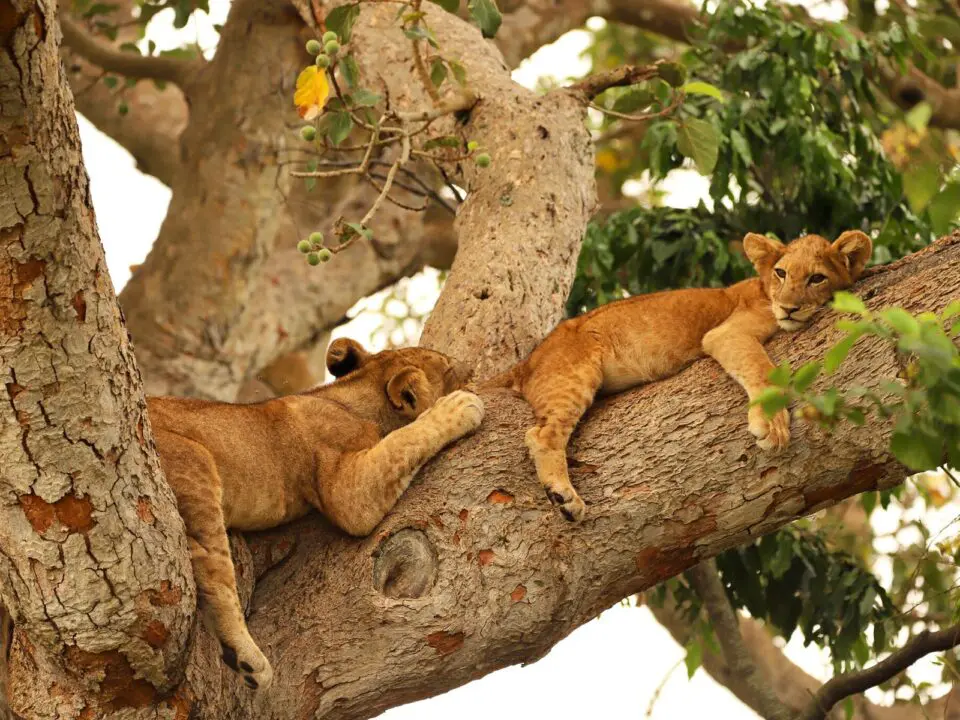
Unlocking the Secrets of Uganda’s Tree-Climbing Lions in Ishasha
Uganda is world-famous for mountain gorillas, powerful waterfalls, and vast savannahs—but hidden in the remote southern sector of Queen Elizabeth National Park lies one of Africa’s rarest wildlife wonders: the tree-climbing lions of Ishasha. Unlike typical lions that lounge on open plains, these extraordinary predators spend hours resting high up in fig and acacia trees, offering visitors one of the most surreal safari experiences on the continent.
At Mandrill African Safaris, we take you deep into Ishasha to uncover the mystery, behavior, and best ways to see Uganda’s iconic tree-climbing lions on a truly authentic African safari.
Where Is Ishasha and Why Is It Special?
Ishasha Sector is located in the southern part of Queen Elizabeth National Park, bordering the Democratic Republic of Congo. This remote and less-visited region is defined by open savannah, winding river channels, and massive fig trees—perfect habitat for wildlife and ideal conditions for tree-climbing lions.
Unlike the busier Kasenyi Plains, Ishasha offers:
-
Fewer safari vehicles
-
A raw, untouched wilderness feel
-
Exclusive wildlife encounters
-
Higher chances of relaxed lion sightings
This makes Ishasha a top choice for travelers seeking off-the-beaten-path Uganda safaris.
What Are Tree-Climbing Lions?
Tree-climbing lions are not a different species, but a unique behavioral adaptation seen in only a few places in Africa—most famously Ishasha (Uganda) and Lake Manyara (Tanzania).
In Ishasha, lions are frequently spotted:
-
Draped over thick fig tree branches
-
Sleeping 5–10 meters above the ground
-
Watching herds of Uganda kob and buffalo below
Seeing a full-grown male lion balanced effortlessly in a tree is both puzzling and unforgettable.
Why Do Lions Climb Trees in Ishasha?
While researchers continue to study this rare behavior, several well-supported theories explain why Ishasha lions climb trees:
1. Escape from Heat and Insects
The Ishasha plains can be extremely hot. Trees provide:
-
Cool breezes
-
Shade from intense equatorial sun
-
Relief from biting tsetse flies and ground insects
2. Better Hunting Advantage
From elevated positions, lions can:
-
Observe prey movements
-
Plan ambushes more efficiently
-
Track herds across the open savannah
3. Territorial Surveillance
Climbing trees allows dominant lions to:
-
Monitor rival prides
-
Guard cubs
-
Survey large territories along the Ishasha River
4. Learned Behavior
Many experts believe this behavior is passed down through generations, making Ishasha lions culturally unique.
Best Time to See Tree-Climbing Lions in Ishasha
Tree-climbing lions can be seen year-round, but timing matters for the best sightings.
Best Months:
-
June to September (Dry season – best visibility)
-
December to February (Short dry season)
During dry months:
-
Grass is shorter
-
Lions spend more time resting in trees
-
Roads are more accessible
Early morning and late afternoon game drives offer the highest chances of spotting lions in trees.
What Other Wildlife Can You See in Ishasha?
An Ishasha safari is not just about lions. The region hosts a rich variety of wildlife, including:
-
Uganda kob
-
African buffalo
-
Topi and waterbuck
-
Elephants
-
Hyenas
-
Leopards (occasionally spotted)
-
Over 300 bird species
This makes Ishasha ideal for photography safaris, birding tours, and slow safaris focused on behavior rather than speed.
Ishasha and Gorilla Trekking: The Perfect Safari Combination
One of Ishasha’s biggest advantages is its strategic location. It lies between:
-
Queen Elizabeth National Park
-
Bwindi Impenetrable National Park
This allows travelers to combine:
-
Tree-climbing lion safaris
-
Chimpanzee tracking (Kyambura Gorge)
-
Gorilla trekking in Bwindi
At Mandrill African Safaris, we specialize in custom Uganda itineraries that seamlessly connect Ishasha with gorilla experiences—saving time and maximizing wildlife encounters.
How Mandrill African Safaris Enhances Your Ishasha Experience
Seeing tree-climbing lions requires patience, expert tracking, and deep local knowledge. Our advantage lies in:
-
Experienced Uganda Wildlife Authority–certified guides
-
Real-time communication with rangers
-
Carefully timed game drives
-
Custom safari vehicles for photography
-
Ethical, low-impact safari practices
We don’t rush sightings—we let nature unfold.
Where to Stay in Ishasha
Accommodation in Ishasha ranges from comfortable mid-range lodges to luxury eco-camps, all designed to blend into the wilderness.
Popular options include:
-
Ishasha Wilderness Camp
-
Enjojo Lodge
-
Topi Lodge
Mandrill African Safaris selects lodges based on:
-
Proximity to lion territories
-
Comfort and safety
-
Sustainability practices
Conservation Challenges Facing Tree-Climbing Lions
Despite their fame, Ishasha’s lions face serious threats:
-
Human-wildlife conflict
-
Habitat encroachment
-
Poaching
-
Climate change impacts
By choosing responsible operators like Mandrill African Safaris, your visit directly supports:
-
Community conservation initiatives
-
Ranger patrols
-
Sustainable tourism models
Tourism plays a vital role in protecting these rare lions.
Tips for Photographing Tree-Climbing Lions
To capture the perfect shot:
-
Use a zoom lens (200–400mm recommended)
-
Keep your camera ready during game drives
-
Listen carefully to your guide
-
Be patient—lions may stay in trees for hours
Morning light provides the best contrast for photography.
Why Ishasha Is a Must-Visit on Any Uganda Safari
Few wildlife experiences rival the thrill of spotting a lion lounging in a tree against a vast African sky. Ishasha offers:
-
Rare animal behavior
-
Fewer crowds
-
Authentic wilderness
-
Perfect safari-gorilla combinations
It’s one of Uganda’s best-kept secrets—and one Mandrill African Safaris is proud to share with the world.
Frequently Asked Questions (FAQs)
Are tree-climbing lions guaranteed to be seen in Ishasha?
While wildlife sightings are never guaranteed, Ishasha has one of the highest success rates for tree-climbing lion sightings in Africa, especially during the dry season.
Is Ishasha safe for tourists?
Yes. Ishasha is a protected area managed by Uganda Wildlife Authority and is safe when explored with licensed safari guides.
How many days should I spend in Ishasha?
We recommend 1–2 nights to allow multiple game drives and increase sighting chances.
Can I combine Ishasha with gorilla trekking?
Absolutely. Ishasha is perfectly located en route to Bwindi Impenetrable National Park, making it ideal for combined safaris.
What is the best safari vehicle for Ishasha?
A 4×4 safari vehicle is essential, especially during the rainy season.
Plan Your Ishasha Safari with Mandrill African Safaris
Unlock the secrets of Uganda’s tree-climbing lions with a team that understands the land, the wildlife, and the stories behind every sighting.
Mandrill African Safaris offers tailor-made Uganda safaris that go beyond the ordinary—crafted for travelers who want meaning, authenticity, and unforgettable wildlife encounters.


