

Beyond Gorillas: Searching for the Rare Rothschild Giraffe in Kidepo Valley
2026-02-02
Inside the Rhino Fund Uganda: Protecting the Ziwa Population
2026-02-02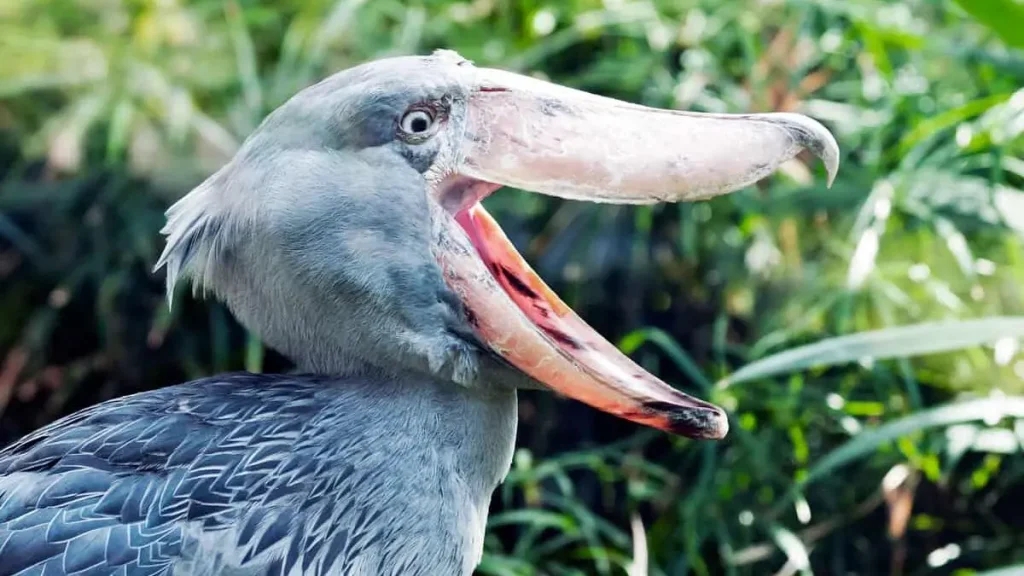
How Uganda Is Saving the Rare Shoebill Stork: The Ultimate Birding Guide
Uganda is increasingly celebrated as one of Africa’s top birding destinations, and at the heart of this recognition lies one of its most iconic and enigmatic inhabitants — the Shoebill Stork (Balaeniceps rex). With its prehistoric looks, massive shoe-shaped bill, and elusive nature, the Shoebill has captivated birders and wildlife enthusiasts around the world. In Uganda, a blend of community conservation, protected wetland management, and ethical eco-tourism is helping to safeguard this vulnerable species while offering unforgettable birding experiences.
Why the Shoebill Stork Is So Special
The Shoebill Stork is not just another large bird — it’s one of the rarest and most sought-after birds in Africa. Often called a “living dinosaur” because of its ancient lineage and unmistakable profile, the Shoebill stands over 1.2 m tall with a wingspan that can exceed 2.5 m. This solitary bird hunts patiently in papyrus swamps and shallow waters, feeding mainly on lungfish, catfish, and reptiles.
Despite its fame, the Shoebill is listed as vulnerable on the IUCN Red List due to habitat loss, disturbance, and illegal trade. Worldwide estimates suggest there are only about 3,300 to 5,300 Shoebills left, making each sighting a precious moment for birders.
Uganda: A Sanctuary for the Shoebill
Mabamba Swamp — The Heart of Shoebill Conservation
The most famous place to see the Shoebill in Uganda — and arguably the world — is Mabamba Swamp on the northern edge of Lake Victoria. This vast papyrus wetland covers over 2,424 hectares of critical habitat and is designated both a Ramsar Wetland of International Importance and an Important Bird Area (IBA).
Mabamba is more than a wildlife hotspot; it’s a conservation success story. In the past, Shoebills were sometimes hunted here, but today local communities play a central role in protecting these birds. Through community-run tourism and eco-guiding programs, residents now benefit economically from conservation — a powerful example of how sustainable tourism can shift mindsets and protect wildlife.
A typical birding experience in Mabamba Swamp involves a quiet canoe ride through narrow channels of papyrus. Guides expertly navigate the maze, drawing your attention to the unmistakable silhouette of a Shoebill standing motionless — often for minutes at a time — before it strikes at prey with lightning speed.
Other Top Shoebill Viewing Destinations in Uganda
While Mabamba is the flagship site, Uganda offers other excellent birding spots where Shoebill sightings are possible:
Murchison Falls National Park — Albert Nile Delta
The vast floodplains and delta channels where the Nile River meets Lake Albert offer another stronghold for Shoebills. Early morning boat safaris along the river provide excellent opportunities to spot them amid the wetlands, alongside other waterbirds and wildlife like hippos and elephants.
Ziwa Rhino Sanctuary — Lugogo Swamp
While Ziwa is best known for rhino tracking, its marshy trails are home to resident Shoebills. Guided canoe trips into Lugogo Swamp give visitors the chance to see these rare birds and explore the sanctuary’s rich biodiversity.
Semuliki National Park & Lugogo Wetlands
In western Uganda, Semuliki and the Lake Kyoga wetlands like Lugogo offer quieter, more off-the-beaten-path shoebill birding. These areas are rich in birdlife and provide unforgettable encounters for seasoned birders seeking solitude and diversity.
Community and Conservation: Uganda’s Winning Formula
Empowering Local Communities
One of the most remarkable aspects of Shoebill conservation in Uganda is the deep community involvement. Groups like the Mabamba Wetland Eco-tourism Association (MWETA) bring together fishermen, guides, farmers, and artisans who depend on the wetland’s health for their livelihoods. These communities receive training in sustainable monitoring, tourism guiding, and habitat protection.
Through programs supported by international partners, including the EDGE (Evolutionarily Distinct & Globally Endangered) Fellowship, local youth and scientists conduct monthly surveys, collect vital data on Shoebill populations, and help develop long-term conservation strategies.
Positive Impact Through Eco-Tourism
Eco-tourism has fundamentally changed how people view the Shoebill. Instead of seeing it as a threat or nuisance, communities now recognize its value as a rare wildlife treasure that draws visitors from around the world. This shift has decreased harmful practices like hunting and habitat degradation and increased awareness of the importance of wetlands.
Visitors to Mabamba and other sites support conservation directly through entrance fees, local guide hiring, and use of community-operated lodges and services — a sustainable cycle that benefits people and wildlife alike.
Best Time to Spot the Shoebill in Uganda
Timing matters if you want a successful Shoebill sighting:
Dry Seasons
-
December to February
-
June to August
During these months, water levels are lower, concentrating fish and drawing Shoebills into clearer hunting zones. Early mornings, from 6:00 to 9:00 AM, are particularly productive for sightings and iconic photography opportunities.
Wet Season Viewing
Although the wet season sees higher water levels, Shoebills are still present and active. Fewer visitors during this time also mean a quieter, more personal experience — especially for photographers craving solitude and stillness.
Birding Tips for Shoebill Hunters
Whether you’re a seasoned birder or a nature photographer, here are some tried-and-true tips:
 Use a Telephoto Lens – Shoebills often stand still but at a distance. A telephoto lens (300 mm+) helps you capture crisp shots without disturbing these shy birds. Be Patient – Shoebills can remain motionless for long periods. Quiet patience often rewards you with the most memorable sightings. Go with Local Guides – Their deep knowledge of bird behavior and local habitats dramatically increases your chances of finding Shoebills. Respect Wildlife Etiquette – Avoid loud noises or attempts to lure birds out for photos. Ethical birding keeps the Shoebill safe and undisturbed.
Combining Shoebill Birding With Other Ugandan Safaris
One of Uganda’s greatest travel advantages is diversity. With Mandrill African Safaris, you can combine your Shoebill adventure with:
-
 Gorilla Trekking in Bwindi or Mgahinga
-
 Chimpanzee Tracking in Kibale Forest
-
 Wildlife Game Drives in Queen Elizabeth & Murchison Falls
-
 Cultural Tours and Community Visits
-
 Photography Focus Tours
Shoebill birding is often best as part of a personalized itinerary — whether you choose a day trip from Entebbe or a multi-day Uganda birding safari, Mandrill African Safaris designs tours that match your interests, pace, and budget.
Getting to Uganda and Planning Your Trip
Most international travelers arrive at Entebbe International Airport, just a short drive from Mabamba Swamp — making it easy to begin your birding journey right away. Road transfers or scenic boat rides on Lake Victoria bring you into the heart of the wetlands.
Mandrill African Safaris can organize:
-
airport transfers
-
local flights or road journeys
-
professional birding guides
-
lodging from budget to luxury
-
customized bird checklists and equipment support
Final Thoughts: Why Uganda Is the Shoebill Capital
Uganda’s success in conserving the Shoebill Stork is a testament to community empowerment, protected wetlands, and responsible tourism. From the serene waters of Mabamba to the expansive deltas of Murchison Falls, Uganda offers some of the best opportunities on the planet to witness this rare bird in its natural environment.
Whether you’re an avid birder, a conservation enthusiast, or a traveler chasing one of Africa’s most iconic wildlife experiences, Uganda’s Shoebill adventure awaits — and Mandrill African Safaris is ready to make it unforgettable.


