

Best Safari for Under $2,000 in Africa — Top Budget Safari Adventures
2026-01-27
Maasai Cultural Experience: An Authentic Journey into East Africa’s Living Heritage
2026-01-28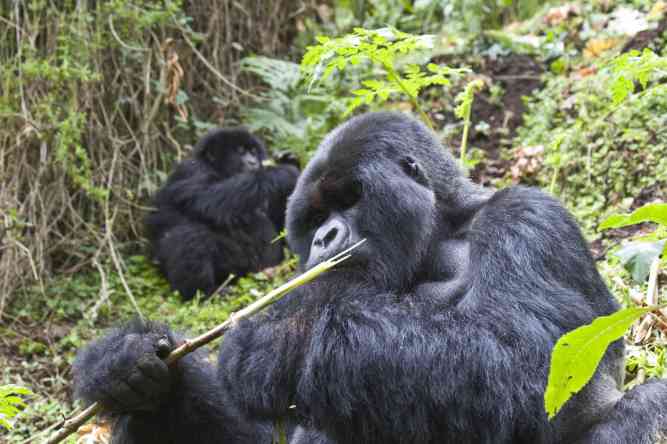
How Hard Is Gorilla Trekking? A Complete Guide for First-Time Trekkers
Gorilla trekking is often described as a once-in-a-lifetime wildlife experience—but many travelers planning their African safari ask the same question: How hard is gorilla trekking?
At Mandrill African Safaris, we get this question all the time from guests planning gorilla safaris in Uganda, Rwanda, and Gabon. The honest answer? Gorilla trekking can be physically demanding, but it is manageable, rewarding, and achievable for most people with reasonable fitness—and the unforgettable encounter with mountain or western lowland gorillas makes every step worth it.
What Is Gorilla Trekking?
Gorilla trekking involves hiking through dense tropical forests to find a habituated gorilla family in the wild. Once located, visitors are allowed to spend one magical hour observing these gentle giants as they feed, groom, and interact.
Popular gorilla trekking destinations include:
-
Bwindi Impenetrable National Park (Uganda)
-
Mgahinga Gorilla National Park (Uganda)
-
Volcanoes National Park (Rwanda)
-
Loango & Moukalaba-Doudou National Parks (Gabon)
Each destination offers a unique trekking experience, terrain, and level of difficulty.
So, How Hard Is Gorilla Trekking Really?
1. Terrain: Dense, Steep, and Wild
The biggest challenge of gorilla trekking is the terrain. Forests are thick, muddy, and uneven, with:
-
Steep slopes and valleys
-
Slippery forest floors
-
Thick vegetation requiring occasional cutting
-
Natural obstacles like roots, rocks, and streams
In Bwindi Impenetrable Forest, the name says it all—this is one of Africa’s most rugged rainforests. Treks here can be more challenging than in Rwanda, where Volcanoes National Park has more open bamboo zones and shorter hiking distances.
2. Trekking Duration: 1 to 6 Hours (Sometimes More)
Gorilla trekking duration varies widely depending on where the gorillas are on that day.
-
Short treks: 1–2 hours
-
Moderate treks: 3–4 hours
-
Long treks: 5–6+ hours
Remember, this includes both going and returning, and the pace is adjusted to the group. Rangers do their best to assign gorilla families based on your fitness level.
3. Altitude: Breathing Can Feel Harder
Most gorilla trekking areas are located at high altitude, ranging from:
-
1,500 to 3,000 meters above sea level
At these elevations, some travelers may experience shortness of breath or fatigue, especially if they’re not used to hiking uphill. Taking slow, steady steps and staying hydrated helps significantly.
4. Weather Conditions: Rain Is Common
Gorilla habitats are rainforests, meaning rain can fall at any time—even during the dry season.
Rain makes trails:
-
Slippery
-
Muddy
-
More physically demanding
That said, gorilla trekking happens year-round, and rain should never discourage you—proper gear makes a huge difference.
Is Gorilla Trekking Too Hard for Older Travelers?
This is one of the most common myths.
Age is NOT a barrier to gorilla trekking.
We’ve successfully guided:
-
Travelers in their 60s and 70s
-
Honeymooners
-
Solo travelers
-
Families with fit teenagers
If you’re concerned about fitness, Mandrill African Safaris can arrange:
-
Easier gorilla family assignments
-
Shorter trekking routes
-
Porters to carry bags and provide support
Hiring a porter is highly recommended—it supports the local community and makes your trek far more comfortable.
How Fit Do You Need to Be for Gorilla Trekking?
You don’t need to be an athlete—but you should be able to:
-
Walk uphill for several hours
-
Maintain balance on uneven ground
-
Handle humid conditions
If you can comfortably:
-
Walk 5–10 km
-
Climb stairs without extreme fatigue
-
Do light hiking
 You are fit enough for gorilla trekking.
How to Prepare for Gorilla Trekking (Essential Tips)
1. Train Before You Travel
Start preparing 2–4 weeks in advance with:
-
Regular walking
-
Stair climbing
-
Light hiking
-
Stretching exercises
2. Pack the Right Gear
Proper gear can turn a hard trek into an enjoyable one.
Must-have items include:
-
Waterproof hiking boots with ankle support
-
Long-sleeved shirts and trousers
-
Gardening gloves (for gripping vegetation)
-
Rain jacket or poncho
-
Walking stick (provided at the park)
3. Hire a Porter (Highly Recommended)
A porter will:
-
Carry your backpack
-
Help you up steep or muddy sections
-
Reduce fatigue significantly
This small cost greatly improves your trekking experience and supports local livelihoods.
Gorilla Trekking by Destination: Difficulty Comparison
Uganda (Bwindi & Mgahinga)
-
Difficulty: Moderate to Challenging
-
Best for: Adventurous travelers
-
Reward: Dense forest, fewer crowds, diverse gorilla families
Rwanda (Volcanoes National Park)
-
Difficulty: Moderate
-
Best for: First-timers, luxury travelers
-
Reward: Shorter hikes, excellent infrastructure
Gabon (Loango & Moukalaba-Doudou)
-
Difficulty: Moderate
-
Best for: Experienced travelers seeking rare western lowland gorillas
-
Reward: Remote wilderness, beach-meets-forest scenery
Is Gorilla Trekking Worth the Effort?
Absolutely—100%.
The moment you lock eyes with a silverback, watch a mother cradle her infant, or see young gorillas tumbling through the forest, all fatigue disappears.
Travelers consistently describe gorilla trekking as:
-
Life-changing
-
Emotional
-
Humbling
-
One of the most meaningful wildlife encounters on Earth
Why Choose Mandrill African Safaris for Gorilla Trekking?
At Mandrill African Safaris, we specialize in tailor-made gorilla trekking experiences across Uganda, Rwanda, and Gabon.
We ensure:
-
Proper fitness assessment and trek allocation
-
Expert local guides
-
Ethical and responsible tourism
-
Seamless logistics and comfortable accommodations
Whether you want a budget gorilla safari, a luxury gorilla trekking tour, or a combined wildlife and primates safari, we customize your trip to match your comfort and expectations.
Final Thoughts: How Hard Is Gorilla Trekking?
Gorilla trekking is physically demanding but not extreme. With the right preparation, mindset, and support, it is achievable for most travelers—and the reward is beyond words.
If you’re dreaming of seeing gorillas in the wild, don’t let fear hold you back. Let Mandrill African Safaris guide you every step of the way.


