

Meet the Batwa: The Indigenous People of Bwindi Forest
2025-11-24
Bwindi Safari Packages: How to Choose the Best Tour Operator
2025-11-25- Bwindi Community Projects
- Bwindi Cultural Tourism
- Bwindi Eco Initiatives
- Bwindi National Park Communities
- Community Conservation Bwindi
- Community Tourism Uganda
- Conservation and Communities Uganda
- Eco-Tourism in Bwindi
- Gorilla Conservation Uganda
- Local Community Support Bwindi
- Mandrill African Safaris Conservation
- Mandrill Safaris Community Engagement
- Protecting Mountain Gorillas
- Responsible Travel Uganda
- Sustainable Tourism Bwindi
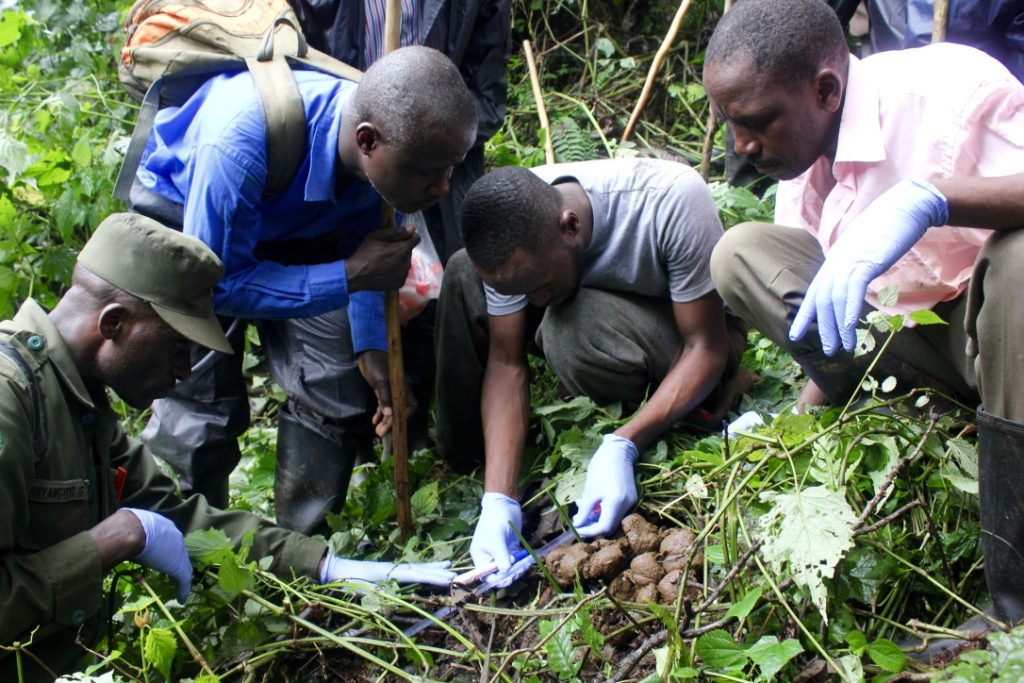
The Importance of Community Conservation Around Bwindi National Park
Discover why community conservation is essential for protecting Bwindi Impenetrable National Park. Learn how local communities, tourism partners, and Mandrill African Safaris contribute to gorilla protection, sustainable tourism, and community empowerment.
Introduction: Why Community Conservation Matters in Bwindi
Bwindi Impenetrable National Park—home to nearly half of the world’s remaining mountain gorillas—is one of Africa’s most biodiverse and culturally rich destinations. But behind its lush landscapes, thriving gorilla families, and unforgettable trekking experiences lies a critical truth: conservation cannot succeed without the support of local communities.
Community conservation around Bwindi ensures that people living close to the forest benefit from tourism, participate in wildlife protection, and adopt sustainable practices that promote harmony between humans and nature. As a leading tour operator promoting responsible travel in Uganda, Mandrill African Safaris plays an active role in supporting and showcasing community-led conservation efforts.
1. Understanding Community Conservation Around Bwindi
Community conservation refers to empowering local people to participate in protecting natural resources, managing wildlife, and benefiting from tourism. For Bwindi, which is surrounded by densely populated rural communities, the approach is essential.
Key components include:
-
Revenue-sharing from gorilla trekking permits
-
Community-based tourism enterprises
-
Local employment in tourism and conservation
-
Sustainable agriculture and alternative livelihoods
-
Education and awareness programs
-
Human–wildlife conflict mitigation
This model ensures that people see value in conserving the gorillas and the forest, reducing threats like poaching, deforestation, or land encroachment.
2. Why Community Conservation Is Important for Protecting Mountain Gorillas
Mountain gorillas are endangered and extremely sensitive to habitat loss, disease, and human conflict. Conservation success requires more than park rangers and laws—it depends on the goodwill and participation of the surrounding communities.
How communities help protect gorillas:
a) Reducing Poaching and Illegal Activities
Communities that benefit from tourism are more invested in protecting wildlife. As income from gorilla trekking flows into villages, poaching drops significantly, replaced by conservation-friendly livelihoods.
b) Supporting Habitat Protection
Local households are encouraged to use sustainable farming practices that reduce pressure on gorilla habitat. Communities also engage in activities like tree planting, beekeeping, and eco-friendly agriculture.
c) Preventing Human–Wildlife Conflict
With farms bordering the forest, community groups help monitor gorilla movements, set up buffer zones, and reduce crop-raiding conflicts. This ensures peaceful coexistence.
d) Creating Conservation Champions
When schools, youth groups, and community leaders participate in conservation education programs, a new generation of environmental stewards emerges.
Thanks to these collaborative efforts, Bwindi has become one of the world’s biggest conservation success stories.
3. Economic Benefits: How Communities Gain from Responsible Tourism
For conservation to be sustainable, people must feel its benefits. Fortunately, Bwindi is one of Africa’s most successful examples of tourism-backed community development.
a) Income from Gorilla Trekking Permits
Uganda’s policy allocates 20% of gorilla trekking revenue to community projects, which funds schools, clinics, water systems, bridges, and local roads.
b) Employment Opportunities
Local residents work as:
-
Porters
-
Guides
-
Rangers
-
Community tourism hosts
-
Craft makers
-
Lodge staff
Every gorilla trek supports hundreds of livelihoods.
c) Community-Owned Lodges and Craft Centers
Groups like the Rubuguri Community, Ride 4 a Woman, and Batwa cultural groups now operate guesthouses, weaving cooperatives, and craft shops. Tourists visiting these centers provide direct income to families.
d) Women Empowerment Initiatives
Women-led groups around Bwindi are gaining independence through handicrafts, cultural dance performances, and hospitality training. Tourism gives women the chance to earn, lead, and support conservation.
e) Sustainable Household Livelihoods
Projects like beekeeping, mushroom growing, and improved agriculture reduce forest dependence and increase food security.
When communities thrive, conservation thrives.
4. Cultural Conservation: Preserving Indigenous Heritage
Community conservation also protects the rich cultural heritage of people living around Bwindi.
The Batwa Indigenous Communities
The Batwa pygmies are the original forest inhabitants. Through cultural tourism programs, they:
-
Share their history as forest dwellers
-
Teach traditional hunting, gathering, and music
-
Support community education centers
By showcasing their culture to visitors, the Batwa gain income while preserving their identity.
Cultural tours strengthen conservation by:
-
Reducing marginalization
-
Encouraging respect for traditional ecological knowledge
-
Allowing communities to benefit from tourism
-
Educating visitors on harmonious living with nature
Mandrill African Safaris integrates these cultural experiences into itineraries to support inclusive and respectful tourism.
5. How Mandrill African Safaris Supports Community Conservation
As a responsible tour operator, Mandrill African Safaris is dedicated to ensuring that safari tourism creates meaningful change in local communities.
Our community-focused approach includes:
a) Supporting Community Tourism Enterprises
We partner with local groups such as:
-
Ride 4 a Woman
-
Rubuguri Craft Centers
-
Batwa Cultural Village
-
Nkuringo Community Tours
By bringing guests to these groups, we ensure direct income flows to families.
b) Promoting Eco-Friendly Travel Practices
We encourage visitors to:
-
Choose eco-lodges
-
Reduce plastic use
-
Respect wildlife and local cultures
-
Participate in conservation projects
c) Employing Locals
From guides to porters, we emphasize hiring from surrounding communities.
d) Conservation Education
We support awareness campaigns that teach communities about climate change, gorilla health, and responsible tourism practices.
e) Supporting Schools and Women’s Groups
Part of our long-term vision is to uplift nearby communities by supporting education, women empowerment, and youth programs.
6. Challenges Facing Community Conservation in Bwindi
While community conservation has been successful, there are still challenges that require continuous support.
a) Population Pressure Around the Park
Bwindi is surrounded by one of Uganda’s most densely populated rural areas, increasing demand for land.
b) Poverty and Limited Employment Opportunities
Without enough jobs, some families may still depend on forest resources.
c) Human–Wildlife Conflict
Gorillas and other wildlife sometimes raid crops, creating tension.
d) Limited Access to Education and Healthcare
Many communities still need better social services to reduce pressure on the forest.
By booking with responsible tour operators like Mandrill African Safaris, travelers help address these challenges directly.
7. How Tourists Can Support Community Conservation Around Bwindi
Travelers play a powerful role in sustaining community conservation.
Here’s how you can help:
a) Book with Responsible Tour Operators
Choose companies like Mandrill African Safaris that prioritize community support and ethical tourism.
b) Buy Local Handicrafts
Purchasing handmade baskets, fabrics, carvings, and artwork supports local women and youth.
c) Visit Community Projects
Include:
-
Batwa Cultural Experience
-
Ride 4 a Woman
-
Local coffee tours
-
Village walks
d) Donate to Conservation Initiatives
Support education, healthcare, and wildlife protection programs.
e) Respect Local Culture and Environment
Be mindful, ask before taking photos, and obey park guidelines.
f) Hire Local Porters During Trekking
Porters earn essential income from tourists, supporting entire families.
Every visitor has the power to leave a positive impact.
8. The Future of Community Conservation in Bwindi
The future of Bwindi’s conservation success depends on strong partnerships between:
-
Local communities
-
Uganda Wildlife Authority (UWA)
-
Conservation organizations
-
Tour operators like Mandrill African Safaris
-
Visitors
With continuous investment in communities, sustainable tourism, and gorilla protection, Bwindi will remain a global model of community-driven conservation.
Mandrill African Safaris is committed to expanding its conservation footprint through:
-
Increased community engagement
-
More eco-friendly safari packages
-
Stronger partnerships with local groups
-
Education and youth empowerment initiatives
We believe that when communities benefit, nature thrives.
Conclusion
Community conservation around Bwindi Impenetrable National Park is one of Africa’s greatest conservation success stories. It empowers local people, protects endangered gorillas, strengthens cultural heritage, and promotes sustainable tourism. As a responsible tour operator, Mandrill African Safaris is proud to support these efforts and connect travelers with meaningful, community-centered experiences.
By choosing to travel with us, you contribute directly to:
-
Gorilla conservation
-
Community development
-
Cultural preservation
-
Sustainable tourism in Uganda
Together, we can ensure that Bwindi remains a protected haven for mountain gorillas and a source of hope and opportunity for surrounding communities.


