

How Difficult Is Gorilla Trekking in Bwindi?
2025-11-20
Essential Travel Gear for Exploring Bwindi Impenetrable Forest: What Every Traveler Needs
2025-11-20- Bwindi Forest Safaris
- Bwindi Impenetrable National Park
- Community Tourism Bwindi
- Conservation Travel Uganda
- Eco-Conscious Travel Africa
- Eco-Friendly Gorilla Trekking
- Ethical Wildlife Experiences
- Gorilla Trekking Tips
- Mandrill African Safaris
- Mountain Gorilla Conservation
- Responsible Tourism East Africa
- Responsible Travel Uganda
- Sustainable Gorilla Tourism
- Uganda Eco-Tourism
- Uganda Safari Guide
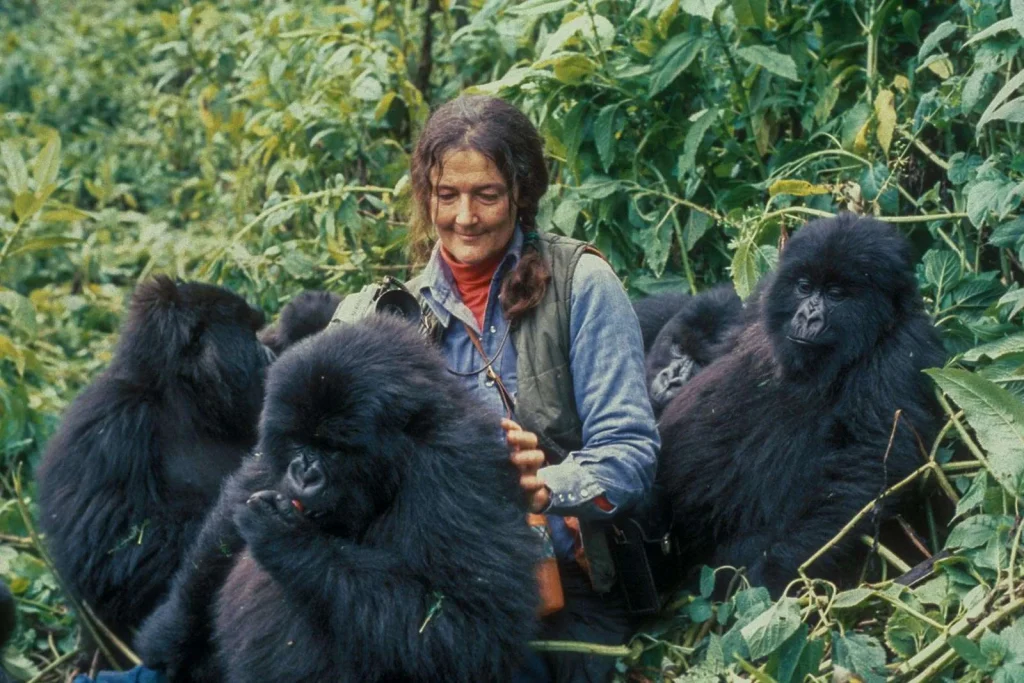
Sustainable Gorilla Tourism: How to Travel Responsibly in Bwindi
Gorilla trekking in Bwindi Impenetrable National Park is one of the most sought-after wildlife experiences in the world. Home to nearly half of the world’s remaining mountain gorillas, Bwindi offers unforgettable encounters with these gentle giants. But as demand for gorilla trekking in Uganda grows, so does the responsibility to protect the forest ecosystem and support local communities.
At Mandrill African Safaris, we champion sustainable gorilla tourism, ensuring that every visitor contributes to conservation efforts while enjoying a meaningful, eco-friendly adventure.
Understanding Sustainable Gorilla Tourism in Uganda
Sustainable gorilla tourism focuses on balancing unforgettable visitor experiences with the long-term conservation of mountain gorillas and their habitats. Bwindi’s ecosystem is delicate—small changes in human behavior can significantly impact the health and safety of gorilla families.
Uganda Wildlife Authority (UWA), together with conservation partners and tour operators like Mandrill African Safaris, has implemented regulations and community-based programs that make gorilla trekking in Uganda one of the most sustainable wildlife activities in Africa.
Key principles include:
-
Minimizing human-gorilla contact
-
Supporting local communities financially
-
Protecting forest habitats and biodiversity
-
Encouraging ethical travel practices
1. Book Your Gorilla Trek with a Responsible Tour Operator
Choosing the right operator is the first step toward sustainable tourism in Bwindi.
Why Mandrill African Safaris?
-
We promote eco-conscious travel practices.
-
We partner with conservation groups and community projects.
-
We offer small-group gorilla trekking tours to limit environmental impact.
-
We ensure all activities follow UWA guidelines.
Travelling with a responsible operator ensures that your money directly supports Bwindi conservation efforts, ranger welfare, and community development.
2. Follow Gorilla Trekking Rules Strictly
The Uganda Wildlife Authority enforces trekking rules designed to protect gorillas from stress and disease. To travel responsibly, visitors must follow these guidelines:
Maintain a 7–10 meter distance
Mountain gorillas share about 98% of human DNA, making them extremely susceptible to human diseases.
Wear a mask during gorilla viewing
Masks reduce the risk of transmitting respiratory infections.
Do not visit the gorillas when sick
Even a common cold can be dangerous to gorilla groups.
Avoid eating, drinking, or littering in the forest
Waste can attract wildlife, alter their natural behavior, or spread disease.
Keep your voice low and avoid sudden movements
This ensures a calm and peaceful environment for gorillas.
By respecting these rules, you help maintain a healthy balance between tourism and wildlife protection.
3. Choose Eco-Friendly Accommodation in Bwindi
Supporting lodges that follow sustainable and eco-friendly practices makes your visit even more impactful. Many lodges around Buhoma, Ruhija, Rushaga, and Nkuringo have invested in:
-
Solar-powered systems
-
Rainwater harvesting
-
Waste recycling programs
-
Locally sourced food and materials
-
Community employment programs
Mandrill African Safaris can help you book eco-lodges that align with your values, ensuring your stay directly contributes to conservation and community livelihoods.
4. Support Local Communities Around Bwindi
Communities living near Bwindi are essential partners in gorilla conservation. By supporting them, you directly reduce human–wildlife conflict and strengthen the benefits of responsible tourism.
Ways you can support local communities:
-
Buy handicrafts from local artisans
-
Participate in cultural tours, dances, or storytelling experiences
-
Donate to community projects such as schools or health centers
-
Hire local porters to carry your backpack during trekking
Using porters is one of the most impactful ways to support families economically while also providing employment to youth around the park.
5. Minimize Your Environmental Footprint
Traveling responsibly in Bwindi includes reducing your ecological impact.
Practical tips:
-
Carry a reusable water bottle instead of buying plastic.
-
Choose eco-friendly toiletries.
-
Stay on the designated trekking trails.
-
Avoid touching vegetation unnecessarily.
-
Pack lightweight and avoid overconsumption.
-
Dispose waste properly (never leave anything behind in the forest).
By making small, conscious decisions, you help preserve Bwindi’s fragile rainforest ecosystem.
6. Respect the Cultural Heritage of the Batwa
The Batwa, also known as the “Keepers of the Forest,” were the original inhabitants of Bwindi. Sustainable gorilla tourism encourages visitors to respect and uplift their cultural heritage.
A Batwa cultural tour offers:
-
Traditional music and dance
-
Storytelling about their forest lifestyle
-
Insights into medicinal plants and ancient survival skills
-
Opportunities to support Batwa community projects
Participating in their experiences provides income and helps preserve their rich cultural identity.
7. Learn About Gorilla Conservation Efforts
Before and after your trek, take time to learn about the strategies used to protect mountain gorillas. This enhances your appreciation of the experience and inspires long-term conservation support.
Key programs include:
-
Habituation and monitoring of gorilla families
-
Anti-poaching patrols and ranger welfare
-
Veterinary interventions by Gorilla Doctors
-
Community-based tourism partnerships
-
Forest restoration and biodiversity studies
Mandrill African Safaris can arrange educational sessions that help you understand how your visit contributes to protecting gorilla populations.
8. Travel in Small Groups to Reduce Environmental Pressure
Small-group travel minimizes disturbance in the forest and ensures a more intimate trekking experience. Mandrill African Safaris supports restricted group sizes for every trek, ensuring that:
-
Gorilla families face minimal stress
-
Ranger teams can monitor visitor behavior more effectively
-
The forest ecosystem remains undisturbed
This model keeps Bwindi safe and allows gorilla trekking to remain sustainable for generations.
9. Offset Your Carbon Footprint
Eco-friendly travelers can take an extra step by offsetting carbon emissions from flights and road transfers. Several organizations support tree-planting and forest restoration programs in Uganda.
Ask Mandrill African Safaris to recommend trusted carbon-offset partners who work directly with local conservation groups.
Conclusion: Your Role in Protecting Bwindi’s Mountain Gorillas
Sustainable gorilla tourism ensures that visitors don’t just come to see mountain gorillas—they become part of the conservation story. When you choose Mandrill African Safaris, respect trekking rules, support local communities, and travel responsibly, you help protect Bwindi’s forests and secure a future for these magnificent primates.


