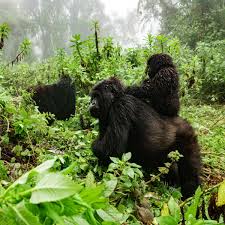
What is the Difference Between Gorilla Trekking and Gorilla Habituation in Bwindi?
Introduction
Bwindi Impenetrable National Park in southwestern Uganda is one of the most sought-after safari destinations in Africa. Recognized as a UNESCO World Heritage Site, Bwindi is home to almost half of the world’s remaining mountain gorillas. Tourists visiting the park can choose between two unique experiences: gorilla trekking and gorilla habituation.
While both offer the unforgettable opportunity to come face-to-face with the endangered mountain gorillas, the activities differ in cost, time, and level of interaction. At Mandrill African Safaris, we often receive questions from travelers about which experience suits them best. This article breaks down the major differences between gorilla trekking and gorilla habituation in Bwindi, helping you make the right choice for your safari.
What is Gorilla Trekking in Bwindi?
Gorilla trekking is the most popular activity in Bwindi Impenetrable National Park. It involves hiking through the dense forest to locate one of the fully habituated gorilla families. These families have undergone years of habituation by researchers, making them accustomed to human presence.
-
Duration of the trek: 30 minutes to 6 hours, depending on where the gorillas are located.
-
Time with gorillas: Once you find them, you are allowed one magical hour to observe and photograph the gorillas as they feed, groom, play, or rest.
-
Group size: Each gorilla group can only be visited by a maximum of 8 tourists per day.
-
Permit cost: In Uganda, a gorilla trekking permit costs USD 800 per person (as of 2025).
Gorilla trekking is ideal for travelers who want to witness gorillas in their natural habitat but within a shorter timeframe and at a lower cost compared to habituation.
What is Gorilla Habituation in Bwindi?
Gorilla habituation is a more exclusive and immersive experience available only in Bwindi Impenetrable National Park, specifically in the southern sector of Rushaga. Unlike trekking, habituation allows you to join researchers and conservationists as they continue the process of training gorillas to get used to human presence.
-
Duration of the trek: 1 to 6 hours of hiking through the forest.
-
Time with gorillas: Once located, you spend up to 4 hours with the gorilla family, much longer than the one-hour limit for trekking.
-
Group size: Only 4 tourists per day are allowed to join a habituation team.
-
Permit cost: A gorilla habituation permit costs USD 1,500 per person (as of 2025).
This experience is ideal for wildlife enthusiasts, researchers, or photographers who want to gain deeper insights into gorilla behavior and spend more quality time in close proximity to these great apes.
Key Differences Between Gorilla Trekking and Gorilla Habituation
| Aspect |
Gorilla Trekking |
Gorilla Habituation |
| Permit Cost |
USD 800 |
USD 1,500 |
| Time with Gorillas |
1 hour |
4 hours |
| Group Size |
8 people per group |
4 people per group |
| Focus |
Tourist experience |
Research + tourist experience |
| Location |
Available in all sectors of Bwindi (Buhoma, Ruhija, Rushaga, Nkuringo) |
Only in Rushaga sector of Bwindi |
| Accessibility |
Easier to book (more permits available) |
Very limited permits, book early |
| Experience Level |
Suitable for general tourists |
Best for adventurers, photographers, researchers |
Which Experience Should You Choose?
The choice between gorilla trekking and gorilla habituation depends on your budget, interest, and time.
-
If you want a shorter, more affordable, yet still life-changing encounter, gorilla trekking is the right choice.
-
If you are a wildlife enthusiast or photographer seeking a deeper, more immersive adventure and don’t mind the higher cost, then gorilla habituation is worth every penny.
At Mandrill African Safaris, we recommend combining both if your schedule and budget allow—start with a habituation experience to learn in-depth about gorillas, and then finish with a trekking adventure for a different perspective.
Practical Tips for Both Activities
-
Book permits early – Both trekking and habituation permits are in high demand. Secure yours at least 6 months in advance.
-
Get physically prepared – Bwindi is called “Impenetrable” for a reason. Trails are steep, slippery, and thick with vegetation. Regular exercise before your trip will help.
-
Pack right – Bring waterproof boots, gloves, a rain jacket, energy snacks, and enough drinking water.
-
Hire a porter – Local porters help carry your bag and provide support on the steep terrain. This also contributes to the local community.
-
Respect gorilla rules – Keep a 7-meter distance, avoid flash photography, and do not trek if you are sick to protect the gorillas.
Why Book with Mandrill African Safaris?
At Mandrill African Safaris, we specialize in designing tailor-made Uganda safaris that highlight the best of Bwindi and beyond. Our expert guides ensure you have the most rewarding gorilla trekking or habituation experience. We handle everything from permit booking, transportation, accommodation, to guiding services, so you can focus on the adventure.
Whether you dream of the one-hour magical trek or the four-hour immersive habituation, our team will craft an itinerary that suits your interests, budget, and time. With us, your safari is not just a trip—it’s a life-changing journey.
Conclusion
Both gorilla trekking and gorilla habituation in Bwindi offer unforgettable opportunities to connect with one of the world’s rarest primates. The main differences lie in cost, time, group size, and purpose. Trekking is shorter and more affordable, while habituation is longer, more exclusive, and research-focused.