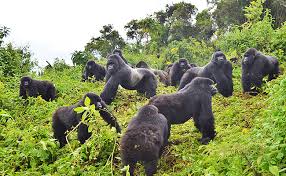
Why Volcanoes National Park Is a Must-Visit for Nature Lovers
2025-07-30Uganda vs Rwanda: Which Is Better for Gorilla Tracking?
2025-08-01Gorilla Trekking in Uganda and Rwanda: A Side-by-Side Comparison
Planning a gorilla trek in Africa? Discover the key differences between gorilla trekking in Uganda vs Rwanda, from permit costs and terrain to accessibility and experiences. Mandrill African Safaris helps you choose the best destination.
Introduction
Gorilla trekking in Africa is one of the most unforgettable wildlife encounters you can experience. Coming face-to-face with a mountain gorilla in its natural habitat is a dream for many adventurers, wildlife lovers, and conservationists. The top two destinations for this once-in-a-lifetime experience are Uganda and Rwanda. But how do you decide which country is right for your gorilla trek?
At Mandrill African Safaris, we offer tailor-made gorilla trekking safaris in both countries and understand the subtle but significant differences between the two. In this side-by-side comparison, we break down the key factors—permits, accessibility, terrain, accommodations, overall experience, and more—to help you make the best choice for your African adventure.
1. Gorilla Trekking Destinations: Bwindi vs Volcanoes National Park
Uganda: Bwindi Impenetrable National Park & Mgahinga Gorilla National Park
Uganda offers gorilla trekking in two parks:
-
Bwindi Impenetrable National Park, home to over 20 habituated gorilla families, is the most popular destination.
-
Mgahinga Gorilla National Park offers a more intimate experience with just one habituated family (Nyakagezi), yet it’s equally rewarding.
Bwindi’s terrain is rugged and heavily forested, offering a real “jungle adventure” feel.
Rwanda: Volcanoes National Park
Rwanda’s gorilla trekking takes place in Volcanoes National Park, part of the greater Virunga Massif. The park is home to 12 habituated gorilla families. It’s characterized by bamboo forests, volcanoes, and lush greenery, often considered more open and photogenic than Bwindi.
Verdict: Uganda offers a wilder, more diverse trekking experience. Rwanda’s trails are often easier and more scenic.
2. Gorilla Trekking Permit Prices
-
Uganda: $800 per person (as of 2024)
-
Rwanda: $1,500 per person
While Rwanda has invested heavily in luxury tourism and conservation, its permits are almost twice the cost of Uganda’s. Uganda also offers the Gorilla Habituation Experience at $1,500, which allows visitors to spend four hours with gorillas instead of the usual one hour.
Verdict: Uganda is the more budget-friendly option, especially for travelers on a mid-range or long-stay safari.
3. Accessibility: Getting There
Uganda
Reaching Bwindi or Mgahinga from Entebbe International Airport requires a long road trip (8–10 hours) or a short internal flight to Kihihi or Kisoro. The drive, though lengthy, is scenic and can be combined with visits to Lake Mburo, Queen Elizabeth, or Lake Bunyonyi.
Rwanda
Volcanoes National Park is a 2–3 hour drive from Kigali International Airport on smooth tarmac roads, making it ideal for short gorilla trekking trips or weekend getaways.
Verdict: Rwanda wins for convenience and accessibility.
4. Trekking Difficulty and Terrain
-
Uganda’s Bwindi involves steep climbs, thick vegetation, and unpredictable weather, which can make treks strenuous but adventurous.
-
Rwanda’s Volcanoes NP offers gentler slopes, wide bamboo trails, and better visibility for photography.
That said, trekking difficulty in both countries varies depending on the gorilla family assigned to you and their location that day.
Verdict: Rwanda is slightly easier, while Uganda offers a more rugged jungle feel.
5. Wildlife and Safari Add-ons
Uganda
Besides gorillas, Uganda offers:
-
Chimpanzee tracking in Kibale Forest
-
Big Five game drives in Murchison Falls and Queen Elizabeth National Parks
-
Boat safaris, cultural tours, birding, and Lake Bunyonyi relaxation
Rwanda
Rwanda offers:
-
Golden monkey tracking
-
Canopy walks in Nyungwe Forest
-
Kigali city tours, genocide memorials, and luxury lodges
Verdict: Uganda offers a more diverse and affordable wildlife safari experience alongside gorilla trekking.
6. Accommodation Options
Both countries offer a range of lodges—from budget to high-end luxury.
In Uganda:
-
Budget: Buhoma Community Rest Camp, Rushaga Gorilla Camp
-
Mid-range: Ichumbi Gorilla Lodge, Mahogany Springs
-
Luxury: Sanctuary Gorilla Forest Camp, Clouds Mountain Lodge
In Rwanda:
-
Budget options are limited near Volcanoes NP.
-
Mid-range: Five Volcanoes Boutique Hotel
-
Luxury: Bisate Lodge, One&Only Gorilla’s Nest
Verdict: Uganda offers more variety in all budget ranges. Rwanda is more luxury-focused.
7. Cultural Experience
In both countries, local communities play a big role in gorilla conservation and offer:
-
Traditional dance performances
-
Village walks and homestays
-
Craft markets and storytelling
Uganda, especially around Bwindi, is known for its Batwa cultural experiences, which give deep insight into indigenous forest life.
Verdict: Uganda provides richer, more accessible community experiences.
8. Best Time to Go
Both Uganda and Rwanda are year-round destinations, but the dry seasons (June–August and December–February) are considered best for trekking due to better trail conditions.
However, traveling in the rainy season can be rewarding with fewer crowds and greener scenery—just expect muddy trails.
Final Verdict: Uganda or Rwanda?
| Feature | Uganda | Rwanda |
|---|---|---|
| Permit Cost |  More affordable |
 Expensive |
| Accessibility | Long travel |
Quick access from Kigali |
| Trekking Terrain | Adventurous |
Easier, photogenic |
| Wildlife Diversity | More variety |
Limited |
| Accommodation Range | All budgets |
Mostly luxury |
| Cultural Experience | More immersive |
High-end experiences |
Conclusion
Both Uganda and Rwanda offer incredible gorilla trekking experiences, but your choice depends on your travel goals, budget, and interests.
-
Choose Rwanda if you prefer short, luxury getaways, easier hikes, and quick access.
-
Choose Uganda if you seek affordable permits, diverse wildlife, rich culture, and a real jungle adventure.
At Mandrill African Safaris, we specialize in creating customized gorilla trekking packages in both countries. Whether you’re a solo traveler, family, or photography enthusiast, we’ll help you experience the magic of the mountain gorillas the way you’ve always imagined.