Top Combined Safari Destinations in East Africa
2026-09-21
Best East Africa Safari Routes for Wildlife and Gorilla Trekking
2026-09-22
Why Combine Uganda, Kenya and Tanzania on One African Safari?
East Africa is one of Africa’s most remarkable safari regions, offering an incredible combination of tropical forests, open savannahs, dramatic mountains, diverse cultures, and abundant wildlife. While Uganda, Kenya, and Tanzania each offer outstanding safari experiences on their own, combining the three countries on one journey allows travelers to experience several of East Africa’s most iconic attractions in a single African safari.
A Uganda, Kenya and Tanzania safari can combine mountain gorilla trekking in Uganda, spectacular wildlife viewing in Kenya, and the legendary Serengeti and Ngorongoro landscapes of Tanzania. Depending on the season and itinerary, travelers can also plan around the Great Migration, enjoy cultural encounters, explore scenic landscapes, and experience different ecosystems.
For travelers who have enough time for a longer African adventure, combining Uganda, Kenya, and Tanzania creates an itinerary with remarkable variety.
Why Combine Uganda, Kenya and Tanzania?
The biggest advantage of combining these three destinations is variety.
Uganda provides a strong primate and rainforest experience, Kenya offers classic savannah wildlife and the Maasai Mara, while Tanzania provides the Serengeti, Ngorongoro Conservation Area, Tarangire, and other spectacular wildlife destinations.
Instead of choosing between gorillas, lions, elephants, wildebeest, chimpanzees, and vast savannah landscapes, a combined itinerary can bring many of these experiences together.
A typical multi-country safari can include:
- Gorilla trekking in Uganda
- Chimpanzee tracking in Uganda
- Game drives in Queen Elizabeth National Park
- Maasai Mara wildlife safaris in Kenya
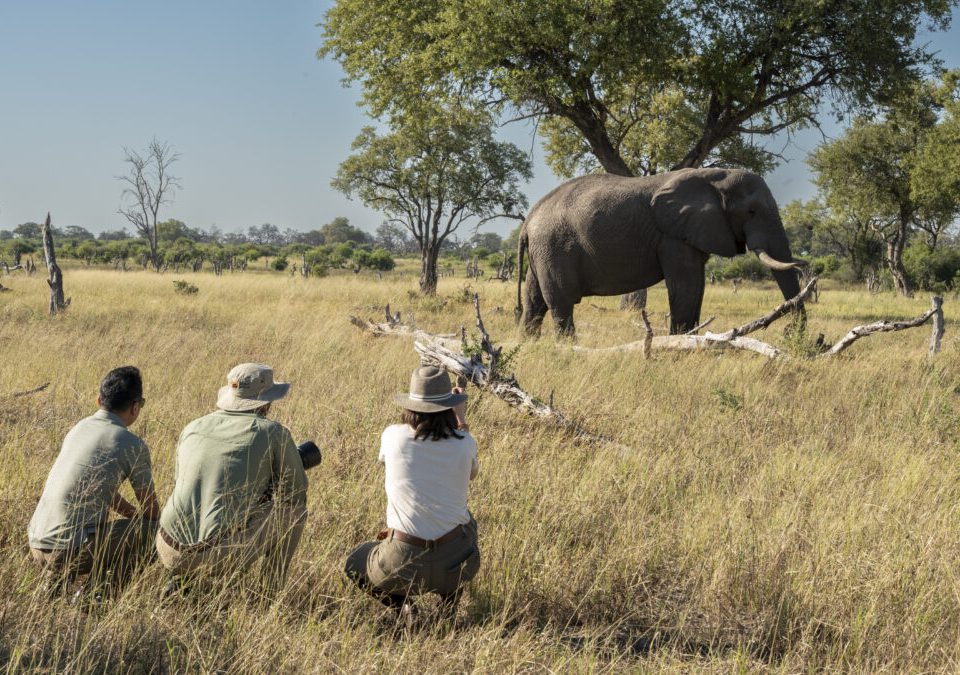
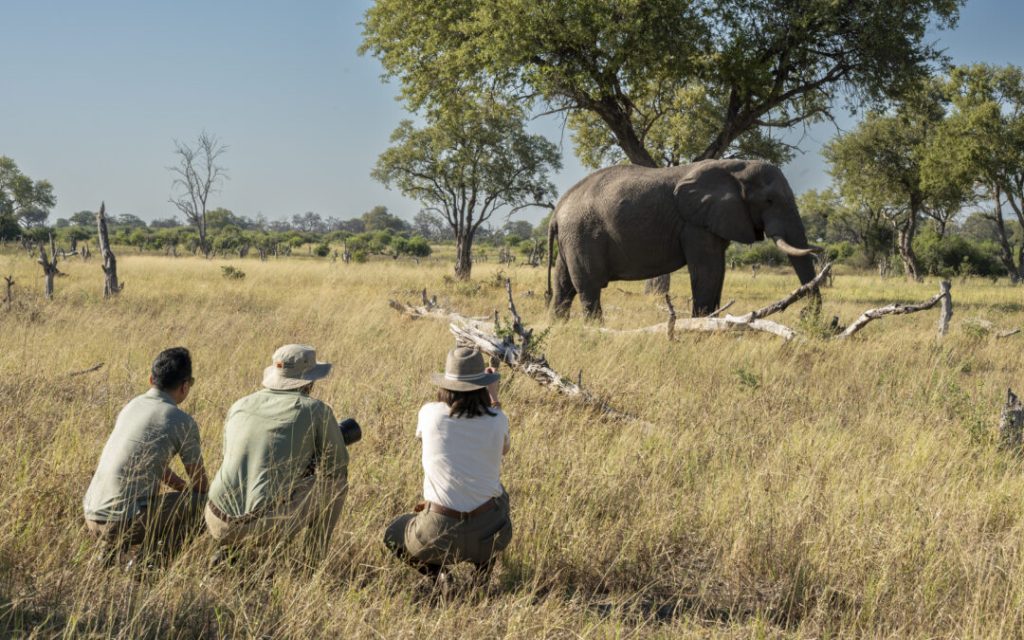
- Elephant viewing in Amboseli
- Serengeti game drives in Tanzania
- Ngorongoro Crater safaris
- Cultural experiences
- Bird watching and photography
- Great Migration viewing during suitable seasons
This makes the Uganda-Kenya-Tanzania route particularly attractive for travelers looking for a diverse East Africa safari package.
1. Experience Mountain Gorilla Trekking in Uganda
One of the strongest reasons to include Uganda in your East African safari is the opportunity to trek mountain gorillas.
Uganda’s Bwindi Impenetrable National Park and Mgahinga Gorilla National Park are home to mountain gorillas. Bwindi is divided into several trekking sectors, including Buhoma, Ruhija, Rushaga, and Nkuringo.
Gorilla trekking takes visitors into the ancient rainforest in search of habituated gorilla families. The experience combines hiking, wildlife observation, forest scenery, and conservation.
For many travelers, spending time observing a gorilla family is the centerpiece of their Uganda safari.
Adding Uganda to a Kenya and Tanzania itinerary therefore introduces an experience that is very different from traditional savannah game drives.
2. Discover Uganda’s Chimpanzees and Other Primates
Uganda offers much more than gorillas.
Kibale National Park is particularly famous for chimpanzee tracking and its rich primate diversity. Visitors can encounter chimpanzees in their natural forest environment while learning about rainforest ecology and conservation.
A Uganda section can also include Queen Elizabeth National Park, where travelers may enjoy game drives and boat cruises on the Kazinga Channel.
Depending on the itinerary, Uganda can therefore provide:
- Mountain gorillas
- Chimpanzees
- Golden monkeys
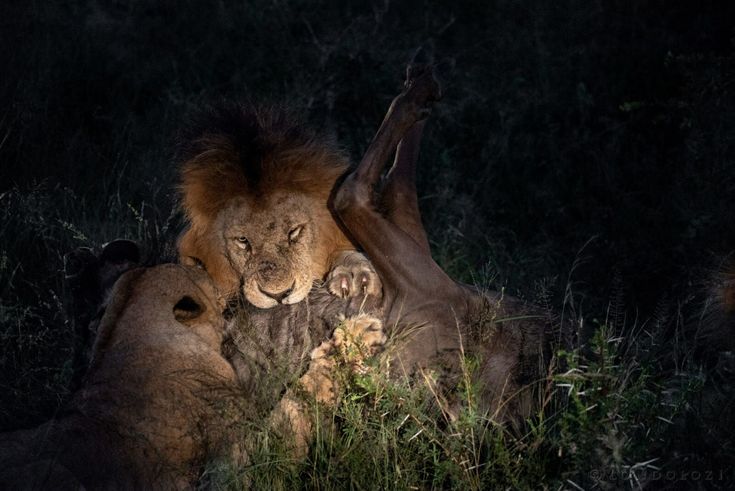
- Lions
- Elephants
- Hippos
- Buffaloes
- Leopards
- Numerous bird species
This creates an excellent contrast with the open savannah ecosystems encountered later in Kenya and Tanzania.
3. Explore Kenya’s Famous Maasai Mara
After Uganda’s forests, continuing to Kenya introduces travelers to one of East Africa’s most famous savannah landscapes: the Maasai Mara National Reserve.
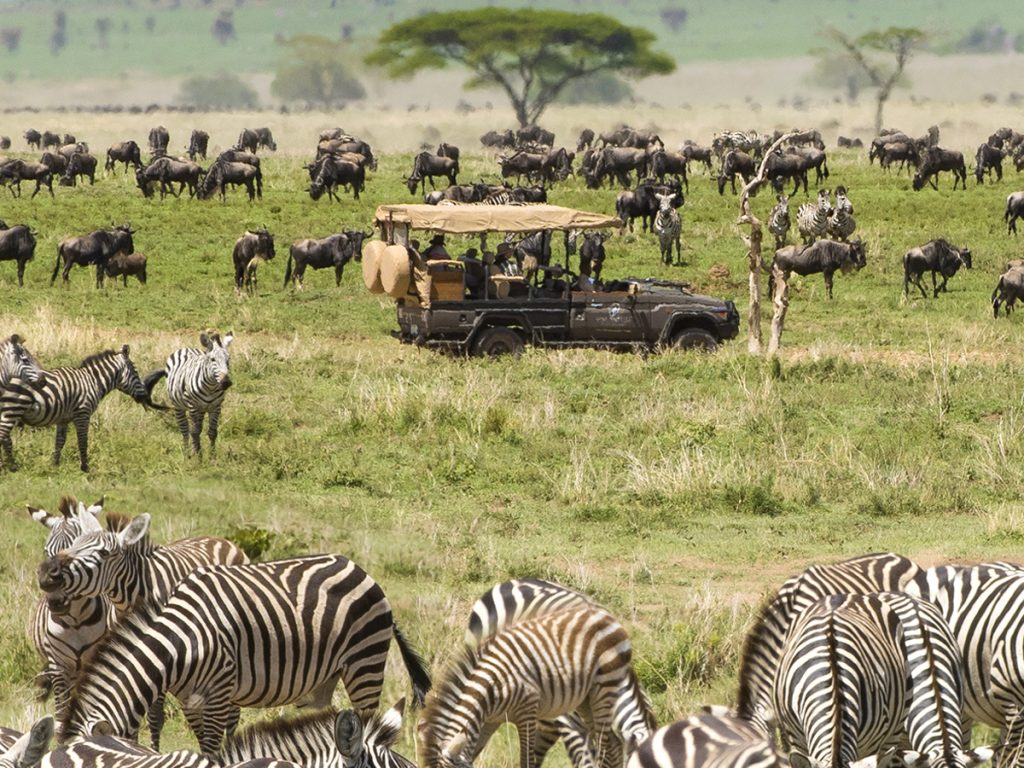
The Maasai Mara is renowned for its wildlife and is part of the wider Serengeti-Mara ecosystem.
A safari here can provide opportunities to see:
- Lions
- Leopards
- Cheetahs
- Elephants
- Buffaloes
- Giraffes
- Zebras
- Wildebeest
- Hippos
- Numerous antelope species
The open grasslands make the Maasai Mara particularly attractive for game drives and wildlife photography.
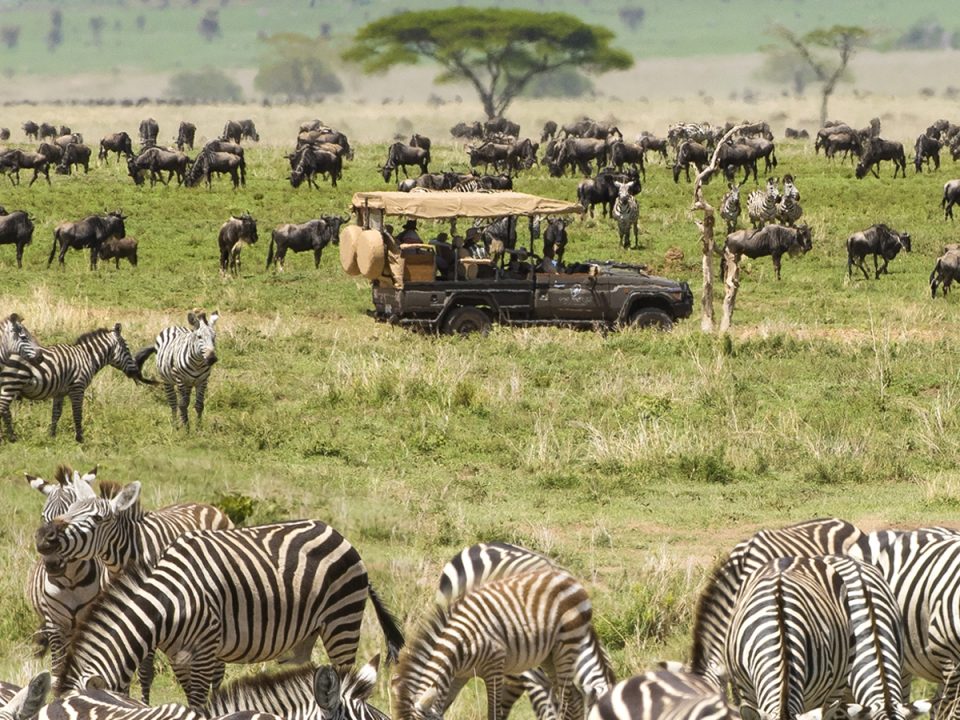
Travelers visiting during appropriate seasonal periods can also plan their itinerary around the movement of wildebeest and other grazing animals within the Serengeti-Mara ecosystem.
4. See Elephants Against Mount Kilimanjaro
Another reason to include Kenya is Amboseli National Park.
Amboseli is famous for its large elephant populations and dramatic views toward Mount Kilimanjaro, Africa’s highest mountain.
A game drive through Amboseli can provide a completely different visual experience from Bwindi’s rainforest or the vast plains of the Serengeti.
Photographers can particularly enjoy the combination of wildlife, open landscapes, and the mountain backdrop when weather conditions provide clear views.
An itinerary combining Uganda, Amboseli, Maasai Mara, and Tanzania can therefore offer a broad range of landscapes and wildlife experiences.
5. Experience Tanzania’s Legendary Serengeti
After Kenya, continuing into Tanzania takes the safari into the vast Serengeti National Park.
The Serengeti is one of Africa’s best-known wildlife destinations and is famous for its expansive grasslands and large populations of herbivores and predators.
A Serengeti safari can include opportunities to see:
- Lions
- Leopards
- Cheetahs
- Elephants
- Buffaloes
- Giraffes
- Zebras
- Wildebeest
- Hippos
- Crocodiles
The park’s extensive ecosystem also makes it an important destination for travelers interested in the annual wildebeest migration.
The timing and location of the migration vary throughout the year, so travelers interested in this experience should plan their itinerary according to the specific seasonal movement they want to see.
6. Visit the Ngorongoro Crater
The Ngorongoro Conservation Area adds another major attraction to a Uganda-Kenya-Tanzania safari.
The Ngorongoro Crater is a spectacular volcanic landscape containing diverse wildlife habitats.
A crater safari provides opportunities to see a variety of animals within a relatively concentrated area, including lions, elephants, buffaloes, zebras, wildebeest, hippos, and other species.
The surrounding conservation area also provides opportunities to learn about the relationship between wildlife conservation and local communities.
Combining Ngorongoro with the Serengeti adds variety to the Tanzania section of your safari.
7. Follow the Great Migration
For travelers interested in the Great Migration, combining Kenya and Tanzania can make it possible to explore different parts of the wider Serengeti-Mara ecosystem.
The migration involves large movements of wildebeest, zebras, and other grazing animals.
However, the migration is seasonal and constantly moving. Therefore, travelers should not select dates based simply on a generic “migration season.” Instead, safari planners should consider the expected location of the herds, weather patterns, river-crossing possibilities, and the specific experience the traveler wants.
Including Uganda before or after Kenya and Tanzania can add a completely different dimension to the trip.
8. Experience Three Different Safari Environments
One of the most interesting aspects of a Uganda Kenya Tanzania safari is the contrast between ecosystems.
Uganda: Forests and Lakes
Uganda provides tropical forests, mountains, lakes, rivers, wetlands, and savannah.
Kenya: Open Savannah
Kenya is famous for expansive grasslands, wildlife-rich reserves, and dramatic landscapes.
Tanzania: Vast Wildlife Ecosystems
Tanzania offers extensive savannah ecosystems, volcanic landscapes, and internationally recognized wildlife destinations.
The result is a safari that changes character as you move between countries.
9. Combine Primates and Big Five Wildlife
A traditional safari often focuses primarily on savannah wildlife.
Adding Uganda changes the experience.
Travelers can combine gorilla trekking and chimpanzee tracking with Big Five-focused game drives in Kenya and Tanzania.
This creates a broader African wildlife itinerary.
For example:
Uganda: Gorilla trekking + chimpanzee tracking
Kenya: Maasai Mara + Amboseli
Tanzania: Serengeti + Ngorongoro
Such a journey provides a mixture of forest trekking, primate experiences, game drives, photography, cultural encounters, and scenic exploration.
10. Enjoy East Africa’s Cultural Diversity
A multi-country safari is not only about wildlife.
Uganda, Kenya, and Tanzania have diverse communities, traditions, languages, foods, crafts, music, and cultural practices.
Depending on the route, travelers can include cultural experiences alongside wildlife activities.
Possible experiences may include visiting local communities, learning about traditional crafts, experiencing local cuisine, meeting community tourism groups, or visiting cultural centers.
These experiences help travelers understand the people and communities connected to the landscapes they are exploring.
11. A Combined Safari Can Be Customized
Another major advantage of combining Uganda, Kenya, and Tanzania is flexibility.
A safari does not have to follow one fixed route.
For example, a traveler interested mainly in gorillas and the Great Migration could spend more time in Bwindi and Serengeti.
A wildlife photographer might prioritize Maasai Mara, Serengeti, and Ngorongoro.
A traveler interested in primates could add Kibale to the Uganda section.
A luxury traveler may select premium lodges and private transportation, while budget-conscious travelers can use carefully selected mid-range accommodation and shared activities where practical.
The itinerary can therefore be designed around:
- Travel budget
- Number of days
- Preferred accommodation
- Wildlife interests
- Gorilla trekking
- Migration timing
- Photography
- Cultural experiences
- Family travel
- Honeymoon travel
- Bird watching
Sample Uganda Kenya Tanzania Safari Itinerary
A longer itinerary could look like this:
Days 1–2: Entebbe and Transfer Toward Bwindi
Arrival in Uganda followed by travel toward southwestern Uganda.
Day 3: Gorilla Trekking in Bwindi
Spend the day trekking through Bwindi Impenetrable National Park in search of a habituated mountain gorilla family.
Day 4: Bwindi – Queen Elizabeth National Park
Travel toward Queen Elizabeth National Park, with opportunities for scenic viewing along the way.
Day 5: Queen Elizabeth National Park
Enjoy a game drive and a boat cruise along the Kazinga Channel.
Days 6–7: Kenya
Fly or travel onward to Kenya and explore a selected wildlife destination such as the Maasai Mara.
Days 8–9: Maasai Mara
Enjoy game drives and explore the savannah ecosystem.
Day 10: Amboseli
Continue toward Amboseli for wildlife viewing and mountain scenery.
Days 11–13: Serengeti
Cross into Tanzania and explore the Serengeti through game drives.
Day 14: Ngorongoro
Travel toward the Ngorongoro Conservation Area.
Day 15: Ngorongoro Crater
Enjoy a crater game drive before continuing toward Arusha for departure or an optional extension.
This is only a sample route. The number of days can be increased or reduced depending on the traveler’s interests and available time.
Best Time for a Uganda Kenya Tanzania Safari
There is no single best month for every experience because Uganda, Kenya, and Tanzania contain different ecosystems and seasonal patterns.
For gorilla trekking, Uganda can be visited throughout the year, although rainfall can influence forest trekking conditions.
For Kenya and Tanzania wildlife safaris, dry periods are often popular because wildlife viewing conditions can be favorable.
Travelers specifically targeting the Great Migration should select travel dates according to the expected location of the herds rather than relying on a single fixed migration month.
Mandrill African Safaris can help travelers match their travel dates with the destinations and activities they want to include.
Why Book a Uganda Kenya Tanzania Safari with Mandrill African Safaris?
Planning a three-country safari requires coordination of transportation, accommodation, park activities, border arrangements, permits, domestic flights, and timing.
Mandrill African Safaris specializes in customized East African safari experiences and can help travelers build an itinerary around their interests and budget.
Our team can arrange experiences ranging from Uganda gorilla trekking and chimpanzee tracking to Kenya wildlife safaris and Tanzania’s Serengeti and Ngorongoro adventures.
Whether you have 12 days, 15 days, 18 days, or three weeks, we can help create a practical itinerary that combines the highlights you want to experience.
A Uganda, Kenya and Tanzania safari is more than a collection of national parks. It is an opportunity to experience the extraordinary diversity of East Africa—from rainforest gorillas and chimpanzees to elephants, lions, wildebeest, dramatic mountains, volcanic landscapes, and expansive savannahs.
Contact Mandrill African Safaris today to plan your customized Uganda, Kenya and Tanzania safari.