Budget Gorilla Trekking Tours in Bwindi National Park:
2026-06-24
Gorilla Trekking in Bwindi vs Rwanda: Which Is Better?
2026-06-25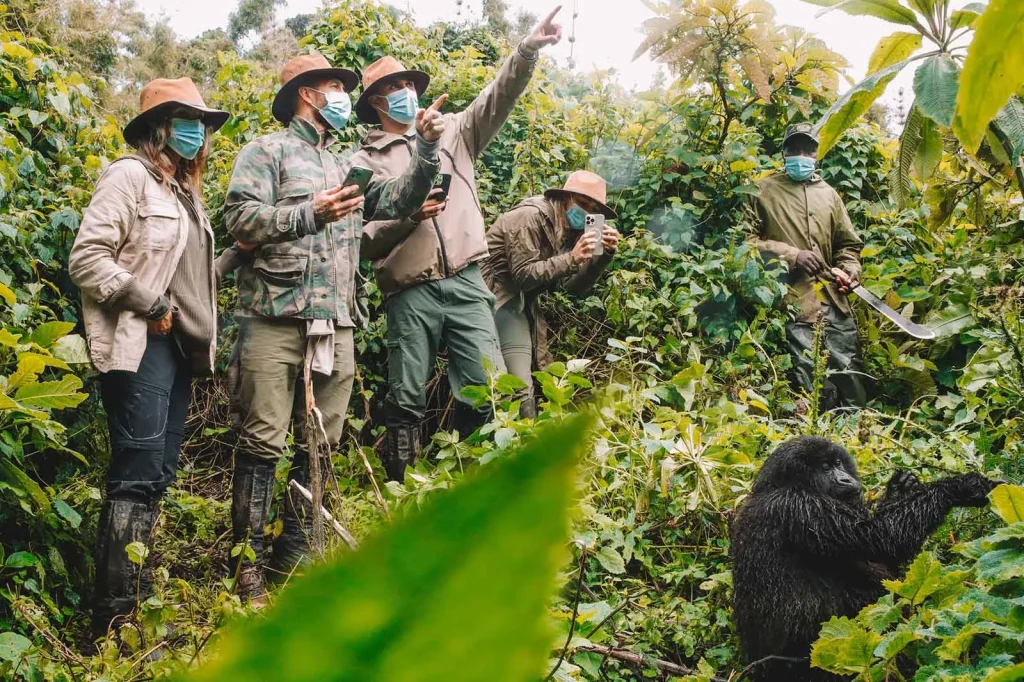
Why Bwindi Is a UNESCO World Heritage Site
Discover why Bwindi Impenetrable National Park was designated a UNESCO World Heritage Site. Learn about its unique biodiversity, mountain gorillas, conservation importance, and why it remains one of Africa’s top safari destinations.
Nestled in the southwestern corner of Uganda, Bwindi Impenetrable National Park stands as one of Africa’s most remarkable natural treasures. Famous worldwide for its endangered mountain gorillas, dense rainforest, and exceptional biodiversity, Bwindi was officially designated a UNESCO World Heritage Site in 1994. This prestigious recognition highlights the park’s global ecological significance and its critical role in conservation.
For travelers planning a Uganda safari, Bwindi offers far more than gorilla trekking. It is a living museum of evolution, a sanctuary for rare wildlife, and one of the oldest rainforests on the African continent. But what exactly makes Bwindi deserving of UNESCO status? Let’s explore the reasons behind its international recognition and why it continues to attract visitors from around the world.

Understanding UNESCO World Heritage Status
The United Nations Educational, Scientific and Cultural Organization (UNESCO) grants World Heritage status to places considered to have outstanding universal value to humanity. These sites are selected because of their cultural, historical, scientific, or natural importance.
For natural sites such as Bwindi, UNESCO evaluates factors including:
- Exceptional biodiversity
- Unique ecosystems
- Conservation significance
- Endangered species protection
- Scientific and ecological value
Bwindi met several of these criteria, making it one of the most important protected natural areas in Africa.
An Ancient Forest Older Than Many African Parks
One of the primary reasons Bwindi earned UNESCO recognition is its age. The forest is believed to have survived the last Ice Age and has existed for more than 25,000 years.
Unlike many modern forests, Bwindi remained relatively undisturbed through major climatic changes. This allowed countless plant and animal species to evolve and thrive within its boundaries.
Today, the forest covers approximately 331 square kilometers and contains a complex ecosystem that supports an extraordinary variety of life forms.
The ancient nature of the forest provides scientists with valuable insights into ecological evolution, climate adaptation, and biodiversity conservation.
Home to Nearly Half of the World’s Mountain Gorillas
The most famous residents of Bwindi are the endangered mountain gorillas.
The park protects nearly half of the world’s remaining mountain gorilla population, making it one of the most important conservation areas on Earth.
Mountain gorillas are found only in two regions:
- Bwindi Impenetrable National Park in Uganda
- The Virunga Mountains spanning Uganda, Rwanda, and the Democratic Republic of Congo
Because of habitat loss, poaching, disease, and human encroachment, mountain gorillas faced a significant risk of extinction. Conservation efforts in Bwindi have played a major role in increasing gorilla numbers over the past few decades.
Today, visitors from around the globe travel to Bwindi for life-changing gorilla trekking experiences while directly supporting conservation initiatives.
Exceptional Biodiversity
UNESCO recognized Bwindi because it contains one of the richest ecosystems in East Africa.
The park is home to:
Mammals
More than 120 mammal species inhabit Bwindi, including:
- Mountain gorillas
- Forest elephants
- Giant forest hogs
- African golden cats
- Bushbucks
- Duikers
Birds
Bwindi is considered a paradise for bird lovers.
The forest hosts over 350 bird species, including many Albertine Rift endemics such as:
- African Green Broadbill
- Shelley’s Crimsonwing
- Grauer’s Warbler
- Handsome Francolin
This makes Bwindi one of Africa’s top birdwatching destinations.
Butterflies
The park supports over 220 butterfly species, representing a significant percentage of Uganda’s butterfly diversity.
Reptiles and Amphibians
Bwindi also provides habitat for numerous reptiles and amphibians, many of which are rarely found elsewhere.
Plants
More than 1,000 flowering plant species thrive within the forest, including:
- Ferns
- Orchids
- Trees
- Medicinal plants
This extraordinary concentration of life is a major reason UNESCO granted the park World Heritage status.
A Global Conservation Success Story
Another reason Bwindi earned UNESCO recognition is its role in wildlife conservation.
The park serves as a model for balancing conservation with community development.
Several initiatives contribute to this success:
Gorilla Tourism
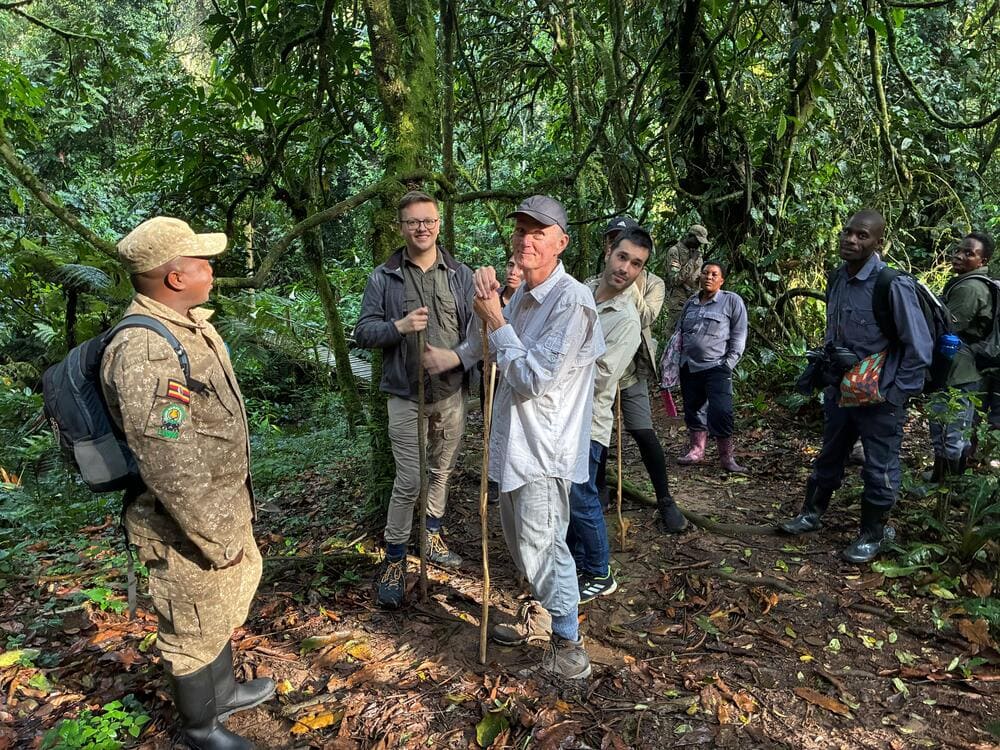
Revenue generated from gorilla trekking permits helps fund:
- Wildlife protection
- Anti-poaching patrols
- Habitat restoration
- Research programs
Community Participation
Local communities surrounding the park benefit from tourism through:
- Employment opportunities
- Cultural tourism enterprises
- Handicraft sales
- Community development projects
This creates a direct incentive for local residents to support conservation efforts.
Scientific Research
Bwindi attracts researchers studying:
- Primate behavior
- Forest ecology
- Climate change
- Biodiversity management
Their findings contribute to conservation strategies used worldwide.
The Unique Albertine Rift Ecosystem
Bwindi lies within the Albertine Rift, one of Africa’s most biologically diverse regions.
The Albertine Rift is recognized globally as a biodiversity hotspot due to its exceptionally high levels of endemic species.
Many plants, birds, mammals, and insects found in Bwindi occur nowhere else on Earth.
UNESCO considered this uniqueness a critical factor when evaluating the park.
Protecting Bwindi therefore helps preserve an irreplaceable part of global natural heritage.
Incredible Scenic Beauty
UNESCO World Heritage Sites are often celebrated for their natural beauty, and Bwindi certainly qualifies.
Visitors encounter:
- Mist-covered mountains
- Dense tropical rainforest
- Deep valleys
- Waterfalls
- River systems
- Lush green landscapes
The forest’s dramatic scenery creates an almost mystical atmosphere, earning it the name “Impenetrable Forest.”
Photography enthusiasts, hikers, birders, and nature lovers are captivated by its breathtaking landscapes throughout the year.
Cultural Importance of Bwindi
While primarily recognized for its natural values, Bwindi also holds cultural significance.
The area has long been associated with the indigenous Batwa people, who once lived as hunter-gatherers within the forest.
Today, cultural tourism experiences allow visitors to learn about:
- Traditional Batwa lifestyles
- Indigenous survival techniques
- Forest-based cultural practices
- Traditional music and dance
These cultural experiences enrich Uganda safari itineraries and help preserve important traditions.
Sustainable Tourism and UNESCO Protection
UNESCO designation provides international recognition and encourages stronger conservation measures.
The status helps:
- Attract conservation funding
- Increase global awareness
- Promote sustainable tourism
- Strengthen environmental protection policies
Visitors who choose responsible safari operators like Mandrill African Safaris contribute directly to these efforts.
Sustainable tourism ensures that future generations can continue enjoying Bwindi’s incredible wildlife and natural beauty.
Best Things to Do in Bwindi
Gorilla Trekking
The highlight of any visit to Bwindi.
Tracking mountain gorillas through the forest offers one of the most memorable wildlife encounters in the world.
Bird Watching
Bwindi is among Africa’s finest birding destinations.
Nature Walks
Guided forest walks reveal hidden waterfalls, rare plants, and diverse wildlife.
Batwa Cultural Experience
Learn about the history and traditions of the indigenous Batwa community.
Photography Safaris
Capture stunning images of gorillas, landscapes, birds, and forest ecosystems.
Best Time to Visit Bwindi
Bwindi can be visited year-round, but the dry seasons offer the best trekking conditions:
June to August
- Excellent gorilla trekking conditions
- Popular safari season
December to February
- Dry weather
- Clear forest trails
The rainy seasons provide fewer crowds and lush scenery, making them attractive for photographers and birdwatchers.
Why Bwindi Matters to the World
Bwindi Impenetrable National Park is more than a tourism destination. It is a global conservation treasure that protects endangered species, ancient ecosystems, and irreplaceable biodiversity.
Its UNESCO World Heritage designation recognizes its importance not only to Uganda but to humanity as a whole.
By preserving Bwindi, we safeguard one of Earth’s last strongholds of mountain gorillas, protect countless plant and animal species, and ensure future generations can experience one of Africa’s most extraordinary natural wonders.
Whether you are planning a gorilla trekking safari, a birdwatching expedition, or a broader Uganda wildlife adventure, Bwindi offers an unforgettable journey into one of the world’s most valuable ecosystems.
Conclusion
Bwindi’s UNESCO World Heritage status is well deserved. Its ancient rainforest, incredible biodiversity, mountain gorilla population, conservation achievements, and ecological importance make it one of the most significant protected areas in Africa.
A visit to Bwindi is not simply a safari—it is an opportunity to experience a globally recognized natural wonder while supporting the ongoing conservation of one of the planet’s most extraordinary ecosystems.
Book your Bwindi gorilla trekking safari with Mandrill African Safaris and discover why this remarkable forest continues to inspire conservationists, scientists, and travelers from around the world.