5 Days Budget Uganda Safari – Gorilla Trekking & Lake Bunyonyi
2026-04-23
14 Days Serengeti Safari and Zanzibar Honeymoon Experience
2026-04-23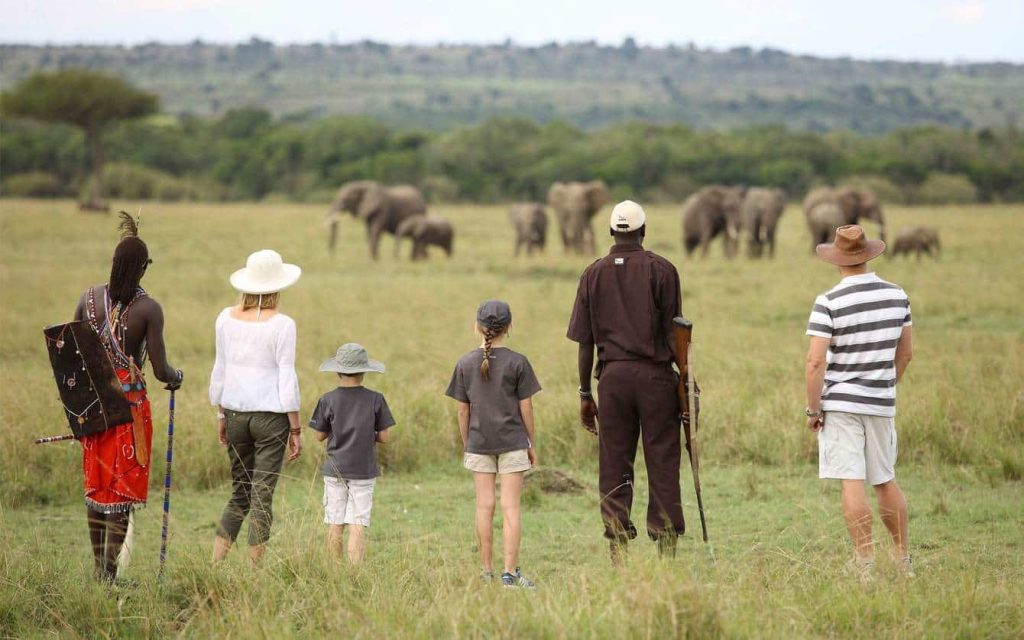
Walking Safaris in Kenya & Tanzania:
By Mandrill African Safaris
Discover the ultimate guide to walking safaris in Kenya and Tanzania. Learn where to go, what to expect, safety tips, best parks, and why walking safaris offer Africa’s most immersive wildlife experience.
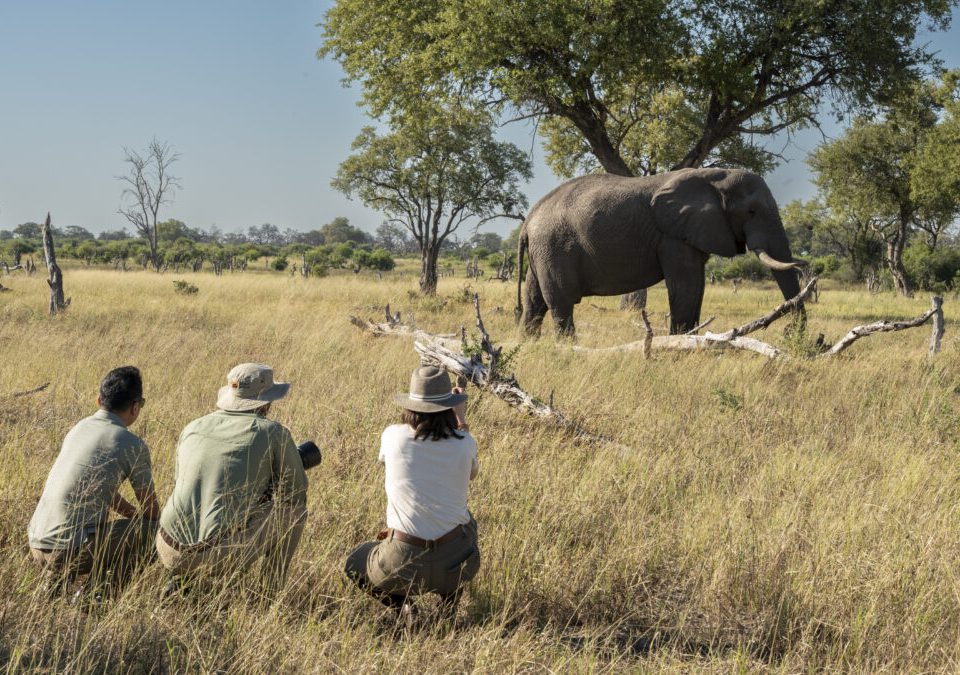
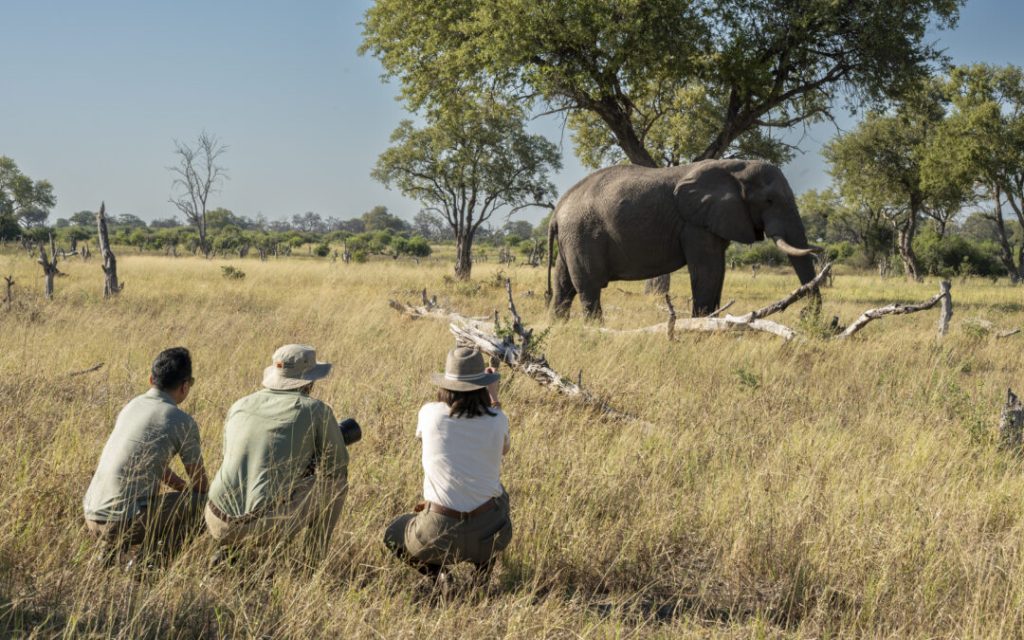
There’s something undeniably powerful about stepping out of a safari vehicle and onto the African soil itself. Walking safaris in Kenya and Tanzania strip away the barrier between you and the wild, offering a raw, immersive, and deeply personal wildlife experience. Instead of observing animals from a distance, you become part of the ecosystem—reading tracks, listening to bird calls, and feeling the rhythm of the wilderness under your feet.
What Is a Walking Safari?
A walking safari is exactly what it sounds like—a guided exploration of the African wilderness on foot, led by highly trained guides and often accompanied by armed rangers for safety. Unlike traditional game drives, walking safaris focus less on chasing the “Big Five” and more on understanding the ecosystem as a whole.
You’ll learn how to:
- Track animals using footprints and droppings
- Identify plants, insects, and bird species
- Understand animal behavior in real time
- Experience the sights, sounds, and scents of the bush
It’s slower, quieter, and far more intimate than a vehicle-based safari.
Why Choose a Walking Safari in Kenya & Tanzania?
1. A Deeper Connection to Nature
Walking safaris allow you to engage all your senses. You notice the crunch of dry grass, the distant alarm calls of antelope, and even the subtle shift in wind direction—things easily missed in a vehicle.
2. Authentic Adventure
There’s a thrill in knowing you’re walking in landscapes shared with elephants, lions, and buffalo. It’s not reckless—it’s carefully managed—but it adds a layer of excitement that game drives simply can’t match.
3. Expert Knowledge
Guides on walking safaris are incredibly skilled. Many have years of bush experience and can interpret the smallest signs in nature, turning every walk into a fascinating learning journey.
4. Less Crowded Experiences
While popular parks can get busy with vehicles, walking safaris often take place in more remote or restricted areas, offering a sense of exclusivity.
Best Places for Walking Safaris in Kenya
1. Laikipia Plateau
Laikipia is one of Kenya’s best-kept secrets for walking safaris. This vast, private conservancy region offers diverse landscapes, from open savannahs to riverine forests.
Highlights:
- Close encounters with giraffes, zebras, and antelopes
- Community conservancies supporting local livelihoods
- Luxury and eco-friendly lodges
2. Maasai Mara Conservancies
While the Maasai Mara National Reserve itself has restrictions on walking, the surrounding private conservancies allow guided walks.
Highlights:
- Walking alongside Maasai guides
- Learning traditional survival skills
- Viewing wildlife away from crowded game routes
3. Amboseli Ecosystem (Private Areas)
Known for its iconic elephant herds, Amboseli also offers walking experiences in select conservancies.
Highlights:
- Stunning views of Mount Kilimanjaro
- Elephant tracking on foot
- Cultural interactions with Maasai communities
Best Places for Walking Safaris in Tanzania
1. Serengeti National Park (Designated Areas)
Though famous for game drives and the Great Migration, certain zones in the Serengeti allow guided walking safaris.
Highlights:
- Walking in one of Africa’s most iconic landscapes
- Seasonal migration insights
- Birdwatching and tracking smaller wildlife

2. Ngorongoro Conservation Area
This UNESCO World Heritage Site offers unique walking opportunities, especially along the crater rim and surrounding highlands.
Highlights:
- Scenic hikes with breathtaking views
- Visits to Maasai villages
- Wildlife tracking in less crowded areas
3. Tarangire National Park
Tarangire is perfect for walking safaris, thanks to its quieter atmosphere and rich biodiversity.
Highlights:
- Baobab-dotted landscapes
- Large elephant populations
- Excellent birdlife
4. Ruaha & Selous (Nyerere National Park)
For those seeking true wilderness, southern Tanzania offers some of the best walking safari experiences in Africa.
Highlights:
- Remote and untouched environments
- High predator density
- Multi-day walking adventures
What to Expect on a Walking Safari
Daily Routine
A typical walking safari begins early in the morning when temperatures are cooler and wildlife is more active. Walks usually last 2–4 hours, with breaks for rest and observation.
Afternoon walks may also be offered, often focusing on sunsets and photography.
Group Size
Groups are small—usually 4 to 8 մարդկանց—ensuring safety and a personalized experience.
Pace
Walking safaris are not hikes. The pace is slow and deliberate, with frequent stops to observe and learn.
Safety on Walking Safaris
Safety is a top priority, and walking safaris are carefully managed to minimize risk.

Key Safety Measures:
- Experienced, licensed guides lead all walks
- Armed rangers accompany groups in certain areas
- Strict rules are followed (e.g., staying in line, no sudden movements)
- Wildlife encounters are handled calmly and strategically
What You Should Do:
- Always listen to your guide
- Stay quiet and alert
- Avoid bright colors or strong scents
- Keep a safe distance from animals
Walking safaris are safe when conducted professionally—but they rely heavily on cooperation and awareness.
What to Pack for a Walking Safari
Packing smart can make or break your experience. Here’s what you’ll need:
Essential Items:
- Lightweight, neutral-colored clothing
- Comfortable walking boots
- Wide-brim hat
- Sunscreen and sunglasses
- Reusable water bottle
- Small backpack
- Binoculars
Optional:
- Camera with zoom lens
- Light jacket for early mornings
- Insect repellent
Avoid bright colors, as they can attract unwanted attention from wildlife.
Best Time for Walking Safaris
Kenya:
- June to October: Dry season, best for wildlife visibility
- January to February: Short dry season, fewer crowds
Tanzania:
- June to October: Ideal for walking safaris
- December to March: Great for birdwatching and calving season
Dry seasons are generally preferred because vegetation is thinner, making it easier to spot animals.
Walking Safari vs. Game Drive: Which Is Better?
It’s not really a competition—they complement each other.
| Walking Safari | Game Drive |
|---|---|
| Immersive, slow-paced | Covers large distances |
| Focus on ecosystem | Focus on big wildlife |
| Close-to-ground experience | Elevated viewing |
| Limited animal encounters | Higher chance of spotting predators |
For the best safari experience, combine both.
Who Should Try a Walking Safari?
Walking safaris are perfect for:
- Adventure seekers
- Nature lovers
- Photographers looking for unique perspectives
- Travelers who want more than just a “checklist” safari
They may not be ideal for:
- Very young children
- Travelers with limited mobility
- Those uncomfortable being on foot near wildlife
Luxury vs. Budget Walking Safaris
Luxury Walking Safaris
- Private guides
- Exclusive conservancies
- High-end lodges or tented camps
- Personalized itineraries
Budget Walking Safaris
- Shared groups
- Simpler accommodations
- Shorter walking experiences
Mandrill African Safaris offers customized packages tailored to both luxury and budget travelers, ensuring every guest enjoys a safe and unforgettable journey.
Cultural Experiences Along the Way
Walking safaris often include interactions with local communities, especially Maasai and other indigenous groups.
You may:
- Learn traditional tracking skills
- Visit villages
- Experience local customs and storytelling
These cultural elements add depth and meaning to your safari.
Why Book with Mandrill African Safaris?
At Mandrill African Safaris, we believe a safari should be more than just sightseeing—it should be transformative.
What Sets Us Apart:
- Expert local guides with deep knowledge of East Africa
- Customized itineraries tailored to your interests
- Strong commitment to sustainable tourism
- Access to exclusive walking safari locations
- Seamless planning from start to finish
Whether you’re seeking a luxury walking safari or a rugged adventure, we craft experiences that stay with you long after you leave Africa.
Final Thoughts
Walking safaris in Kenya and Tanzania offer a completely different perspective on the African wilderness. They slow you down, sharpen your senses, and reconnect you with nature in a way that few travel experiences can.
It’s not about ticking off animals—it’s about understanding the land, the wildlife, and your place within it.
If you’re ready to trade the safari vehicle for a pair of boots and experience Africa up close, a walking safari might just be the adventure you’ve been looking for.