Tooro Kingdom: A Journey Through Royal Heritage, History and the Beauty of Western Uganda
2026-09-06
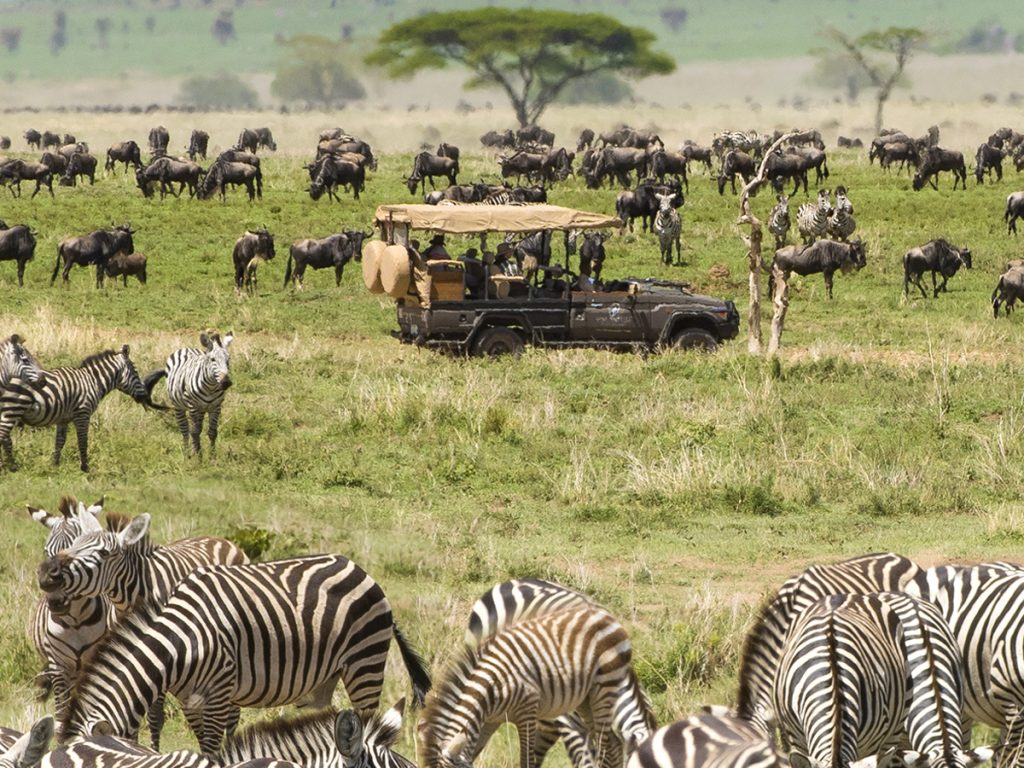
From Maasai Mara to Serengeti: The Ultimate Kenya-Tanzania Safari
2026-09-07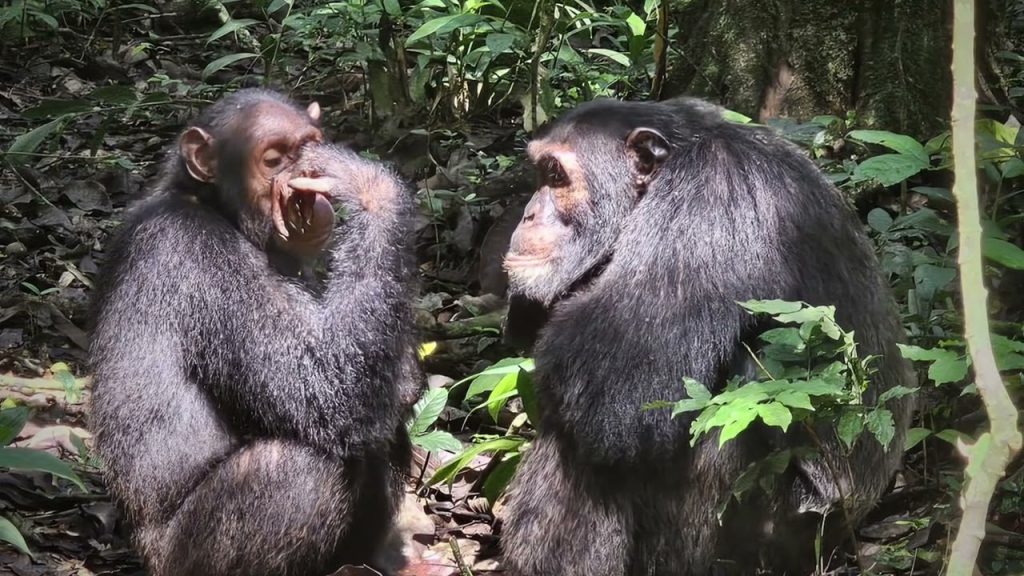
Ultimate East Africa Safari Bucket List: Gorillas, Big Five & Great Migration
Discover the ultimate East Africa safari with gorilla trekking in Uganda, Big Five wildlife in Kenya and Tanzania, and the spectacular Great Migration. Plan your dream African adventure with Mandrill African Safaris.
East Africa is home to some of the most extraordinary wildlife experiences on the planet. From walking through the misty forests of Uganda in search of mountain gorillas to watching lions patrol the Serengeti plains and witnessing thousands of wildebeest move across the Mara-Serengeti ecosystem, an East Africa safari offers adventure, wildlife, culture and unforgettable landscapes.
For many travellers, an East African safari is not simply a holiday—it is a once-in-a-lifetime bucket-list adventure.
The ultimate itinerary combines three iconic experiences: gorilla trekking, the Big Five safari and the Great Migration. By combining Uganda or Rwanda with Kenya and Tanzania, travellers can experience dramatically different ecosystems and some of Africa’s most famous wildlife destinations in one extended journey.
At Mandrill African Safaris, we specialize in creating tailor-made African safari experiences that connect these incredible destinations while matching the itinerary to your interests, budget and travel schedule.
1. Gorilla Trekking in Uganda: Meet the Mountain Gorillas
One of the most unforgettable experiences on an East Africa safari is gorilla trekking in Uganda.
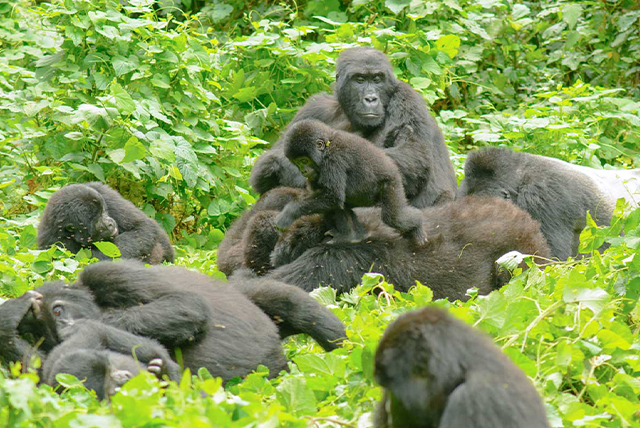
Uganda’s Bwindi Impenetrable National Park is internationally recognized for its mountain gorillas. The forest provides a spectacular setting for trekking, with dense vegetation, steep hills and an incredible variety of wildlife.
Uganda is also home to Mgahinga Gorilla National Park, part of the wider Virunga ecosystem shared by Uganda, Rwanda and the Democratic Republic of Congo. Uganda Tourism highlights Bwindi and Mgahinga as key destinations for encountering endangered mountain gorillas in their natural habitat.
A gorilla trek begins with an early morning briefing before you enter the forest accompanied by experienced trackers and guides. The hike can take several hours depending on where the gorilla family is located.
Then comes the magical moment: finding a gorilla family resting, feeding or moving through the forest.
Watching a silverback calmly observe your group or seeing young gorillas playing among the vegetation is an experience that stays with you long after you leave Africa.
Why gorilla trekking belongs on your bucket list
- Close encounter with endangered mountain gorillas
- Guided rainforest trekking
- Stunning Bwindi landscapes
- Opportunities to learn about gorilla conservation
- Authentic community and cultural experiences
- A unique complement to traditional savannah safaris
For travellers interested in primates, Uganda can also be combined with chimpanzee trekking in Kibale National Park, often described as one of Africa’s premier destinations for chimpanzee experiences.
2. Experience the Big Five in East Africa
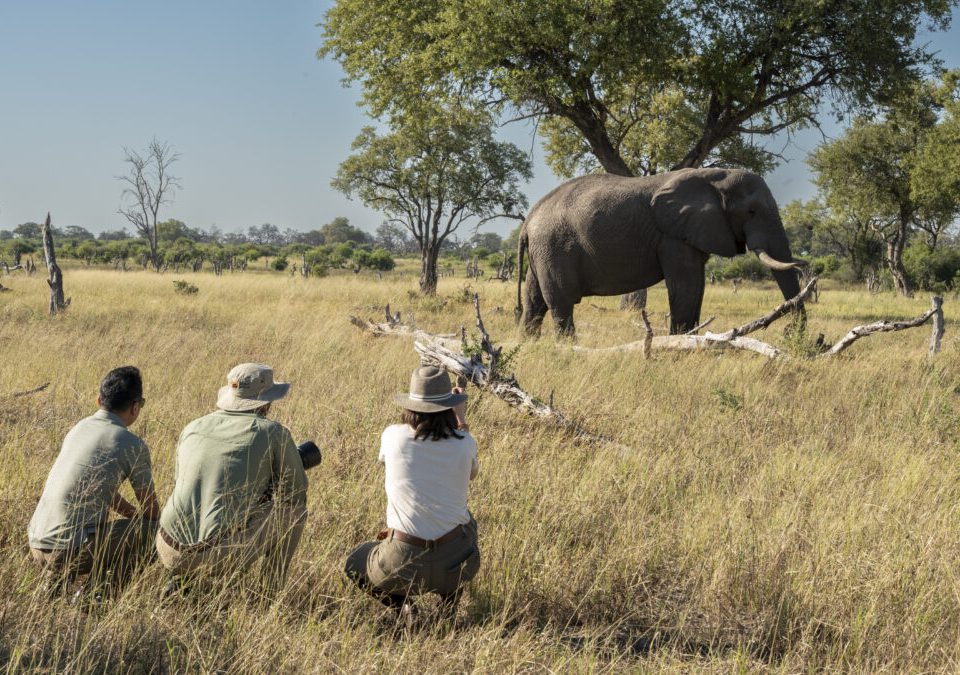
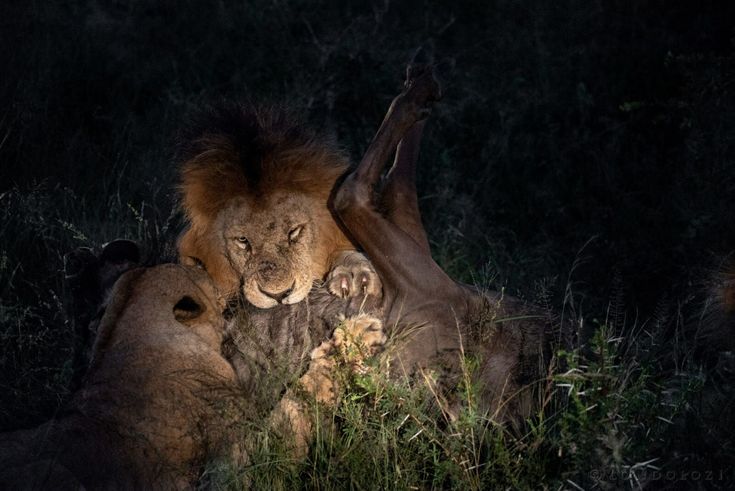
No ultimate African safari bucket list would be complete without the Big Five: lion, leopard, elephant, buffalo and rhinoceros.
Kenya and Tanzania are especially famous for Big Five game viewing, while Uganda also offers excellent wildlife experiences in destinations such as Queen Elizabeth National Park and Murchison Falls National Park.
Kenya: The Classic Big Five Safari
Kenya’s Maasai Mara National Reserve is one of Africa’s most famous safari destinations. The reserve is known for abundant wildlife, spectacular landscapes and excellent opportunities to see big cats.
A typical Maasai Mara game drive may bring you face-to-face with lions, elephants, buffaloes, leopards, giraffes, zebras and other wildlife.
For an even more diverse Kenyan safari, travellers can add Amboseli National Park, famous for its large elephant herds and spectacular views toward Mount Kilimanjaro, or Lake Nakuru for wildlife and birdwatching.
Tanzania: Serengeti and Ngorongoro
Tanzania offers some of the most iconic wildlife landscapes in Africa.
The Serengeti National Park is synonymous with vast grasslands, predators and the Great Migration. Nearby, the Ngorongoro Crater provides an extraordinary wildlife viewing environment within an ancient volcanic caldera.
A Tanzania safari can therefore combine classic Big Five viewing with the possibility of seeing one of nature’s greatest spectacles—the annual movement of wildebeest and other herbivores.
Uganda: Big Five Beyond the Gorillas
Uganda provides a fascinating alternative for travellers who want to combine primates with traditional wildlife.
Murchison Falls National Park offers game drives and boat trips, while Queen Elizabeth National Park is known for elephants, lions, buffaloes, hippos and a wide range of other wildlife.
This combination makes Uganda particularly attractive for travellers who want more than a conventional savannah safari.
3. Witness the Great Migration
The Great Migration safari is arguably the most famous wildlife spectacle in East Africa.

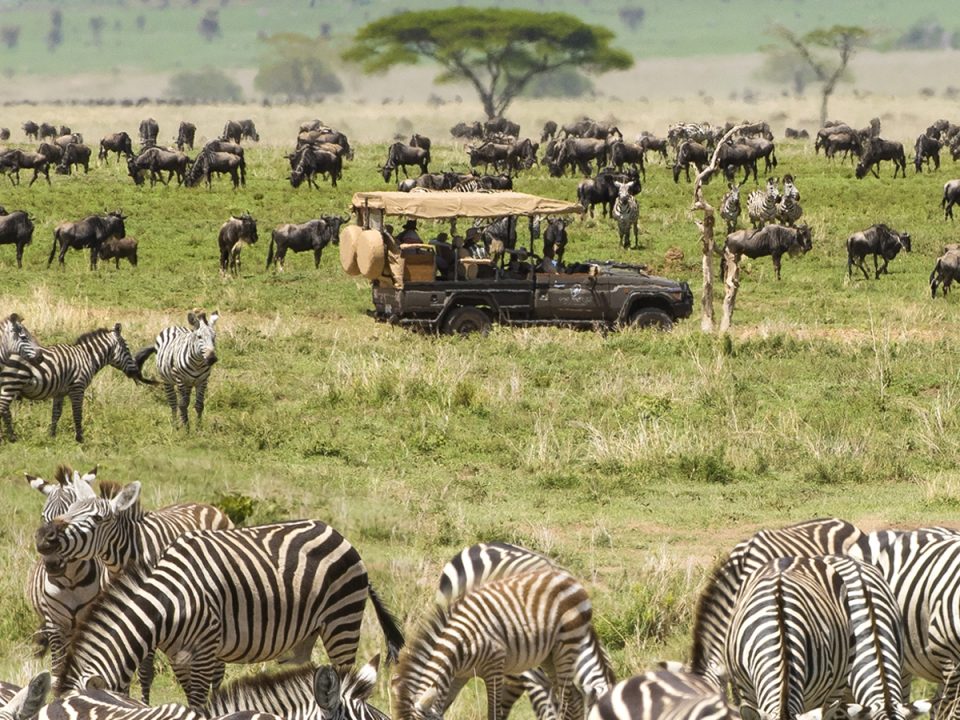
Every year, huge herds of wildebeest, accompanied by zebras and gazelles, move through the Serengeti-Mara ecosystem in search of fresh grazing and water.
The migration is not a single event occurring on one specific day. It is a continuous ecological cycle, with different stages taking place throughout the year.
Tanzania’s Serengeti forms a major part of the migration ecosystem, while Kenya’s Maasai Mara becomes particularly famous for the dramatic river-crossing season.
The famous Mara River crossings can provide extraordinary wildlife viewing, with wildebeest navigating the river while crocodiles wait in the water and predators gather nearby.
However, travellers should remember that nature does not follow a precise timetable. Migration locations can change according to rainfall, food availability and other environmental conditions.
When is the best time for the Great Migration?
For travellers specifically interested in the famous Maasai Mara river crossings, July to October is traditionally one of the most popular periods.
However, Tanzania’s Serengeti offers migration-related experiences during other parts of the year. The best travel dates therefore depend on whether you want to see calving, predator action, large herds or river crossings.
This is why planning with an experienced safari operator is important.
4. Combine Uganda, Kenya and Tanzania for the Ultimate Safari
The real magic happens when you combine different East African destinations.
Imagine beginning your journey in Uganda with a thrilling gorilla trekking safari in Bwindi, continuing to Kenya for Big Five game drives in the Maasai Mara, and then flying or transferring onward to Tanzania for the Serengeti and Ngorongoro Crater.
This creates a diverse safari experience rather than spending your entire holiday in one ecosystem.
A possible bucket-list route could look like:
Uganda → Kenya → Tanzania
Uganda
- Kampala or Entebbe
- Kibale National Park
- Queen Elizabeth National Park
- Bwindi Impenetrable National Park
- Gorilla trekking
- Lake Bunyonyi
Kenya
- Nairobi
- Maasai Mara National Reserve
- Big Five game drives
- Great Migration viewing during the appropriate season
- Maasai cultural experience
Tanzania
- Serengeti National Park
- Ngorongoro Crater
- Tarangire National Park
- Great Migration viewing
- Optional Zanzibar beach extension
Travellers with additional time can also include Rwanda, particularly for gorilla trekking in Volcanoes National Park, creating a broader Uganda-Rwanda-Kenya-Tanzania safari.
Multi-country East African itineraries are increasingly popular because they allow travellers to combine gorillas, primates, Big Five wildlife and the Great Migration in one journey.
5. Add Chimpanzee Trekking to Your Safari
If gorillas are the stars of your Uganda adventure, chimpanzees provide another incredible primate experience.
Kibale National Park is one of Uganda’s most important primate destinations and can easily be incorporated into a longer Uganda safari.
Chimpanzee trekking allows visitors to walk through the forest with trained guides while searching for habituated chimpanzee communities.
The experience is very different from gorilla trekking. Chimpanzees are highly active and can move rapidly through the forest, making the search itself part of the adventure.
For primate enthusiasts, combining gorilla trekking and chimpanzee trekking in Uganda creates an exceptionally rewarding safari.
6. Experience East Africa’s Diverse Landscapes
An East Africa safari is about more than wildlife.
The region offers extraordinary geographical diversity—from Uganda’s lush tropical forests and volcanic mountains to Kenya’s open savannahs and Tanzania’s enormous Serengeti plains.
You can experience:
- Tropical rainforests
- Savannah grasslands
- Volcanic landscapes
- Crater ecosystems
- Lakes and wetlands
- Mountain scenery
- Traditional communities
- Indian Ocean beaches
This diversity is one of the reasons a multi-country safari can feel like several different African adventures combined into one.
7. Meet Local Communities and Experience African Culture
Wildlife may be the primary reason people visit East Africa, but cultural experiences add depth to the journey.
Travellers can visit communities, interact with local people, learn about traditional lifestyles and discover the cultural heritage surrounding famous wildlife destinations.
In Kenya, Maasai cultural experiences are a popular addition to safari itineraries. In Uganda and Rwanda, travellers can experience local communities, traditional food, crafts, music and dance.
At Mandrill African Safaris, we believe responsible tourism should create meaningful benefits for local communities while giving visitors authentic cultural experiences.
8. Choose the Right Time for Your East Africa Safari
There is no single perfect month for every East African safari.
Your ideal travel period depends on your priorities.
If gorilla trekking is your main goal, many travellers prefer relatively drier periods because forest trails can be easier to navigate, although gorilla trekking is possible throughout the year.
If the Great Migration is your priority, travel dates should be selected according to the specific stage of migration you want to experience.
If your goal is Big Five wildlife viewing, many dry-season periods offer excellent game-viewing opportunities because animals can become easier to locate around water sources.
The key is to plan your itinerary around the experience you value most.
9. How Many Days Do You Need?
An ultimate East Africa safari requires enough time to avoid rushing between countries.
A shorter trip could combine two major experiences, such as:
7–10 days: Uganda gorillas + Kenya safari
For a more comprehensive experience:
12–16 days: Uganda gorillas + Kenya Big Five + Tanzania Serengeti
For the ultimate multi-country adventure:
18–21+ days: Uganda + Rwanda + Kenya + Tanzania
The ideal duration depends on your budget, travel style and number of activities.
10. Why Choose Mandrill African Safaris?
Planning a multi-country African safari involves much more than booking accommodation.
You need to coordinate transportation, park permits, border crossings, domestic flights, game drives, accommodation and activities.
Mandrill African Safaris can help design a tailor-made itinerary around your priorities.
Whether your dream is to stand a few metres from a mountain gorilla, watch lions hunt across the Serengeti, witness the Great Migration or photograph elephants beneath Mount Kilimanjaro, your safari can be customized around your bucket list.
We can also help you choose between budget, mid-range and luxury accommodation depending on your preferred travel style.
Conclusion: Your Ultimate East Africa Safari Starts Here
The ultimate East Africa safari brings together three unforgettable experiences: gorilla trekking, Big Five wildlife and the Great Migration.
From Uganda’s ancient forests to Kenya’s Maasai Mara and Tanzania’s endless Serengeti plains, East Africa offers a remarkable combination of wildlife, landscapes and cultures.
A journey that combines these destinations is more than a holiday—it is an opportunity to experience some of the world’s most extraordinary natural spectacles.
Whether you have 10 days, two weeks or three weeks, Mandrill African Safaris can help transform your African safari bucket list into a carefully planned adventure.
Ready to experience gorillas, the Big Five and the Great Migration? Contact Mandrill African Safaris and start planning your ultimate East Africa safari today.