How to Plan an Affordable Multi-Country African Safari
2026-09-16
Best Wildlife Safari Parks in Kenya: Top Destinations for an Unforgettable Safari
2026-09-18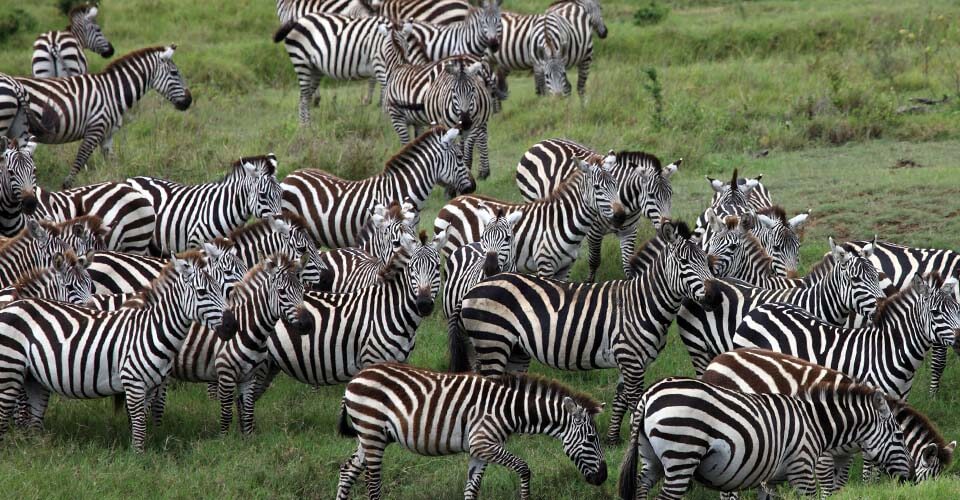
Top Wildlife Experiences on a Kenya and Tanzania Combined Safari
A Kenya and Tanzania combined safari offers one of the most rewarding ways to explore East Africa’s extraordinary wildlife, landscapes, and cultures. From the open savannahs of the Maasai Mara to the endless plains of the Serengeti, this safari combines some of Africa’s most famous wildlife destinations into one unforgettable journey.
For travelers looking for the best Kenya and Tanzania safari, combining the two countries allows you to experience diverse ecosystems, exceptional game viewing, the Great Migration, the Big Five, spectacular scenery, and authentic cultural encounters.
At Mandrill African Safaris, we design tailor-made Kenya and Tanzania safari packages for travelers seeking memorable wildlife experiences, comfortable accommodation, professional safari guides, and well-planned journeys across East Africa.
Why Choose a Kenya and Tanzania Combined Safari?
Kenya and Tanzania share a border and are home to some of the world’s most celebrated wildlife areas. A combined safari makes it possible to visit multiple ecosystems while experiencing the distinctive attractions of each country.
Kenya is famous for destinations such as Maasai Mara National Reserve, Amboseli National Park, Lake Nakuru National Park, and Samburu National Reserve, while Tanzania offers the Serengeti National Park, Ngorongoro Conservation Area, Tarangire National Park, and Lake Manyara National Park.
A combined itinerary can therefore provide a broader wildlife experience than visiting either country alone.
1. Witness the Great Wildebeest Migration
One of the biggest highlights of a Kenya Tanzania safari is the opportunity to witness the Great Wildebeest Migration.
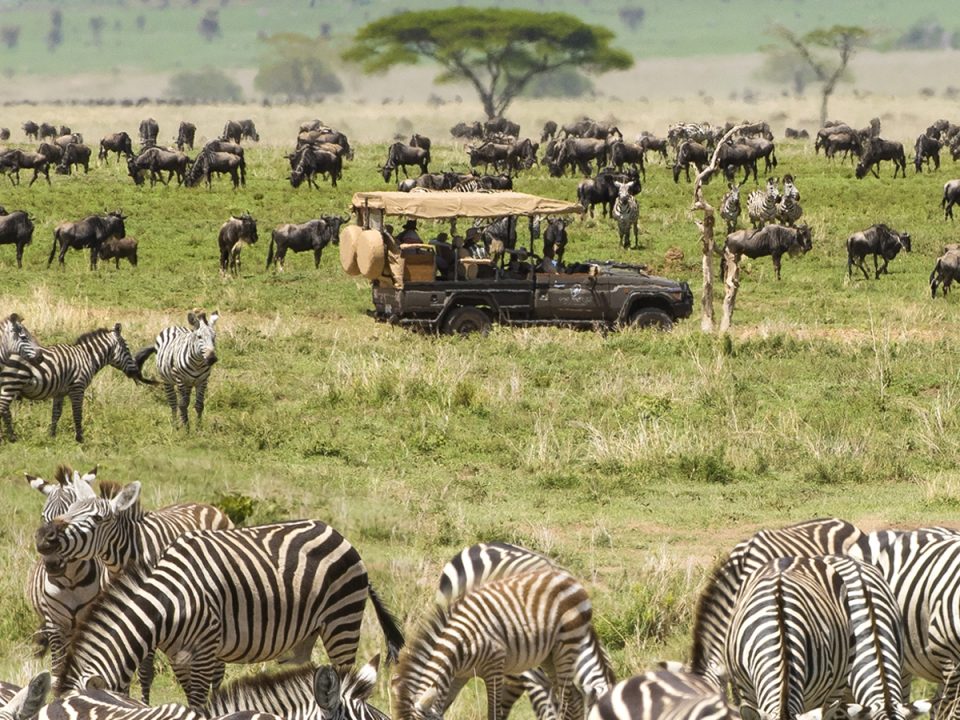
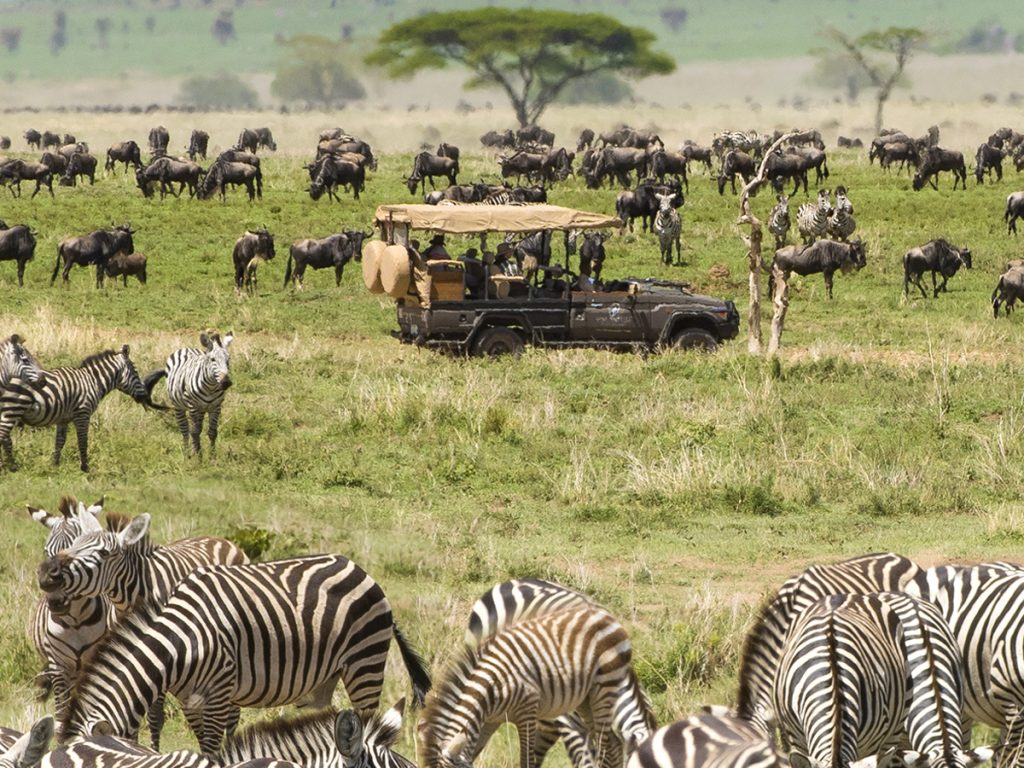
Millions of wildebeest, accompanied by large numbers of zebra and other herbivores, move across the Serengeti ecosystem in Tanzania and into Kenya’s Maasai Mara ecosystem in search of fresh grazing and water.
The migration is a natural cycle rather than a fixed annual event, so the location of the herds changes throughout the year.
One particularly dramatic experience is witnessing animals crossing rivers during the migration. These crossings can attract crocodiles and create intense wildlife activity.
Travelers planning specifically around the migration should work with a safari operator to select the destination and dates according to the expected movement of the herds.
2. Experience the Big Five
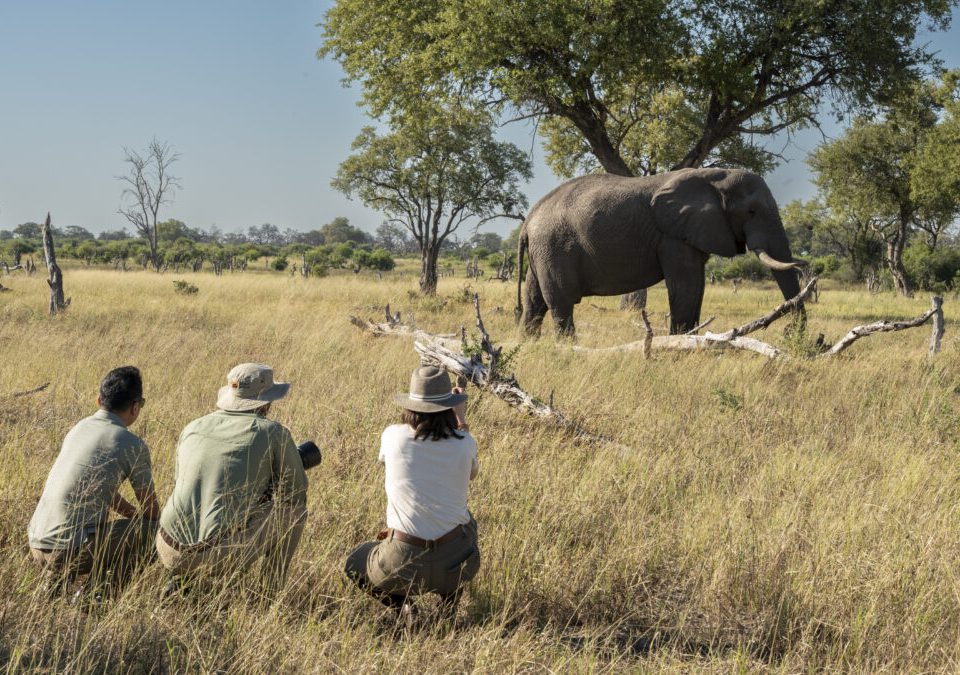
A Kenya and Tanzania Big Five safari provides opportunities to search for African elephants, lions, leopards, buffaloes, and rhinoceroses.
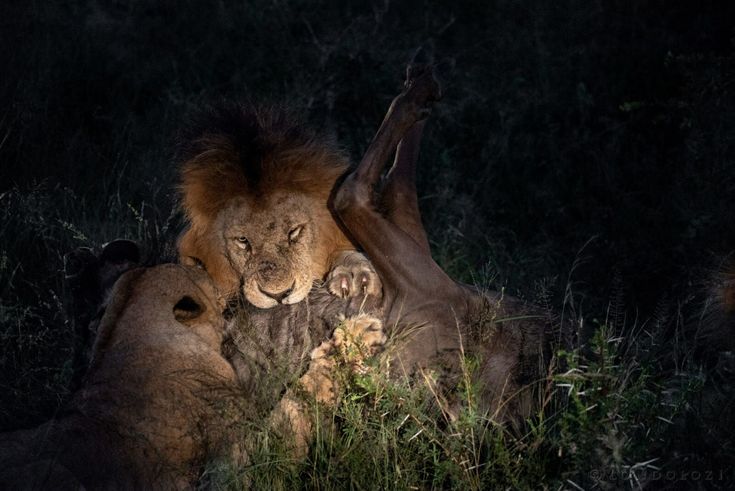
The Maasai Mara is particularly well known for its lions, cheetahs, leopards, elephants, and other plains wildlife. Tanzania’s Serengeti also offers excellent opportunities for observing large predators and their prey.
The Ngorongoro Crater is another important destination for wildlife viewing. Its enclosed ecosystem supports a remarkable concentration of animals, making a crater safari one of the memorable experiences on a Tanzania safari.
Wildlife sightings are never guaranteed because animals move freely through their natural habitats. However, experienced guides use their knowledge of animal behavior, tracks, habitats, and recent sightings to improve opportunities for encounters.
3. Enjoy Game Drives Across the Serengeti
The Serengeti National Park is one of the world’s most iconic safari destinations.
Its vast grasslands support large populations of wildebeest, zebra, gazelles, elephants, giraffes, lions, cheetahs, hyenas, and other wildlife.
A game drive across the Serengeti offers the classic African safari experience: expansive landscapes, scattered acacia trees, grazing herds, and predators moving through the plains.
Early-morning game drives are especially popular because many animals are active during the cooler hours. Afternoon and evening drives can also provide opportunities to observe wildlife behavior as temperatures fall.
For photographers, the Serengeti provides spectacular opportunities for landscape and wildlife photography.
4. Explore the Maasai Mara
The Maasai Mara National Reserve is one of Kenya’s premier wildlife destinations and an essential stop on many Kenya Tanzania safari tours.
The reserve forms part of the larger Serengeti-Mara ecosystem and is known for abundant wildlife, beautiful savannah landscapes, and large populations of predators.
Visitors can encounter lions, cheetahs, leopards, elephants, buffaloes, giraffes, zebras, wildebeest, hippos, and many bird species.
The Maasai Mara is also associated with the northern part of the Great Migration, making it particularly attractive during periods when migrating herds enter Kenya.
5. Visit the Ngorongoro Crater
The Ngorongoro Crater is another major highlight of a combined Kenya and Tanzania safari.
This spectacular volcanic caldera contains grasslands, wetlands, forests, and other habitats that support diverse wildlife.
A game drive inside the crater can provide opportunities to see lions, elephants, buffaloes, zebras, wildebeest, hippos, hyenas, and other species.
The crater also offers impressive scenery. From viewpoints above the caldera, travelers can appreciate the enormous scale of the landscape before descending for a wildlife experience.
Combining Ngorongoro with the Serengeti creates a strong wildlife-focused section of a Tanzania safari itinerary.
6. See Elephants Against Mount Kilimanjaro
For travelers who love dramatic landscapes, Amboseli National Park offers a unique experience.
Amboseli is famous for its large elephant populations and views toward Mount Kilimanjaro, Africa’s highest mountain.
On clear days, the mountain provides an extraordinary backdrop for wildlife photography.
Game drives in Amboseli can produce sightings of elephants, lions, buffaloes, giraffes, zebras, wildebeest, hippos, and numerous bird species.
The combination of elephants, open plains, wetlands, and Mount Kilimanjaro makes Amboseli one of the most visually distinctive stops on a Kenya safari.
7. Discover Tarangire’s Elephant Country
Tarangire National Park provides a different experience from the open grasslands of the Serengeti.
The park is known for its elephants, ancient-looking baobab trees, seasonal wetlands, and diverse wildlife.
During the dry season, wildlife can concentrate around available water sources, creating excellent game-viewing opportunities.
Tarangire is particularly useful for travelers who want to experience another side of Tanzania’s wildlife beyond the Serengeti and Ngorongoro.
The park can also be incorporated into itineraries beginning or ending in Arusha.
8. Search for Rhinos at Lake Nakuru
A Kenya safari can also include Lake Nakuru National Park, which provides an opportunity to search for rhinoceroses and other wildlife.
The park contains different habitats, including woodland, grassland, and areas around Lake Nakuru.
Visitors may encounter rhinos, buffaloes, giraffes, lions, leopards, zebras, and numerous bird species.
Lake Nakuru can be a useful addition to a combined itinerary, particularly for travelers who want to experience several of Kenya’s wildlife ecosystems before continuing toward the Maasai Mara.
9. Enjoy a Hot-Air Balloon Safari
For a different perspective of East Africa’s wildlife, consider a hot-air balloon safari in the Maasai Mara or Serengeti.
A balloon flight allows travelers to view the savannah from above as the landscape gradually comes to life beneath them.
From the air, you may see wildlife herds, winding rivers, woodland patches, and expansive grasslands.
Balloon safaris normally take place early in the morning and are weather-dependent. They are generally offered as an optional activity and should be arranged in advance.
10. Experience Maasai Culture
A Kenya and Tanzania safari is not only about wildlife.
The Maasai people have strong cultural connections with the ecosystems of southern Kenya and northern Tanzania. Depending on the itinerary, travelers may have opportunities to visit a Maasai community and learn about traditional lifestyles, crafts, music, dance, livestock keeping, and relationships with the surrounding environment.
Responsible cultural tourism should prioritize respectful interaction and community benefit.
A cultural visit can add an important human dimension to a wildlife safari and help travelers understand the communities living around major conservation areas.
11. Enjoy Wildlife Photography
Kenya and Tanzania are excellent destinations for African wildlife photography safaris.
The variety of animals and landscapes creates opportunities for both close-up wildlife images and wide environmental photographs.
Photographers can capture elephants beneath Kilimanjaro in Amboseli, predators in the Maasai Mara, large herds in the Serengeti, flamingos and other birds around lakes, and dramatic landscapes in the Ngorongoro area.
A photography-focused itinerary may require additional time at selected locations to allow for favorable lighting and repeated wildlife encounters.
At Mandrill African Safaris, travelers can discuss their photography interests when planning their itinerary so that game drives, accommodation, and travel times can be structured accordingly.
12. Discover Diverse East African Landscapes
Another major benefit of a combined safari is the variety of landscapes.
Kenya offers savannahs, lakes, mountains, forests, and semi-arid landscapes, while Tanzania adds vast grasslands, volcanic scenery, wetlands, and coastal possibilities.
The contrast between Amboseli’s Kilimanjaro views, Maasai Mara’s rolling grasslands, Serengeti’s plains, Ngorongoro’s crater landscape, and Tarangire’s baobab country makes the journey visually diverse.
Suggested Kenya and Tanzania Safari Route
A combined safari can be customized according to the traveler’s interests, budget, season, and available time.
A possible 12-day Kenya and Tanzania safari itinerary could include:
Day 1: Arrival in Nairobi
Day 2: Nairobi – Amboseli National Park
Day 3: Full-day Amboseli safari
Day 4: Amboseli – Lake Nakuru
Day 5: Lake Nakuru – Maasai Mara
Day 6: Full-day Maasai Mara game drive
Day 7: Maasai Mara – Serengeti
Day 8: Full-day Serengeti safari
Day 9: Serengeti – Ngorongoro
Day 10: Ngorongoro Crater safari
Day 11: Ngorongoro – Tarangire
Day 12: Tarangire – Arusha and departure
The route can be shortened or extended depending on your priorities.
Travelers interested specifically in the Great Migration may also adjust the itinerary and travel dates according to seasonal herd movements.
Best Time for a Kenya and Tanzania Safari
Kenya and Tanzania can be visited throughout much of the year, but the best travel period depends on the experiences you want.
The dry seasons are generally popular for wildlife viewing because vegetation can be less dense and animals may gather around water sources.
The migration follows a natural cycle, meaning travelers should choose their dates and safari areas according to where the herds are expected to be rather than assuming the migration occurs in one location throughout the year.
Green-season travel can also provide beautiful scenery, fewer visitors in some areas, and excellent opportunities for photography.
How Many Days Do You Need?
For a meaningful Kenya and Tanzania combined safari, travelers should consider at least 10–14 days.
A shorter safari can focus on the Maasai Mara and Serengeti, while a longer itinerary can add Amboseli, Lake Nakuru, Ngorongoro, and Tarangire.
The ideal duration depends on whether your priority is the Great Migration, Big Five wildlife, photography, cultural experiences, or a mixture of these activities.
Book Your Kenya and Tanzania Safari with Mandrill African Safaris
A Kenya and Tanzania combined safari brings together some of East Africa’s most remarkable wildlife destinations.
From watching lions and cheetahs in the Maasai Mara and Serengeti to seeing elephants beneath Mount Kilimanjaro, exploring the Ngorongoro Crater, witnessing the Great Migration, and meeting local communities, the journey offers a rich combination of wildlife, landscapes, and culture.
Mandrill African Safaris can help you plan a customized Kenya and Tanzania safari based on your preferred travel dates, accommodation level, activities, and budget.
Whether you are planning a Big Five safari, Great Migration safari, family safari, honeymoon safari, luxury safari, budget safari, or wildlife photography trip, a carefully designed Kenya-Tanzania itinerary can turn your East African adventure into an unforgettable experience.
Contact Mandrill African Safaris to start planning your Kenya and Tanzania combined safari.
Mandrill African Safaris
Rwamugyenyi Business Center
P.O. Box 185357, Kampala, Uganda
Phone: +256 783 521691
Email: info@mandrillafricasafaris.com
Website: mandrillafricasafaris.com