7 Days Southern Tanzania Wildlife Safari:
2026-08-28
Top Reasons to Visit Kenya in 2026
2026-09-02
Tanzania Conservation and Wildlife Protection Safaris: Travel for a Purpose
Discover Tanzania Conservation and Wildlife Protection Safaris with Mandrill African Safaris. Explore Serengeti, Ngorongoro, Nyerere and Mkomazi while supporting responsible tourism and wildlife conservation.
Tanzania Conservation and Wildlife Protection Safaris offer travelers an opportunity to experience Africa’s extraordinary wildlife while contributing to the protection of ecosystems, endangered species, and local communities. From the endless plains of the Serengeti to the wildlife-rich landscapes of Nyerere National Park, Tanzania provides some of the most remarkable opportunities for responsible wildlife tourism in Africa.
For travelers who want more than traditional game drives, a conservation-focused Tanzania safari combines wildlife viewing with environmental awareness, community engagement, and sustainable tourism. At Mandrill African Safaris, we believe that visiting Africa’s protected areas should help preserve them for future generations.

Tanzania has a remarkable network of protected landscapes managed through institutions including Tanzania National Parks (TANAPA), the Tanzania Wildlife Management Authority (TAWA), and the Ngorongoro Conservation Area Authority (NCAA). TANAPA describes its approach through the principle of sustainable conservation for development, while TAWA focuses on biodiversity conservation and sustainable wildlife management outside national parks and the Ngorongoro Conservation Area.
What Is a Tanzania Conservation Safari?
A Tanzania conservation safari is a wildlife journey designed around responsible travel, environmental protection, and sustainable use of natural resources.
Instead of simply visiting Tanzania to see lions, elephants, cheetahs, giraffes, wildebeest, and other wildlife, conservation travelers learn about the ecosystems that support these species and the challenges facing them.
A conservation safari can include:
- Wildlife game drives
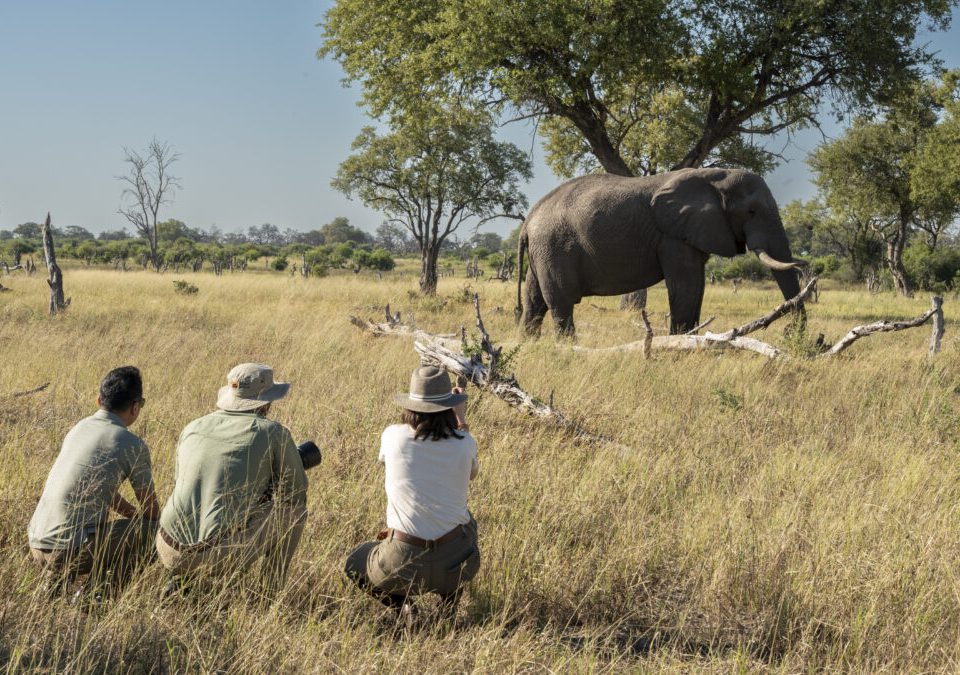
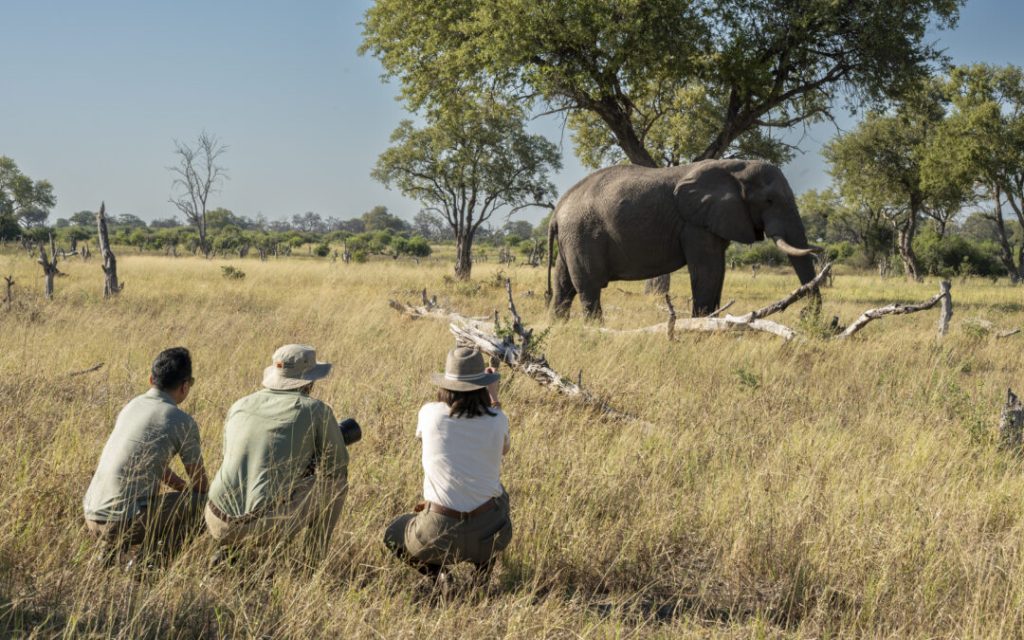
- Guided walking safaris
- Birdwatching
- Photography safaris
- Conservation education
- Visits to selected conservation projects
- Community-based tourism experiences
- Responsible cultural encounters
- Forest and habitat exploration
- Chimpanzee trekking in appropriate protected areas
- Boat safaris
- Visits to conservation-focused areas and sanctuaries
The goal is simple: experience Tanzania while helping protect its natural heritage.
Why Tanzania Is a Great Destination for Wildlife Conservation
Tanzania is one of Africa’s leading safari destinations because of its extensive protected landscapes and extraordinary biodiversity.
TANAPA currently highlights 21 national parks managed for the preservation of Tanzania’s natural heritage.
The country’s protected areas range from vast savannah ecosystems to forests, wetlands, mountains, lakes, and coastal environments. This diversity creates habitats for an impressive variety of wildlife.
The famous northern safari circuit includes destinations such as:
- Serengeti National Park
- Ngorongoro Conservation Area
- Tarangire National Park
- Lake Manyara National Park
- Arusha National Park
Meanwhile, southern and western Tanzania offer opportunities to explore less-visited wilderness areas, including:
- Nyerere National Park
- Ruaha National Park
- Mikumi National Park
- Katavi National Park
- Mahale Mountains National Park
- Rubondo Island National Park
This variety makes Tanzania ideal for travelers interested in wildlife conservation safaris in Africa.
Serengeti National Park and Conservation

The Serengeti National Park is one of Tanzania’s most iconic wildlife destinations and a globally recognized symbol of African wilderness.
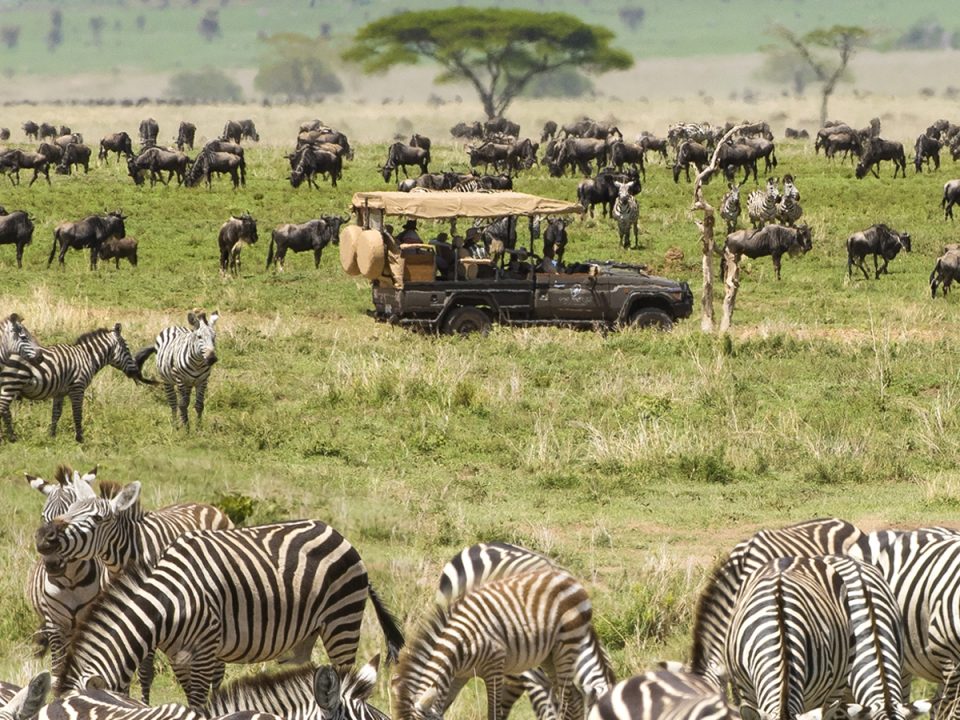
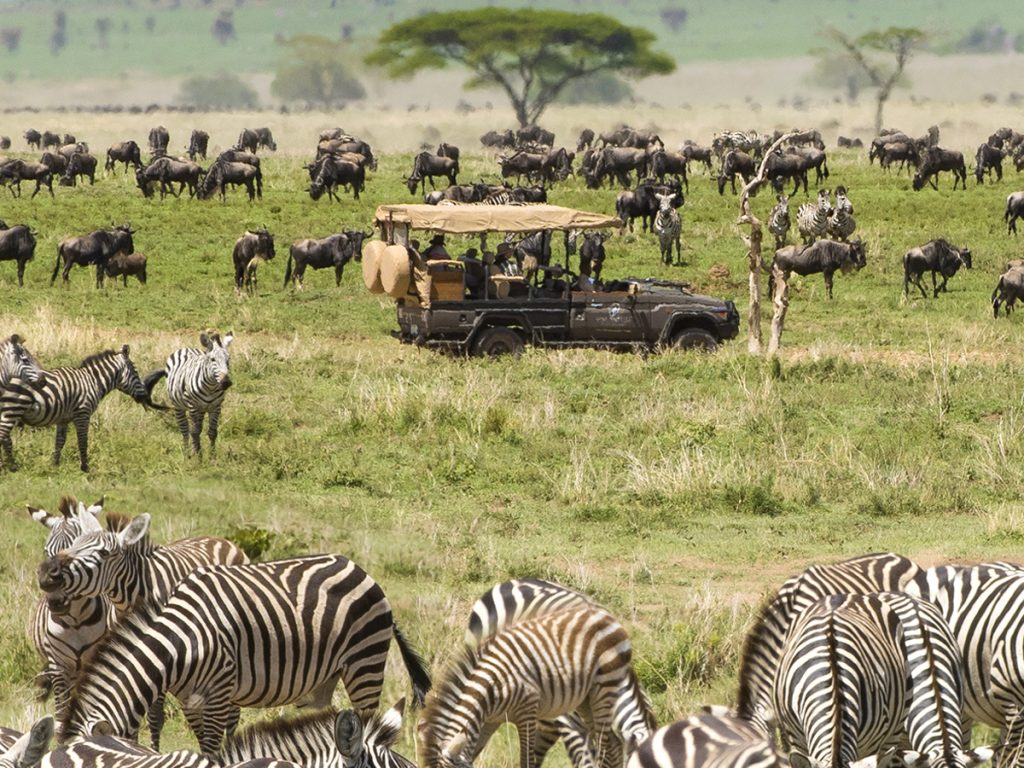
The Serengeti ecosystem supports huge populations of wildebeest, zebras, gazelles, lions, cheetahs, leopards, elephants, giraffes, and numerous bird species.
One of the most important natural events associated with the region is the Great Wildebeest Migration, during which enormous herds move across the ecosystem in search of fresh grazing and water.
Conservation in such a large ecosystem requires protecting wildlife habitats, maintaining ecological processes, managing tourism responsibly, and supporting communities living around protected areas.
A conservation-focused safari allows visitors to appreciate that wildlife encounters are not simply entertainment—they are part of a much larger ecological system.
Ngorongoro Conservation Area: Wildlife and People

The Ngorongoro Conservation Area provides one of Tanzania’s most interesting examples of conservation combined with cultural heritage and tourism.
The area is home to the spectacular Ngorongoro Crater, where visitors can encounter lions, elephants, buffalo, leopards, rhinos, flamingos, and many other species. The NCAA describes the conservation area as a place where wildlife, landscapes, cultural attractions, and human history come together.
A responsible visit should respect both wildlife and local communities.
Travelers can learn about traditional cultures, archaeological heritage, landscapes, and the importance of maintaining a balance between conservation and human livelihoods.
This makes Ngorongoro particularly valuable for travelers searching for sustainable Tanzania safari experiences.
Nyerere National Park: Conservation in the Southern Wilderness

Formerly associated with the vast Selous ecosystem, Nyerere National Park is an outstanding destination for conservation-minded travelers.
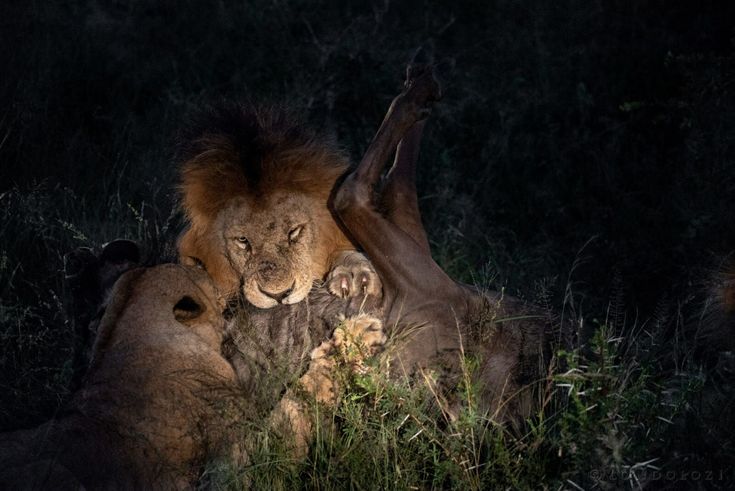
Its landscape includes miombo woodlands, floodplains, lakes, and the Rufiji River system. Wildlife includes elephants, lions, buffalo, hippos, crocodiles, giraffes, leopards, and African wild dogs.
The park also provides distinctive safari experiences such as boat safaris and guided walking safaris, allowing visitors to experience wildlife from different perspectives. TANAPA highlights conservation initiatives involving communities, river ecosystems, anti-poaching activities, research, and African wild dog protection.
For travelers interested in African wildlife conservation, Nyerere provides an excellent combination of adventure and environmental awareness.
Mkomazi National Park and Rhino Conservation

The park forms part of the wider Tsavo-Mkomazi ecosystem and is home to a variety of wildlife. It also contains the Mkomazi Rhino Sanctuary, which supports conservation and breeding efforts for critically endangered black rhinos. The park is also important for African wild dog conservation.
A visit to conservation-focused areas like Mkomazi can help travelers understand why protecting individual species also requires protecting their habitats and ecological corridors.
Community-Based Conservation in Tanzania
Wildlife cannot be protected effectively without considering the people who live around protected areas.
Communities may depend on surrounding natural resources for agriculture, livestock, water, employment, and other livelihoods. Conservation programs therefore increasingly recognize the importance of community participation.
Tanzania’s Wildlife Management Areas (WMAs) are one example of community-based conservation. They involve village communities in setting aside land for wildlife while creating opportunities for communities to benefit from sustainable natural-resource use and tourism.
This approach creates an important connection:
Wildlife protection → community benefits → stronger conservation incentives → healthier ecosystems.
When tourists choose responsible safari operators and locally beneficial tourism experiences, their spending can contribute to the broader tourism economy and encourage continued protection of wildlife habitats.
How Tourism Supports Wildlife Protection
Tourism can become an important conservation tool when it is properly managed.
National park entry fees, conservation fees, accommodation, guiding services, transportation, cultural experiences, and other tourism activities generate economic value from protected landscapes.
TANAPA notes that nature-based tourism revenue is an important source of support for managing national parks and fulfilling conservation responsibilities.
This means your safari can have an impact beyond the wildlife photographs on your camera.
By visiting Tanzania responsibly, travelers can help create economic reasons to keep forests, wetlands, grasslands, rivers, and wildlife habitats protected.
Responsible Wildlife Viewing
A conservation safari begins with responsible behavior.
At Mandrill African Safaris, we encourage travelers to follow basic wildlife-viewing principles:
1. Keep a Safe Distance
Never pressure your guide to drive too close to wildlife simply for a photograph.
2. Never Feed Wild Animals
Feeding wildlife can change natural behavior and create dangerous interactions.
3. Follow Park Regulations
Always follow the instructions of rangers, guides, and park authorities.
4. Avoid Littering
Plastic, food waste, and other rubbish can harm wildlife and contaminate ecosystems.
5. Keep Noise Low
Quiet observation allows animals to behave naturally and improves the safari experience.
6. Respect Local Communities
Photography and cultural experiences should always be conducted respectfully and with appropriate permission.
7. Choose Responsible Operators
Work with safari companies that prioritize conservation, qualified guides, ethical wildlife viewing, and local communities.
Conservation Safaris Beyond the Big Five
A conservation safari does not have to focus only on lions, elephants, leopards, buffaloes, and rhinos.
Tanzania’s biodiversity includes countless less-famous species that are equally important to functioning ecosystems.
Travelers can look for:
- African wild dogs
- Giraffes
- Cheetahs
- Hippos
- Crocodiles
- Primates
- Flamingos
- Birds of prey
- Migratory birds
- Antelopes
- Reptiles
- Rare and endemic species
In Mahale Mountains National Park, for example, conservation efforts focus on chimpanzee habitats, forest corridors, Lake Tanganyika shoreline ecosystems, and low-impact tourism.
This makes Tanzania an excellent destination for chimpanzee safaris, birdwatching safaris, photographic safaris, and primate-focused conservation journeys in addition to traditional Big Five safaris.
Best Time for a Tanzania Conservation Safari
The best time to visit Tanzania depends on the region and the wildlife experience you want.
The dry season, generally from June to October, is popular for game viewing because vegetation is often thinner and wildlife tends to concentrate around available water sources.
The January to February period can also be excellent for parts of the Serengeti ecosystem, particularly for travelers interested in seasonal wildlife activity.
The green seasons can offer beautiful landscapes, fewer visitors in some destinations, excellent birdwatching, and opportunities for photographers seeking dramatic scenery.
At Mandrill African Safaris, we can help you select the right season depending on whether your priority is wildlife photography, the Great Migration, birdwatching, primates, landscapes, or a broader conservation experience.
Why Choose Mandrill African Safaris?
A conservation safari should be about more than ticking destinations off a bucket list.
At Mandrill African Safaris, our approach is to help travelers experience East Africa while encouraging responsible tourism practices.
Our Tanzania conservation and wildlife protection safaris can be customized around:
- Wildlife photography
- Big Five game viewing
- Great Migration experiences
- Birdwatching
- Community tourism
- Cultural experiences
- Walking safaris
- Boat safaris
- Conservation-focused travel
- Multi-country East African safaris
We can also combine Tanzania with Uganda, Kenya, or Rwanda for travelers looking for a broader East African conservation experience.
Travel to Tanzania and Help Protect Its Wild Future
Tanzania’s wildlife belongs to an extraordinary natural heritage that deserves protection. A safari offers travelers the chance to witness this heritage firsthand, but responsible tourism can go one step further by helping create sustainable economic value for conservation and communities.
From the magnificent Serengeti to the wildlife-rich Ngorongoro Conservation Area, from the Rufiji waterways of Nyerere to the rhino conservation efforts of Mkomazi, Tanzania offers travelers many ways to connect adventure with conservation.
A Tanzania conservation safari is therefore more than a holiday. It is an opportunity to learn, explore, photograph, appreciate, and contribute to the protection of some of Africa’s most important ecosystems.
Plan your Tanzania Conservation and Wildlife Protection Safari with Mandrill African Safaris and discover how responsible travel can help keep Tanzania’s wild places thriving for generations to come