Top Reasons Luxury Travelers Choose Bwindi Over Other Destinations
2026-07-02
Bwindi Impenetrable Forest: The Heart of Uganda’s Tourism Industry
2026-07-03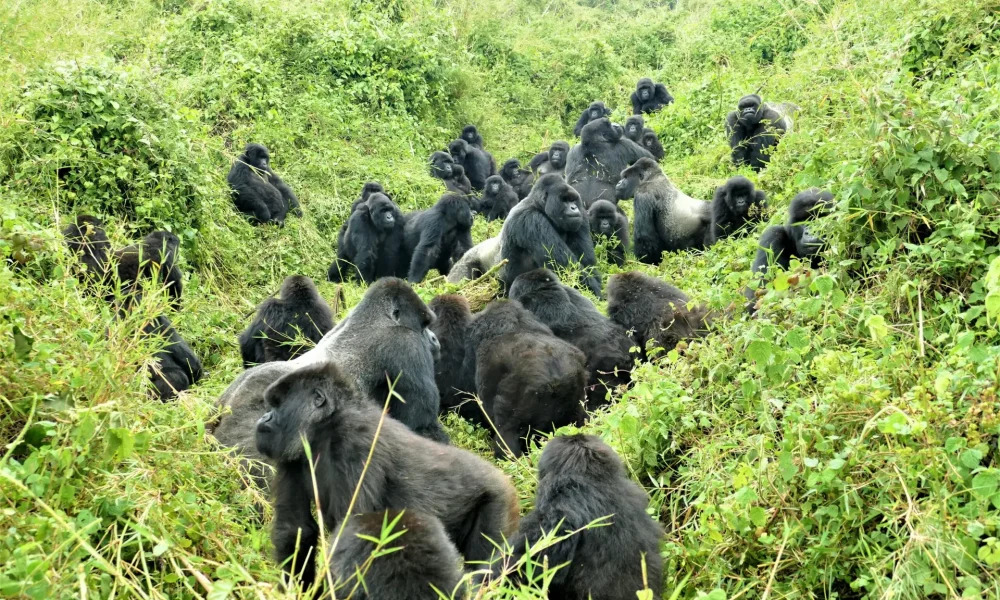
Sustainable Tourism in Bwindi: Protecting Gorillas Through Travel
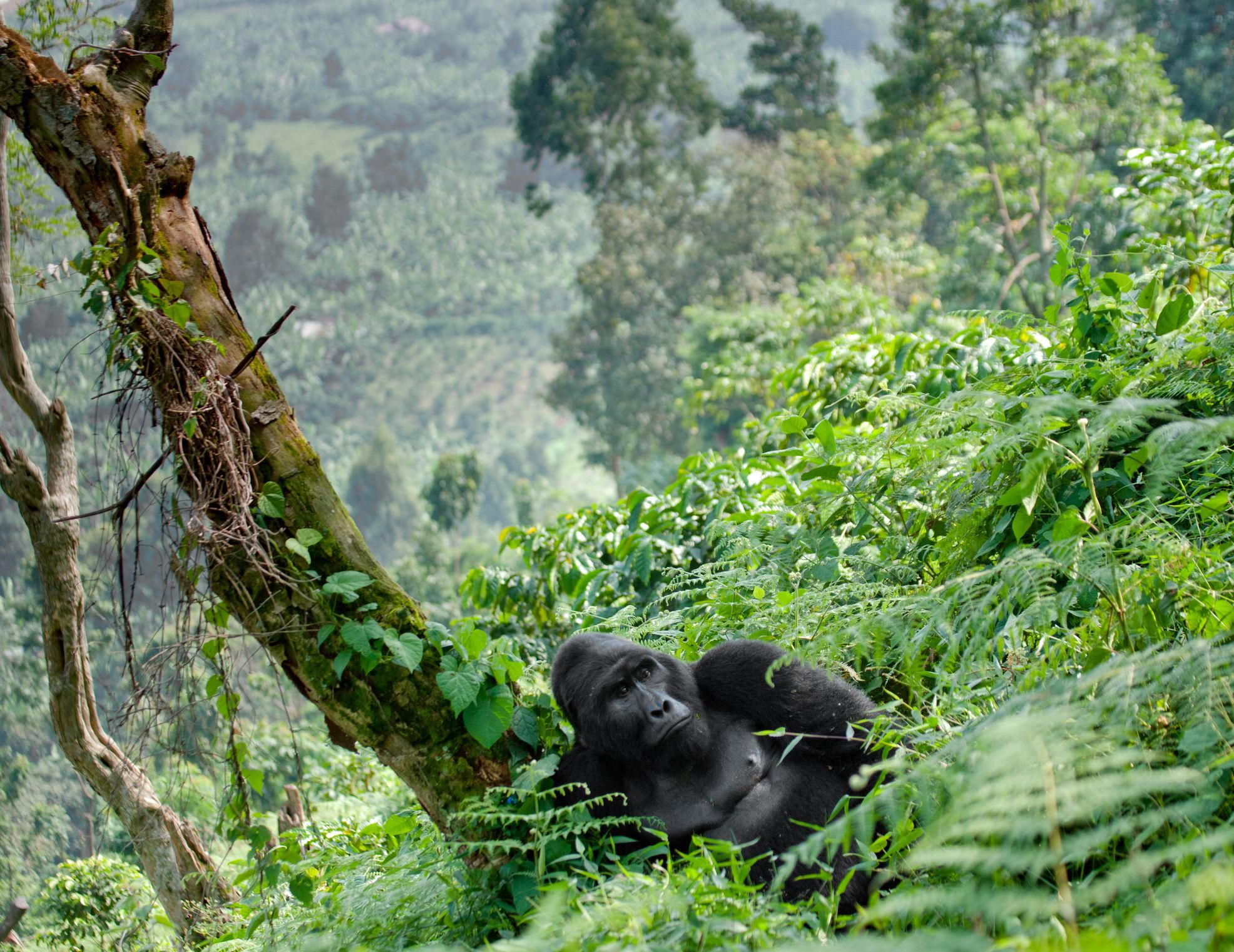
Uganda’s Bwindi Impenetrable National Park is more than just a destination—it is one of Africa’s greatest conservation success stories. Home to nearly half of the world’s remaining endangered mountain gorillas, Bwindi has become a global symbol of how tourism and conservation can work hand in hand.
Every year, thousands of visitors travel from around the world to experience the unforgettable adventure of gorilla trekking in Uganda. Beyond the excitement of standing just a few meters away from a mountain gorilla family lies a much greater purpose. Every gorilla permit purchased contributes directly to protecting these magnificent primates and preserving one of Africa’s richest ecosystems.
At Mandrill African Safaris, we believe travel should leave a positive impact. Sustainable tourism allows travelers to enjoy life-changing wildlife encounters while supporting conservation efforts and improving the lives of local communities.
What Is Sustainable Tourism?
Sustainable tourism is travel that balances environmental conservation, economic development, and social responsibility.
Rather than simply visiting a destination, responsible travelers help preserve its wildlife, natural resources, and cultural heritage for future generations.
In Bwindi, sustainable tourism focuses on:
- Wildlife conservation
- Community development
- Environmental protection
- Responsible gorilla trekking
- Supporting local businesses
- Reducing environmental impact
This approach ensures tourism benefits both visitors and the people and wildlife that call Bwindi home.
Why Bwindi Is So Important
Bwindi Impenetrable National Park is one of Africa’s most biologically diverse rainforests.
The park is home to:
- Nearly half of the world’s mountain gorillas
- Over 120 mammal species
- More than 350 bird species
- Around 220 butterfly species
- Hundreds of tree and plant species
Because mountain gorillas exist nowhere else except Uganda, Rwanda, and the Democratic Republic of Congo, protecting Bwindi is a global conservation priority.
Without conservation funding generated through tourism, protecting these endangered primates would become significantly more difficult.
Gorilla Trekking Directly Supports Conservation
One of the biggest reasons Uganda’s gorilla population continues to grow is carefully managed tourism.
Every gorilla trekking permit purchased contributes directly to conservation initiatives.
Permit revenue helps fund:
- Anti-poaching patrols
- Veterinary care
- Ranger salaries
- Habitat restoration
- Scientific research
- Gorilla monitoring
- Community conservation projects
Unlike mass tourism, gorilla trekking is strictly regulated.
Only eight visitors are allowed to visit each habituated gorilla family per day.
Visitors spend only one hour with the gorillas.
These regulations minimize stress on the animals while generating significant conservation revenue.
Responsible Gorilla Trekking Practices
Sustainable tourism depends on responsible visitor behavior.
Mandrill African Safaris educates every traveler before entering the forest.
Key gorilla trekking guidelines include:
Maintain Safe Distance
Visitors must remain at least seven meters away from gorillas to reduce disease transmission.
No Flash Photography
Flash photography can disturb gorillas.
Natural photography is encouraged.
Stay Quiet
Loud voices may stress gorillas.
Guides encourage calm, respectful behavior throughout the trek.
Never Feed Wildlife
Human food can harm gorillas and alter their natural behavior.
Leave No Trace
All waste should be removed from the forest.
Protecting Bwindi means leaving it exactly as you found it.
Tourism Benefits Local Communities
Conservation succeeds when local communities benefit.
For many years, communities surrounding Bwindi relied heavily on forest resources for survival.
Today, tourism has created alternative income opportunities.
Local residents now earn livelihoods through:
- Guiding
- Cultural performances
- Handicrafts
- Hotels and lodges
- Restaurants
- Transportation
- Community walks
- Coffee experiences
As tourism grows, communities increasingly recognize the value of protecting gorillas instead of exploiting forest resources.
Community Tourism Creates Shared Conservation
Visitors can enrich their safari by participating in community experiences.
Popular activities include:
Batwa Cultural Experience
Meet the indigenous Batwa people, who once lived inside Bwindi Forest.
Visitors learn about:
- Traditional hunting
- Herbal medicine
- Forest survival
- Ancient cultural practices
Tour fees directly support Batwa education and community development.
Coffee Tours
Several villages offer coffee-growing experiences where visitors learn how Ugandan coffee is grown, harvested, roasted, and prepared.
Purchasing locally produced coffee supports small-scale farmers.
Women’s Craft Cooperatives
Visitors can purchase handmade baskets, jewelry, fabrics, and souvenirs.
These purchases provide direct income to local women and families.
Eco-Friendly Lodges Make a Difference
Choosing environmentally responsible accommodation is another important part of sustainable tourism.
Many eco-lodges near Bwindi have adopted green practices such as:
- Solar energy
- Rainwater harvesting
- Waste recycling
- Organic gardens
- Local sourcing of food
- Eco-friendly construction
- Community employment
By staying at these lodges, travelers reduce their environmental footprint while supporting conservation-minded businesses.
Mandrill African Safaris carefully selects accommodation partners committed to sustainability.
Gorilla Conservation Success Story
Mountain gorillas were once on the brink of extinction.
Poaching, habitat destruction, and civil unrest dramatically reduced their population during the twentieth century.
Thanks to decades of collaboration between governments, conservation organizations, local communities, researchers, and responsible tourism operators, mountain gorilla numbers have steadily increased.
Today, conservation experts estimate there are more than 1,000 mountain gorillas living in the wild.
This remarkable recovery is considered one of Africa’s greatest wildlife conservation achievements.
Tourism has played a central role in making this success possible.
Challenges That Still Exist
Although progress has been remarkable, Bwindi still faces conservation challenges.
These include:
Human-Wildlife Conflict
As surrounding populations grow, encounters between people and wildlife increase.
Community conservation programs help reduce conflicts through education and sustainable livelihoods.
Climate Change
Changing rainfall patterns may affect forest ecosystems and gorilla habitats.
Sustainable environmental management is becoming increasingly important.
Disease Transmission
Because gorillas share approximately 98% of human DNA, they are vulnerable to many human illnesses.
Responsible tourism protocols help reduce health risks.
Visitors showing signs of illness are advised not to trek.
Habitat Pressure
Agricultural expansion continues to place pressure on forests outside protected areas.
Supporting conservation initiatives helps preserve critical wildlife corridors.
Why Choose Mandrill African Safaris?
At Mandrill African Safaris, sustainability is at the heart of every itinerary.
Our responsible travel philosophy includes:
- Supporting local guides
- Partnering with eco-friendly lodges
- Promoting community tourism
- Educating travelers about conservation
- Encouraging low-impact travel
- Supporting local businesses
- Creating customized eco-luxury safaris
Every safari we organize contributes toward preserving Uganda’s incredible wildlife heritage.
Our experienced guides ensure every guest enjoys a memorable experience while respecting the natural environment.
Tips for Being a Responsible Traveler in Bwindi
You can make your safari even more meaningful by following these simple practices:
- Respect park regulations.
- Carry reusable water bottles.
- Avoid single-use plastics.
- Buy locally made souvenirs.
- Stay in eco-friendly lodges.
- Hire local guides.
- Respect local cultures.
- Follow gorilla trekking rules.
- Leave no trace.
- Share conservation awareness after your trip.
Every responsible choice contributes to protecting Bwindi for future generations.
The Future of Sustainable Tourism in Bwindi
The future of Bwindi depends on continued collaboration between conservationists, governments, tourism operators, local communities, and travelers.
As demand for ethical travel continues to grow, sustainable tourism offers hope for both people and wildlife.
Every gorilla permit purchased, every community visit, every eco-lodge booked, and every responsible traveler contributes to the long-term survival of mountain gorillas.
By choosing sustainable tourism, visitors become active participants in one of the world’s most inspiring conservation stories.
Experience Responsible Gorilla Trekking with Mandrill African Safaris
A journey to Bwindi is much more than a wildlife adventure—it’s an opportunity to make a lasting impact.
Whether you’re planning your first gorilla trekking safari, a luxury Uganda holiday, a photography expedition, or a conservation-focused journey, Mandrill African Safaris is committed to delivering unforgettable experiences that protect nature and empower communities.
Travel responsibly. Explore sustainably. Help protect the world’s endangered mountain gorillas—one journey at a time.
Book your sustainable Bwindi gorilla safari with Mandrill African Safaris today and become part of Africa’s remarkable conservation success story.
Frequently Asked Questions
Is gorilla trekking sustainable?
Yes. Gorilla trekking is one of the world’s best examples of sustainable wildlife tourism. Permit fees directly support conservation, park management, and local communities.
How does tourism protect mountain gorillas?
Tourism generates revenue for anti-poaching patrols, ranger salaries, veterinary care, habitat protection, scientific research, and community development.
Can tourists spread diseases to gorillas?
Yes. Because gorillas are genetically similar to humans, strict health protocols, distancing rules, and visitor limits help minimize disease transmission.
What can travelers do to support conservation in Bwindi?
Travelers can book with responsible operators, stay at eco-lodges, purchase local crafts, follow park regulations, reduce plastic waste, and participate in community tourism initiatives.
Why choose Mandrill African Safaris?
Mandrill African Safaris offers customized, eco-conscious safari experiences that combine luxury travel with wildlife conservation, local community support, and responsible tourism practices across Uganda and East Africa.