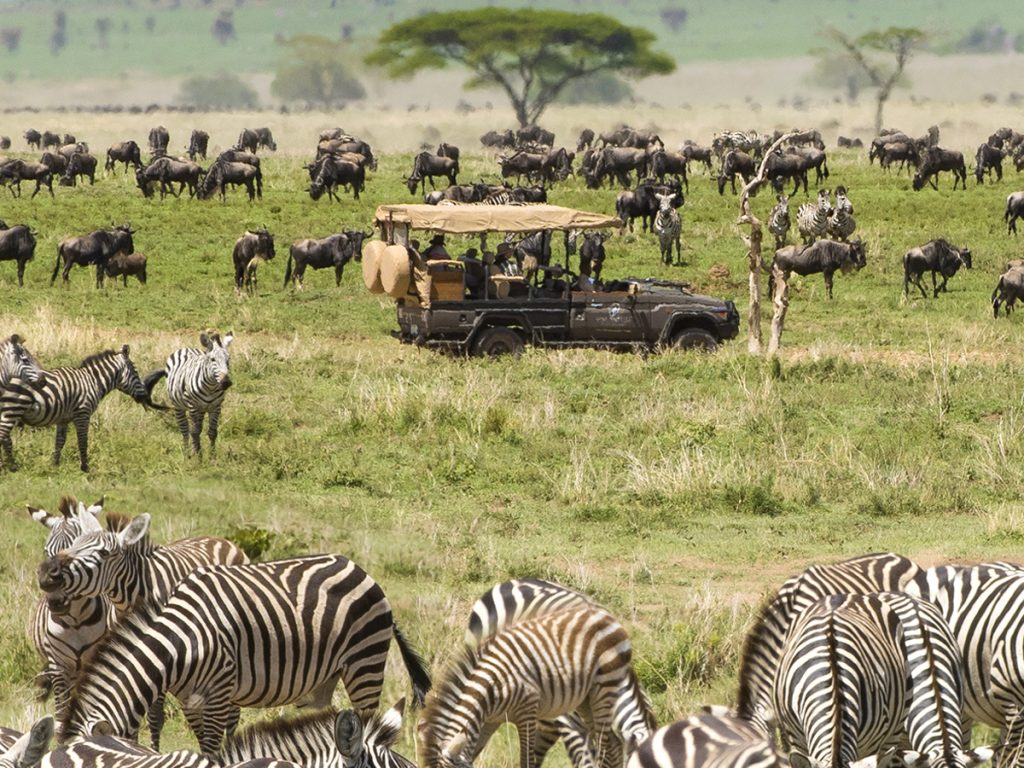
Golden Monkey Trekking Guide: Everything You Need to Know Before Your Adventure
2026-08-25
Why Rwanda Is Africa’s Cleanest Safari Destination
2026-08-26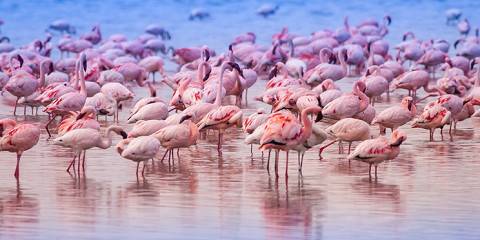
Lake Nakuru National Park Flamingo Safari: Discover Kenya’s Pink-Flamingo Paradise
Discover Lake Nakuru National Park Flamingo Safari with Mandrill Gorilla Safaris. Enjoy flamingos, rhinos, giraffes, wildlife, birdwatching and stunning Rift Valley scenery.

Lake Nakuru National Park Flamingo Safari is one of Kenya’s most rewarding wildlife and birdwatching experiences. Located in the Great Rift Valley, Lake Nakuru is famous for its scenic alkaline lake, diverse birdlife, endangered rhinos, Rothschild’s giraffes, lions, buffaloes, zebras, and, historically, spectacular gatherings of flamingos along its shores.
For travelers looking for a Kenya wildlife safari, flamingo safari in Kenya, or a memorable Lake Nakuru National Park safari, this destination offers an exciting combination of birdwatching, game viewing, photography, and breathtaking landscapes.
Managed by the Kenya Wildlife Service (KWS), Lake Nakuru National Park covers approximately 188 square kilometers and supports about 450 bird species. The park is also an important sanctuary for both black and white rhinos.
Why Choose a Lake Nakuru Flamingo Safari?
Lake Nakuru has long been associated with flamingos. The sight of pink birds gathered around the lake against the backdrop of the Rift Valley escarpments has become one of Kenya’s iconic safari images.
However, modern travelers should understand that flamingo numbers at Lake Nakuru vary considerably. Changes in lake water levels and chemistry have affected the algae that Lesser Flamingos feed on, causing birds to move between different Rift Valley lakes. Kenya Wildlife Service reported that a 2025 census found around 500 flamingos at Nakuru, compared with more than one million recorded there in January 2006.
This does not make Lake Nakuru less worthwhile. In fact, it highlights why a safari here should be viewed as a broader wildlife and birdwatching experience, rather than a guaranteed opportunity to see enormous flamingo flocks.
With Mandrill Gorilla Safaris, travelers can enjoy Lake Nakuru as part of a carefully planned Kenya safari while exploring its wildlife, landscapes, birdlife, and conservation story.
Lake Nakuru National Park at a Glance
Lake Nakuru is a shallow Rift Valley lake surrounded by grasslands, acacia woodland, rocky escarpments, and hills. Its varied habitats support a remarkable range of wildlife.
According to KWS, the park is renowned for its birdlife and is home to approximately 450 bird species. It is also famous for its rhino sanctuary, which protects substantial populations of black and white rhinos.
Key attractions include:
- Flamingos and other waterbirds
- Black and white rhinos
- Rothschild’s giraffes
- Lions
- Buffaloes
- Zebras
- Waterbucks
- Impalas
- Warthogs
- Baboons
- Leopards
- Acacia woodlands
- Lake Nakuru viewpoints
- Makalia Waterfalls
- Baboon Cliff
- Lion Hill
- Out of Africa Hill
The park’s combination of wildlife and scenery makes it particularly attractive to photographers and first-time Kenya safari travelers.
The Flamingos of Lake Nakuru
The Lesser Flamingo is the species most closely associated with Kenya’s soda lakes. These elegant birds feed primarily on microscopic organisms, including spirulina, found in alkaline lake environments.

When conditions are favorable, flamingos may gather in large concentrations, creating spectacular scenes along the shoreline. Their pink and white plumage contrasts beautifully with the blue-green water and surrounding landscapes.
Lake Nakuru has experienced major ecological changes, however. KWS explains that increased water levels have diluted the lake’s alkalinity, affecting the food resources that historically attracted large numbers of flamingos.
For this reason, Lake Nakuru flamingo sightings are seasonal and unpredictable. A responsible safari operator should never promise a particular number of flamingos. Instead, travelers should be prepared to enjoy the park’s broader biodiversity.
This makes a flamingo safari in Lake Nakuru an excellent lesson in the changing relationship between wildlife, water, climate, and ecosystems.
Best Things to See on a Lake Nakuru Safari
1. Flamingos and Waterbirds
Birdwatching is one of the main reasons visitors come to Lake Nakuru. In addition to flamingos, the park supports pelicans, fish eagles, secretary birds, herons, egrets, hamerkops, grebes, and many other species.
Bird lovers should carry binoculars and a good camera because the park offers excellent opportunities for photographing both waterbirds and terrestrial species.
2. Black and White Rhinos
Lake Nakuru is one of Kenya’s important rhino conservation destinations. KWS identifies it as Kenya’s first government-managed rhino sanctuary and notes that the park supports significant black and white rhino populations.
Seeing a rhino grazing peacefully in the open grasslands can be one of the highlights of a Lake Nakuru safari.
3. Rothschild’s Giraffes
The park also provides opportunities to see giraffes moving through grasslands and woodland habitats. Their height makes them easy to spot during game drives, particularly when they are feeding among acacia trees.
4. Lions and Leopards
Lake Nakuru supports predators including lions and leopards. Although wildlife sightings can never be guaranteed, early morning and late afternoon game drives provide some of the best opportunities to search for predators.
5. Buffaloes, Zebras and Antelopes
The park’s grasslands support buffaloes, zebras, impalas, waterbucks, bushbucks, warthogs, and other herbivores. These animals create an excellent setting for classic African safari photography.
Scenic Attractions Around Lake Nakuru
A Lake Nakuru safari is not only about animals. The landscape itself is a major attraction.

Baboon Cliff offers elevated views across the lake and surrounding park. Lion Hill provides another impressive viewpoint, while Out of Africa Hill is associated with spectacular panoramic scenery.
Makalia Waterfalls is another attraction worth including in a Lake Nakuru itinerary. The waterfall and surrounding landscape provide a refreshing contrast to the open savannah.
These viewpoints are particularly beautiful during early morning and late afternoon when changing light creates dramatic colors across the Rift Valley.
Best Time for a Lake Nakuru Flamingo Safari
Lake Nakuru can be visited throughout the year, but the ideal timing depends on your safari priorities.
For wildlife viewing and photography, the drier months are often attractive because vegetation can be less dense and animals may be easier to locate.
The wetter periods bring greener landscapes and can provide excellent scenery and bird activity. However, heavy rainfall may affect road conditions in some areas.
For flamingos specifically, there is no guaranteed month when enormous flocks will be present. Their distribution is influenced by water levels, food availability, and broader ecological conditions across Kenya’s Rift Valley lakes. Recent KWS monitoring demonstrates how significantly flamingo distribution can change between lakes and from year to year.
Therefore, travelers interested in flamingos should remain flexible and consider combining Lake Nakuru with other Rift Valley lakes where appropriate.
How to Get to Lake Nakuru National Park
Lake Nakuru is conveniently located in Kenya’s Rift Valley and is one of the more accessible national parks from Nairobi.
KWS states that the park is approximately 156 kilometers northwest of Nairobi, accessible via the main Nairobi–Nakuru highway, with entry through gates including Lanet, Nderit, and the Main Gate.
This accessibility makes Lake Nakuru an excellent addition to a longer Kenya safari.
A popular route is:
Nairobi → Lake Nakuru → Lake Naivasha → Maasai Mara
Travelers can also combine Lake Nakuru with destinations such as Amboseli National Park, Samburu National Reserve, or Tsavo National Parks depending on the length and objectives of the safari.
Where to Stay in Lake Nakuru National Park
Visitors have a variety of accommodation choices, ranging from comfortable safari lodges and tented camps to campsites.
KWS lists facilities and accommodation options including Sarova Lion Hill, The Cliff, Lake Nakuru Lodge, Lake Nakuru Sopa Lodge, and other camping facilities.
Your choice of accommodation will depend on your budget and safari style.
Budget travelers can consider campsites or simpler accommodation.
Mid-range travelers can choose comfortable lodges or tented camps.
Luxury travelers can select premium safari properties offering spacious rooms, excellent dining, scenic views, and additional guest services.
Mandrill Gorilla Safaris can help travelers select accommodation according to their budget, preferred comfort level, and itinerary.
Lake Nakuru Safari Photography Tips
Lake Nakuru is a fantastic destination for wildlife photography.
For flamingo photography, use a telephoto lens and avoid getting too close to birds. Early morning light can produce beautiful reflections on the lake, while late afternoon offers warm colors and dramatic silhouettes.
For wildlife photography:
- Carry a telephoto lens.
- Bring extra batteries and memory cards.
- Use binoculars to locate distant animals.
- Shoot during early morning and late afternoon.
- Be patient around waterholes and wildlife-rich areas.
- Follow your guide’s instructions.
- Avoid making unnecessary noise.
- Never leave the vehicle except in designated areas.
KWS advises visitors to remain in vehicles unless in designated areas, stay on established roads, observe the 40 km/h speed limit, and maintain a minimum distance of 20 meters from wildlife.
A Sample Lake Nakuru Flamingo Safari Experience
A typical Lake Nakuru safari can begin early in the morning from Nairobi. After driving into the Great Rift Valley, travelers arrive at Lake Nakuru National Park for a game drive.
The morning can be dedicated to searching for flamingos and other waterbirds along the lake before continuing through the park’s grasslands and woodland areas.
A game drive may provide opportunities to see rhinos, giraffes, buffaloes, zebras, impalas, baboons, and potentially predators.
After lunch, travelers can visit scenic viewpoints such as Baboon Cliff or Lion Hill before continuing with an afternoon game drive.
As the sun begins to descend, the changing colors over the lake create an excellent setting for photography. The day ends with a return to the lodge or onward travel depending on the safari itinerary.
Why Travel with Mandrill Gorilla Safaris?
At Mandrill Gorilla Safaris, we understand that a great African safari is about more than simply ticking animals off a list.
Our goal is to create meaningful wildlife experiences that combine excellent planning, knowledgeable guides, comfortable accommodation, reliable transportation, and opportunities to appreciate the landscapes and conservation stories behind each destination.
A Lake Nakuru National Park flamingo safari can be incorporated into short Kenya trips or longer East African safari packages.
For travelers coming from Uganda, the destination can also be combined with a broader Uganda and Kenya safari, allowing you to experience the different wildlife landscapes of East Africa in one journey.
Plan Your Lake Nakuru Flamingo Safari
Lake Nakuru remains one of Kenya’s most fascinating safari destinations. While flamingo numbers fluctuate with changing ecological conditions, the park continues to offer exceptional birdwatching, rhino viewing, scenic landscapes, and diverse wildlife.
The real magic of Lake Nakuru is its variety: one moment you may be watching birds along the shoreline, and the next you may be photographing a rhino in the grasslands or giraffes against the Rift Valley escarpment.
If you are searching for a Lake Nakuru safari, Kenya flamingo safari, Lake Nakuru birdwatching safari, or a complete Kenya wildlife safari, Mandrill Gorilla Safaris can help design an itinerary tailored to your travel dates, budget, and interests.
Your African adventure starts with the right destination—and Lake Nakuru is a beautiful place to begin.