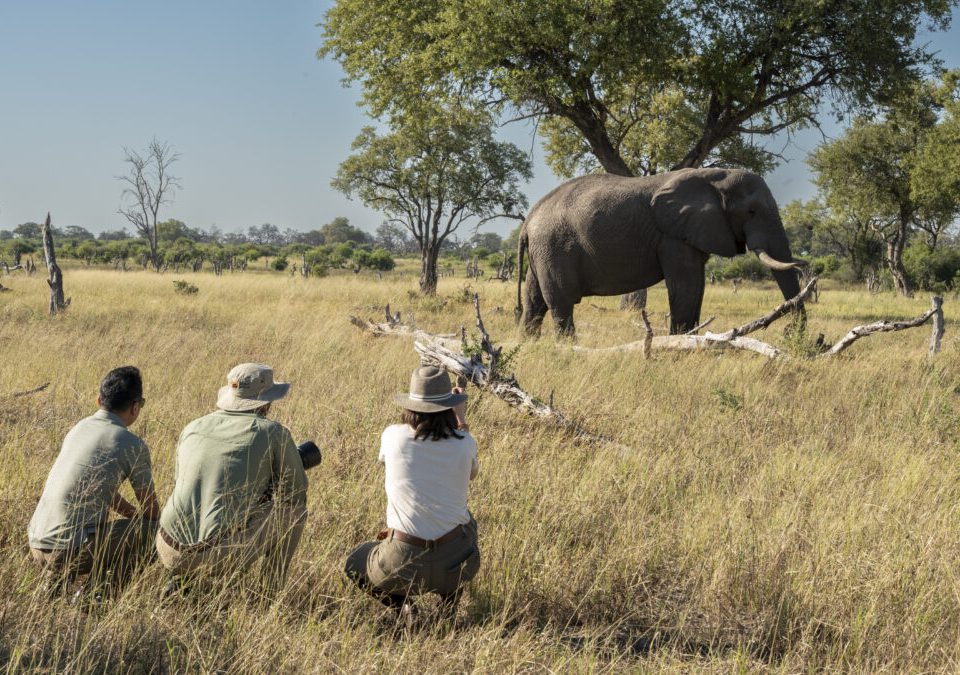
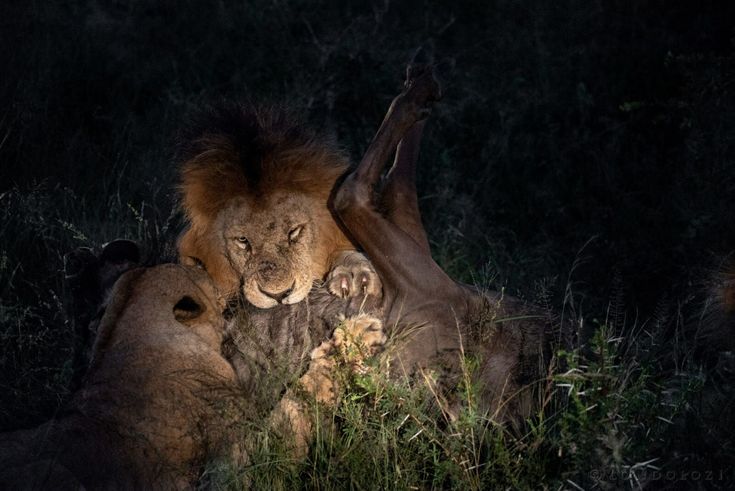
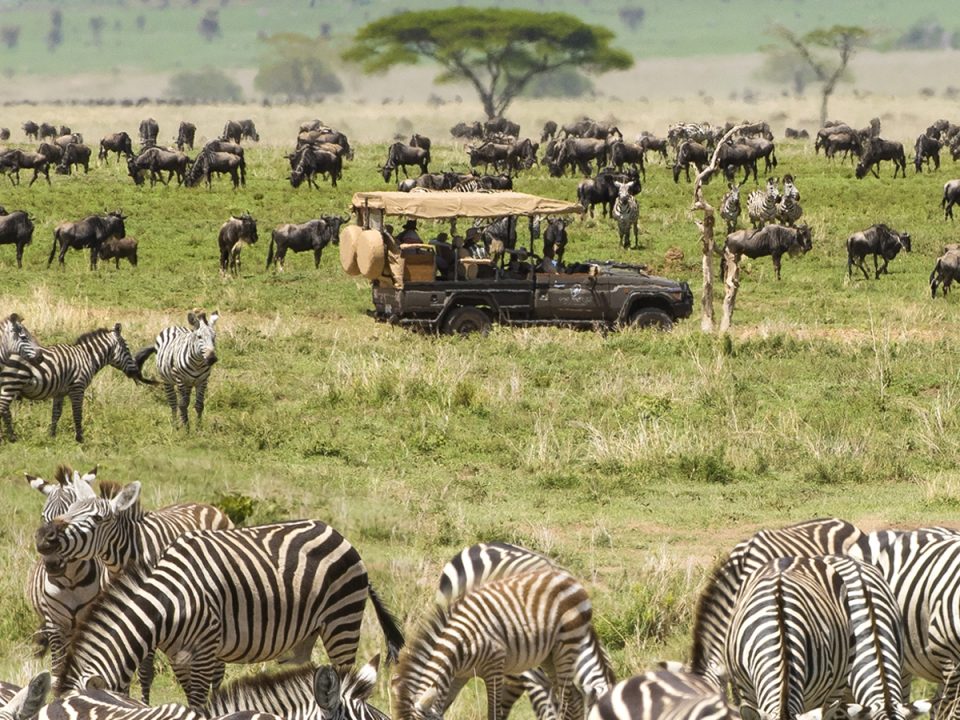
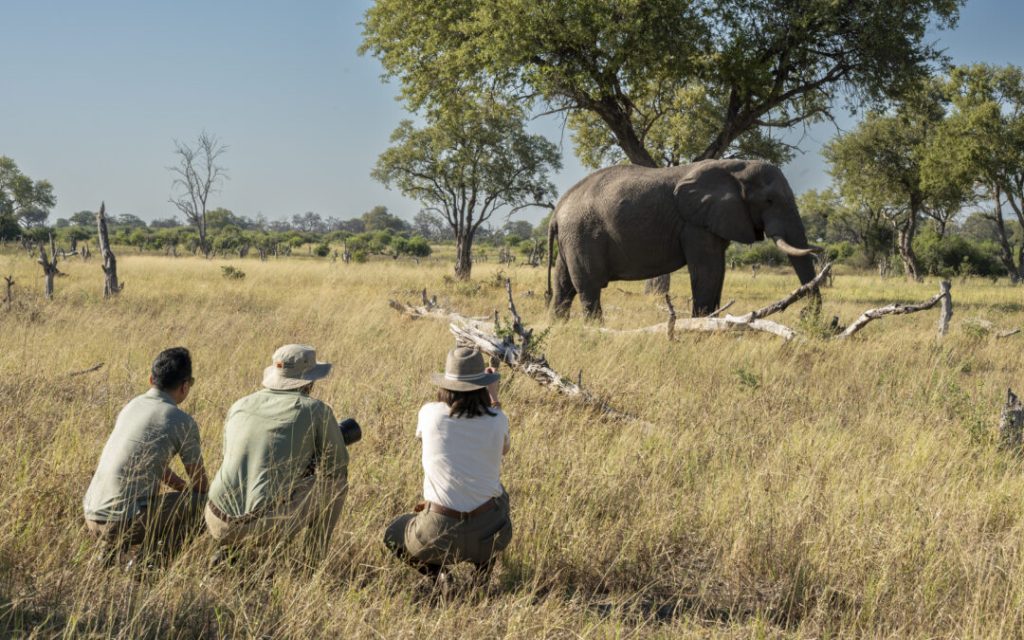
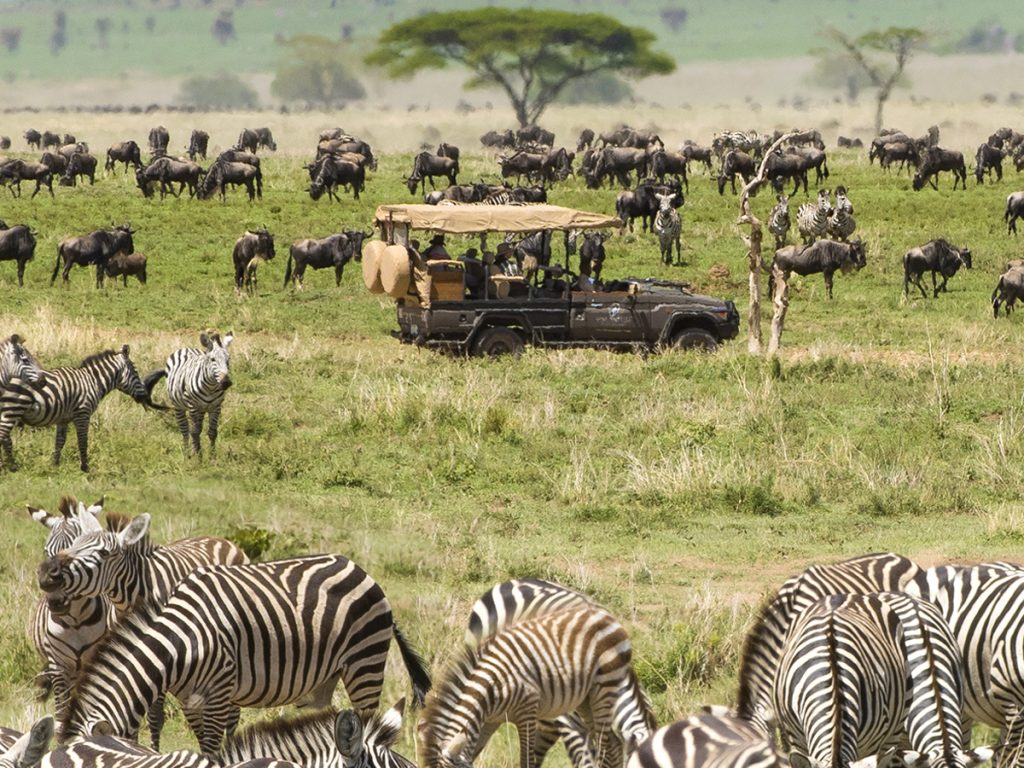
15-Day Uganda, Kenya and Tanzania Safari: Gorillas, Big Five & Great Migration
2026-09-14
Burundi Safari Guide for First-Time Travelers
2026-09-15
How to Plan a Multi-Country East African Safari
Plan the perfect multi-country East African safari with expert tips on Uganda, Rwanda, Kenya and Tanzania, gorilla trekking, wildlife, budgets, transport and more.
A multi-country East African safari is one of the best ways to experience the incredible diversity of Africa in a single journey. Instead of exploring only one destination, travelers can combine Uganda, Kenya, Tanzania, and Rwanda to enjoy gorilla trekking, the Big Five, the Great Migration, scenic landscapes, cultural encounters, bird watching, and unforgettable wildlife experiences.
However, planning a multi-country safari requires more preparation than a conventional holiday. Different countries have different entry requirements, transportation networks, national park regulations, accommodation options, and safari seasons. With careful planning and the right local safari operator, you can create a smooth and rewarding East Africa safari itinerary.
At Mandrill African Safaris, we help travelers design customized East African safari holidays based on their interests, budget, travel dates, and preferred destinations. Here is everything you need to know when planning your next multi-country African adventure.
What Is a Multi-Country East African Safari?
A multi-country East African safari combines two or more East African countries in one travel itinerary. The most popular combinations include:
- Uganda and Rwanda
- Kenya and Tanzania
- Uganda, Kenya, and Tanzania
- Uganda, Rwanda, Kenya, and Tanzania
- Rwanda and Tanzania
- Uganda, Rwanda, and Kenya
Each country offers something different. Uganda is particularly famous for mountain gorilla trekking, chimpanzee tracking, diverse wildlife, and birding. Rwanda is known for gorilla trekking in Volcanoes National Park, beautiful scenery, and excellent tourism infrastructure.
Kenya is renowned for the Maasai Mara, Big Five safaris, cultural experiences, and spectacular landscapes, while Tanzania offers the Serengeti, Ngorongoro Crater, Mount Kilimanjaro, and the annual Great Migration.
Combining these destinations allows travelers to experience several sides of East Africa during one holiday.
1. Decide Which Countries You Want to Visit
The first step is choosing your destinations. Your choice should depend on what you want to see and do.
Uganda

Uganda is an excellent destination for travelers interested in:
- Gorilla trekking in Bwindi Impenetrable National Park
- Golden monkey trekking in Mgahinga
- Chimpanzee tracking in Kibale National Park
- Big Five wildlife safaris
- Murchison Falls National Park
- Queen Elizabeth National Park
- Kidepo Valley National Park
- Bird watching
- Cultural experiences
A Uganda safari can easily be combined with Rwanda or Kenya.
Rwanda
Rwanda is ideal for travelers looking for a combination of gorilla trekking, culture, scenery, and comfortable travel.
Popular attractions include:
- Volcanoes National Park
- Kigali
- Nyungwe National Park
- Akagera National Park
- Lake Kivu
A Uganda-Rwanda safari is especially popular because the two countries can be combined into one itinerary by road.
Kenya
Kenya is one of Africa’s most famous safari destinations. The Maasai Mara National Reserve is particularly popular for wildlife viewing and the Great Migration.
Other attractions include:
- Amboseli National Park
- Lake Nakuru National Park
- Samburu National Reserve
- Tsavo National Parks
- Maasai cultural experiences
- Nairobi National Park
Tanzania
Tanzania is an excellent choice for travelers who want exceptional wildlife viewing and dramatic landscapes.
Key destinations include:
- Serengeti National Park
- Ngorongoro Conservation Area
- Tarangire National Park
- Lake Manyara National Park
- Mount Kilimanjaro
- Zanzibar
Combining Kenya and Tanzania creates one of the classic East African safari holidays.
2. Choose the Main Experiences You Want
Rather than simply choosing countries, decide what experiences are most important to you.
For example, a traveler interested in primates might choose:
Uganda + Rwanda
for gorilla trekking and chimpanzee tracking.
A traveler focused on wildlife might choose:
Kenya + Tanzania
for Maasai Mara, Serengeti, and Ngorongoro Crater.
A traveler who wants primates and wildlife could choose:
Uganda + Kenya + Tanzania
for gorillas, chimpanzees, the Big Five, and the Great Migration.
Your priorities will determine how many days you should spend in each country.
3. Plan the Right Number of Days
One of the biggest mistakes travelers make is trying to visit too many destinations in too little time.
A multi-country safari should allow enough time for wildlife activities, transfers, relaxation, and unexpected travel delays.
For example, a 10-day East African safari could combine Uganda and Rwanda, while a 14- to 21-day itinerary can comfortably include Uganda, Kenya, and Tanzania.
A sample 14-day itinerary could include:
Days 1–2: Arrival and Kampala or Entebbe
Days 3–5: Bwindi Impenetrable National Park – gorilla trekking
Days 6–7: Rwanda – Kigali and Volcanoes National Park
Days 8–10: Kenya – Maasai Mara safari
Days 11–13: Tanzania – Serengeti safari
Day 14: Departure
The exact itinerary should be adjusted according to flights, border crossings, permits, and the activities you want.
4. Consider the Best Time to Travel
Timing is extremely important when planning an East African safari.
East Africa generally has dry and wet seasons, but weather patterns vary between destinations.
The dry seasons are often popular because wildlife tends to be easier to spot around water sources, roads are generally more accessible, and trekking conditions can be favorable.
However, the wet seasons can also offer excellent safari experiences. Landscapes become greener, birdlife can be spectacular, and some lodges offer lower-season rates.
If your primary objective is witnessing the Great Migration, your itinerary should be planned around the movement of the wildebeest and the specific areas you want to visit.
For gorilla trekking, there is no single guaranteed month for sightings because gorillas live in their natural habitat throughout the year. Good planning should therefore consider rainfall, trekking conditions, permit availability, and your preferred travel dates.
5. Book Gorilla Trekking Permits Early
If Uganda or Rwanda is included in your safari, gorilla trekking permits should be one of your first considerations.
Gorilla trekking is a highly regulated activity, and the number of visitors allowed to trek gorilla families each day is limited.
Travelers should therefore secure permits before finalizing the rest of the itinerary.
In Uganda, gorilla trekking takes place mainly in Bwindi Impenetrable National Park and Mgahinga Gorilla National Park. Rwanda’s main gorilla trekking destination is Volcanoes National Park.
Because permits are date-specific, availability should be checked before confirming accommodation and transportation.
6. Understand Border Crossings and Entry Requirements
Traveling between several East African countries means paying attention to immigration and entry requirements.
Depending on your nationality and itinerary, you may need:
- Valid passport
- Visas or applicable travel authorization
- Passport-size photographs where required
- Proof of accommodation
- Return or onward travel information
- Travel insurance
- Yellow fever vaccination documentation where applicable
Visa rules can change, so travelers should verify current requirements before departure.
For regional travel, your safari company can also help you understand the practical arrangements involved in crossing borders.
7. Choose Between Road and Air Travel
Transportation can significantly affect your safari experience.
Road travel is popular because it allows travelers to enjoy scenery, villages, local communities, and attractions along the way. It can also be cost-effective when visiting destinations that are relatively close together.
However, some journeys are long. Domestic or regional flights can save considerable time.
For example, instead of spending an entire day traveling between distant destinations, you may choose to fly and spend more time enjoying wildlife activities.
A good multi-country safari itinerary combines road transfers and flights strategically rather than relying entirely on one form of transportation.
8. Select the Right Accommodation
Accommodation should match your budget and travel style.
Options include:
- Budget hotels
- Guesthouses
- Safari camps
- Mid-range lodges
- Luxury safari lodges
- Tented camps
- Boutique hotels
For travelers on a budget, comfortable mid-range accommodation can provide a good balance between price and quality.
Luxury travelers may prefer exclusive lodges and tented camps located close to national parks and wildlife areas.
When selecting accommodation, consider location, meals, room facilities, accessibility, and proximity to park gates or trekking starting points.
9. Create a Realistic Safari Budget
The cost of a multi-country safari depends on several factors.
Your budget should account for:
- Gorilla permits
- Park entrance fees
- Accommodation
- Safari vehicle
- Professional driver-guide
- Domestic flights
- International flights
- Meals
- Fuel
- Airport transfers
- Border-crossing expenses
- Activities
- Travel insurance
- Visa fees
- Tips and personal expenses
A budget safari may focus on simple accommodation and road transportation, while a luxury safari may include premium lodges, private vehicles, and internal flights.
The best approach is to establish your budget before designing the itinerary so that your safari operator can recommend suitable options.
10. Choose a Reliable East African Safari Operator
A professional safari company can make the difference between a complicated trip and a smooth adventure.
When choosing an East African safari operator, consider:
- Experience in the region
- Knowledge of national parks
- Experienced driver-guides
- Transparent pricing
- Positive traveler reviews
- Flexible itineraries
- Emergency support
- Reliable safari vehicles
- Knowledge of border procedures
- Conservation and responsible tourism practices
A local operator can also provide valuable advice that may not be obvious when planning independently.
At Mandrill African Safaris, we create customized safaris across Uganda, Rwanda, Kenya, Tanzania, Burundi, and other African destinations. Our itineraries can be tailored for wildlife enthusiasts, families, honeymooners, photographers, bird watchers, adventure travelers, and travelers interested in primates.
11. Leave Enough Time for Each Destination
Another important planning principle is avoiding an itinerary that feels rushed.
For example, spending only one night in every destination may mean spending more time packing, checking out, and traveling than enjoying the actual safari.
Instead, identify your priority destinations and give them enough time.
A gorilla trekking experience may require several days because of the long journey to Bwindi or Volcanoes National Park. Similarly, wildlife destinations such as the Serengeti and Maasai Mara deserve enough time for multiple game drives.
Remember: a safari is about quality, not simply the number of countries visited.
12. Pack for Different East African Environments
A multi-country safari may expose you to different climates and landscapes.
Useful items include:
- Lightweight clothing
- Warm layers
- Comfortable hiking shoes
- Hat and sunglasses
- Rain jacket
- Insect repellent
- Sunscreen
- Binoculars
- Camera and extra batteries
- Reusable water bottle
- Small backpack
- Personal medication
- Travel documents
For gorilla trekking, sturdy hiking shoes, long trousers, gardening gloves, and waterproof clothing can be particularly useful.
13. Include Cultural Experiences
A multi-country safari should not be limited to wildlife.
East Africa is home to diverse communities with fascinating traditions, cuisines, crafts, music, and histories.
Depending on your itinerary, you can include:
- Maasai cultural experiences in Kenya and Tanzania
- Batwa cultural experiences in Uganda
- Kigali city tours
- Local community visits
- Traditional food experiences
- Village walks
- Craft markets
Cultural experiences make the journey more meaningful and help travelers understand the communities living alongside wildlife areas.
14. Practice Responsible Tourism
Responsible travel is essential when visiting Africa’s protected areas.
Travelers should respect wildlife by maintaining safe distances, following guide instructions, avoiding littering, and never feeding animals.
When visiting communities, ask permission before taking photographs and support locally owned businesses where possible.
Choosing safari operators that support conservation and local communities also helps ensure tourism benefits the destinations you visit.
Conclusion
Planning a multi-country East African safari allows you to combine some of Africa’s most spectacular wildlife and cultural destinations in one unforgettable journey. From Uganda’s mountain gorillas and chimpanzees to Kenya’s Maasai Mara and Tanzania’s Serengeti, every destination offers a different experience.
The secret to a successful safari is careful planning. Choose your countries based on your interests, select the right travel season, secure gorilla permits early, understand border and visa requirements, balance road and air travel, choose suitable accommodation, and create a realistic budget.
Most importantly, avoid trying to see everything at once. A well-designed itinerary gives you enough time to enjoy each destination without feeling rushed.
Whether you are planning a Uganda-Rwanda safari, Kenya-Tanzania safari, or a comprehensive Uganda-Kenya-Tanzania safari, Mandrill African Safaris can help create an itinerary that matches your travel goals and budget.
Start planning your East African safari holiday and discover the extraordinary landscapes, wildlife, cultures, and experiences that make East Africa one of the world’s greatest safari destinations.
Mandrill African Safaris
Rwamugyenyi Business Center, Kampala, Uganda
P.O. Box 185357, Kampala, Uganda
Phone: +256 783 521 691
Email: info@mandrillafricasafaris.com
Website: mandrillafricasafaris.com