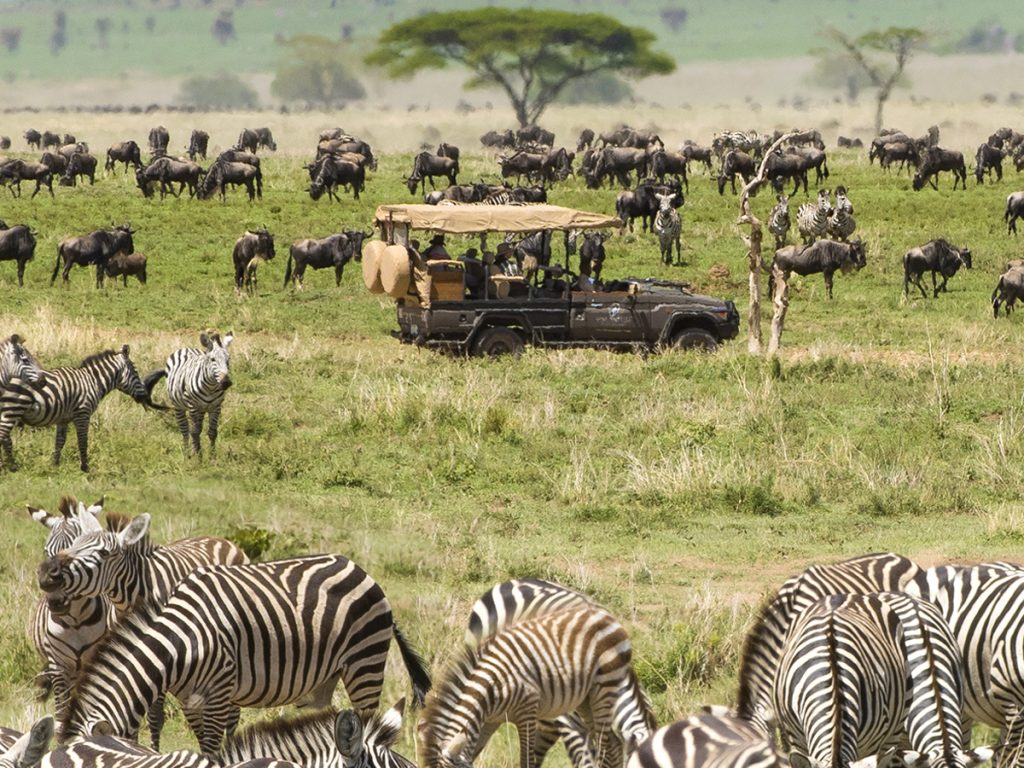
Why Tanzania Is Africa’s Ultimate Safari Destination
2026-05-19
Best Honeymoon Safari Destinations in Tanzania
2026-05-20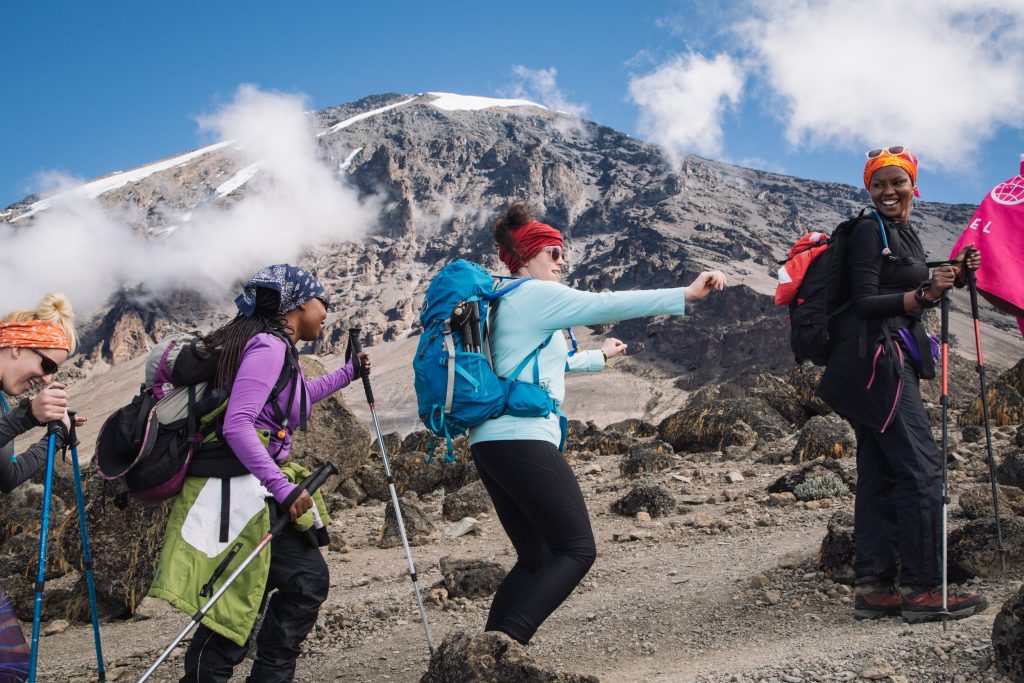
Climbing Mount Kilimanjaro: Complete Travel Guide
Plan the ultimate Mount Kilimanjaro adventure with Mandrill African Safaris. Discover the best routes, costs, packing lists, altitude tips, trekking seasons, and expert travel advice for climbing Africa’s highest mountain.
Standing proudly above the plains of Tanzania, Mount Kilimanjaro is Africa’s tallest mountain and one of the world’s most iconic trekking destinations. Rising to an incredible 5,895 meters (19,341 feet), this majestic peak attracts thousands of adventurers every year who dream of standing on the “Roof of Africa.”
Unlike many high mountains that require technical climbing skills, Mount Kilimanjaro can be climbed by ordinary travelers with determination, proper preparation, and expert guidance. Whether you are an experienced trekker or a first-time mountain adventurer, climbing Kilimanjaro is a life-changing journey filled with breathtaking landscapes, diverse ecosystems, and unforgettable sunrises.
Where Is Mount Kilimanjaro Located?
Mount Kilimanjaro is located in northeastern Tanzania near the Kenyan border. The mountain lies within Kilimanjaro National Park, a UNESCO World Heritage Site famous for its unique biodiversity and scenic beauty.
The nearest town to the mountain is Moshi, which serves as the main gateway for climbers. Most international travelers arrive through Kilimanjaro International Airport before transferring to Moshi or Arusha.
Why Climb Mount Kilimanjaro?

Climbing Kilimanjaro is more than just a hiking adventure. It is a personal achievement and a chance to experience one of Africa’s greatest natural wonders.
Highlights of Climbing Kilimanjaro
- Reaching the highest point in Africa
- Witnessing spectacular glaciers and volcanic landscapes
- Trekking through five distinct climate zones
- Experiencing incredible sunrise views at Uhuru Peak
- Meeting local Chagga guides and porters
- Combining the trek with Tanzania wildlife safaris
Many travelers combine Kilimanjaro trekking with visits to famous destinations like Serengeti National Park and Ngorongoro Conservation Area for the ultimate East African adventure.
Best Time to Climb Mount Kilimanjaro
Although Kilimanjaro can be climbed year-round, certain months offer better weather conditions and clearer views.
Best Seasons
January to March
- Cooler temperatures
- Fewer crowds
- Good snow visibility at the summit
June to October
- Dry weather
- Excellent trekking conditions
- Most popular climbing season
Rainy Seasons to Avoid
- April and May
- November
Heavy rains can make trails slippery and reduce visibility, although some experienced hikers still choose these periods for quieter routes.
Best Routes for Climbing Kilimanjaro
There are several established routes to the summit, each offering different scenery, difficulty levels, and success rates.
1. Machame Route – The Most Popular
The Machame Route is often called the “Whiskey Route.” It is scenic, moderately difficult, and ideal for adventurous hikers.
Highlights
- Beautiful rainforest scenery
- Excellent acclimatization profile
- High summit success rate
Duration
6–7 days
2. Marangu Route – The Easiest Route
Known as the “Coca-Cola Route,” the Marangu Route is the only route with hut accommodations instead of camping.
Highlights
- Comfortable sleeping huts
- Gradual ascent
- Suitable for beginners
Duration
5–6 days
However, the shorter itinerary gives less time for acclimatization, which may reduce summit success.
3. Lemosho Route – Best for Acclimatization
The Lemosho Route is one of the most scenic and successful routes on Kilimanjaro.
Highlights
- Stunning panoramic views
- Fewer crowds
- Excellent acclimatization
Duration
7–8 days
This route is highly recommended for travelers seeking a better summit success rate.
4. Rongai Route – Northern Adventure
The Rongai Route approaches the mountain from the northern side near Kenya.
Highlights
- Drier conditions
- Less crowded
- Unique wilderness experience
Duration
6–7 days
5. Northern Circuit Route – Longest and Most Scenic
This route offers the highest summit success rate due to its slow acclimatization schedule.
Highlights
- Remote trekking experience
- Incredible scenery
- Best acclimatization
Duration
8–9 days
How Difficult Is Climbing Kilimanjaro?
Climbing Kilimanjaro is physically demanding but does not require technical mountaineering skills. The biggest challenge is altitude.
As climbers ascend, oxygen levels decrease significantly, making even simple movements exhausting. Proper acclimatization is essential for a successful summit.
Common Challenges
- Altitude sickness
- Cold temperatures
- Long trekking hours
- Fatigue and dehydration
Most climbers hike for 5–8 hours daily, with summit night often lasting 10–15 hours.
How to Prepare for Climbing Kilimanjaro
Preparation is key to a successful climb.
Physical Fitness
You should begin training at least 2–3 months before your trek.
Recommended Training
- Hiking on steep terrain
- Cardiovascular exercises
- Strength training
- Long-distance walking
- Stair climbing
Consistency is more important than athletic ability.
What to Pack for Kilimanjaro
Packing properly can make your climb safer and more comfortable.
Essential Gear
Clothing
- Waterproof hiking boots
- Thermal base layers
- Insulated jacket
- Waterproof jacket and pants
- Warm gloves and hat
Equipment
- Sleeping bag
- Trekking poles
- Headlamp
- Daypack
- Water bottles
Health Essentials
- Sunscreen
- Lip balm
- Altitude medication
- First aid kit
Temperatures range from tropical heat at the base to freezing conditions at the summit, so layering is critical.
Altitude Sickness on Kilimanjaro
Altitude sickness is one of the biggest risks when climbing Kilimanjaro.
Symptoms
- Headaches
- Nausea
- Dizziness
- Fatigue
- Loss of appetite
Tips to Reduce Altitude Sickness
- Climb slowly
- Stay hydrated
- Choose longer routes
- Avoid alcohol
- Listen to your guide
Experienced guides from Mandrill African Safaris closely monitor climbers throughout the journey to ensure safety.
Accommodation During the Trek
Accommodation depends on the route chosen.
Camping Routes
Most routes use mountain tents set up by porters.
Hut Accommodation
The Marangu Route provides basic mountain huts with shared facilities.
Before and after the trek, travelers usually stay in hotels in Moshi or Arusha.
How Much Does It Cost to Climb Kilimanjaro?
The cost of climbing Kilimanjaro varies depending on:
- Route selection
- Trek duration
- Group size
- Accommodation standards
- Included services
Average Cost Range
- Budget climbs: $1,500–$2,000
- Mid-range climbs: $2,000–$3,500
- Luxury climbs: $4,000+
A quality Kilimanjaro package usually includes:
- Park fees
- Guides and porters
- Meals
- Camping equipment
- Airport transfers
- Accommodation before and after the climb
Avoid extremely cheap operators, as safety standards may be compromised.
Wildlife Around Mount Kilimanjaro
While Kilimanjaro is mainly a trekking destination, the lower slopes are home to fascinating wildlife.
You may encounter:
- Blue monkeys
- Colobus monkeys
- Antelopes
- Exotic birds
Nearby parks such as Tarangire National Park and Lake Manyara National Park offer incredible wildlife safari opportunities.
Cultural Experiences Around Kilimanjaro
The local Chagga people have lived around Kilimanjaro for generations and offer rich cultural experiences.
Popular cultural activities include:
- Coffee farm tours
- Traditional food experiences
- Waterfall hikes
- Village walks
These experiences provide deeper insight into Tanzanian culture and traditions.
Tips for Reaching the Summit
1. Choose a Longer Route
Longer routes improve acclimatization and summit success.
2. Stay Hydrated
Drink at least 3–4 liters of water daily.
3. Walk Slowly
Pole pole (“slowly slowly” in Swahili) is the golden rule on Kilimanjaro.
4. Eat Well
Even when tired, maintain energy by eating regularly.
5. Trust Your Guides
Professional guides understand mountain conditions and altitude management.
Combining Kilimanjaro With a Safari
One of the greatest advantages of visiting Tanzania is the ability to combine mountain trekking with wildlife safaris and beach holidays.
Popular combinations include:
- Kilimanjaro + Serengeti Safari
- Kilimanjaro + Ngorongoro Crater
- Kilimanjaro + Zanzibar Beach Holiday
After days of trekking, relaxing on the beaches of Zanzibar is the perfect reward.
Why Book With Mandrill African Safaris?
Mandrill African Safaris offers professionally guided Kilimanjaro trekking experiences tailored to every traveler’s needs.
What Makes Mandrill African Safaris Special?
- Experienced mountain guides
- Personalized itineraries
- Reliable safety standards
- Affordable luxury packages
- East African safari expertise
- Excellent customer support
Whether you are climbing Kilimanjaro solo, with friends, or as part of a group, Mandrill African Safaris ensures an unforgettable adventure.
Final Thoughts
Climbing Mount Kilimanjaro is one of the most rewarding adventures in Africa. From lush rainforests to icy summit glaciers, every step reveals a new landscape and a deeper sense of achievement.
With proper preparation, expert guidance, and determination, standing at Uhuru Peak becomes a dream within reach. Whether you seek adventure, personal growth, or breathtaking scenery, Kilimanjaro delivers an experience unlike any other.
Start planning your unforgettable Tanzania trekking adventure today with Mandrill African Safaris and conquer the Roof of Africa in style.