Which Sector of Bwindi Is Best for Gorilla Trekking?
2026-06-17
Why Bwindi Has More Mountain Gorillas Than Anywhere Else in the World
2026-06-17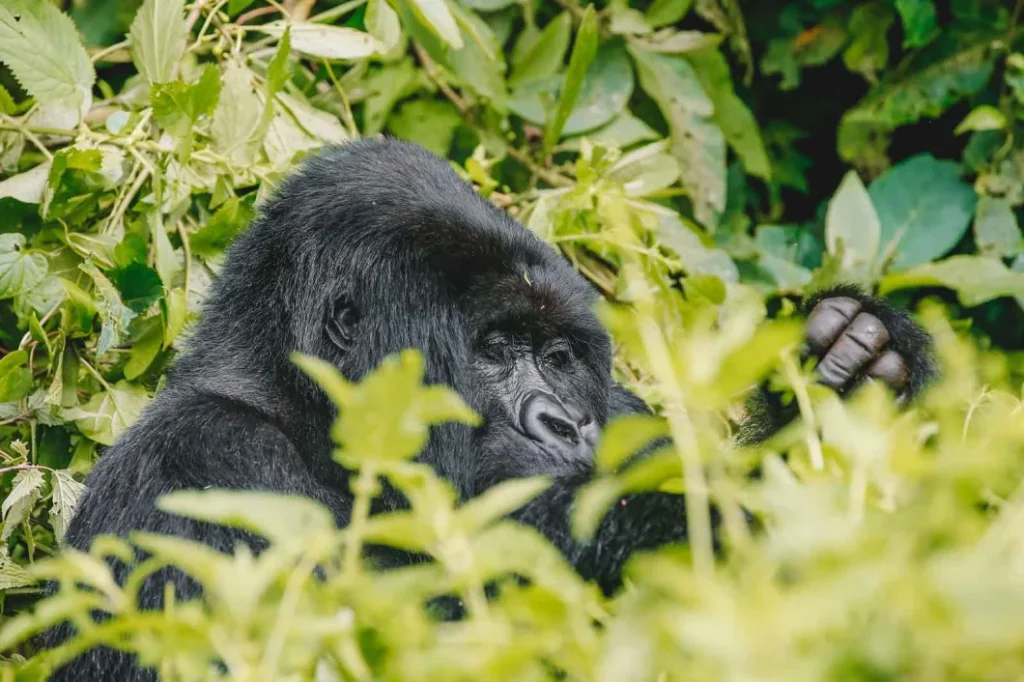
Bwindi Gorilla Trekking Rules and Regulations Explained:
Discover all Bwindi Gorilla Trekking rules and regulations before your Uganda safari. Learn permit requirements, trekking guidelines, gorilla viewing etiquette, safety measures, and conservation practices for a successful gorilla trekking experience in Bwindi Impenetrable National Park.
Gorilla trekking in Uganda is one of Africa’s most extraordinary wildlife experiences. Every year, thousands of travelers visit Bwindi Impenetrable National Park to observe endangered mountain gorillas in their natural habitat. However, because mountain gorillas share approximately 98% of human DNA and remain critically protected, strict rules and regulations have been established to safeguard both visitors and gorillas.
Understanding these guidelines is essential for anyone planning a Uganda gorilla safari. Following the rules not only ensures your safety but also contributes to the long-term conservation of these magnificent primates.
Why Are Gorilla Trekking Rules Important?
Mountain gorillas are among the world’s most endangered species. Today, they are found only in a few protected areas across Uganda, Rwanda, and the Democratic Republic of Congo.
The rules governing gorilla trekking help:
- Protect gorillas from human diseases
- Minimize environmental impact
- Ensure visitor safety
- Promote responsible tourism
- Support wildlife conservation efforts
- Preserve natural gorilla behavior
Without these regulations, increased tourism could threaten the survival of these remarkable animals.
Gorilla Trekking Permit Requirements
Before participating in any gorilla trek, visitors must obtain a valid gorilla trekking permit.
Uganda Gorilla Permit Costs
A gorilla trekking permit in Uganda currently costs:
- Foreign Non-Residents: USD 800
- Foreign Residents: USD 700
- East African Citizens: UGX 300,000
The permit grants:
- One gorilla trekking experience
- One hour with a habituated gorilla family
- Ranger-guided trek
- Conservation contribution
Permits are limited and should be booked several months in advance, especially during peak travel seasons.
Minimum Age Requirement
One of the most important regulations is the minimum age requirement.
Gorilla Trekking Age Limit
Visitors must be at least 15 years old to participate in gorilla trekking.
This rule exists because:
- Trekking can be physically demanding
- Younger children may struggle to follow safety instructions
- Children are more likely to carry communicable diseases
- Emotional reactions may disturb gorillas
Uganda Wildlife Authority strictly enforces this regulation.
Health Requirements Before Trekking
Do Not Trek If You Are Sick
Mountain gorillas are highly susceptible to human illnesses.
You must not participate in trekking if you have:
- Flu
- Cough
- Cold
- Fever
- COVID-like symptoms
- Contagious infections
Even a common cold can seriously affect gorillas.
If you feel unwell, inform park authorities immediately. Alternative arrangements may sometimes be considered.
Attend the Mandatory Briefing
Every trekking day begins with a mandatory ranger briefing.
During the briefing, guides explain:
- Gorilla behavior
- Trekking procedures
- Safety precautions
- Photography rules
- Emergency protocols
Attendance is compulsory for all trekkers.
Group Size Regulations
To reduce stress on gorillas, group sizes are strictly controlled.
Maximum Number of Visitors
Only eight visitors are allowed to visit one habituated gorilla family per day.
This regulation helps:
- Reduce disease transmission risks
- Minimize disturbance
- Enhance visitor experience
- Support sustainable tourism
Smaller groups provide better wildlife encounters and improve conservation outcomes.
Keep a Safe Distance from Gorillas
One of the most important rules involves maintaining distance.
Required Distance
Visitors must stay at least 7 meters (approximately 23 feet) away from gorillas.
This rule helps:
- Prevent disease transmission
- Reduce stress on gorillas
- Maintain natural behavior
- Improve safety
Occasionally, curious gorillas may approach visitors. If this happens, remain calm and follow your guide’s instructions.
Follow Ranger Instructions at All Times
Professional guides and armed rangers accompany every trek.
Their instructions are designed to:
- Ensure visitor safety
- Protect gorillas
- Manage unexpected encounters
- Navigate forest terrain
Always listen carefully and obey all directions immediately.
Rules During Gorilla Encounters
Once you locate the gorilla family, several important regulations apply.
Keep Noise to a Minimum
Speak softly and avoid loud conversations.
Excessive noise can:
- Alarm gorillas
- Disrupt feeding behavior
- Disturb other wildlife
A quiet environment creates a more authentic and rewarding experience.
Avoid Direct Eye Contact
Although brief eye contact is acceptable, prolonged staring may be interpreted as a challenge by dominant silverbacks.
Maintain a calm and respectful presence throughout the encounter.
Do Not Touch Gorillas
No matter how close they come, never attempt to touch a gorilla.
Touching can:
- Spread diseases
- Trigger defensive reactions
- Alter natural behavior
Respecting wildlife boundaries is crucial.
Photography Rules
Capturing photographs is one of the highlights of gorilla trekking.
However, specific photography guidelines must be followed.
Flash Photography Is Prohibited
Never use flash when photographing gorillas.
Flash can:
- Startle gorillas
- Cause stress
- Interrupt natural activities
Adjust camera settings before reaching the gorilla family.
Recommended Photography Equipment
For the best results, consider:
- DSLR or mirrorless cameras
- Zoom lenses (70–200mm or longer)
- Extra batteries
- Waterproof camera protection
Bwindi’s forest environment can be dark and humid, making preparation essential.
Eating, Drinking, and Smoking Regulations
No Eating Near Gorillas
Visitors must not eat while observing gorillas.
Food particles can:
- Spread diseases
- Attract wildlife
- Encourage dependency
Lunches and snacks should be consumed before or after the gorilla encounter.
Smoking Is Not Allowed
Smoking is prohibited during gorilla viewing because:
- It poses fire risks
- It affects air quality
- It can disturb wildlife
Visitors should comply fully with this regulation.
Environmental Conservation Rules
Do Not Litter
Everything brought into the forest must leave with you.
Carry out:
- Water bottles
- Food wrappers
- Tissues
- Plastic materials
Bwindi is a UNESCO-recognized ecosystem that requires careful protection.
Stay on Designated Trails
Always remain on approved trekking routes unless directed otherwise by guides.
This helps:
- Prevent habitat destruction
- Protect rare plant species
- Minimize erosion
- Reduce wildlife disturbance
Responsible tourism begins with respecting nature.
What Happens If a Gorilla Charges?
Although rare, gorillas may occasionally display defensive behavior.
If a silverback performs a mock charge:
- Remain calm
- Do not run
- Avoid sudden movements
- Follow ranger instructions
- Crouch if advised
Most charges are displays rather than actual attacks.
Experienced guides are trained to manage these situations safely.
The One-Hour Gorilla Viewing Rule
After locating the gorilla family, visitors are permitted only one hour with the gorillas.
This regulation helps:
- Minimize stress
- Allow gorillas to maintain natural routines
- Reduce cumulative human impact
While many travelers wish for more time, the one-hour limit plays a crucial role in conservation.
Gorilla Habituation Experience Rules
In addition to standard trekking, visitors can participate in the Gorilla Habituation Experience in southern Bwindi.
Special regulations include:
- Four hours with gorillas instead of one
- Smaller visitor groups
- Additional researcher supervision
- Enhanced conservation protocols
This experience provides deeper insight into gorilla behavior and conservation work.
Packing Essentials for Compliance and Comfort
To ensure compliance with trekking regulations, pack:
- Long-sleeved shirts
- Waterproof hiking boots
- Gardening gloves
- Rain jacket
- Insect repellent
- Reusable water bottle
- Face mask (when required)
- Camera without flash
Proper preparation contributes to a smoother trekking experience.
Consequences of Violating Gorilla Trekking Rules
Visitors who violate park regulations may face:
- Immediate removal from the trek
- Loss of permit privileges
- Fines
- Restrictions on future visits
These measures ensure that conservation remains the highest priority.
Conservation Success Through Responsible Tourism
The remarkable recovery of mountain gorilla populations is considered one of Africa’s greatest conservation success stories.
Revenue generated from gorilla trekking supports:
- Gorilla monitoring programs
- Anti-poaching patrols
- Community development projects
- Habitat protection
- Research initiatives
Every visitor who follows the rules contributes directly to the survival of mountain gorillas.
Final Thoughts
Understanding Bwindi Gorilla Trekking rules and regulations is essential for anyone planning a gorilla safari in Uganda. These guidelines protect both travelers and mountain gorillas while ensuring future generations can continue to enjoy this life-changing wildlife encounter.
At Mandrill African Safaris, we help travelers prepare thoroughly for their gorilla trekking adventures by providing expert guidance, permit assistance, and customized safari itineraries across Uganda, Rwanda, Kenya, Tanzania, Burundi, and beyond.
Book your Bwindi gorilla trekking safari with Mandrill African Safaris and experience one of the most unforgettable wildlife encounters on Earth while supporting the conservation of Africa’s endangered mountain gorillas.