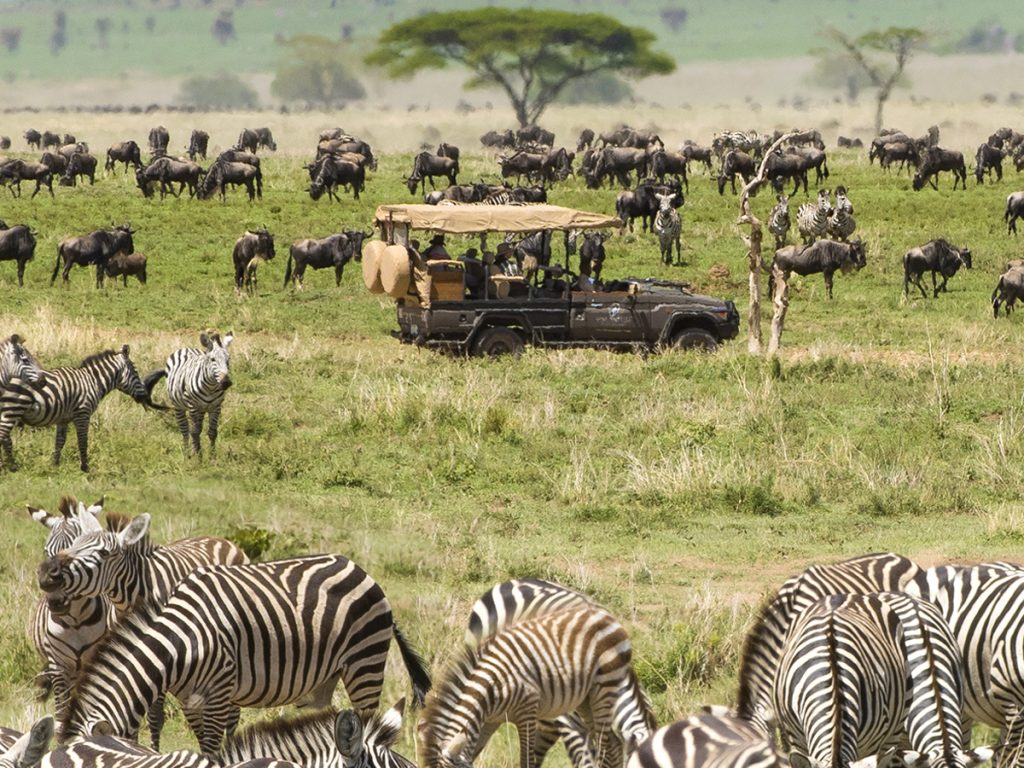
Why Tanzania Should Be Your Next Safari Destination: The Ultimate African Wildlife Adventure
2026-07-24
Why Uganda Is Africa’s Best Wildlife Safari Destination
2026-07-27
Best Wildlife Conservation Projects to Visit in Uganda
Discover Uganda’s Incredible Conservation Success Stories with Mandrill African Safaris
Uganda is globally recognized as one of Africa’s richest biodiversity destinations. Beyond its spectacular national parks, mountain gorillas, and Big Five safaris, the country is home to numerous wildlife conservation projects dedicated to protecting endangered species and preserving natural habitats. These projects not only safeguard Uganda’s unique wildlife but also provide unforgettable experiences for travelers who want to make a positive impact while exploring nature.
At Mandrill African Safaris, we believe every safari should contribute to wildlife conservation and local communities. Visiting conservation projects allows travelers to witness firsthand how Uganda is protecting its wildlife for future generations.
Whether you’re passionate about rhino conservation, chimpanzee rehabilitation, bird protection, or community-based tourism, Uganda offers remarkable conservation destinations worth adding to your itinerary.
Why Visit Wildlife Conservation Projects in Uganda?
Wildlife conservation tourism offers much more than sightseeing. Visitors directly support:
- Protection of endangered wildlife
- Habitat restoration
- Anti-poaching initiatives
- Wildlife research
- Environmental education
- Community livelihood projects
- Sustainable tourism development
Your safari becomes an investment in Uganda’s future wildlife.
1. Ziwa Rhino Sanctuary – Saving Uganda’s Rhinos
Situated along the route to Murchison Falls National Park, Ziwa Rhino Sanctuary is Uganda’s only place where visitors can track wild rhinos on foot.

After rhinos became extinct in Uganda due to poaching in the 1980s, Ziwa was established to reintroduce southern white rhinos into protected habitats.
Today the sanctuary is one of Uganda’s greatest conservation success stories.
What You Can Experience
- Rhino tracking on foot
- Bird watching with over 300 bird species
- Shoebill stork excursions
- Nature walks
- Night wildlife walks
Every visitor helps fund rhino breeding, veterinary care, security, and conservation education.
2. Uganda Wildlife Education Centre (UWEC)
Located in Entebbe, the Uganda Wildlife Education Centre serves as both a wildlife rescue center and conservation education facility.

Animals rescued from illegal wildlife trade, injury, or habitat destruction receive specialized care before possible release into the wild.
Visitors learn about:
- Wildlife rescue operations
- Animal rehabilitation
- Endangered species
- Conservation education
- Veterinary care
Popular residents include:
- Lions
- Chimpanzees
- Giraffes
- Leopards
- Shoebill storks
- African elephants
The behind-the-scenes experiences provide unique conservation insights.
3. Ngamba Island Chimpanzee Sanctuary
Located on Lake Victoria, Ngamba Island offers one of Uganda’s best conservation experiences.

The sanctuary protects orphaned chimpanzees rescued from:
- Illegal wildlife trafficking
- Bushmeat trade
- Habitat destruction
- Human-wildlife conflict
Over 50 rescued chimpanzees now live safely on the island.
Visitors enjoy:
- Chimpanzee feeding sessions
- Forest walks
- Conservation talks
- Volunteer opportunities
- Eco-tourism experiences
Tourism revenue directly funds chimpanzee welfare.
4. Bwindi Community Conservation Projects
While Bwindi Impenetrable National Park is famous for gorilla trekking, conservation extends far beyond protecting mountain gorillas.
Community conservation initiatives include:
Gorilla Guardians Village
Former poachers now work as conservation ambassadors, sharing traditional culture while educating visitors about gorilla protection.

Community Tourism
Visitors support:
- Women’s craft groups
- Coffee farming
- Cultural performances
- Local schools
- Health centers
These initiatives reduce dependence on forest resources and improve community livelihoods.
5. Kibale Chimpanzee Conservation Programs
Kibale National Park protects one of Africa’s largest chimpanzee populations.
Researchers and conservationists work to protect:
- Chimpanzees
- Forest elephants
- Primates
- Indigenous forests
Visitors can participate in:
- Chimpanzee trekking
- Chimpanzee habituation experiences
- Guided forest walks
- Research presentations
Tourism supports long-term conservation and scientific research.
6. Jane Goodall Institute Uganda Programs
The Jane Goodall Institute works closely with communities surrounding Uganda’s forests.
Key conservation activities include:
- Tree planting
- Forest restoration
- Chimpanzee conservation
- Youth education
- Sustainable agriculture
Visitors interested in conservation education can learn how communities and wildlife coexist.
7. Bigodi Wetland Sanctuary
Bigodi Wetland is a perfect example of successful community-based conservation.
Managed by local residents near Kibale National Park, the sanctuary protects:
- Wetlands
- Primates
- Butterflies
- Birds
- Indigenous plants
Highlights include:
- Guided nature walks
- Bird watching
- Community tourism
- Cultural experiences
Income from tourism funds local development projects while preserving critical habitats.
8. Wildlife Conservation Society (WCS) Uganda
The Wildlife Conservation Society supports conservation efforts across Uganda’s protected areas.
Projects include:
- Lion monitoring
- Elephant conservation
- Human-wildlife conflict reduction
- Wildlife research
- Ranger training
Several national parks benefit from WCS conservation initiatives, including:
- Queen Elizabeth National Park
- Murchison Falls National Park
- Kidepo Valley National Park
Visitors may encounter ongoing research projects during their safaris.
9. Mountain Gorilla Veterinary Project (Gorilla Doctors)
Gorilla Doctors provide veterinary care to endangered mountain gorillas across Uganda.
Veterinarians respond to:
- Injuries
- Disease outbreaks
- Snare removals
- Health monitoring
Without these dedicated professionals, gorilla populations would face greater threats.
Although veterinary operations are rarely open to the public, visitors contribute indirectly through gorilla permits and conservation tourism.
10. Uganda Conservation Foundation Projects
The Uganda Conservation Foundation supports conservation across many protected areas through:
- Ranger equipment
- Wildlife monitoring
- Anti-poaching patrols
- Community conservation
- Infrastructure development
Its work strengthens Uganda’s ability to protect wildlife for future generations.
Community-Based Conservation Makes Uganda Unique
One reason Uganda has become a conservation success story is its strong involvement of local communities.
Rather than excluding people from conservation efforts, Uganda encourages residents to benefit through:
- Employment
- Eco-tourism
- Cultural tourism
- Sustainable agriculture
- Conservation education
This creates long-term incentives for wildlife protection.
Wildlife Species Protected Through Conservation
Visitors may encounter numerous protected species, including:
- Mountain gorillas
- Chimpanzees
- White rhinos
- African elephants
- Tree-climbing lions
- Rothschild’s giraffes
- Shoebill storks
- African wild cats
- Hippos
- Nile crocodiles
- Golden monkeys
- Hundreds of bird species
Best Time to Visit Conservation Projects
Uganda is a year-round destination, but the best wildlife viewing occurs during the dry seasons:
June to September
Ideal for gorilla trekking, chimpanzees, rhino tracking, and game drives.
December to February
Excellent weather for conservation tourism and bird watching.
The rainy seasons provide lush landscapes and fewer tourists while still offering rewarding conservation experiences.
How Your Safari Supports Conservation
When booking through Mandrill African Safaris, your safari contributes to:
- National park conservation fees
- Gorilla conservation
- Rhino protection
- Community development
- Wildlife research
- Ranger training
- Environmental education
- Habitat restoration
Responsible tourism is one of the most effective tools for protecting Uganda’s wildlife.
Sustainable Travel Tips
Travel responsibly by:
- Following park regulations
- Maintaining safe wildlife viewing distances
- Avoiding single-use plastics
- Supporting community-owned businesses
- Purchasing locally made crafts
- Respecting local cultures
- Choosing eco-friendly lodges
Every small action helps conserve Uganda’s natural heritage.
Why Choose Mandrill African Safaris?
Mandrill African Safaris is committed to creating unforgettable safari experiences that also promote wildlife conservation and community empowerment. Our expertly crafted itineraries combine adventure with responsible travel, ensuring every journey contributes to protecting Uganda’s incredible biodiversity.
Whether you’re tracking rhinos at Ziwa, trekking mountain gorillas in Bwindi, visiting rescued chimpanzees on Ngamba Island, or exploring community conservation projects in Bigodi, you’ll experience the very best of Uganda while making a meaningful difference.
Book your conservation safari today with Mandrill African Safaris and become part of Uganda’s inspiring wildlife conservation story.
Conclusion
Uganda’s conservation projects demonstrate how tourism, science, and local communities can work together to protect some of Africa’s most iconic wildlife. From the successful reintroduction of rhinos at Ziwa Rhino Sanctuary to the rescue and rehabilitation of chimpanzees at Ngamba Island, every visit helps sustain these remarkable efforts.
A conservation-focused safari offers more than incredible wildlife encounters—it allows you to contribute directly to preserving Uganda’s natural heritage. With Mandrill African Safaris, your journey becomes part of a larger mission to safeguard wildlife, empower communities, and ensure that future generations can continue to experience Uganda’s extraordinary biodiversity