Best Time to Visit Uganda and Rwanda for a Combined Safari
2026-09-11
15-Day Uganda, Kenya and Tanzania Safari: Gorillas, Big Five & Great Migration
2026-09-14
Best Time to Visit Uganda, Kenya and Tanzania on One Safari
Planning a safari across Uganda, Kenya and Tanzania is one of the most rewarding ways to experience East Africa. From Uganda’s misty mountain forests and endangered mountain gorillas to Kenya’s legendary Maasai Mara and Tanzania’s spectacular Serengeti, a combined East African safari offers an incredible mixture of wildlife, primates, landscapes and cultures.
But one important question comes before booking flights and accommodation: What is the best time to visit Uganda, Kenya and Tanzania on one safari?
The answer depends on what you want to experience. For travelers who want to combine gorilla trekking in Uganda, the Great Wildebeest Migration in Kenya and Tanzania, and classic Big Five game viewing, the period from July to September is generally one of the strongest choices. June to October also provides excellent overall conditions across much of East Africa. Uganda’s main dry season makes trekking and wildlife viewing more comfortable, while Kenya and northern Tanzania are in their prime safari period.
However, January and February are also excellent alternatives, especially for travelers interested in the Serengeti calving season, photography, fewer crowds and gorilla trekking.
Why Combine Uganda, Kenya and Tanzania?
A three-country safari allows travelers to experience different sides of East Africa within one journey.
Uganda is particularly famous for mountain gorilla trekking, chimpanzee tracking, birdwatching and diverse wildlife. Destinations such as Bwindi Impenetrable National Park, Kibale Forest National Park, Queen Elizabeth National Park and Murchison Falls National Park can be incorporated into an itinerary.
Kenya is renowned for the Maasai Mara, Big Five wildlife, spectacular landscapes and the annual Great Wildebeest Migration. Other destinations, including Amboseli National Park, Lake Nakuru and Samburu, add variety to a Kenyan safari.
Tanzania offers the Serengeti, Ngorongoro Crater, Tarangire and Lake Manyara. The country’s northern safari circuit is particularly attractive for travelers interested in wildlife and the Great Migration.
Combining the three countries creates a diverse East Africa safari itinerary rather than simply visiting several similar parks.
Best Overall Time: July to September
For travelers who want to experience the best combination of Uganda gorilla trekking, Kenya safari and Tanzania safari, July to September is an excellent window.
During these months, much of East Africa experiences relatively dry conditions. Uganda’s June–September period is considered one of its main dry seasons, while Kenya and Tanzania experience excellent conditions for wildlife viewing.
Uganda in July to September
In Uganda, the dry season generally makes roads and trekking trails easier to navigate. Bwindi and Mgahinga remain rainforest environments, so rainfall is still possible even during the dry season.
For gorilla trekking, the drier months can provide more manageable trail conditions. Wildlife viewing in destinations such as Queen Elizabeth and Murchison Falls can also be excellent because animals may concentrate around available water sources.
This makes July, August and September particularly attractive for travelers who want to combine gorilla trekking with a traditional wildlife safari.
Kenya in July to September
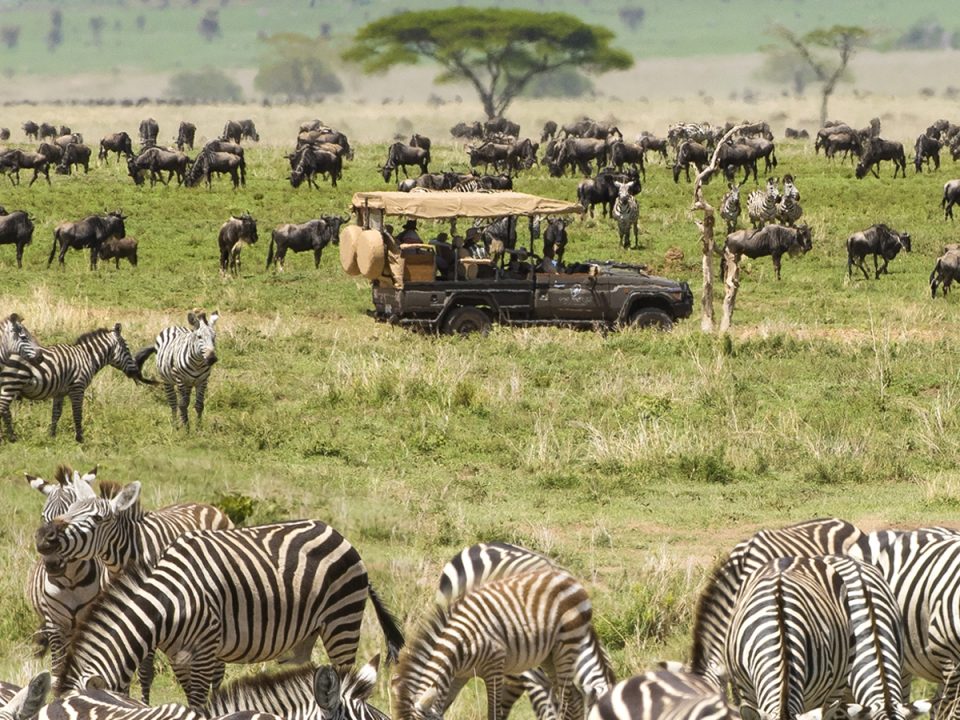
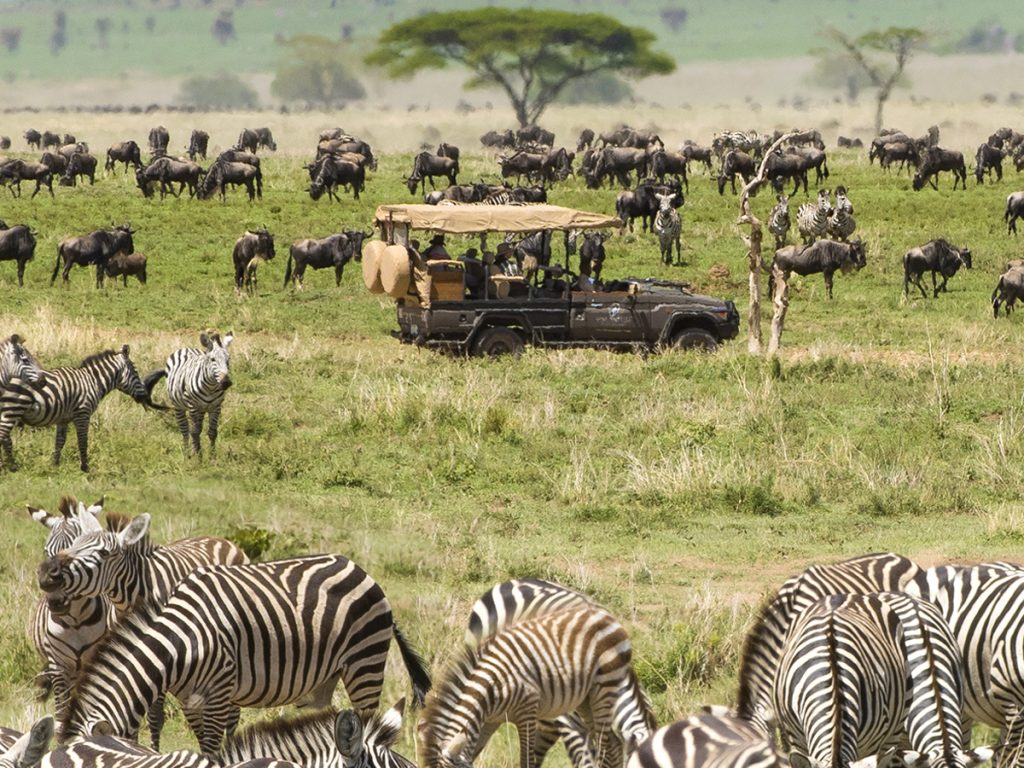
Kenya is one of the highlights of this period because the Great Wildebeest Migration is often moving through the Maasai Mara ecosystem.
July through September is among the most popular periods for visiting the Maasai Mara, with large herds of wildebeest and zebra moving through the ecosystem. River crossings can occur during this period, although they are driven by animal behavior and weather rather than a fixed calendar date.
For travelers hoping to see the migration, it is important to remember that no safari company can guarantee a particular river crossing on a specific day.
Tanzania in July to September
Northern Tanzania is equally spectacular during these months. The Serengeti provides outstanding wildlife viewing, while the Ngorongoro Crater offers excellent opportunities to see a concentration of wildlife in a relatively compact area.
The migration moves through different parts of the Serengeti throughout the year, so the exact location of the herds varies. July to September is particularly attractive for travelers interested in the northern Serengeti and the migration’s movement toward the Mara ecosystem.
Best Month for a Combined Safari: September
If you want to choose just one month for a Uganda, Kenya and Tanzania safari, September is a particularly attractive option.
Uganda is still within its main dry period, Kenya remains excellent for wildlife viewing, and Tanzania continues to offer strong safari conditions.
September can also provide a useful balance between peak-season wildlife experiences and the busiest period of August. The Great Migration may still be active in the Mara and northern Serengeti, although its exact location changes from year to year.
For photographers, September can provide excellent opportunities for wildlife photography, particularly during early morning and late afternoon game drives.
January and February: The Best Alternative
Not everyone wants to travel during the busy July–September period. Fortunately, January and February offer another excellent opportunity to combine Uganda, Kenya and Tanzania.
Uganda enters its shorter dry season, while northern Tanzania is entering one of the most exciting periods of the Serengeti’s annual wildlife cycle. Kenya also offers strong resident wildlife viewing.
January and February are particularly attractive for travelers interested in wildlife photography, newborn animals, gorilla trekking and the Serengeti calving season.
The southern Serengeti and Ndutu area are famous for the annual calving period, when large numbers of wildebeest calves are born. This creates excellent predator-viewing opportunities.
For a traveler who wants a safari with a slightly different atmosphere from the peak migration season, January–February is a superb choice.
March to May: Green Season and Lower-Cost Travel
March to May is generally wetter across much of East Africa. This does not mean that a safari is impossible.
In Uganda, the rainy season can make gorilla and chimpanzee trekking trails wetter and more challenging, but the forests become beautifully green. Birdwatching can also be rewarding during the wetter months.
Kenya and Tanzania can experience heavier rainfall during this period, with April and May generally considered wetter months in many safari areas.
The major advantage is fewer tourists and potentially better safari value.
Travelers who are flexible with weather and want a quieter experience may find this season appealing. It is particularly suitable for experienced safari travelers, photographers interested in lush landscapes and visitors working with a tighter budget.
June and October: Excellent Shoulder Options
June and October are useful transition months for a combined East African safari.
June marks the beginning of the major dry season in many areas. Conditions become increasingly favorable for game drives, while the landscape may still retain some greenery after the rains.
October remains an excellent safari month, particularly in Kenya and Tanzania. Wildlife viewing can remain outstanding, although the Great Migration’s location will depend on the annual movement of the herds.
Uganda also benefits from favorable conditions during this period, although October can mark the beginning of a wetter period in some parts of the country. Uganda’s climate varies considerably by region, and rain can occur even during traditionally dry periods.
November and December: A Quieter East African Safari
November and December can be ideal for travelers who prefer fewer crowds.
These months can bring short rains to parts of East Africa, but rainfall does not necessarily mean that every day will be wet. Safari activities can continue, and the landscape becomes greener.
Uganda can be especially attractive because it remains a year-round destination, with gorilla trekking possible outside the main dry seasons.
Kenya and Tanzania can also provide excellent wildlife encounters, particularly with resident animals that remain in the parks throughout the year.
For budget-conscious travelers, shoulder-season travel may offer greater accommodation availability and potentially better rates than the July–September peak period.
Best Time Based on Your Safari Experience
The best travel month ultimately depends on your priorities.
| Safari Experience | Recommended Period |
|---|---|
| Best overall combined safari | July–September |
| Gorilla trekking in Uganda | June–September or December–February |
| Great Migration in Kenya | July–October |
| Great Migration in Tanzania | Different areas throughout the year; July–October is excellent for the northern circuit |
| Serengeti calving season | January–March |
| Big Five wildlife viewing | June–October |
| Wildlife photography | January–February or June–October |
| Birdwatching | November–April |
| Fewer tourists | April–May and November |
| Green landscapes | March–May and November |
| Better-value safari | April–May and selected shoulder months |
Seasonal conditions vary by destination, so the table should be used as a planning guide rather than a guarantee of particular wildlife events.
How Long Should a Uganda, Kenya and Tanzania Safari Take?
A three-country safari should not be rushed.
For a meaningful experience, travelers should consider approximately 14 to 21 days, depending on the number of parks and activities included.
A sample 18-day itinerary could include:
Days 1–2: Uganda
Arrival in Entebbe/Kampala and transfer toward the safari region.
Days 3–4: Murchison Falls National Park
Game drives and a boat cruise on the Nile.
Days 5–6: Kibale Forest National Park
Chimpanzee trekking and forest activities.
Days 7–9: Bwindi Impenetrable National Park
Travel to Bwindi followed by mountain gorilla trekking.
Days 10–11: Kenya
Fly or connect into Kenya and continue toward the Maasai Mara.
Days 12–14: Maasai Mara National Reserve
Game drives and, depending on the season and herd location, opportunities to experience the Great Migration.
Days 15–17: Tanzania
Continue to the Serengeti and experience game drives.
Day 18: Ngorongoro Crater/Arusha
Enjoy a final wildlife experience before departure.
The exact routing can be modified depending on international flights, border crossings, available domestic flights and the traveler’s priorities.
Tips for Planning a Three-Country Safari
1. Book Gorilla Permits Early
If gorilla trekking is the main reason for visiting Uganda, secure your gorilla permit before finalizing the rest of the itinerary. Peak-season dates can be highly sought after.
2. Allow Enough Travel Time
Uganda, Kenya and Tanzania are large countries. Do not try to squeeze too many destinations into a short holiday.
A well-designed itinerary should balance game drives, trekking, rest days and transportation.
3. Choose Parks Strategically
You do not need to visit every famous park. A carefully selected combination can provide a much better experience.
For example, Uganda can focus on gorillas and chimpanzees, Kenya on the Maasai Mara, and Tanzania on the Serengeti and Ngorongoro Crater.
4. Book Peak Season Accommodation Early
July to September is popular. Accommodation in major wildlife destinations can become limited, especially around high-demand migration periods.
5. Pack for Different Climates
A combined East African safari can involve hot savannahs, cool highlands and wet tropical forests.
Pack lightweight safari clothing, comfortable hiking shoes, a waterproof jacket, warm layers for early mornings, sun protection, insect repellent and a good camera.
Final Thoughts
So, when is the best time to visit Uganda, Kenya and Tanzania on one safari?
For travelers seeking the strongest combination of dry weather, gorilla trekking, Big Five wildlife and the Great Migration, July to September is our top recommendation. It aligns well with Uganda’s favorable trekking season and the prime safari period in Kenya and northern Tanzania.
However, January and February are excellent alternatives, particularly for travelers interested in the Serengeti calving season, photography and a quieter safari experience.
There is ultimately no single perfect month for everyone. The best time depends on whether your priority is gorilla trekking, the Great Migration, Big Five wildlife, birdwatching, photography, lower prices or fewer tourists.
At Mandrill African Safaris, we can help you design a customized Uganda, Kenya and Tanzania safari around your preferred travel dates, budget and wildlife interests. Whether your dream is trekking mountain gorillas in Bwindi, watching wildebeest cross the Mara River or exploring the endless plains of the Serengeti, the right itinerary can turn a great holiday into an unforgettable East African adventure.