Akagera National Park Big Five Safari Guide – Experience Rwanda’s Premier Wildlife Destination
2026-08-06
Best Bird Watching Destinations in Kenya
2026-08-10
Best Time to Visit Kenya for Wildlife Safaris: A Complete Travel Guide
Kenya is one of Africa’s most iconic wildlife safari destinations, offering unforgettable encounters with lions, elephants, leopards, rhinos, buffaloes, giraffes, cheetahs and thousands of other wildlife species. From the spectacular plains of the Maasai Mara National Reserve to the elephant-filled landscapes of Amboseli National Park, Kenya provides incredible safari experiences throughout the year.
But what is the best time to visit Kenya for a wildlife safari?
The answer depends on what you want to see and experience. If your dream is to witness the Great Wildebeest Migration in the Maasai Mara, July to October is particularly famous. If you prefer fewer tourists, greener landscapes and potentially lower travel costs, the rainy seasons can also offer rewarding safari experiences.
At Mandrill African Safaris, we help travelers plan memorable Kenya safari holidays according to their interests, budget and preferred travel dates. Here is our detailed guide to help you choose the best time for your Kenya wildlife safari.
When Is the Best Time to Visit Kenya for a Safari?

The best time to visit Kenya for wildlife safaris is generally during the dry seasons, particularly from June to October and January to February. During these months, vegetation is relatively thinner in many safari areas, wildlife tends to gather around reliable water sources, and roads are generally more accessible.
Kenya’s official tourism information also identifies December to March and July to October as important peak travel periods because of generally dry and warm conditions that make wildlife viewing easier.
However, there is no single month that is perfect for every traveler. Kenya is a year-round safari destination, and each season offers something different.
Kenya Safari Seasons at a Glance
January to February – Excellent for Wildlife Viewing
January and February are among the best months for travelers interested in traditional game viewing.
The weather is generally warm and relatively dry, making it easier to explore national parks and wildlife reserves. Wildlife viewing can be excellent because animals are often easier to spot in open vegetation.
These months are particularly attractive for travelers who want a classic Kenya Big Five safari without necessarily traveling during the busiest migration period.
You can explore destinations such as:
- Maasai Mara National Reserve
- Amboseli National Park
- Tsavo East National Park
- Tsavo West National Park
- Samburu National Reserve
- Lake Nakuru National Park
January and February can also be a good choice for photographers because of the combination of wildlife activity, landscapes and favorable game-viewing conditions.
March to May – The Green Season
March, April and May generally coincide with Kenya’s wetter periods, although rainfall patterns vary by region.
For travelers who do not mind occasional rain, this season can be incredibly rewarding. The landscape becomes lush and green, creating beautiful scenery for photography.
The green season also brings new life to many ecosystems. Migratory birds are present, landscapes are vibrant, and many safari areas can feel quieter than during the peak dry season.
One of the major advantages of traveling during this period is the possibility of finding better-value accommodation and safari packages compared with peak travel periods.
For travelers looking for a more peaceful Kenya safari holiday, the green season deserves serious consideration.
Why Visit Kenya During the Green Season?
- Beautiful green landscapes
- Fewer tourists in some safari areas
- Excellent birdwatching opportunities
- Photography opportunities with dramatic skies
- Potentially lower accommodation rates
- A quieter safari atmosphere
Rain should not automatically discourage you from visiting Kenya. Safari destinations remain open, and many showers are seasonal rather than continuous throughout the day.
June – The Beginning of Kenya’s Peak Safari Season
June marks an exciting transition into the drier months.
Wildlife viewing becomes increasingly rewarding as vegetation begins to thin in many areas. The weather is often comfortable for game drives, making June a popular month for Kenya safari tours.
It is also an excellent time to combine different destinations.
For example, travelers can create a safari itinerary featuring Samburu, Lake Nakuru, Maasai Mara and Amboseli, depending on available time.
June can also be attractive for travelers who want good wildlife conditions while avoiding some of the highest visitor numbers associated with the height of the migration season.
July to October – Best Time for the Great Wildebeest Migration
For many travelers, July to October is the best time to visit Kenya for wildlife safaris, particularly if witnessing the Great Wildebeest Migration is the main goal.
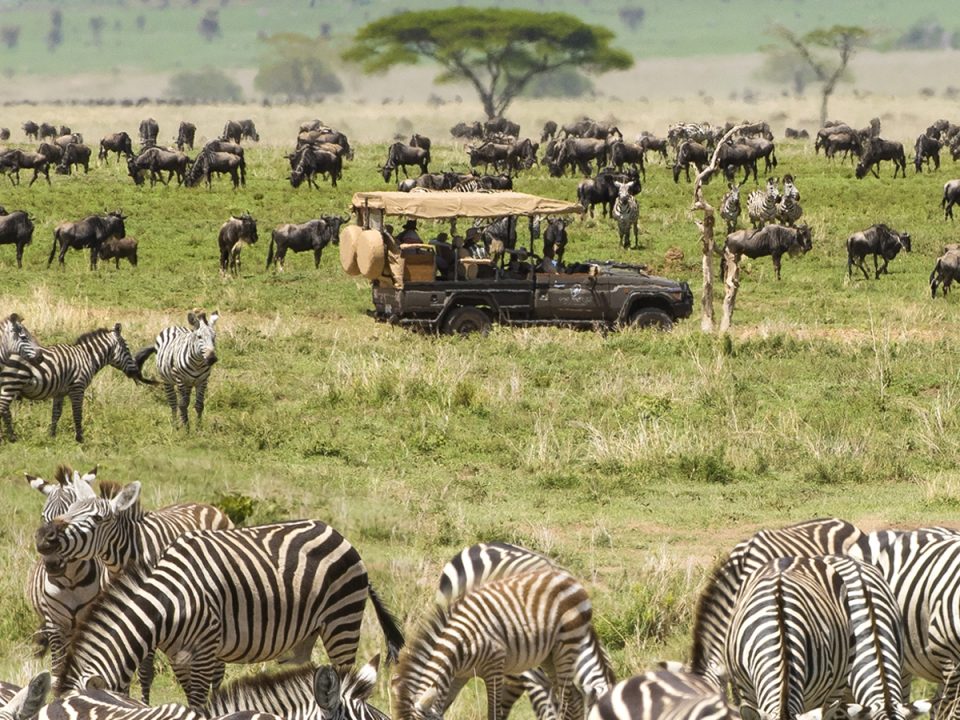
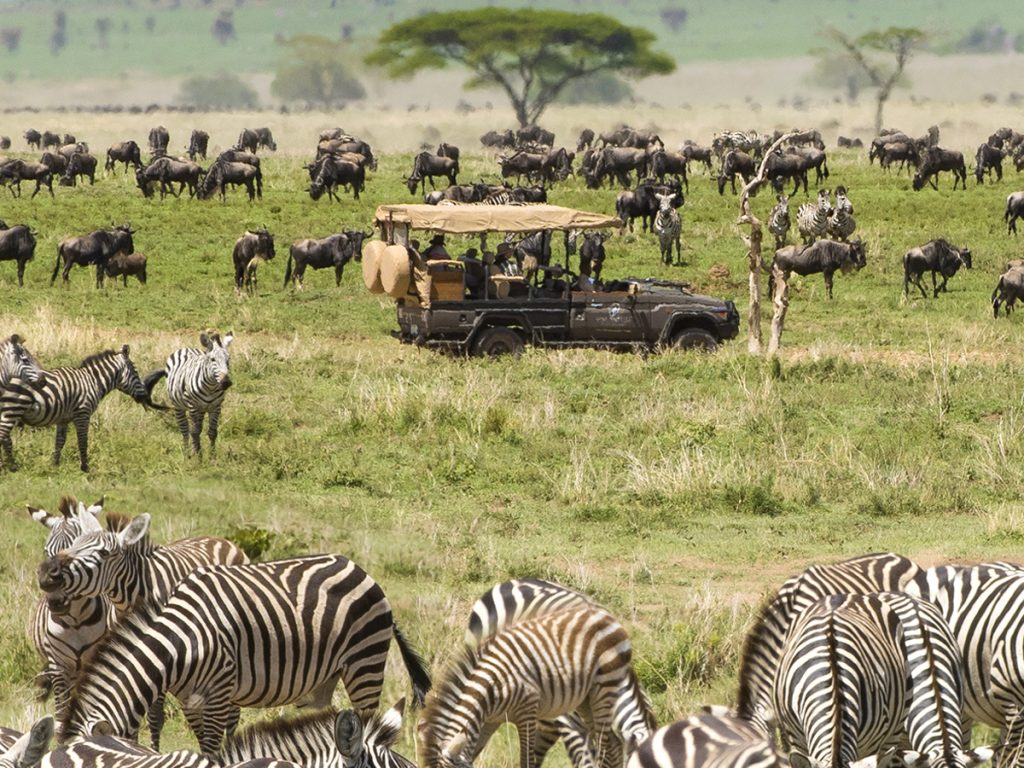
Every year, huge herds of wildebeest, accompanied by zebras and other grazing animals, move through the Serengeti-Mara ecosystem in search of fresh grazing and water.
The most iconic phase of the migration in Kenya occurs when the herds enter the Maasai Mara, with some of the most dramatic river crossings occurring along the Mara River.
Kenya’s tourism authority describes the Great Migration as a year-round ecological cycle, while highlighting July to October as the period associated with the most dramatic movement of millions of wildebeest and zebras into the Maasai Mara.
The Great Migration in the Maasai Mara
The Great Migration is not simply about seeing large numbers of wildebeest. It is an extraordinary predator-prey spectacle.
As the herds move through the grasslands, predators such as lions, cheetahs, leopards and hyenas take advantage of the abundance of prey.
The famous Mara River crossings can be particularly dramatic. Wildebeest gather along the riverbanks before some groups eventually plunge into the water, where crocodiles and strong currents create additional challenges.
However, it is important to remember that wildlife migration cannot be predicted with absolute precision. The exact timing and location of river crossings depend on rainfall, grazing conditions, river levels and animal movements.
Therefore, booking a safari during July to October gives you a strong opportunity to experience the migration but does not guarantee that you will witness a river crossing.
August and September – Peak Wildlife Safari Months
August and September are among the most popular months for a Maasai Mara safari.
The combination of dry conditions, excellent game viewing and the possibility of witnessing migration activity makes these months highly attractive to international safari travelers.
The Maasai Mara is famous for its large concentrations of wildlife, including the Big Five – lion, leopard, elephant, buffalo and rhinoceros.
For travelers planning to visit during these months, early booking is highly recommended because demand for camps, lodges, safari vehicles and flights can be high.
At Mandrill African Safaris, we can help travelers select suitable accommodation and design an itinerary around their wildlife priorities.
October – End of the Migration Season
October can be an excellent month for a Kenya wildlife safari.
The weather is generally favorable for game drives, while migration activity may still be experienced depending on the movement of the herds.
One advantage of October is that travelers may experience excellent wildlife viewing while avoiding some of the extreme peak-season pressure found during certain weeks of July, August and September.
It is also a good month for combining the Maasai Mara with other Kenyan safari destinations.
November to December – Green Landscapes and Fewer Crowds
November generally brings another period of rainfall to parts of Kenya, transforming many landscapes into lush green environments.
December can then transition toward drier conditions, making the end of the year another attractive period for safari travel.
Travelers visiting during this period may enjoy:
- Green scenery
- Excellent birdwatching
- Wildlife photography
- Fewer visitors in some areas
- Festive-season travel opportunities
Kenya’s diverse ecosystems mean that weather conditions can vary considerably from one region to another, so your safari itinerary should be planned according to the specific destinations you intend to visit.
Best Time to Visit Kenya’s Top Safari Destinations
Maasai Mara National Reserve
Best time: July to October for migration; June to October for excellent dry-season wildlife viewing.
The Maasai Mara is arguably Kenya’s most famous safari destination and is home to large populations of lions, elephants, cheetahs, leopards, buffaloes and other wildlife.
The reserve offers excellent game viewing throughout much of the year, with the migration providing an additional spectacular attraction during the July–October period.
Amboseli National Park
Best time: June to October and January to February.
Amboseli is famous for its large elephant populations and spectacular views toward Mount Kilimanjaro.
The relatively dry months can make wildlife easier to spot, while the park’s open landscapes create excellent opportunities for wildlife photography.
Lake Nakuru National Park
Best time: January to February and June to October.
Lake Nakuru is known for its rhinos, buffaloes, giraffes, lions and diverse birdlife.
It is an excellent addition to a Kenya safari itinerary, particularly when combined with Maasai Mara.
Samburu National Reserve
Best time: June to October and January to February.
Samburu provides a different safari experience from the Maasai Mara. Its northern landscapes are home to unique wildlife species and offer opportunities to experience Samburu culture and conservation initiatives.
Tsavo East and Tsavo West National Parks
Best time: June to October and January to February.
Together, Tsavo East and Tsavo West form one of Kenya’s most impressive wilderness areas.
Visitors can encounter elephants, lions, buffaloes, giraffes and numerous other species while exploring vast landscapes.
What Is the Cheapest Time to Visit Kenya for a Safari?
If your main priority is finding a more affordable Kenya safari, consider traveling during the shoulder or green seasons rather than the busiest migration months.
March to May and parts of November can offer opportunities for travelers seeking lower-cost accommodation and fewer crowds, although weather conditions should be considered.
However, the cheapest safari is not always the best safari for your personal goals.
If your dream is to see the Great Wildebeest Migration, spending less by traveling outside migration season may mean missing the experience you value most.
The best strategy is to match your travel dates to your safari priorities.
Best Time for a Kenya Photography Safari
Kenya is an exceptional destination for wildlife photographers.
The dry months can provide excellent visibility, while the green season offers lush landscapes, dramatic skies and vibrant scenery.
For migration photography, July to October provides opportunities to photograph large herds, predators and dramatic wildlife interactions in the Maasai Mara.
Early morning and late afternoon game drives are particularly valuable because wildlife is often more active during cooler periods of the day.
Why Choose Mandrill African Safaris for Your Kenya Safari?
Planning a successful safari involves more than choosing a travel date.
At Mandrill African Safaris, we help travelers create customized Kenya safari experiences based on their interests, available time and budget.
Whether you want to experience the Great Wildebeest Migration, photograph the Big Five, explore Kenya’s national parks or combine Kenya with Uganda, Tanzania or Rwanda, our safari specialists can help design a practical itinerary.
Our Kenya safari planning can include:
- Airport transfers
- Accommodation
- Game drives
- Professional safari guides
- Park visits
- Transportation
- Cultural experiences
- Wildlife photography opportunities
- Multi-country East African safari combinations
We believe that the best safari is one that matches your expectations rather than simply following a standard itinerary.
Final Thoughts: When Should You Visit Kenya?
So, when is the best time to visit Kenya for a wildlife safari?
If your priority is the Great Wildebeest Migration, consider July to October, particularly for the opportunity to experience migration activity in the Maasai Mara.
If your priority is excellent general wildlife viewing and relatively dry conditions, June to October and January to February are excellent choices.
If you prefer greener scenery, fewer visitors and potentially better-value safari experiences, consider the wetter months.
Ultimately, Kenya is a year-round wildlife destination. The best travel month depends on what you want to see, where you want to go and the type of safari experience you want to have.
Whether you dream of watching lions stalk their prey across the Maasai Mara, seeing elephants beneath the shadow of Mount Kilimanjaro or witnessing thousands of wildebeest move across the savannah, Mandrill African Safaris can help turn your Kenya safari dream into an unforgettable East African adventure.
Book Your Kenya Wildlife Safari with Mandrill African Safaris
Ready to explore Kenya?
Contact Mandrill African Safaris to plan a customized Kenya wildlife safari, Maasai Mara safari, Great Wildebeest Migration safari or combined East Africa safari.
Your African adventure begins with choosing the right destination—and the right time to visit.