Why Combine Uganda, Kenya and Tanzania on One African Safari?
2026-09-21
10 Best Combined African Safari Experiences You Shouldn’t Miss
2026-09-22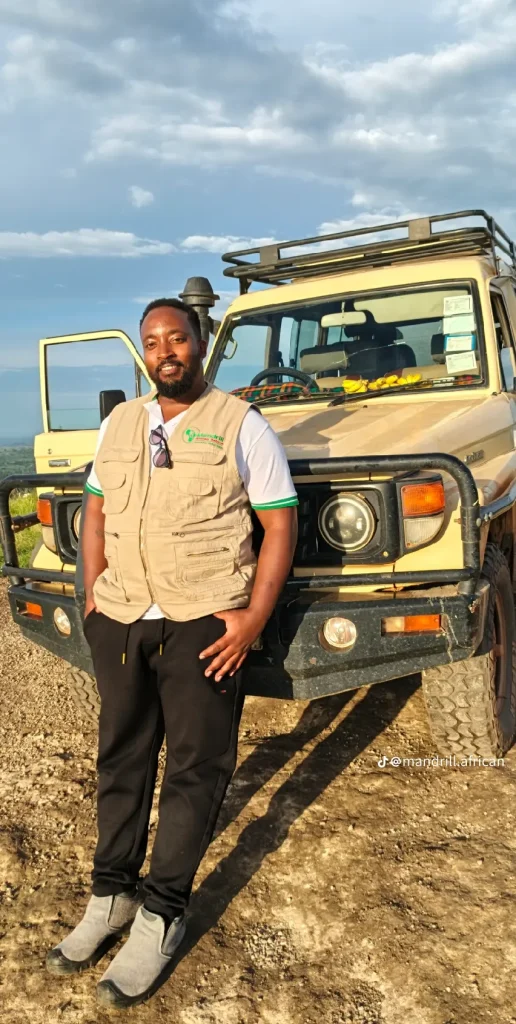
Best East Africa Safari Routes for Wildlife and Gorilla Trekking
East Africa is one of the world’s most rewarding safari regions, offering an extraordinary combination of savannah wildlife, tropical forests, dramatic landscapes and unforgettable cultural experiences. For travelers who want to combine wildlife safari and gorilla trekking, countries such as Uganda, Kenya, Tanzania and Rwanda provide several exciting routes.
A well-planned East Africa safari itinerary can take you from the famous plains of the Maasai Mara and Serengeti to the rainforest habitats of Bwindi Impenetrable National Park or Volcanoes National Park. Instead of choosing between seeing the Big Five and trekking mountain gorillas, travelers can combine both experiences in one carefully designed African adventure.
At Mandrill African Safaris, we specialize in customized Uganda and East Africa safari experiences, helping travelers connect major wildlife destinations with gorilla trekking destinations while considering travel time, accommodation, budget and personal interests.
Why Combine Wildlife Safari and Gorilla Trekking?
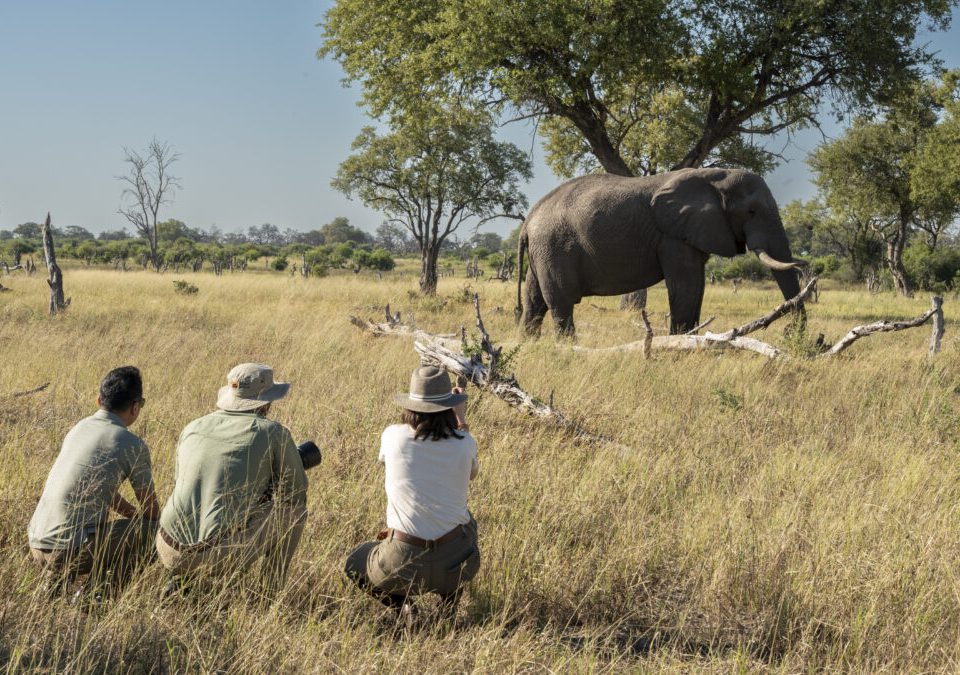
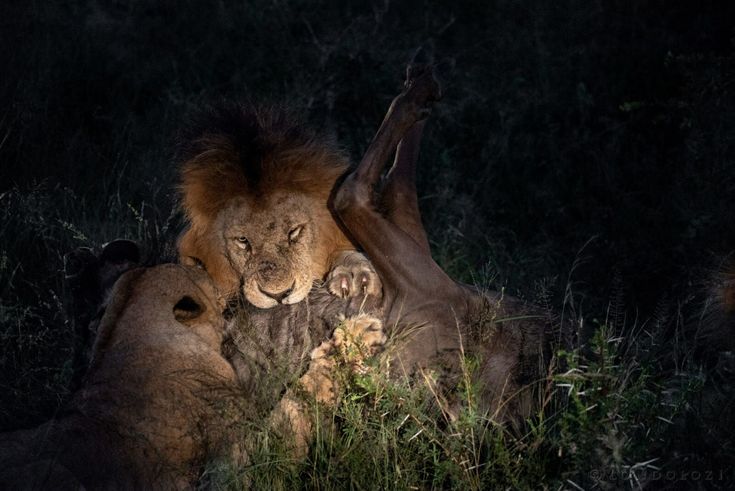
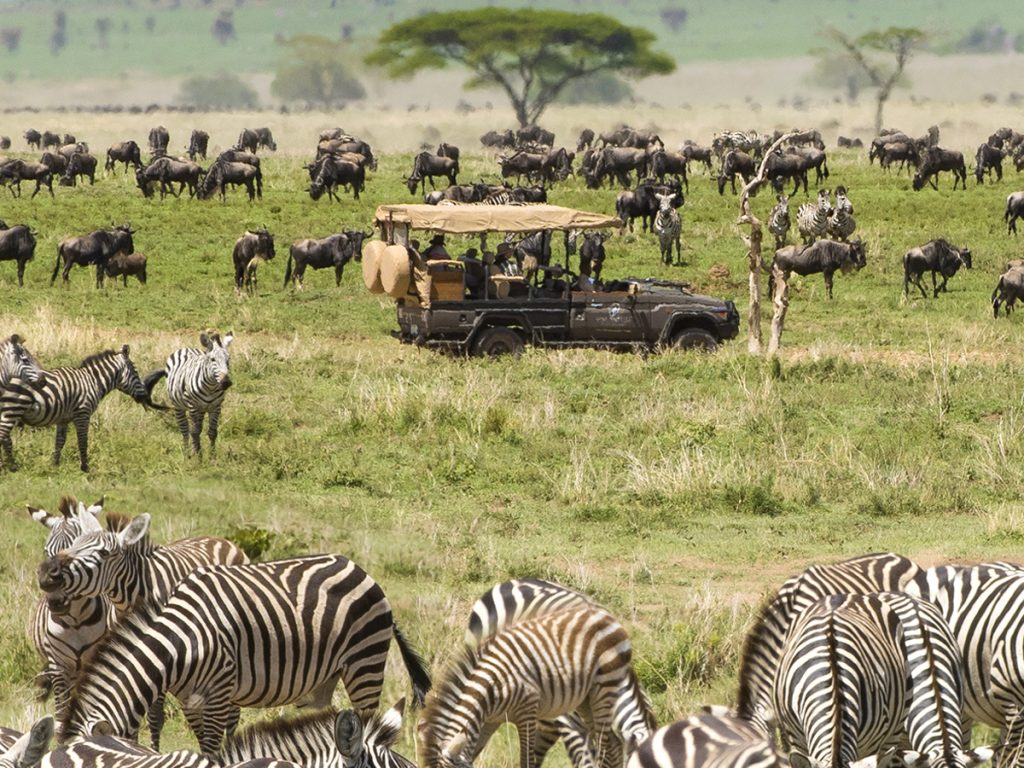
A traditional African safari often focuses on savannah wildlife such as elephants, lions, leopards, buffaloes, giraffes and zebras. Gorilla trekking offers an entirely different experience, taking travelers deep into high-altitude rainforest in search of endangered mountain gorillas.
Uganda is particularly suitable for combining the two. Gorilla trekking takes place in Bwindi Impenetrable National Park and Mgahinga Gorilla National Park, while Uganda also offers wildlife experiences in destinations including Queen Elizabeth, Murchison Falls, Kidepo Valley and Lake Mburo national parks.
Rwanda provides another important gorilla destination through Volcanoes National Park, which protects part of the Virunga Massif. Kenya and Tanzania, meanwhile, provide some of East Africa’s most famous savannah safari experiences, including the Maasai Mara, Serengeti, Ngorongoro and Tarangire.
This diversity makes East Africa gorilla and wildlife safaris ideal for travelers who want variety rather than spending their entire holiday in one type of ecosystem.
1. Uganda–Kenya–Tanzania Safari Route
The Uganda-Kenya-Tanzania safari route is one of the most comprehensive ways to experience East Africa.
A typical journey can begin in Uganda with gorilla trekking before continuing to Kenya for the Maasai Mara and then crossing into Tanzania for the Serengeti and Ngorongoro Crater.
Suggested Route
Entebbe/Kampala → Kibale → Queen Elizabeth → Bwindi → Kenya → Maasai Mara → Serengeti → Ngorongoro → Arusha
This route combines rainforest, primates, mountain gorillas and classic savannah wildlife.
Uganda Section
Start with chimpanzee tracking in Kibale National Park before continuing to Queen Elizabeth National Park. Queen Elizabeth can add game drives and boat safaris to the itinerary.
From Queen Elizabeth, continue toward Bwindi for mountain gorilla trekking. Bwindi is divided into four main trekking sectors: Buhoma, Ruhija, Rushaga and Nkuringo. UWA notes that gorilla treks can take approximately two to seven hours depending on the location of the gorilla family.
Kenya Section
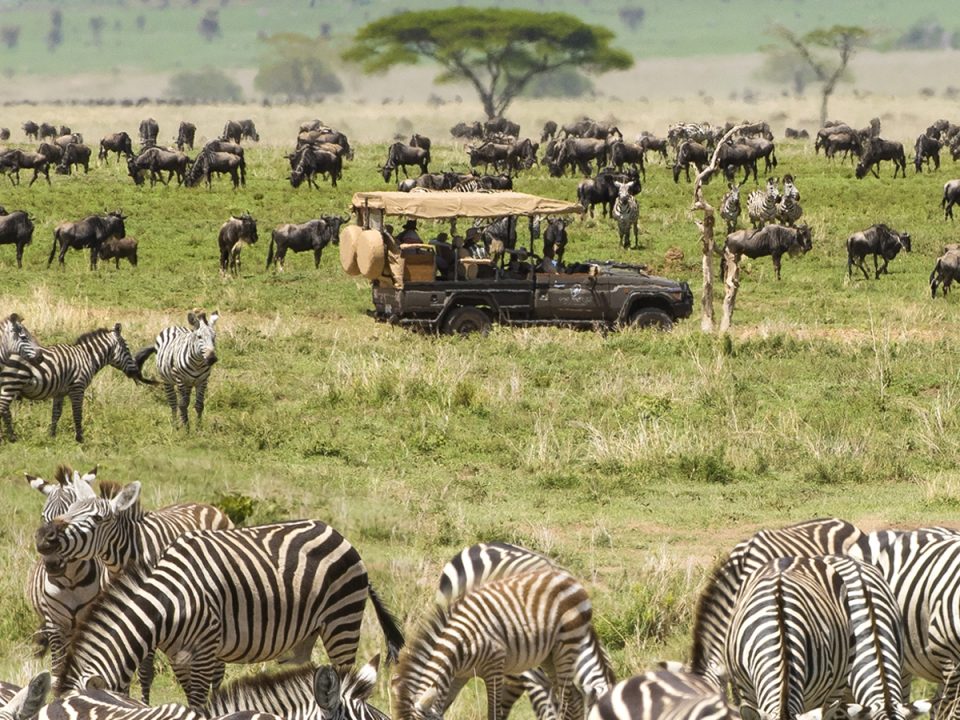
After Uganda, travelers can continue to Kenya’s Maasai Mara. The Mara forms part of the larger Serengeti-Mara ecosystem and is renowned for its abundant wildlife and seasonal wildebeest movements.
Tanzania Section
The final section can include Serengeti National Park, Ngorongoro Conservation Area and Tarangire National Park. Tanzania’s northern safari circuit is particularly well suited to travelers seeking classic wildlife viewing, with the official Tanzania tourism site highlighting Serengeti, Ngorongoro and Tarangire as key northern-circuit destinations.
Ideal duration: 14–21 days
Best for: First-time East Africa travelers, wildlife enthusiasts, photographers and travelers wanting a comprehensive safari
2. Uganda–Kenya Gorilla and Big Five Safari
For travelers with less time, a Uganda and Kenya safari can provide an excellent combination of gorilla trekking and savannah wildlife.

Suggested Route
Entebbe → Bwindi → Queen Elizabeth → Jinja/Kampala → Maasai Mara → Nairobi
A shorter itinerary can begin with a flight or road transfer toward southwestern Uganda, followed by gorilla trekking in Bwindi.
After the forest experience, travelers can continue toward Kenya for several days in the Maasai Mara.
The major attraction of this route is the contrast between ecosystems. One day you may be hiking through misty rainforest in search of gorillas; a few days later, you can be watching lions, elephants and other wildlife across open savannah.
Ideal duration: 8–12 days
Best for: Travelers with limited vacation time who want both gorilla trekking and a classic African wildlife safari.
3. Uganda–Tanzania Gorilla and Serengeti Safari
Another exciting option is combining Uganda gorilla trekking with a Tanzania safari.
Suggested Route
Entebbe → Bwindi → Queen Elizabeth → Kigali/Kigali connection → Arusha → Ngorongoro → Serengeti
This route places the emphasis on two very different wildlife experiences: mountain gorillas in Uganda and large-scale savannah wildlife in northern Tanzania.
The Tanzania section can include Tarangire National Park, Ngorongoro Crater and Serengeti National Park. The official Tanzania tourism itinerary describes the northern circuit as featuring Serengeti’s expansive plains, Ngorongoro’s famous crater landscapes and Tarangire’s elephant herds and baobabs.
Ideal duration: 10–16 days
Best for: Travelers who want gorilla trekking followed by a classic Tanzania safari.
4. Uganda–Rwanda Gorilla and Wildlife Route
For travelers interested in primates, forests and savannah wildlife, combining Uganda and Rwanda creates a compact multi-country adventure.
Suggested Route
Kigali → Volcanoes National Park → Lake Kivu → Bwindi → Queen Elizabeth → Entebbe
Alternatively, the route can begin in Uganda and finish in Rwanda.
Rwanda’s Volcanoes National Park is one of the world’s recognized mountain gorilla trekking destinations. The park is located within the Virunga Massif and also offers opportunities to see golden monkeys and enjoy volcano hiking.
Travelers can also include Akagera National Park in Rwanda for savannah wildlife. Visit Rwanda promotes itineraries combining Akagera safari experiences with Volcanoes gorilla trekking.
Ideal duration: 7–12 days
Best for: Travelers who want a combination of gorillas, primates, landscapes and cultural experiences.
5. Rwanda–Kenya Safari Route
possibility is to combine Rwanda’s gorilla trekking experience with Kenya’s famous wildlife destinations.
Suggested Route
Kigali → Volcanoes National Park → Kigali → Nairobi → Maasai Mara → Lake Nakuru/Amboseli
The first part focuses on mountain gorillas and the volcanic landscapes of northern Rwanda. The second part moves into Kenya’s savannah ecosystem.
This route can be especially attractive for travelers flying into Kigali and departing from Nairobi.
Ideal duration: 8–12 days
Best for: Travelers seeking a straightforward combination of gorilla trekking and Kenya wildlife.
6. Uganda Wildlife and Gorilla Trekking Circuit
Travelers who do not want multiple international borders can enjoy a complete safari within Uganda.
Suggested Route
Entebbe → Ziwa Rhino Sanctuary → Murchison Falls → Kibale → Queen Elizabeth → Bwindi → Lake Mburo → Entebbe
This route combines several of Uganda’s major tourism experiences.
Murchison Falls provides savannah wildlife and the dramatic Nile River environment. Kibale is renowned for chimpanzee tracking, while Queen Elizabeth provides game drives and boat safari opportunities.
The journey can then continue to Bwindi for gorilla trekking before returning through Lake Mburo.
Uganda Wildlife Authority currently lists 10 national parks under its management, including Bwindi, Mgahinga, Kibale, Kidepo Valley, Murchison Falls, Queen Elizabeth and Lake Mburo.
Ideal duration: 10–15 days
Best for: Travelers who want a comprehensive Uganda safari without adding additional countries.
7. Kenya–Tanzania Wildlife Safari With Uganda Gorilla Trekking
Travelers who want an extended East Africa safari holiday can combine the three destinations of Uganda, Kenya and Tanzania around a wildlife-focused route.
Suggested Route
Uganda → Maasai Mara → Serengeti → Ngorongoro → Tarangire
This itinerary works particularly well for travelers whose main wildlife interests include the Big Five, predators, elephants and the Great Migration.
The Maasai Mara and Serengeti are part of the same broader ecosystem, making them natural components of a wider East African wildlife itinerary. Kenya’s tourism information describes the Mara as contiguous with the Serengeti plains across the Tanzania border.
The timing of the trip should be considered carefully when travelers specifically want to experience seasonal wildlife movements.
Best Time for an East Africa Gorilla and Wildlife Safari
There is no single month that is perfect for every destination because East Africa contains different ecosystems and weather patterns.
For gorilla trekking, Uganda and Rwanda can be visited throughout the year. However, many travelers prefer periods with generally drier trail conditions.
For Kenya and Tanzania, timing can depend heavily on whether the traveler wants general wildlife viewing or a particular seasonal event such as the Great Migration.
The best approach is therefore to plan the route around the traveler’s primary experience.
If gorilla trekking is the main priority, secure the gorilla permit and build the rest of the itinerary around the trekking date.
If the Great Migration is the primary interest, plan the Kenya-Tanzania section around the relevant seasonal movements and then connect it with Uganda or Rwanda.
How Many Days Do You Need?
The ideal length depends on the number of countries and parks included.
7–9 Days
Suitable for a compact Uganda or Rwanda gorilla and wildlife safari.
10–12 Days
Allows travelers to combine gorilla trekking with several wildlife destinations.
14–16 Days
Excellent for a multi-country Uganda-Kenya-Tanzania safari.
18–21 Days
Allows a slower journey with more parks, cultural experiences, photography opportunities and rest days.
Avoid trying to visit too many destinations in a short period. A safari is more enjoyable when travelers have sufficient time for game drives, trekking, transfers and relaxation.
Choosing Between Uganda and Rwanda for Gorilla Trekking
Both Uganda and Rwanda offer mountain gorilla trekking within the Virunga ecosystem, but the travel experience can differ.
Uganda offers gorilla trekking in Bwindi Impenetrable National Park and Mgahinga Gorilla National Park. Bwindi has several trekking sectors, providing different route possibilities within the park.
Rwanda’s Volcanoes National Park offers a gorilla trekking experience in the Virunga Mountains and is relatively close to Kigali. Visit Rwanda describes the park as a major destination for gorilla tracking and other activities such as golden monkey tracking and hiking.
The choice should therefore consider the overall itinerary, budget, accommodation preferences, border arrangements, flights and the other destinations the traveler wants to visit.
Why Book a Customized East Africa Safari?
East Africa is too diverse for a one-size-fits-all itinerary.
A couple traveling for a honeymoon may prefer fewer destinations and more time at premium lodges. A wildlife photographer may want longer game drives and additional time in the Mara or Serengeti. A family may prefer shorter driving days and carefully selected accommodations.
At Mandrill African Safaris, we can customize safari routes around your interests, available time and budget.
Our team can help combine:
- Gorilla trekking in Uganda or Rwanda
- Big Five wildlife safaris
- Chimpanzee tracking
- Maasai Mara game drives
- Serengeti wildlife safaris
- Ngorongoro Crater visits
- Queen Elizabeth National Park
- Murchison Falls National Park
- Kidepo Valley National Park
- Cultural experiences
- Birdwatching
- Photography safaris
- Honeymoon and family safaris
The result is a safari itinerary designed around what you actually want to experience rather than simply following a fixed route.
Book Your East Africa Wildlife and Gorilla Safari
The best East Africa safari routes for wildlife and gorilla trekking connect very different landscapes and experiences into one memorable journey. From the rainforest gorillas of Bwindi and Volcanoes National Park to the open savannah of Maasai Mara and Serengeti, East Africa offers remarkable opportunities for adventure, wildlife viewing and cultural discovery.
Whether you are planning a Uganda gorilla safari, Uganda-Kenya safari, Uganda-Tanzania safari, Rwanda gorilla and wildlife safari, or a longer East Africa multi-country safari, Mandrill African Safaris can help design a route around your travel goals.
Start planning your East Africa gorilla and wildlife safari with Mandrill African Safaris and discover the forests, savannahs, wildlife and cultures that make this region one of Africa’s most diverse safari destinations.