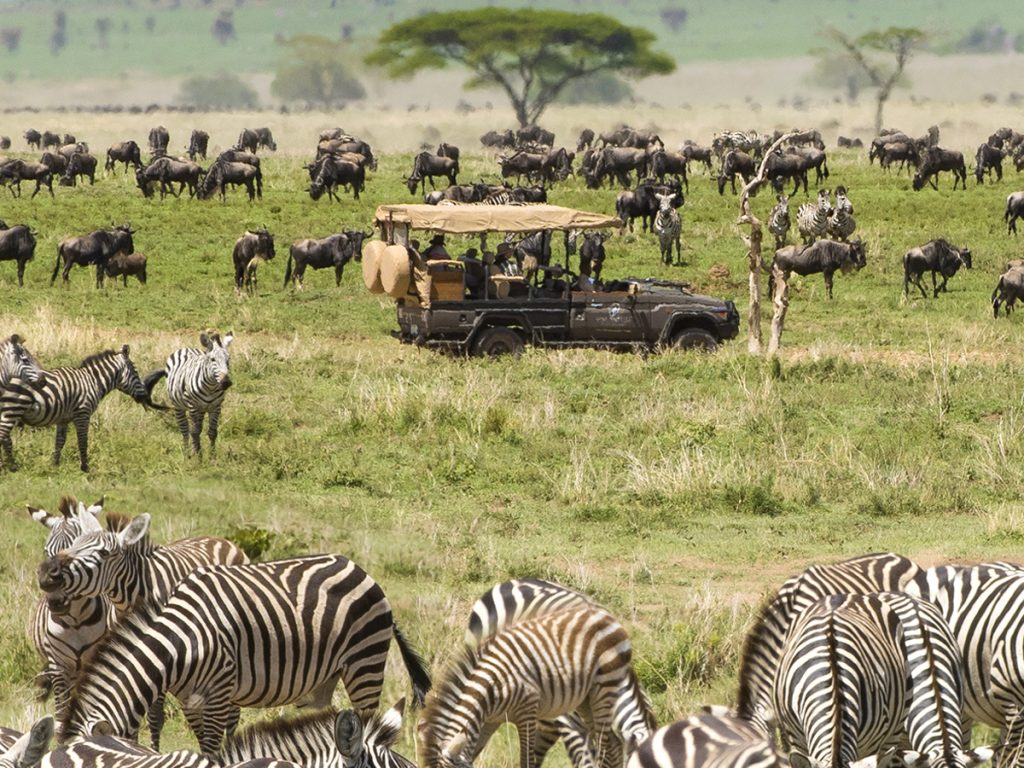
7-Day Uganda and Rwanda Safari: Gorillas, Wildlife & Culture
2026-09-11
Best Time to Visit Uganda, Kenya and Tanzania on One Safari
2026-09-14
Best Time to Visit Uganda and Rwanda for a Combined Safari
Discover the best time to visit Uganda and Rwanda for a combined safari. Explore gorilla trekking, wildlife safaris, chimpanzees and scenic landscapes in the dry and wet seasons.
Introduction
Uganda and Rwanda are two of East Africa’s most rewarding safari destinations, offering an exceptional combination of mountain gorilla trekking, chimpanzee tracking, wildlife viewing, birdwatching, cultural experiences and breathtaking landscapes.
A combined Uganda and Rwanda safari allows travelers to experience the highlights of both countries in one memorable journey. You can trek mountain gorillas in Uganda’s Bwindi Impenetrable National Park, explore Rwanda’s Volcanoes National Park, search for chimpanzees in Uganda’s Kibale Forest, enjoy game drives in Queen Elizabeth or Murchison Falls National Parks, and discover Rwanda’s savannah wildlife in Akagera National Park.
One of the most important questions when planning such a journey is: What is the best time to visit Uganda and Rwanda for a combined safari?
The good news is that both countries can be visited throughout the year. However, weather conditions, road conditions, trekking difficulty, wildlife visibility, visitor numbers and accommodation availability vary from season to season.
For most travelers, the dry seasons from June to September and December to February offer the best overall conditions for a combined Uganda and Rwanda safari.
When Is the Best Time to Visit Uganda and Rwanda?
The best overall time to visit Uganda and Rwanda for a combined safari is generally during the dry seasons, particularly:
- June to September
- December to February
These periods usually offer better conditions for gorilla trekking, wildlife viewing, road travel and outdoor activities.

The June to September period is particularly popular because rainfall is generally lower and trekking trails tend to be firmer. It is also an excellent period for traditional wildlife safaris in Uganda and Rwanda.
The December to February period is another excellent travel window. Conditions are generally favorable for gorilla trekking and wildlife viewing, although December can be particularly busy because of the festive holiday season.
However, choosing the best month ultimately depends on what you want to experience.
June to September – The Best Overall Safari Season
For travelers who want the most favorable combination of trekking and wildlife conditions, June to September is one of the best periods to plan a Uganda and Rwanda safari.
During this period, rainfall is generally lower, making roads and forest trails more manageable. Gorilla trekking in Bwindi and Volcanoes National Park can still involve steep terrain, but drier conditions usually make hiking more comfortable.
This season is also excellent for traditional wildlife safaris.
In Uganda, travelers can combine gorilla trekking with game drives in:
- Queen Elizabeth National Park
- Murchison Falls National Park
- Lake Mburo National Park
- Kidepo Valley National Park
In Rwanda, Akagera National Park provides an opportunity to see elephants, buffaloes, lions, giraffes, hippos, antelopes and numerous bird species. During the dry season, vegetation is generally less dense and animals can be easier to spot around water sources.
Why choose June to September?
- Favorable trekking conditions
- Lower rainfall
- Generally better road conditions
- Excellent wildlife viewing
- Good photography conditions
- Ideal for combining several national parks
- Excellent time for first-time safari travelers
The main disadvantage is that this is also a peak tourism season, meaning popular lodges and gorilla permits can be booked well in advance.
December to February – Another Excellent Safari Window
The second major dry season runs approximately from December to February.
This period is often overlooked by travelers who automatically choose the June-to-September season. However, December, January and February can be excellent months for a combined Uganda and Rwanda safari.
Gorilla trekking remains available, and the relatively drier conditions can make forest trails easier to navigate than during the wetter months.
January and February are particularly attractive for travelers looking for a balance between favorable weather and slightly less pressure than the busiest mid-year months.
You can combine:
Kampala → Kibale Forest → Queen Elizabeth National Park → Bwindi → Rwanda → Volcanoes National Park → Kigali
This route provides a fantastic mixture of chimpanzee tracking, wildlife viewing, gorilla trekking and cultural experiences.
March to May – The Green Season
March to May is generally associated with the long rainy season.
If your main priority is the easiest possible trekking and road conditions, this may not be your first choice. Rain can make forest trails muddy and slippery, particularly in mountainous areas such as Bwindi and the Virunga region.
However, there are some major advantages.
The landscapes become beautifully green and lush. Forests are vibrant, waterfalls are impressive and photographers can capture dramatic scenery.
There are also generally fewer tourists compared with the peak dry season.
For travelers who are flexible and don’t mind getting wet, the green season can provide a more intimate safari experience.
Benefits of visiting March to May
- Fewer tourists
- Lush green landscapes
- Excellent scenery
- Potentially better accommodation value
- Greater flexibility with availability
- Great conditions for landscape photography
The main consideration is that rain can affect road travel and make gorilla trekking more physically challenging.
October to November – Short Rainy Season
October and November generally experience another period of increased rainfall.
These months can be particularly attractive for travelers who want fewer crowds while still enjoying a rewarding safari experience.
Rainfall can be unpredictable, so travelers should prepare for wet conditions, especially when trekking in forests.
The advantage is that Uganda and Rwanda remain spectacularly green, while tourist numbers can be lower than during the June-to-September peak season.
For adventurous travelers, October and November can be excellent shoulder-season months.
Best Time for Gorilla Trekking in Uganda and Rwanda
Gorilla trekking is one of the biggest reasons travelers combine Uganda and Rwanda.
The activity is available throughout the year. However, the dry seasons are generally considered the most comfortable because forest trails are less muddy and slippery.
In Uganda, travelers can trek mountain gorillas in Bwindi Impenetrable National Park or Mgahinga Gorilla National Park.
In Rwanda, gorilla trekking takes place in Volcanoes National Park.
The best months for comfortable trekking are generally:
June, July, August, September, December, January and February.
Nevertheless, rain should not discourage adventurous travelers from trekking outside these months. Mountain gorillas live in rainforest environments, meaning rain can occur even during the dry season.
The important difference is that dry-season conditions generally make the hiking experience easier.
Best Time for Wildlife Safaris
If your combined trip includes classic wildlife viewing, the dry seasons are particularly attractive.
During drier periods, animals often gather around reliable water sources, while shorter vegetation can improve visibility.
In Uganda, some of the best parks to include are:
Queen Elizabeth National Park
Famous for tree-climbing lions in the Ishasha sector, elephants, buffaloes, hippos, antelopes and the Kazinga Channel boat cruise.
Murchison Falls National Park
Uganda’s largest national park offers game drives, Nile boat cruises and spectacular views of the powerful Murchison Falls.
Kibale Forest National Park
Kibale is one of Africa’s premier destinations for chimpanzee tracking and is an excellent addition to a gorilla safari.
Lake Mburo National Park
Lake Mburo is ideal for shorter wildlife experiences and can be conveniently included on routes between western Uganda and Kampala.
In Rwanda, Akagera National Park is the country’s major savannah safari destination. The dry season is generally favorable for wildlife viewing because vegetation is less dense and animals may congregate near water.
Best Time for Chimpanzee Trekking
Uganda is especially famous for chimpanzee trekking, with Kibale Forest being one of the country’s leading destinations.
Chimpanzee trekking can be done throughout the year, but dry periods can make forest trails easier to navigate.
A combined Uganda-Rwanda itinerary that includes Kibale, Queen Elizabeth, Bwindi and Volcanoes National Park provides an outstanding primate-focused safari.
Travelers can potentially experience:
- Chimpanzee trekking
- Mountain gorilla trekking
- Golden monkey tracking
- Forest walks
- Birdwatching
- Wildlife game drives
- Boat safaris
- Cultural experiences
Best Time for Budget Travelers
If your priority is keeping your safari budget under control, consider traveling during the wetter months.
The rainy seasons generally attract fewer visitors, and some accommodation providers may offer better rates during low-demand periods.
Uganda is particularly attractive for budget-conscious gorilla travelers because its gorilla trekking experience can be combined with a wide range of accommodation categories, from budget to luxury.
However, travelers should not choose a rainy-season safari solely because it is cheaper. You should also consider your tolerance for rain, muddy trails and potentially slower road journeys.
At Mandrill African Safaris, we can help you select a travel period that balances budget, weather, activities and accommodation preferences.
Best Time for Photography
Uganda and Rwanda are outstanding destinations for wildlife and landscape photography.
For travelers prioritizing photography, the dry seasons provide relatively favorable conditions for wildlife viewing and trekking.
However, the rainy seasons offer another advantage: dramatic skies, misty forests, lush vegetation and vibrant landscapes.
Photographers who enjoy atmospheric forest images may actually prefer the green season.
Bwindi’s mist-covered rainforest, Rwanda’s volcanic mountains and the lush landscapes around the Albertine Rift can produce spectacular photographs at almost any time of year.
Uganda and Rwanda Safari: Month-by-Month Guide
| Month | Season | Safari Conditions | Recommended For |
|---|---|---|---|
| January | Dry | Excellent | Gorilla & wildlife safaris |
| February | Dry | Excellent | Gorilla trekking & chimpanzees |
| March | Wet | Moderate | Green landscapes & fewer tourists |
| April | Wet | Wet/muddy | Budget & photography |
| May | Wet | Improving | Green season & fewer crowds |
| June | Dry | Excellent | Gorilla & wildlife safaris |
| July | Dry | Excellent | Peak safari season |
| August | Dry | Excellent | Gorilla trekking & wildlife |
| September | Dry/transition | Very good | Combined safaris |
| October | Wet/transition | Moderate | Fewer crowds |
| November | Wet | Moderate | Budget travelers |
| December | Dry/transition | Very good | Holiday safaris |
This seasonal pattern is a useful planning guide, but East African weather can vary from year to year. Even in the dry season, rain remains possible in rainforest areas.
How Many Days Do You Need for a Uganda and Rwanda Safari?
For a combined safari, we recommend 8 to 14 days, depending on how many activities you want to include.
8–10 Days
A shorter itinerary could combine:
Kampala/Entebbe → Kibale → Queen Elizabeth → Bwindi → Rwanda → Volcanoes → Kigali
This is suitable for travelers who want chimpanzees, wildlife and gorillas without spending too long on the road.
12–14 Days
A longer itinerary allows more time for wildlife and cultural experiences.
You could include:
Kampala → Murchison Falls → Kibale → Queen Elizabeth → Bwindi → Rwanda → Volcanoes → Akagera → Kigali
This gives you a more comprehensive East African experience.
Why Choose Mandrill African Safaris?
Planning a combined Uganda and Rwanda safari involves more than choosing a travel date. You need to coordinate gorilla permits, accommodation, transportation, border crossing arrangements, park activities and the timing of each destination.
Mandrill African Safaris specializes in creating customized East African safari experiences based on travelers’ interests and budgets.
Whether you are interested in:
- Uganda gorilla trekking
- Rwanda gorilla trekking
- Chimpanzee tracking
- Big Five wildlife safaris
- Birdwatching
- Cultural experiences
- Luxury safaris
- Midrange safaris
- Budget safaris
- Uganda-Rwanda combined tours
our team can help design an itinerary around your preferred travel dates.
Final Thoughts: When Should You Visit Uganda and Rwanda?
So, what is the best time to visit Uganda and Rwanda for a combined safari?
For the best overall balance of weather, trekking conditions, wildlife viewing and road travel, June to September is our top recommendation.
The second excellent window is December to February.
If you prefer fewer tourists, greener landscapes and potentially better value, consider March to May or October to November. The trails can be wetter and more challenging, but the experience can be equally memorable.
Ultimately, there is no single perfect month for everyone. The best time depends on whether you prioritize comfortable trekking, wildlife viewing, photography, budget, fewer crowds or flexible travel.
With the right itinerary, Uganda and Rwanda can be combined into one extraordinary East African safari, taking you from rainforest gorillas and chimpanzees to savannah wildlife, volcanic landscapes and vibrant local cultures.
Ready to plan your Uganda and Rwanda combined safari? Contact Mandrill African Safaris to create a customized itinerary based on your preferred travel dates, interests and budget.