Ultimate East Africa Safari Bucket List: Gorillas, Big Five & Great Migration
2026-09-07
Baby Gorilla: a Mountain Gorilla Infant
2026-09-07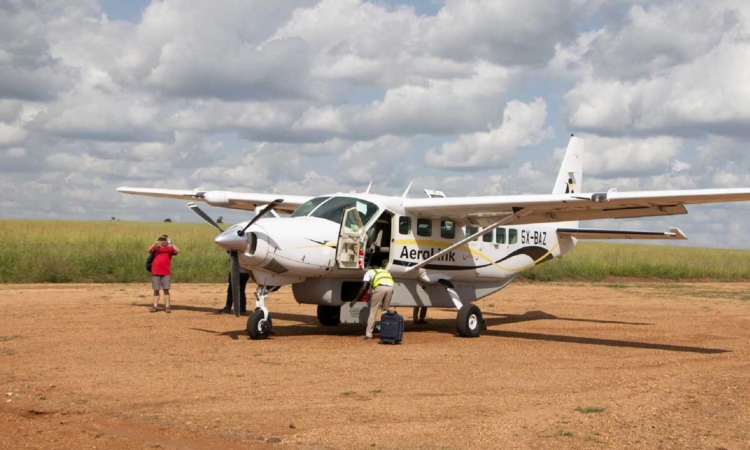
From Maasai Mara to Serengeti: The Ultimate Kenya-Tanzania Safari
From the endless golden plains of Kenya’s Maasai Mara to the spectacular wilderness of Tanzania’s Serengeti, a Kenya-Tanzania safari offers one of Africa’s most unforgettable wildlife experiences. This cross-border safari combines two of East Africa’s most famous destinations, giving travelers the opportunity to experience incredible wildlife, dramatic landscapes, rich cultures, and the legendary Great Migration in one extraordinary journey.
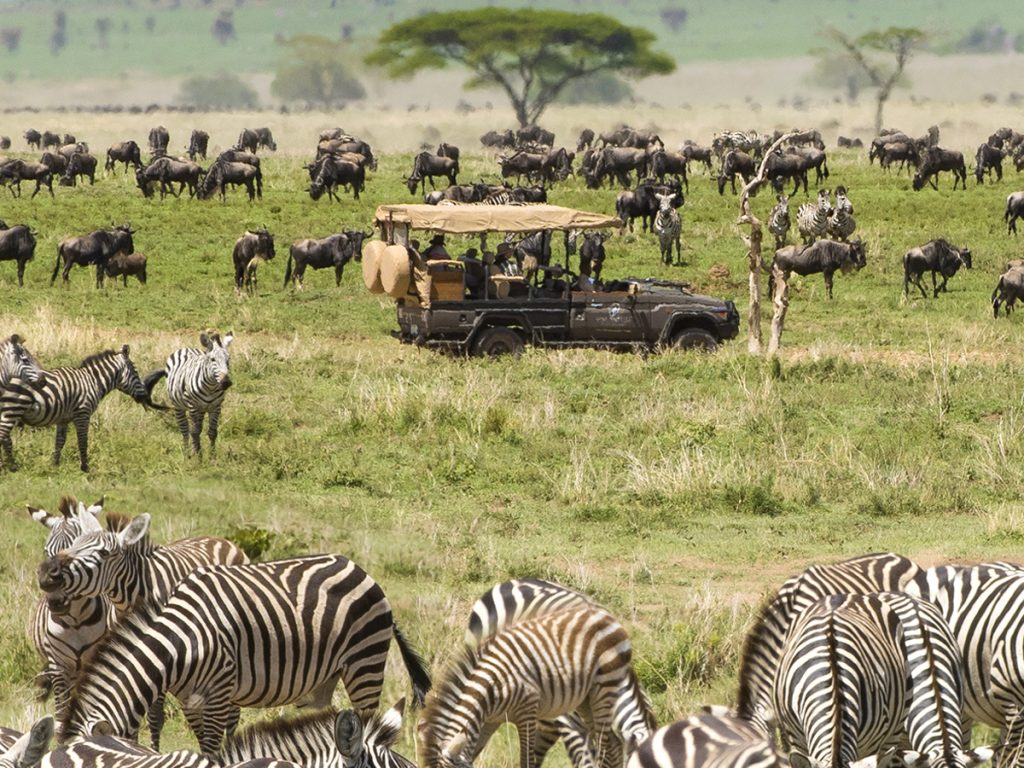
For travelers searching for the best Kenya and Tanzania safari, combining the Maasai Mara and Serengeti is an excellent choice. These neighboring ecosystems form part of the same vast wildlife landscape, where millions of wildebeest, zebras, and gazelles move across the plains in search of fresh grazing.
Whether you are planning your first African safari, a honeymoon, family holiday, wildlife photography trip, or luxury safari adventure, a Maasai Mara and Serengeti safari provides an exceptional introduction to East Africa.
Why Choose a Kenya-Tanzania Safari?
Kenya and Tanzania are among Africa’s premier safari destinations. Traveling between the two countries allows visitors to experience different landscapes, wildlife habitats, cultures, and safari experiences during one trip.

The Maasai Mara is famous for its abundant wildlife, big cats, open savannahs, and the annual Great Migration. Across the border, the Serengeti provides an enormous wilderness area with spectacular game viewing and some of the most famous wildlife encounters in Africa.
A combined Kenya Tanzania safari itinerary may include:
- Maasai Mara National Reserve
- Serengeti National Park
- Ngorongoro Conservation Area
- Lake Manyara National Park
- Amboseli National Park
- Nairobi
- Cultural experiences with Maasai communities
Combining destinations also gives travelers a more complete understanding of East Africa’s remarkable ecosystems.
Maasai Mara: The Beginning of Your East African Adventure
The Maasai Mara National Reserve is one of Kenya’s most famous wildlife destinations and a must-visit for anyone planning a Kenya safari.
Located in southwestern Kenya, the reserve is characterized by rolling grasslands, seasonal rivers, acacia trees, and abundant wildlife. It is particularly renowned for its large populations of lions, leopards, cheetahs, elephants, buffaloes, giraffes, and other plains game.
One of the biggest attractions is the Great Wildebeest Migration, when enormous herds move between Tanzania’s Serengeti and Kenya’s Maasai Mara.
A safari in the Maasai Mara can offer spectacular sightings of:
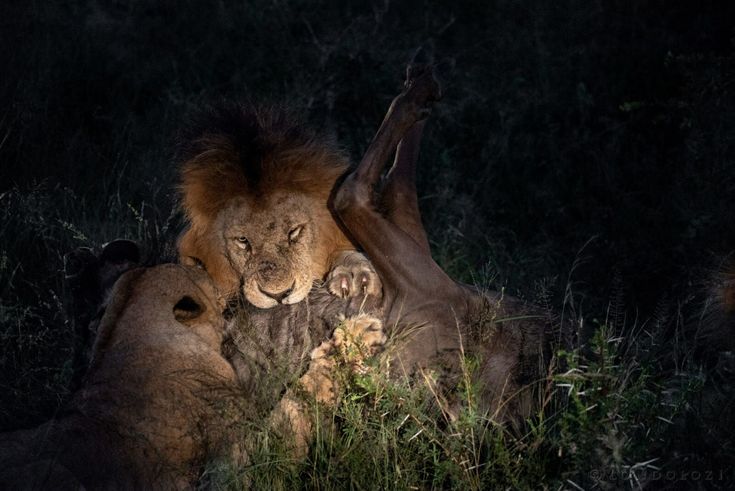
- Lions hunting on the open plains
- Cheetahs pursuing prey
- Leopards resting in trees
- Large elephant herds
- Buffaloes and giraffes
- Hippos and crocodiles
- Wildebeest and zebras
- Numerous bird species
The Mara also provides opportunities to experience Maasai culture. Visitors can learn about traditional lifestyles, community values, crafts, dances, and the relationship between local communities and wildlife conservation.
Crossing from Maasai Mara to Serengeti
One of the most exciting aspects of a Kenya-Tanzania safari is traveling from the Maasai Mara into the Serengeti ecosystem.
The two destinations are ecologically connected, making the journey particularly meaningful for wildlife enthusiasts. Depending on the itinerary and border arrangements, travelers can move from Kenya into Tanzania and continue their safari through northern Tanzania.
The transition from the Mara to the Serengeti provides an opportunity to witness the changing landscapes while continuing the search for Africa’s iconic wildlife.
For international travelers, the itinerary should be carefully planned around Kenya and Tanzania visa requirements, border crossing procedures, transportation arrangements, and park entry regulations.
Mandrill African Safaris can help travelers organize the logistics of a seamless East African safari experience.
Serengeti National Park: Tanzania’s Wildlife Wonderland
After exploring the Maasai Mara, your adventure continues into Serengeti National Park, one of Tanzania’s most celebrated wildlife destinations.
The Serengeti is famous for its vast grasslands, dramatic sunsets, abundant wildlife, and the annual Great Migration. Its name is commonly associated with the idea of endless plains, and once you see the landscape stretching toward the horizon, it is easy to understand why.

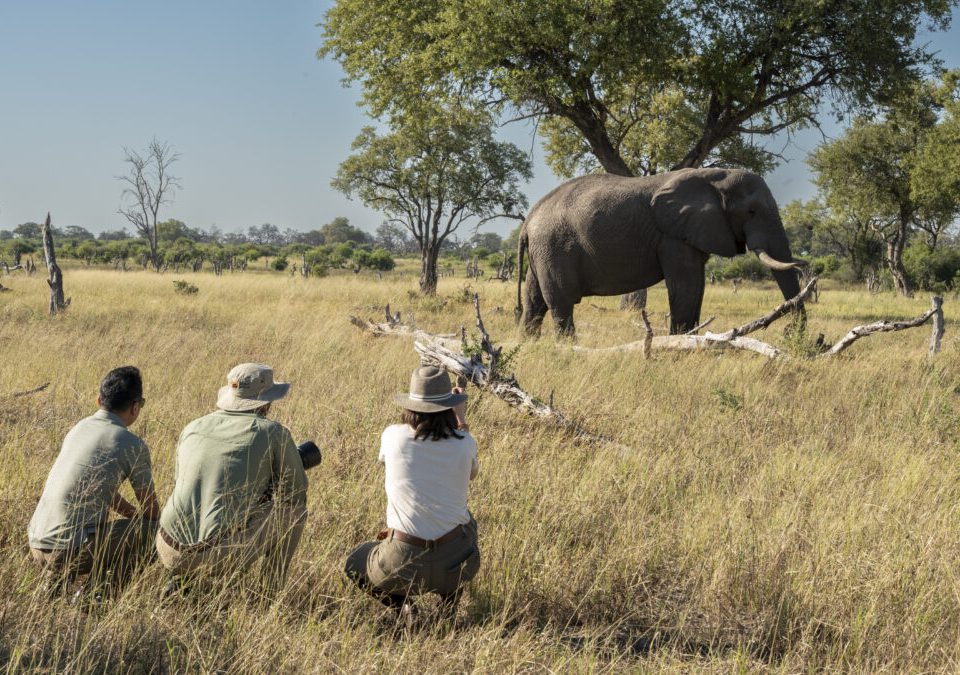
The park supports enormous populations of herbivores and predators. Game drives can reveal lions resting beneath trees, cheetahs scanning the plains, leopards hidden among vegetation, elephants moving across the savannah, and large herds of wildebeest and zebra.
The Serengeti is also a fantastic destination for wildlife photographers. The combination of dramatic landscapes, golden light, predators, and large herds creates extraordinary photography opportunities.
Experience the Great Wildebeest Migration
The Great Wildebeest Migration is one of the world’s greatest wildlife spectacles and a major reason travelers choose a Kenya-Tanzania safari.
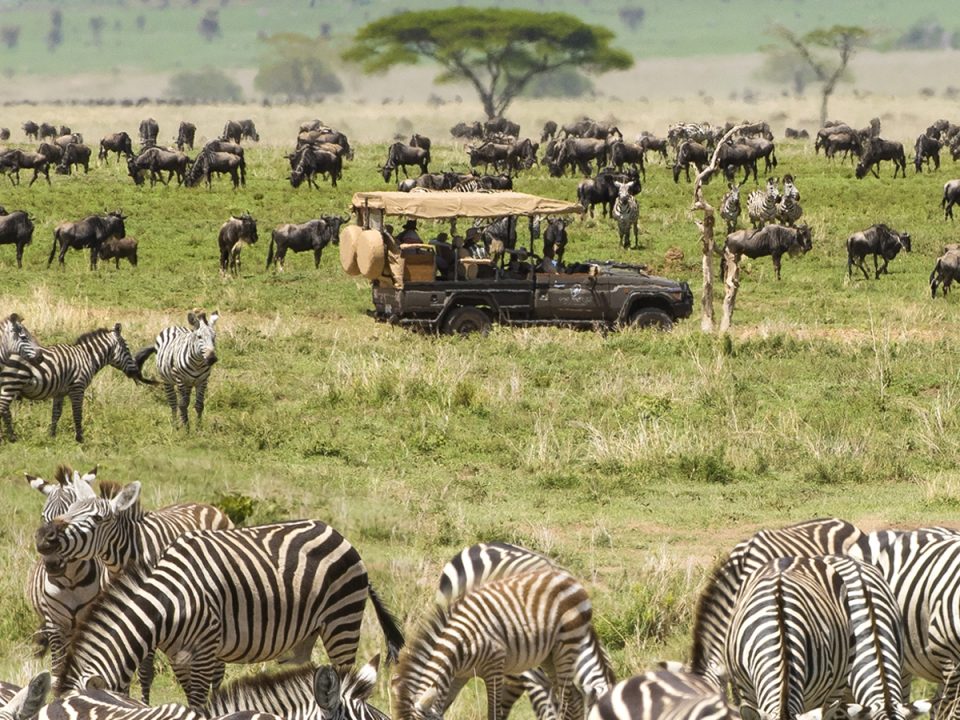
More than a million wildebeest, accompanied by large numbers of zebras and gazelles, move through the Serengeti-Mara ecosystem throughout the year.
The migration is not a single event that happens on one specific date. Instead, it is a continuous cycle influenced by rainfall, grazing conditions, and the availability of fresh pasture.
Depending on the season, travelers may witness:
- Massive wildebeest herds crossing the plains
- Predator encounters
- Calving season
- Zebra and gazelle herds
- Dramatic river crossings
- Lions and other predators following migrating herds
For travelers hoping to witness river crossings, timing and location are particularly important. Wildlife movements can change from year to year, so an experienced safari operator can help design an itinerary based on seasonal patterns.
Add Ngorongoro Crater to Your Safari
A Kenya-Tanzania safari becomes even more rewarding when Ngorongoro Crater is added to the itinerary.
The Ngorongoro Conservation Area is one of Tanzania’s most remarkable wildlife destinations. The crater’s enclosed environment supports a high concentration of wildlife, making it an excellent location for game viewing.
A game drive inside the crater may provide opportunities to see lions, elephants, buffaloes, zebras, wildebeest, hippos, hyenas, and many other species.
The dramatic crater landscape also provides a spectacular contrast to the open plains of the Serengeti.
Best Time for a Kenya-Tanzania Safari
The best time to visit depends on what you want to experience.
June to October
This period is generally popular for safari because of drier conditions and excellent wildlife viewing. It is also an important period for travelers interested in following the Great Migration.
January to March
This period can be particularly rewarding for travelers interested in the wildebeest calving season. The southern Serengeti can become a major focus of migration activity.
November to December
Short rains can transform the landscapes into lush green scenery. Wildlife viewing can still be excellent, and some destinations may be less crowded.
April to May
These months can experience heavier rains in parts of East Africa. However, travelers looking for lower-season rates, fewer crowds, and green landscapes may still find this period attractive.
The best time for a Kenya Tanzania safari ultimately depends on your priorities, budget, preferred destinations, and interest in the Great Migration.
How Many Days Do You Need?
A combined Kenya-Tanzania safari should ideally allow enough time to enjoy both countries without rushing.
A 7-day Kenya Tanzania safari can provide a highlights experience, while a 10-day Kenya Tanzania safari offers more time for wildlife viewing.
For travelers with more time, a 12- to 14-day itinerary can include several destinations and allow for a slower, more immersive experience.
A sample 10-day itinerary could look like this:
Day 1: Arrival in Nairobi
Day 2: Nairobi – Maasai Mara
Day 3: Full-day Maasai Mara safari
Day 4: Maasai Mara – Serengeti
Day 5: Full-day Serengeti safari
Day 6: Serengeti game drive
Day 7: Serengeti – Ngorongoro
Day 8: Ngorongoro Crater safari
Day 9: Ngorongoro – Arusha
Day 10: Departure
The itinerary can be customized depending on flight schedules, interests, budget, and the season of travel.
Luxury, Midrange, and Budget Safari Options
A Kenya-Tanzania safari can be tailored to different travel budgets.
Budget safaris typically use comfortable budget lodges, campsites, or tented camps and shared safari vehicles where appropriate.
Midrange safaris offer a balance between comfort and price, usually combining quality lodges and tented camps with private or shared safari arrangements.
Luxury safaris focus on premium lodges, luxury tented camps, private vehicles, personalized services, and carefully selected experiences.
At Mandrill African Safaris, the safari can be customized according to your preferred accommodation level and travel style.
Wildlife You Can Expect to See
A Kenya-Tanzania safari offers the opportunity to encounter many of Africa’s most iconic animals.
Among the highlights are the Big Five:
- Lion
- Leopard
- Elephant
- Buffalo
- Rhinoceros
You may also see cheetahs, giraffes, zebras, wildebeest, hippos, crocodiles, hyenas, jackals, antelopes, baboons, and hundreds of bird species.
However, wildlife is wild and sightings cannot be guaranteed. The excitement of safari comes partly from not knowing what will appear around the next bend.
Why Travel With Mandrill African Safaris?
Planning a cross-border safari requires more than simply booking accommodation and a vehicle. Route planning, park fees, border procedures, accommodation selection, seasonal wildlife movements, and transportation all need to work together.
Mandrill African Safaris specializes in creating personalized African safari experiences designed around travelers’ interests and budgets.
Whether your dream is to photograph lions in the Maasai Mara, watch wildebeest crossing the plains, explore the Serengeti, visit Ngorongoro Crater, or experience East African culture, our team can help create a memorable itinerary.

We focus on combining wildlife experiences with comfortable accommodation, knowledgeable safari guides, responsible tourism, and carefully planned logistics.
Start Your Kenya-Tanzania Safari Adventure
From the spectacular grasslands of the Maasai Mara to the endless plains of the Serengeti, a Kenya-Tanzania safari is more than a holiday. It is an opportunity to experience some of Africa’s most extraordinary wildlife landscapes in one journey.
The roar of a lion at sunrise, elephants crossing the savannah, thousands of wildebeest moving across the plains, and the golden glow of an East African sunset are memories that remain long after the safari ends.
If you are looking for Kenya Tanzania safari packages, a Maasai Mara and Serengeti safari, or a customized East Africa wildlife adventure, Mandrill African Safaris can help turn your African dream into reality.