Bwindi Gorilla Trekking Rules and Regulations Explained
2026-06-17
The History of Gorilla Conservation in Bwindi Forest
2026-06-18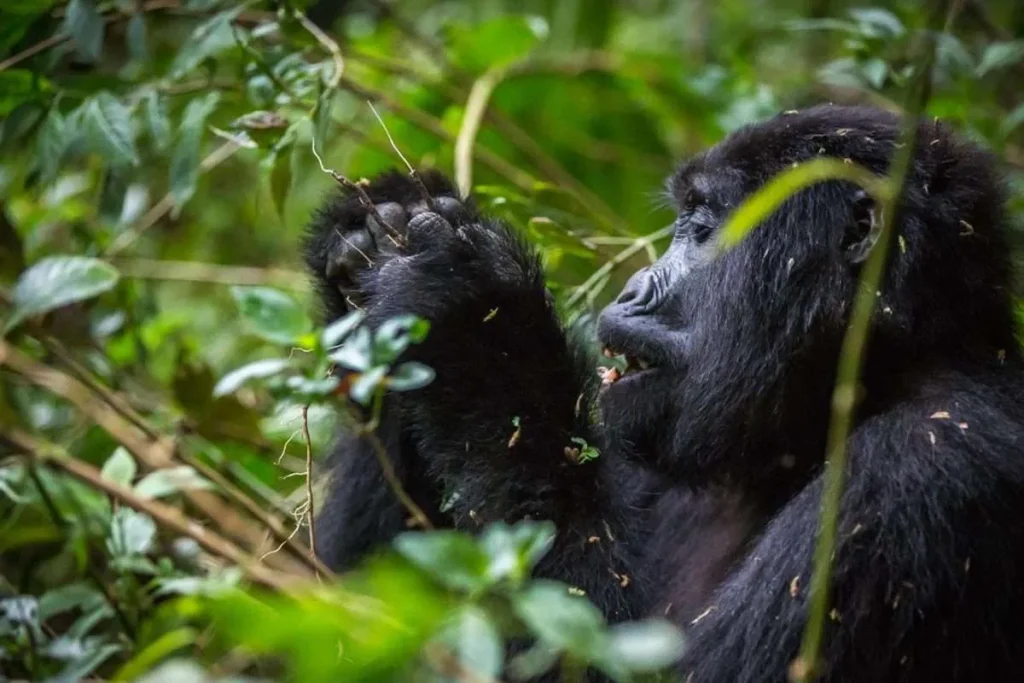
Why Bwindi Has More Mountain Gorillas Than Anywhere Else in the World
Discover the Global Stronghold of Mountain Gorillas with Mandrill African Safaris
When travelers dream of encountering mountain gorillas in their natural habitat, one destination stands above all others—Bwindi Impenetrable National Park in Uganda. Nestled in the southwestern corner of Uganda, this ancient rainforest is home to nearly half of the world’s remaining mountain gorilla population, making it the most important mountain gorilla habitat on Earth.
But why does Bwindi have more mountain gorillas than anywhere else in the world? The answer lies in a remarkable combination of geography, conservation success, biodiversity, climate, and community involvement.
Understanding Mountain Gorillas
Mountain gorillas are one of the rarest primates on the planet. Found only in the forests of Uganda, Rwanda, and the Democratic Republic of Congo, these magnificent creatures belong to a subspecies of the eastern gorilla.
Unlike lowland gorillas, mountain gorillas thrive in high-altitude forests characterized by dense vegetation, cool temperatures, and abundant food sources.
Today, the global mountain gorilla population exceeds 1,000 individuals, a conservation success story that few endangered species can match.
Bwindi Impenetrable National Park: A Unique Gorilla Habitat
Bwindi Impenetrable National Park covers approximately 331 square kilometers of ancient rainforest and is recognized as a UNESCO World Heritage Site.
What makes Bwindi unique is its incredible ecological diversity. The forest contains:
- Dense tropical rainforest
- Bamboo zones
- Montane forests
- Swamps and valleys
- Rich medicinal and fruit-bearing vegetation
These habitats provide mountain gorillas with an ideal environment for feeding, nesting, and raising their young.
The abundance of food throughout the year significantly contributes to the park’s ability to support a larger gorilla population than other protected areas.
Bwindi Hosts Nearly Half of the World’s Mountain Gorillas
One of the primary reasons Bwindi has more mountain gorillas than anywhere else is simple: it contains the largest population.
Recent conservation surveys estimate that over 450 mountain gorillas live within Bwindi’s boundaries, representing nearly half of the global population.
The park’s gorillas are distributed across four major trekking sectors:
Buhoma Sector
Located in northern Bwindi, Buhoma was the first region opened for gorilla tourism and remains one of the most popular trekking destinations.
Ruhija Sector
Known for breathtaking mountain scenery and excellent birdwatching opportunities.
Rushaga Sector
Rushaga contains the highest concentration of habituated gorilla families in Uganda.
Nkuringo Sector
Offers challenging treks combined with spectacular views of the surrounding landscape.
Together, these sectors support numerous gorilla families that continue to grow through successful breeding and conservation efforts.
The Ancient Forest Advantage
Bwindi is believed to be one of Africa’s oldest surviving rainforests, dating back more than 25,000 years.
Unlike many ecosystems that experienced dramatic changes during the Ice Age, Bwindi remained relatively stable. This allowed plant and animal species to evolve and flourish over thousands of years.
The forest now contains:
- More than 1,000 flowering plant species
- Hundreds of tree species
- Over 120 mammal species
- More than 350 bird species
This extraordinary biodiversity creates ideal conditions for mountain gorillas, ensuring a steady food supply and healthy ecosystem.
Abundant Food Sources for Gorilla Survival
Mountain gorillas spend most of their day feeding. An adult gorilla can consume up to 30 kilograms of vegetation daily.
Bwindi’s rich vegetation provides:
- Leaves
- Shoots
- Wild celery
- Fruits
- Tree bark
- Roots
- Bamboo
Because food remains available year-round, gorillas experience fewer periods of scarcity compared to populations living in smaller or less diverse habitats.
This abundance supports larger family groups and contributes to higher survival rates among infants and juveniles.
Successful Gorilla Conservation Efforts
The story of mountain gorillas in Bwindi is one of Africa’s greatest conservation achievements.
During the 1980s, mountain gorillas faced severe threats from:
- Poaching
- Habitat loss
- Civil unrest
- Human encroachment
Today, Uganda’s conservation authorities have implemented robust protection measures that have allowed gorilla numbers to steadily increase.
Key conservation initiatives include:
Anti-Poaching Patrols
Dedicated ranger teams patrol the forest daily to remove snares and deter illegal activities.
Veterinary Interventions
Wildlife veterinarians monitor gorilla health and provide emergency treatment when necessary.
Research and Monitoring
Scientists continuously study gorilla behavior, population growth, and habitat conditions.
Sustainable Tourism
Controlled gorilla trekking generates revenue that directly supports conservation efforts.
These initiatives have made Bwindi one of the safest and most protected mountain gorilla habitats in Africa.
Community Conservation Makes the Difference
One reason Bwindi’s conservation model works so well is the involvement of local communities.
Communities living around the park benefit from tourism revenue through:
- Employment opportunities
- Cultural tourism projects
- Community lodges
- Craft markets
- Revenue-sharing programs
When local residents see direct economic benefits from gorilla conservation, they become active partners in protecting wildlife.
This community-based approach has significantly reduced human-wildlife conflicts and illegal activities within the park.
Gorilla Habituation Programs
Uganda pioneered highly successful gorilla habituation programs that help researchers and tourists safely observe gorillas.
Habituation involves gradually introducing gorilla groups to human presence over several years.
Benefits include:
- Better conservation monitoring
- Increased tourism revenue
- Improved research opportunities
- Enhanced gorilla protection
Bwindi now hosts numerous habituated gorilla families available for trekking experiences.
The resulting tourism income plays a major role in sustaining conservation programs.
Why Bwindi Outperforms Other Gorilla Habitats

Mountain gorillas are also found in:
- Volcanoes National Park
- Virunga National Park
- Mgahinga Gorilla National Park
However, Bwindi surpasses them because of:
Larger Forest Area
Bwindi offers more habitat space than most other mountain gorilla locations.
Greater Vegetation Diversity
The forest provides a wider variety of food plants.
Stable Conservation Programs
Uganda has maintained consistent conservation policies over decades.
High Reproductive Success
Gorilla groups in Bwindi continue to grow due to favorable environmental conditions.
These factors combine to create the largest and healthiest mountain gorilla population in the world.
The Role of Gorilla Trekking Tourism
Gorilla trekking has transformed conservation in Bwindi.
Every trekking permit purchased contributes directly to:
- Park management
- Ranger salaries
- Community development
- Veterinary services
- Conservation research
Visitors gain unforgettable wildlife experiences while helping protect mountain gorillas for future generations.
This sustainable tourism model is often cited as one of the best examples of wildlife conservation funded by responsible travel.
Best Time to Visit Bwindi for Gorilla Trekking
Mountain gorillas can be tracked throughout the year.
However, the best months are:
June to September
- Dry conditions
- Easier hiking trails
- Excellent photography opportunities
December to February
- Pleasant weather
- Reduced rainfall
- Comfortable trekking conditions
The rainy seasons provide lush scenery and fewer visitors but may involve more challenging hikes.
Why Bwindi Remains the Future of Mountain Gorilla Conservation
As mountain gorilla populations continue to recover, Bwindi remains at the center of global conservation efforts.
Its combination of:
- Ancient rainforest ecosystems
- Exceptional biodiversity
- Community support
- Sustainable tourism
- Effective conservation management
ensures that the park will continue to serve as the world’s most important refuge for mountain gorillas.
For travelers seeking an authentic and life-changing wildlife experience, there is simply no better place to encounter these gentle giants.
Plan Your Bwindi Gorilla Trekking Adventure with Mandrill African Safaris
At Mandrill African Safaris, we specialize in unforgettable gorilla trekking experiences across Uganda, Rwanda, and East Africa. Our expertly crafted safari packages combine wildlife encounters, cultural experiences, and luxury accommodations to create journeys that exceed expectations.
Whether you’re planning a luxury gorilla safari, a family adventure, or a combined wildlife and primate expedition, our team is ready to help you explore the world’s most important mountain gorilla destination.
Book your Bwindi Gorilla Trekking Safari today and experience firsthand why Bwindi has more mountain gorillas than anywhere else on Earth.