

Walking & Boat Safaris in Uganda
2026-03-18
Discover Africa’s Best-Kept Secrets: Specific Safari Locations & Hidden Gems You Must Visit
2026-03-18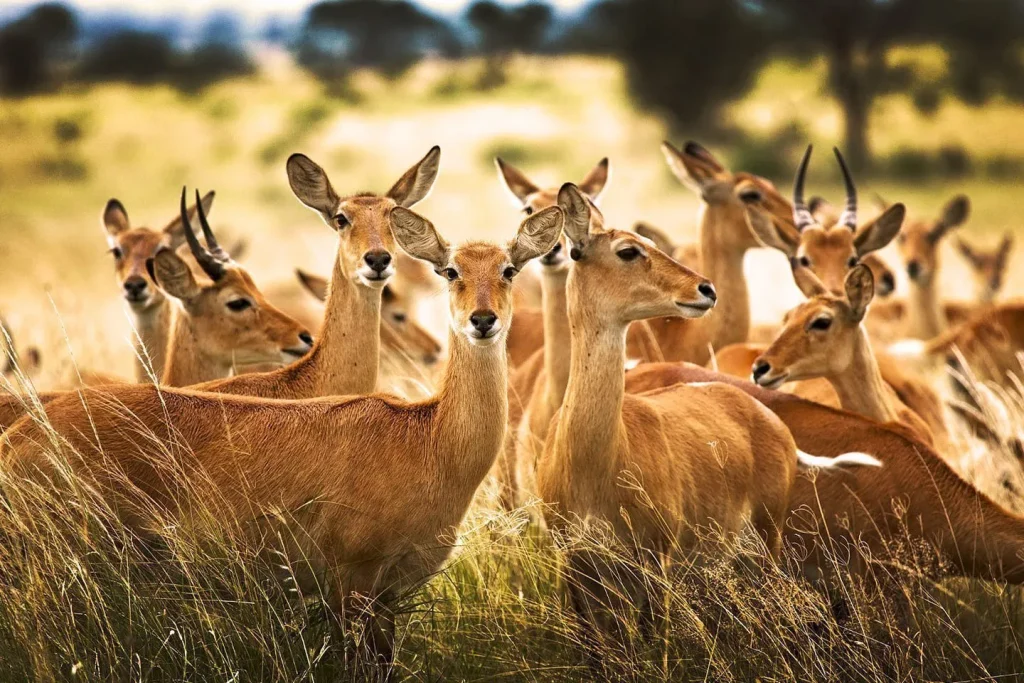
The Comeback of the Uganda Kob: A Conservation Success Story
Discover how the Uganda kob made a remarkable comeback in Uganda’s national parks. Learn about conservation efforts, wildlife recovery, and the future of Uganda safaris with Mandrill African Safaris.
The Comeback of the Uganda Kob: A Conservation Success Story
Uganda is often celebrated as the “Pearl of Africa,” a title earned through its breathtaking landscapes and extraordinary biodiversity. Among its most iconic wildlife species is the graceful Uganda kob—a golden-brown antelope that has become a symbol of resilience and conservation success.
Once facing a serious population decline, the Uganda kob has made an inspiring comeback, thanks to dedicated conservation efforts, community involvement, and sustainable tourism. This story is not just about one species—it reflects the broader revival of Uganda’s wildlife and its growing reputation as a top safari destination.
What Is the Uganda Kob?
The Uganda kob is a subspecies of the kob antelope, uniquely found in Uganda and a few neighboring regions. Known for its reddish-gold coat, white underparts, and elegant curved horns (in males), the kob is a favorite among safari-goers.
These antelopes thrive in savannah grasslands, often near water sources. You’ll commonly spot them grazing in herds or standing alert against the African horizon—a classic safari scene.
Key Characteristics:
-
Medium-sized antelope with slender build
-
Males have lyre-shaped horns
-
Live in social groups called herds
-
Prefer open grasslands and floodplains
Their beauty and abundance have made them a key attraction in Uganda’s major national parks.
A Decline That Raised Alarm
In the 1970s and 1980s, Uganda’s wildlife—including the Uganda kob—faced severe threats. Political instability, poaching, and habitat destruction led to dramatic population declines.
Protected areas like Queen Elizabeth National Park and Murchison Falls National Park were heavily affected. Wildlife numbers dropped significantly as enforcement weakened and illegal hunting increased.
The Uganda kob, once abundant across the country, became increasingly rare in some regions. This decline raised serious concerns among conservationists and wildlife authorities.
The Turning Point: Conservation Efforts
The recovery of the Uganda kob didn’t happen overnight. It is the result of decades of strategic conservation work led by the Uganda Wildlife Authority, local communities, and international partners.
1. Strengthening Anti-Poaching Measures
Uganda intensified efforts to combat illegal hunting by:
-
Increasing ranger patrols
-
Implementing stricter wildlife protection laws
-
Using modern surveillance technologies
These measures significantly reduced poaching and allowed wildlife populations to recover.
2. Community Involvement
One of the biggest breakthroughs in conservation was involving local communities. Instead of viewing wildlife as a threat, communities began to see it as an asset.
Programs included:
-
Revenue-sharing from tourism
-
Employment opportunities in parks
-
Conservation education initiatives
This shift helped reduce human-wildlife conflict and encouraged locals to protect species like the Uganda kob.
3. Habitat Protection and Restoration
Protecting natural habitats has been critical. National parks and reserves were rehabilitated, and grazing lands were preserved to support wildlife populations.
Floodplains and savannah ecosystems—ideal for the Uganda kob—were restored, ensuring sustainable growth of herds.
Where to See the Uganda Kob Today
Thanks to these efforts, the Uganda kob is now thriving again in several protected areas. For travelers planning a safari, spotting this iconic antelope is almost guaranteed.
Top Locations:
1. Queen Elizabeth National Park
This park is one of the best places to see large herds of Uganda kob. The Kasenyi plains are especially famous for sightings.
Visitors often witness:
-
Grazing kob herds
-
Predators like lions and leopards stalking them
-
Dramatic wildlife interactions
2. Murchison Falls National Park
Uganda’s largest national park is another hotspot for kob sightings. The open savannahs provide ideal conditions for large populations.
Game drives here often include:
-
Uganda kob
-
Elephants
-
Giraffes
-
Buffaloes
3. Lake Mburo National Park
Though smaller, this park offers close-up encounters with wildlife, including the Uganda kob. It’s also ideal for walking safaris and horseback experiences.
Why the Uganda Kob Matters
The comeback of the Uganda kob is more than just a conservation win—it has broader ecological and economic significance.
1. Ecological Balance
As herbivores, kob play a vital role in maintaining grassland ecosystems. They:
-
Control vegetation growth
-
Provide prey for predators
-
Support biodiversity
2. Tourism Growth
Wildlife is the backbone of Uganda’s tourism industry. The recovery of species like the Uganda kob has boosted safari experiences, attracting more visitors.
Tourists are drawn by:
-
Abundant wildlife sightings
-
Authentic African landscapes
-
Unique safari experiences
3. National Symbolism
The Uganda kob is featured on the country’s coat of arms, representing national pride and heritage. Its recovery symbolizes hope and resilience.
The Role of Sustainable Tourism
Tour operators like Mandrill African Safaris play a crucial role in conservation by promoting responsible tourism.
How Tourism Supports Conservation:
-
Generates revenue for park management
-
Funds anti-poaching initiatives
-
Creates jobs for local communities
By choosing eco-friendly safari packages, travelers directly contribute to protecting wildlife.
Challenges That Still Remain
Despite the success, conservation efforts must continue. The Uganda kob still faces several challenges:
1. Habitat Encroachment
Expanding human populations can lead to land conflicts and habitat loss.
2. Climate Change
Changing weather patterns affect grasslands and water availability.
3. Illegal Hunting
Although reduced, poaching has not been completely eliminated.
The Future of the Uganda Kob
The future looks promising, but it depends on continued collaboration between government, communities, and conservation organizations.
Key priorities include:
-
Expanding protected areas
-
Strengthening conservation policies
-
Promoting eco-tourism
If these efforts continue, the Uganda kob will remain a thriving symbol of Uganda’s wildlife success.
Why You Should Experience It Yourself
There’s nothing quite like seeing a herd of Uganda kob in the wild—gracefully moving across golden savannahs under the African sun. It’s a moment that captures the essence of a true safari.
With Mandrill African Safaris, you can:
-
Explore Uganda’s top national parks
-
Enjoy expertly guided game drives
-
Witness incredible wildlife recovery stories firsthand
Final Thoughts
The comeback of the Uganda kob is a powerful reminder that conservation works. With dedication, collaboration, and sustainable practices, even species on the brink can recover and thrive.
Uganda’s wildlife story is still being written—and the Uganda kob is one of its brightest chapters.
Whether you’re a wildlife enthusiast, photographer, or adventure traveler, Uganda offers an unforgettable safari experience rooted in conservation success.
FAQs About the Uganda Kob
1. Where can I see the Uganda kob in Uganda?
You can see them in Queen Elizabeth National Park, Murchison Falls National Park, and Lake Mburo National Park.
2. Is the Uganda kob endangered?
No, thanks to conservation efforts, their population has significantly recovered, though protection efforts continue.
3. What do Uganda kobs eat?
They are herbivores and mainly feed on grasses.
4. Why is the Uganda kob important?
It plays a key role in ecosystems, supports tourism, and is a national symbol of Uganda.
5. When is the best time to see Uganda kob?
They can be seen year-round, but the dry seasons (June–September and December–February) offer the best wildlife viewing.


