

Why Semuliki National Park Is a Birder’s Hidden Gem
2026-03-04
The Wildlife of the Lake Victoria Shoreline
2026-03-04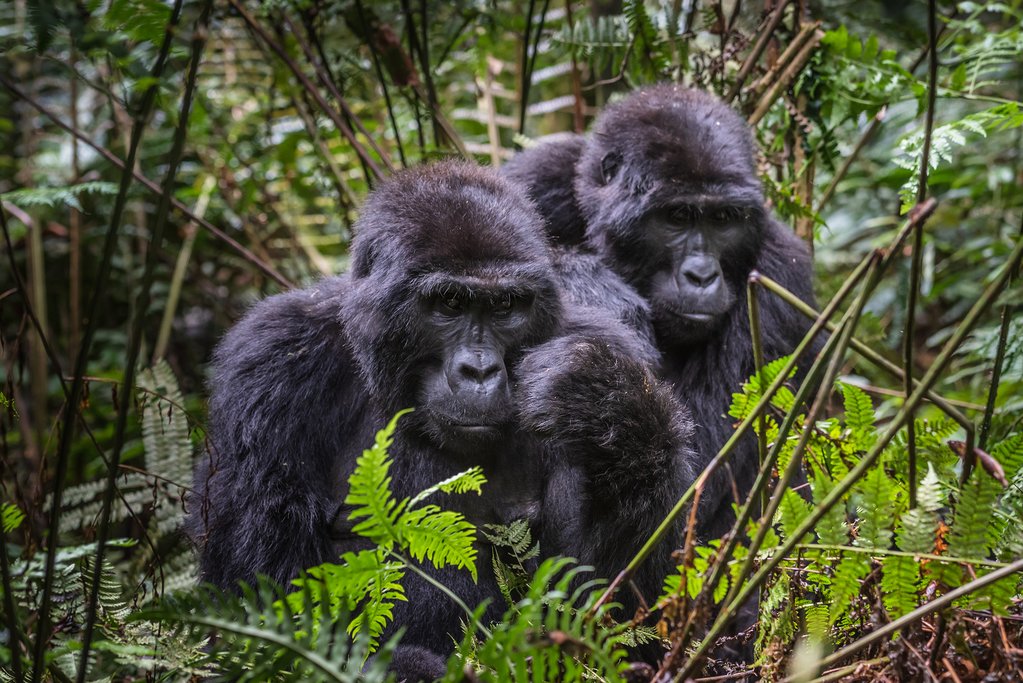
The Unique Ecosystem of Bwindi Impenetrable Forest
Discover the unique ecosystem of Bwindi Impenetrable Forest in Uganda. Explore its biodiversity, mountain gorillas, birdlife, plant species, and why it’s Africa’s top gorilla trekking destination with Mandrill African Safaris.
Introduction
Hidden in the southwestern corner of Uganda lies one of Africa’s most biologically rich and ancient rainforests — the remarkable Bwindi Impenetrable Forest. Known globally for unforgettable gorilla trekking experiences, Bwindi is far more than a mountain gorilla sanctuary. It is a living museum of evolution, a biodiversity hotspot, and one of the most unique ecosystems on Earth.
At Mandrill African Safaris, we believe that understanding Bwindi’s ecosystem enhances every Uganda safari experience. When you trek through its misty hills, you’re not just searching for mountain gorillas — you’re walking through millions of years of ecological history.
Let’s explore what makes Bwindi Impenetrable Forest so extraordinary.
1. An Ancient Forest in the Heart of the Albertine Rift
Bwindi is part of the greater Albertine Rift, one of Africa’s most important biodiversity zones. The forest is believed to have survived the last Ice Age, making it one of the oldest rainforests in Africa — over 25,000 years old.
Unlike many African parks dominated by savannah, Bwindi is a montane rainforest characterized by:
-
Steep ridges and deep valleys
-
Thick, tangled vegetation
-
Mist-covered canopies
-
Dramatic elevation ranges (1,160 to 2,607 meters above sea level)
This varied altitude creates multiple microclimates within one park, allowing different species to thrive in different ecological zones.
2. Home of the Endangered Mountain Gorillas
The most famous residents of Bwindi are the endangered mountain gorillas. These gentle giants can only be found in two regions worldwide: Bwindi and the Virunga Mountains, which include Volcanoes National Park.
Bwindi is home to nearly half of the world’s remaining mountain gorilla population. Gorilla trekking Uganda has become one of the most sought-after wildlife experiences globally, drawing travelers eager to witness these magnificent primates in their natural habitat.
The forest’s dense vegetation provides:
-
Abundant food sources (leaves, shoots, fruits)
-
Natural shelter
-
Protection from predators and human interference
Each habituated gorilla family in Bwindi plays a role in sustaining the forest ecosystem. As they move and feed, gorillas disperse seeds, contributing to forest regeneration and biodiversity maintenance.
3. Exceptional Biodiversity: A True Ecological Treasure
Bwindi’s ecosystem is incredibly diverse. In fact, it is one of the most biologically diverse forests in Africa.
Mammals
Bwindi hosts over 120 mammal species, including:
-
Forest elephants
-
Giant forest hogs
-
L’Hoest’s monkeys
-
Black-and-white colobus monkeys
The presence of multiple primate species makes Bwindi a primate hotspot beyond just gorillas.
Birds
Bird lovers rank Bwindi among Africa’s top birding destinations. The park boasts over 350 bird species, including 23 Albertine Rift endemics.
Some highlights include:
-
African green broadbill
-
Grauer’s rush warbler
-
Shelley’s crimsonwing
Birding in Bwindi is an immersive experience, often combined with gorilla trekking tours offered by Mandrill African Safaris.
Butterflies and Insects
Bwindi supports over 200 butterfly species, many of which are endemic. Insects play a crucial role in pollination and decomposition, ensuring the forest’s ecological balance.
4. A Botanical Wonderland
Bwindi’s plant diversity is staggering, with over 1,000 plant species recorded. These include:
-
200 tree species
-
100 fern species
-
Numerous medicinal plants used by local communities
The forest’s layered structure — from towering canopy trees to dense undergrowth — creates ideal habitats for different species. The thick vegetation is what gives Bwindi its “impenetrable” reputation.
Many trees reach heights of over 30 meters, forming a canopy that regulates temperature and rainfall patterns within the ecosystem.
5. Unique Microclimates and Ecological Zones
Because of its dramatic elevation changes, Bwindi contains multiple ecological zones within a relatively small area. These include:
-
Lowland forest
-
Montane forest
-
Bamboo zones
-
Swampy valley bottoms
Each zone supports different wildlife species and plant communities. This variation explains why Bwindi can support such high biodiversity compared to other national parks in Uganda.
The constant mist and rainfall maintain the forest’s lush greenery year-round, making it a true rainforest environment.
6. The Role of Local Communities in Conservation
The ecosystem of Bwindi is closely linked to the surrounding communities. Indigenous groups such as the Batwa historically lived within the forest before it was gazetted as a national park.
Today, sustainable tourism initiatives help protect the forest while providing livelihoods for local communities. Gorilla trekking permits contribute directly to conservation funding, anti-poaching patrols, and community development projects.
Mandrill African Safaris actively promotes responsible tourism by:
-
Supporting local guides
-
Encouraging eco-friendly lodges
-
Promoting cultural experiences alongside wildlife tours
This balance between conservation and community engagement helps preserve Bwindi’s ecosystem for future generations.
7. Why Bwindi Is a UNESCO World Heritage Site
In 1994, Bwindi was designated a UNESCO World Heritage Site due to its ecological significance and biodiversity.
Its importance lies in:
-
Protecting endangered species
-
Conserving ancient rainforest ecosystems
-
Preserving genetic diversity
-
Supporting ecological research
Few places in Africa offer such a dense concentration of rare and endemic species within one protected area.
8. Gorilla Trekking and Ecosystem Preservation
Gorilla trekking Uganda is carefully regulated to minimize ecological disruption. Visitor numbers are limited per day, and strict guidelines are followed:
-
Maximum of 8 visitors per gorilla family
-
One hour viewing time
-
Mandatory distance rules
-
No trekking when sick
These measures ensure that tourism supports rather than harms the ecosystem.
When you book a Bwindi safari with Mandrill African Safaris, you’re directly contributing to conservation efforts that protect both wildlife and forest habitats.
9. Best Time to Visit Bwindi Impenetrable Forest
Bwindi can be visited year-round, but the best time for gorilla trekking is during the dry seasons:
-
June to September
-
December to February
However, even in the rainy season, the forest remains spectacularly green, and wildlife sightings are still excellent.
10. Combining Bwindi with Other Uganda Safari Destinations
Bwindi’s ecosystem contrasts beautifully with Uganda’s savannah parks. Many travelers combine gorilla trekking with wildlife safaris in:
-
Queen Elizabeth National Park for tree-climbing lions
-
Murchison Falls National Park for dramatic waterfalls and big game
-
Lake Bunyonyi for relaxation after trekking
This combination offers a complete Uganda safari experience — from rainforest primates to savannah wildlife.
Why Choose Mandrill African Safaris for Your Bwindi Adventure?
At Mandrill African Safaris, we specialize in customized Uganda safari packages designed to showcase the unique ecosystem of Bwindi Impenetrable Forest.
We offer:
-
Tailor-made gorilla trekking tours
-
Expert local guides
-
Eco-friendly accommodation options
-
Cultural immersion experiences
-
Seamless logistics from Entebbe or Kigali
Our team understands that Bwindi is not just a destination — it’s a once-in-a-lifetime ecological encounter.
Conclusion
The unique ecosystem of Bwindi Impenetrable Forest makes it one of Africa’s most extraordinary natural treasures. From its ancient rainforest roots and mountain gorillas to its endemic birds and rare plant species, Bwindi stands as a symbol of successful conservation and biodiversity protection.
For travelers seeking authentic gorilla trekking Uganda experiences, unmatched biodiversity, and meaningful eco-tourism, Bwindi offers it all.
With Mandrill African Safaris, you don’t just visit Bwindi — you experience its living, breathing ecosystem in the most responsible and enriching way possible.
FAQs About Bwindi Impenetrable Forest
1. Why is Bwindi Impenetrable Forest called “impenetrable”?
The forest is extremely dense, with thick undergrowth, tangled vines, and steep terrain, making it difficult to navigate without experienced guides.
2. How many mountain gorillas live in Bwindi?
Bwindi hosts nearly half of the world’s remaining mountain gorillas, spread across several habituated families.
3. Is gorilla trekking safe in Uganda?
Yes. Gorilla trekking in Bwindi is highly regulated and guided by trained rangers to ensure visitor safety and wildlife protection.
4. What makes Bwindi’s ecosystem unique?
Its ancient rainforest status, location in the Albertine Rift, high biodiversity, and range of ecological zones make it one of Africa’s most unique ecosystems.
5. Can I combine Bwindi with other safari destinations?
Absolutely. Many travelers combine Bwindi with Queen Elizabeth National Park, Murchison Falls National Park, and Lake Bunyonyi for a complete Uganda safari adventure.


