

The Biodiversity of Mgahinga Gorilla National Park: Uganda’s Hidden Natural Treasure
2026-03-02
Gorilla Trekking with Friends: How to Plan a Group Trip
2026-03-03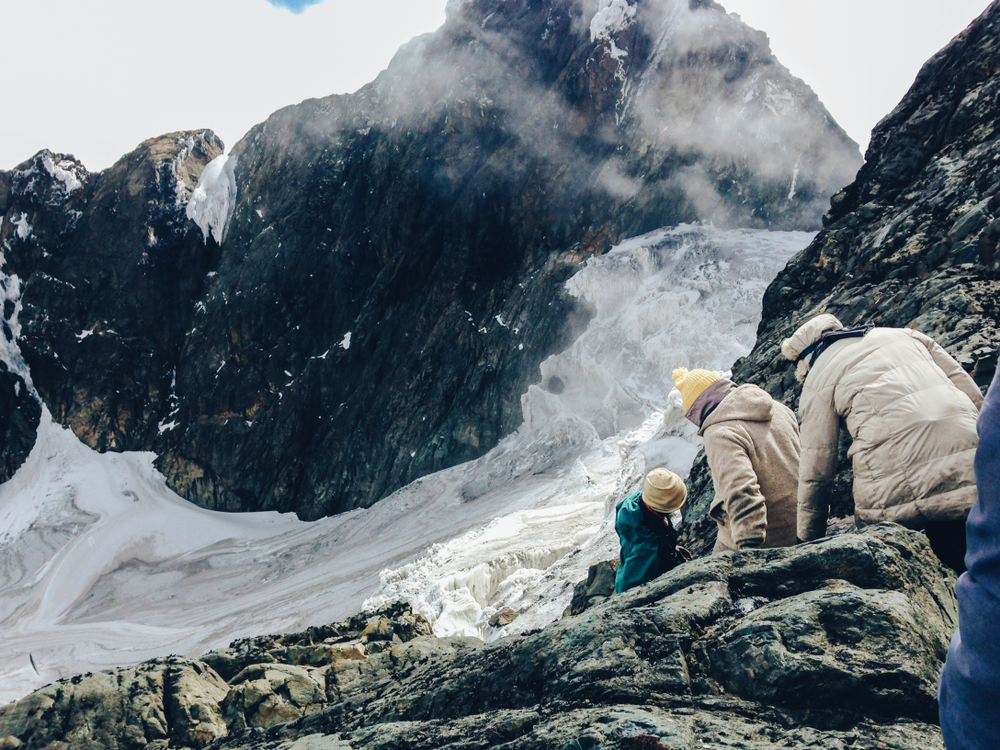
Wildlife in the Shadow of the Mountains: Exploring Rwenzori Mountains National Park
Discover the incredible wildlife of Rwenzori Mountains National Park in Uganda. Explore rare primates, endemic birds, alpine vegetation, and mountain adventures in Africa’s legendary “Mountains of the Moon.”
Introduction: Where Wildlife Meets the Sky
When most travelers think of a Uganda safari, their minds immediately drift to gorilla trekking in Bwindi or game drives in Queen Elizabeth National Park. But tucked away in western Uganda, rising dramatically along the border with the Democratic Republic of Congo, lies a destination that feels almost mythical — the majestic Rwenzori Mountains National Park.
Often called the “Mountains of the Moon,” a name made famous by the ancient geographer Claudius Ptolemy, the Rwenzori Mountains are not just a hiker’s paradise. They are home to extraordinary wildlife, rare plant species, endemic birds, and unique mountain ecosystems found nowhere else in Africa.
If you’re looking for a Uganda safari experience beyond the ordinary — one that blends adventure, biodiversity, and breathtaking scenery — wildlife in the shadow of the Rwenzori Mountains will leave you speechless.
About Rwenzori Mountains National Park
Established in 1991 and designated a UNESCO World Heritage Site, Rwenzori Mountains National Park protects nearly 1,000 square kilometers of rugged mountain terrain. The park is located near Kasese in western Uganda and borders the Democratic Republic of Congo.
Unlike volcanic mountains such as Mount Kilimanjaro, the Rwenzori range was formed through tectonic uplift. Its highest peak, Margherita Peak on Mount Stanley, rises to 5,109 meters — making it Africa’s third-highest mountain.
But beyond the snow-capped peaks and glaciers lies something even more fascinating: a rich tapestry of wildlife thriving across five distinct vegetation zones — from tropical rainforest to alpine moorland.
Unique Wildlife in Rwenzori Mountains National Park
1. Primates of the Montane Forest
The lower slopes of the Rwenzori are blanketed in dense tropical rainforest, creating the perfect habitat for several primate species.
Wildlife enthusiasts may encounter:
-
Black-and-white colobus monkeys
-
Blue monkeys
-
L’Hoest’s monkeys
-
Olive baboons
The shy and rarely seen chimpanzee also inhabits some forested sections of the Rwenzori region. These primates thrive in the cool, moist environment created by the mountain’s constant mist and rainfall.
Unlike savannah safaris, wildlife viewing here feels intimate — you walk beneath towering trees, listening to leaves rustle and primates call overhead.
2. Forest Mammals and Elusive Creatures
While large mammals are less common compared to lowland parks, Rwenzori is home to several fascinating species:
-
Forest elephants
-
Bushbucks
-
Duikers
-
Giant forest hogs
-
Leopards (rarely spotted)
Because of the rugged terrain, many animals remain elusive, adding a sense of mystery to every trek. Wildlife in Rwenzori is about discovery — every footprint in the mud and distant sound sparks curiosity.
3. Birdwatching in the Rwenzori Mountains
For bird lovers, Rwenzori Mountains National Park is a hidden gem.
With over 200 bird species recorded, including several Albertine Rift endemics, this park is a prime birding destination in Uganda.
Some notable species include:
-
Rwenzori turaco
-
Rwenzori batis
-
Handsome francolin
-
Strange weaver
-
Archer’s robin-chat
The colorful Rwenzori turaco, with its vibrant green and crimson feathers, is a highlight for many birders. Spotting one in the misty forest feels like witnessing a rare forest jewel.
If you’re crafting a birding safari itinerary in western Uganda, combining Rwenzori with nearby parks like Queen Elizabeth National Park offers a diverse and rewarding experience.
The Unique Vegetation Zones of Rwenzori
One of the most extraordinary features of Rwenzori wildlife is its connection to altitude. As you climb higher, the ecosystem changes dramatically.
1. Montane Forest Zone (1,800–2,500m)
Dense rainforest with primates and forest mammals.
2. Bamboo Zone
A transitional habitat supporting elephants and buffalo that move between lower and higher elevations.
3. Heather Zone
Characterized by moss-covered trees and thick mist.
4. Moorland Zone
Home to giant lobelias and giant groundsels — surreal, almost prehistoric-looking plants.
5. Alpine Zone
Snow, glaciers, and sparse vegetation near the summit.
The giant lobelias and groundsels are among the most iconic features of Rwenzori landscapes. These plants have adapted to freezing nights and intense daytime sun, creating a botanical wonderland unlike anywhere else in Africa.
Hiking and Wildlife Encounters
Rwenzori trekking is not just about reaching the summit — it’s about experiencing wildlife at every altitude.
Popular trekking routes include:
-
Central Circuit Trail
-
Kilembe Trail
Treks range from day hikes to 7–10-day mountaineering expeditions. Even a short hike into the lower forest zone offers opportunities to see primates, birds, and unique plant life.
At Mandrill African Safaris, we design customized Rwenzori trekking packages that balance wildlife viewing with adventure, ensuring travelers enjoy both biodiversity and breathtaking scenery.
Why Combine Rwenzori with Other Uganda Safari Destinations?
One of the greatest advantages of visiting Rwenzori is its proximity to other iconic wildlife destinations.
After hiking the mountains, travelers can easily continue to:
-
Queen Elizabeth National Park – famous for tree-climbing lions and boat cruises on the Kazinga Channel.
-
Bwindi Impenetrable National Park – home to endangered mountain gorillas.
-
Kibale National Park – known as the primate capital of the world.
This combination creates a well-rounded Uganda safari: mountains, savannah, and rainforest — all in one unforgettable journey.
Best Time to Visit Rwenzori Mountains National Park
Rwenzori can be visited year-round, but the best months for trekking and wildlife viewing are:
-
June to August
-
December to February
These drier seasons offer better hiking conditions and clearer mountain views. However, because the region receives rainfall throughout the year, travelers should always be prepared for changing weather.
Conservation and Sustainable Tourism
Rwenzori Mountains National Park plays a critical role in conserving fragile mountain ecosystems and endemic wildlife.
Tourism supports local communities around Kasese through employment, guiding services, and conservation funding. Sustainable trekking practices — such as carrying out waste and respecting wildlife habitats — help preserve the park for future generations.
At Mandrill African Safaris, we prioritize responsible tourism. Our guided expeditions follow eco-friendly principles and support community-based initiatives near the park.
What Makes Wildlife in Rwenzori So Special?
Unlike traditional African safari parks dominated by open savannah, Rwenzori offers a rare mountain ecosystem safari. Here, wildlife thrives under mist-covered peaks and alongside glaciers.
It’s a place where:
-
Primates leap across mossy branches
-
Rare birds call through cloud forests
-
Giant plants tower over hikers
-
Snow-capped peaks rise above equatorial rainforest
The contrast is astonishing — and deeply humbling.
Frequently Asked Questions (FAQs)
1. What animals can I see in Rwenzori Mountains National Park?
You may see black-and-white colobus monkeys, blue monkeys, L’Hoest’s monkeys, forest elephants, bushbucks, duikers, and over 200 bird species including the Rwenzori turaco.
2. Is Rwenzori good for birdwatching?
Yes. Rwenzori is one of Uganda’s best birding destinations, especially for Albertine Rift endemic species.
3. How difficult is Rwenzori trekking?
Trekking ranges from moderate day hikes to challenging multi-day mountaineering expeditions. Fitness preparation is recommended for longer climbs.
4. Can I combine Rwenzori with gorilla trekking?
Absolutely. Many travelers combine Rwenzori trekking with gorilla trekking in Bwindi Impenetrable National Park for a complete Uganda safari adventure.
5. When is the best time to visit Rwenzori?
The dry seasons (June–August and December–February) are ideal for hiking and wildlife viewing.
Final Thoughts: A Safari Above the Clouds
Wildlife in the shadow of the Rwenzori Mountains is not loud or dramatic like the Great Migration. It is subtle, mystical, and profoundly beautiful.
It’s for travelers who crave something deeper — a Uganda safari that blends adventure with rare biodiversity. A place where you hike through rainforest in the morning and gaze at snow-capped peaks by afternoon.
If you’re ready to explore one of Africa’s most extraordinary hidden treasures, Mandrill African Safaris invites you to experience the magic of Rwenzori Mountains National Park — where wildlife truly lives in the shadow of the mountains.


