

Visa Requirements for Uganda, Kenya, Tanzania & Rwanda
2026-03-02
Wildlife in the Shadow of the Mountains: Exploring Rwenzori Mountains National Park
2026-03-02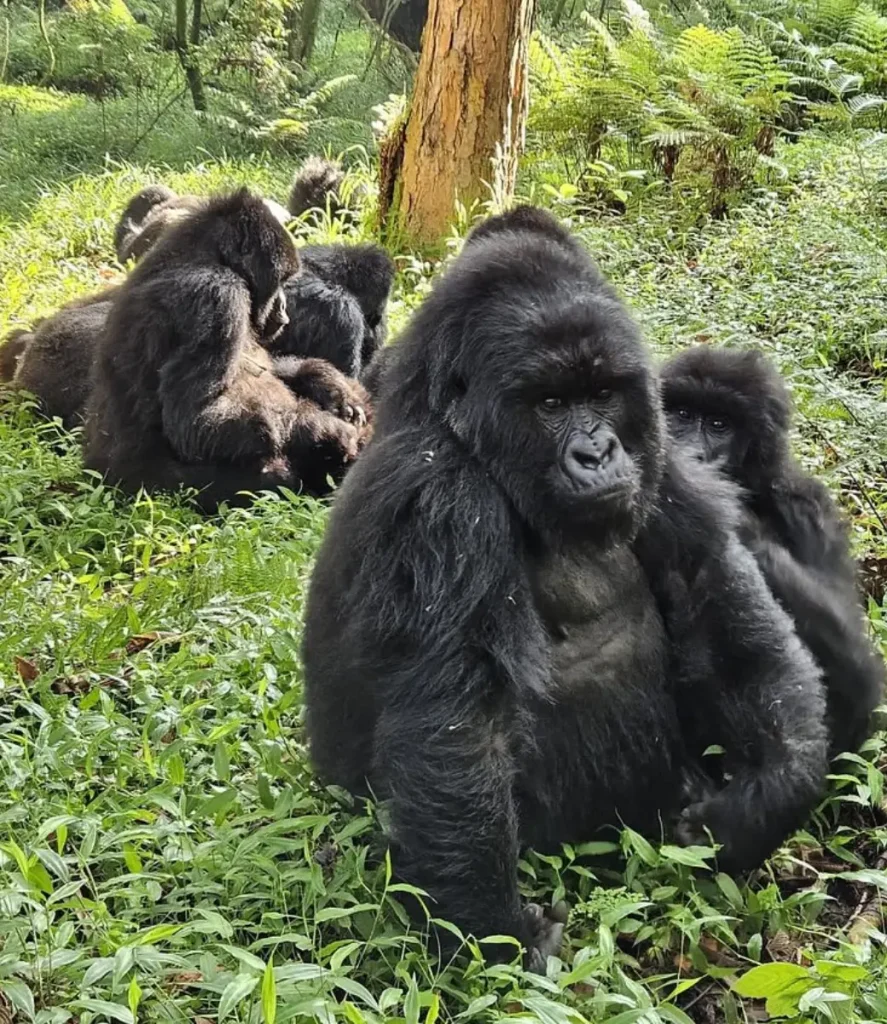
The Biodiversity of Mgahinga Gorilla National Park: Uganda’s Hidden Natural Treasure
Nestled in the far southwest corner of Uganda, Mgahinga Gorilla National Park is one of Africa’s most biodiverse gems. Part of the larger Bwindi‑Mgahinga Conservation Area, this compact yet extraordinary park preserves a remarkable range of ecosystems, species, and natural wonders — all within just 33.7 square kilometres. For travellers seeking a unique Uganda safari experience rich in wildlife diversity, endemic species, and dramatic volcanic landscapes, Mgahinga delivers beyond expectations.
Why Mgahinga Gorilla National Park Is a Biodiversity Hotspot
Despite being Uganda’s smallest national park, Mgahinga boasts an astonishing array of wildlife and plant life, thanks to its location where three extinct Virunga volcanoes — Mount Muhabura, Mount Gahinga, and Mount Sabyinyo — rise dramatically from the earth.
Altitude and Variety of Habitats
The park’s biodiversity is a direct result of its varied altitudinal gradients and associated vegetation zones. As you ascend from lower slopes to the breezy summits of volcanic peaks, you’ll encounter:
-
Woodland and montane forest at lower elevations
-
Bamboo forests, covering roughly 60% of the park
-
Hagenia‑Hypericum belts
-
Afro‑alpine zones with giant lobelias and senecio plants
-
Sub‑alpine moorlands and grasslands
Each of these vegetation types supports unique communities of plants and animals, creating a tapestry of life found nowhere else in Uganda.
Iconic Wildlife: Primates and Large Mammals
Mountain Gorillas — The Crown Jewel
At the heart of Mgahinga’s biodiversity are the endangered mountain gorillas (Gorilla beringei beringei), one of the world’s rarest mammals and Uganda’s most iconic wildlife. While Mgahinga is home to fewer gorillas than its neighbour Bwindi Impenetrable National Park, the trekking experience here is intimate, special, and less crowded.
Only a small habituated family — the Nyakagezi gorilla group — is open to trekking, offering visitors a once‑in‑a‑lifetime opportunity to observe these gentle giants in their natural habitat. Spending an hour with mountain gorillas is not just a safari highlight; it’s a deeply emotional and educational encounter that underscores the importance of conservation.
Golden Monkeys — A Rare Albertine Rift Endemic
Mgahinga is also internationally known for its golden monkeys (Cercopithecus mitis kandti), an endangered primate found only in the Virunga region and one other forest in Rwanda. These striking monkeys with shimmering golden fur thrive in the park’s bamboo forests, making golden monkey tracking a must‑do on any biodiversity‑focused Uganda safari.
Visitors often spot them swinging energetically through the bamboo canopy — a colourful, exciting contrast to the quieter presence of mountain gorillas.
Other Mammals You May Spot
The park’s diversity doesn’t stop with primates. Mgahinga shelters a variety of other mammals — from forest elephants and buffaloes to elusive predators and fascinating nocturnal animals:
-
Forest elephants and buffaloes
-
Giant forest hogs
-
Bushbucks and black‑fronted duikers
-
Serval cats, leopards, and rare golden cats
-
Spotted hyenas and side‑striped jackals
-
Bush pigs and South African porcupines
While many of these animals are shy and rarely seen, they are vital components of the park’s ecosystem. The presence of large herbivores, small carnivores, and various ungulates underscores the ecological complexity of Mgahinga.
Birdlife — A Paradise for Birdwatchers
For bird lovers, Mgahinga Gorilla National Park is nothing short of a paradise. The overlapping vegetation zones and proximity to the Albertine Rift — one of Africa’s most important biodiversity regions — make it home to an impressive birdlist.
Birders can expect to encounter hundreds of species, including many that are endemic or unique to the East Congo montane forests, such as:
-
Rwenzori turaco
-
Kivu ground thrush
-
Red‑faced woodland warbler
-
Rwenzori batis
-
Regal sunbird
-
Double‑collared sunbird
-
Dusky crimson wing
-
Paradise flycatcher
Whether you’re a seasoned birder or just an enthusiastic nature lover, birding in Mgahinga offers an incredible chance to see species found nowhere else.
Vegetation and Plant Diversity
The rich biodiversity of Mgahinga is anchored in its distinctive plant communities. Each vegetation zone supports unique flora, from towering bamboo groves to weird and wonderful giant lobelias that thrive in the high‑altitude afro‑alpine environment.
Bamboo Forests
Bamboo is the dominant vegetation type — and the most ecologically significant. It provides critical food and habitat for many animals, especially the mountain gorillas and golden monkeys that depend on its shoots and leaves.
Afro‑Montane and Sub‑Alpine Flora
Higher up, the Hagenia‑Hypericum zone gives way to an afro‑alpine landscape dotted with unusual plant species like giant lobelias and senecios — plants specially adapted to cold, high‑elevation conditions.
Medicinal and Endemic Plants
The lower montane forests — though diminished by past encroachment — still harbour tree species valued for traditional medicinal uses, and ground cover such as mosses, lichens, and liverworts adds texture and life to the forest floor.
The Ecological Importance of Mgahinga’s Wetlands and Water Sources
Between the volcanoes lie high‑altitude swamps and wetlands that retain water year‑round, serving as essential water sources for wildlife and local communities. These wetlands — fed by streams like Kabiranyuma and Nyabirerema — support amphibians, aquatic plants, and insects, adding another layer to the park’s biodiversity.
Conservation, Community, and Connectivity
Mgahinga Gorilla National Park doesn’t exist in isolation — it’s a vital link in the Virunga Transboundary Conservation Area, connecting with Rwenzori Mountains National Park and Volcanoes National Park in Rwanda. This connectivity allows wildlife, including mountain gorillas and golden monkeys, to move across borders in search of food, mates, and habitat.
The park’s management by the Uganda Wildlife Authority (UWA) emphasises community engagement, anti‑poaching patrols, and sustainable tourism to ensure that both biodiversity and local livelihoods thrive.
Planning Your Biodiversity Safari with Mandrill African Safaris
Whether you’re passionate about gorilla trekking in Uganda, planning a birding and wildlife safari, or exploring the unique flora and ecosystems of East Africa, Mgahinga Gorilla National Park should be on your itinerary. Its compact size, rich biodiversity, and intimate wildlife encounters make it a destination like no other.
Here are some safari tips for maximum biodiversity enjoyment:
-
Visit during dry seasons (June–September, December–February) for easier trekking trails and better wildlife sighting conditions.
-
Book early for gorilla and golden monkey permits, as these popular experiences are limited in number.
-
Combine birding with gorilla or golden monkey treks to immerse yourself fully in the park’s natural wonders.
Mandrill African Safaris can tailor your trip to include guided biodiversity walks, expert birdwatching guides, cultural experiences with Batwa communities, and more.
Conclusion: A Compact Park with Massive Diversity
Mgahinga Gorilla National Park may be small in size, but its biodiversity is vast and awe‑inspiring. From endangered mountain gorillas and colourful endemic birds to mysterious afro‑alpine plants and volcanic wetlands, this park encapsulates the heart of Uganda’s natural heritage.
Whether you’re planning your first African safari or returning for a deeper ecological adventure, Mgahinga invites you to explore, learn, and connect with nature in its purest form.


