

What Should First-Time Visitors Know About Kidepo Valley National Park?
2026-02-26
What Makes Kidepo Valley National Park a Dream for Wildlife Lovers?
2026-02-26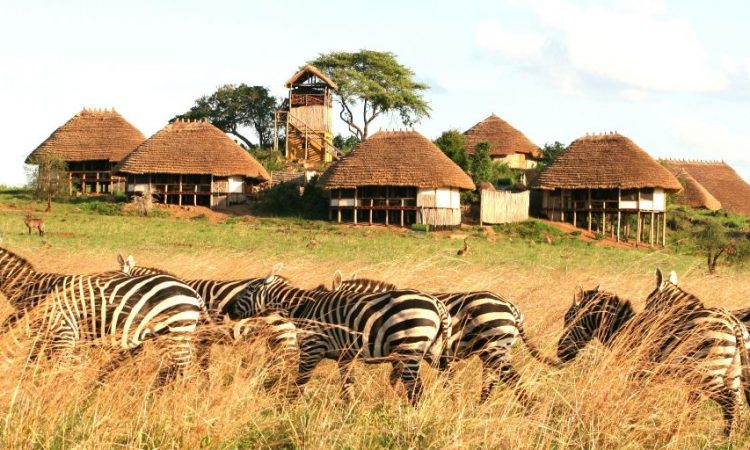
How Remote Is Kidepo Valley National Park Compared to Other Parks?
Discover how Kidepo Valley National Park stands as one of Uganda’s most remote and untouched safari destinations. Learn how its remoteness compares with parks like Queen Elizabeth, Murchison Falls, and Bwindi, why it matters for your safari experience, and how to plan a trip with Mandrill African Safaris.
Introduction
When planning a safari through Uganda, many travelers immediately think of gorillas in Bwindi Impenetrable National Park or the thundering spectacle at Murchison Falls. But tucked into the remote far northeast of the country lies a destination that delivers wilderness in its purest form: Kidepo Valley National Park.
While all national parks offer unique experiences, Kidepo’s remoteness is especially pronounced — and that adds a layer of adventure, exclusivity, and wild beauty you can’t get anywhere else. In this guide, we break down exactly what makes Kidepo so remote, how it compares to other major parks in Uganda and East Africa, and why this is great news for safari adventurers looking for untouched wilderness.
Where Is Kidepo Valley National Park?
Located in the northeastern corner of Uganda, Kidepo Valley National Park occupies a rugged savannah landscape near the borders of Kenya and South Sudan — a compelling frontier zone where East and Central African ecosystems meet. The park spans about 1,442 km² of wilderness, far from the urban hubs that serve other popular parks.
This geographical positioning is the foundation of its character: remote, authentic, and largely unspoiled by mainstream tourism.
Accessibility: Road vs Air
Distance from Kampala
From Kampala, Uganda’s capital:
-
Kidepo Valley National Park is roughly 690-700 km away — about 10–12 hours by road.
-
In contrast, other parks like:
-
Queen Elizabeth National Park — ~372 km (~6–7 hrs)
-
Murchison Falls National Park — ~282 km (~4–5 hrs)
-
Bwindi Impenetrable National Park — ~469 km (~8–9 hrs)
-
This simple roadmap shows why Kidepo feels especially distant to travelers — it’s not just the distance, but the terrain and limited infrastructure that define the journey.
Flying In
Some visitors choose to avoid the long drive by booking domestic flights from Entebbe or Kajjansi Airstrip to Apoka Airstrip, which brings the travel time down to about 2 hours.
Flying not only saves time but also delivers breathtaking aerial views of unexplored countryside — perfect for guests seeking both efficiency and a sense of adventure.
What Makes Kidepo’s Remoteness Unique
The idea of remoteness in a safari context isn’t just about distance. It’s also reflected in:
1. Fewer Visitors
Kidepo is one of Uganda’s least visited parks, hosting a fraction of visitors compared to Queen Elizabeth or Murchison Falls. Low footfall means game drives that feel truly wild, not crowded.
2. Limited Tourism Infrastructure
There are only a handful of lodges and camps (compared with the dozens around other parks), contributing to the park’s intimacy and undisturbed feel.
3. Authentic Wilderness Experience
Because of its location and isolation, Kidepo has retained genuine wilderness character — open savannahs, unspoiled plains, and wildlife that behaves naturally.
4. Challenging Terrain
Long stretches of unpaved or rough roads and stretches far from major towns make self-drive less convenient and more adventurous, adding to the remoteness factor.
Kidepo vs Other Parks: A Comparative Look
Let’s compare Kidepo to some of Uganda’s best-known parks:
Kidepo vs Queen Elizabeth National Park
-
Accessibility: Queen Elizabeth is far more accessible from Kampala and major towns.
-
Tourist Numbers: Queen Elizabeth sees significant traffic year-round; Kidepo sees far fewer visitors.
-
Experience: Kidepo offers solitude and raw wilderness; Queen Elizabeth offers variety and accessibility.
Kidepo vs Murchison Falls National Park
-
Infrastructure: Murchison Falls has more amenities, organized boat safaris, and easier road access.
-
Remoteness: Kidepo’s location and travel commitment make it feel more isolated.
Kidepo vs Bwindi Impenetrable National Park
-
Terrain: Bwindi’s dense forests contrast greatly with Kidepo’s open savannah.
-
Travel: Bwindi is accessible but still involves long journeys — though not as remote as Kidepo.
Why Travelers Seek Out Kidepo’s Remoteness
For many safari enthusiasts, remoteness is a feature, not a bug. Here’s what makes it attractive:
Authentic Game Viewing
You’re likely to spot animals behaving naturally, with fewer vehicles and less human interference — a dream scenario for wildlife photographers and seasoned safari fans.
Wild, Undisturbed Landscapes
Wide horizons, vast valleys, and rugged backdrops create the sense that you’re in Africa as it once was.
Cultural Immersion
The region is home to the Karamojong and Ik communities, offering cultural experiences rare in other parks.
Solitude
Game drives here can feel uncrowded — sometimes, you have the entire valley to yourself.
Planning Your Safari With Mandrill African Safaris
Given its remoteness, careful planning is key. Here’s how Mandrill African Safaris ensures your trip to Kidepo is seamless:
1. Choose Your Mode of Travel
-
Road Safari: Perfect for adventurers who love overland travel and cultural stops along the way.
-
Fly-In Safari: Ideal for those seeking comfort and efficiency.
2. Choose the Right Vehicle
A 4×4 is recommended for the road — especially during rainy months when roads become muddy.
3. Book Your Accommodation
Mandrill offers curated stays from rustic camps to luxury lodges that complement the park’s wilderness feel.
4. Pack Strategically
Bring plenty of water, snacks, sun protection, and a sense of adventure! Kidepo isn’t just a park — it’s an experience.
Frequently Asked Questions (FAQs)
Is Kidepo Valley National Park the most remote park in Uganda?
Yes — due to its corner location near Kenya and South Sudan and long travel times from Kampala, Kidepo is widely recognized as the most remote national park in Uganda.
How long does it take to get there?
By road, it’s about 10–12 hours from Kampala; by air, around 2 hours to the park’s airstrip.
Are the roads difficult?
Some sections, especially in rural stretches, require 4×4 vehicles and careful driving — particularly in rainy seasons.
Is the wildlife better than in other parks?
Kidepo’s wildlife isn’t necessarily “better” — it’s different. Expect species not common in other Ugandan parks (like ostriches and greater kudus) and a more authentic, undisturbed safari experience.
Is it suitable for first-time safari travelers?
Absolutely — as long as logistics are carefully planned. Many first-timers find the remoteness part of the unforgettable charm.
Final Thoughts
If you’re chasing not just wildlife but wildness, Kidepo Valley National Park delivers in spades. Its remoteness is part of its soul — a territory where silence reigns, horizons stretch farther, and adventure isn’t optional.
Whether you’re comparing it to Queen Elizabeth, Murchison Falls, Bwindi, or even parks beyond Uganda, Kidepo stands apart — a true safari frontier. With thoughtful planning and a trusted guide like Mandrill African Safaris, this destination can become one of your most cherished travel memories.


