


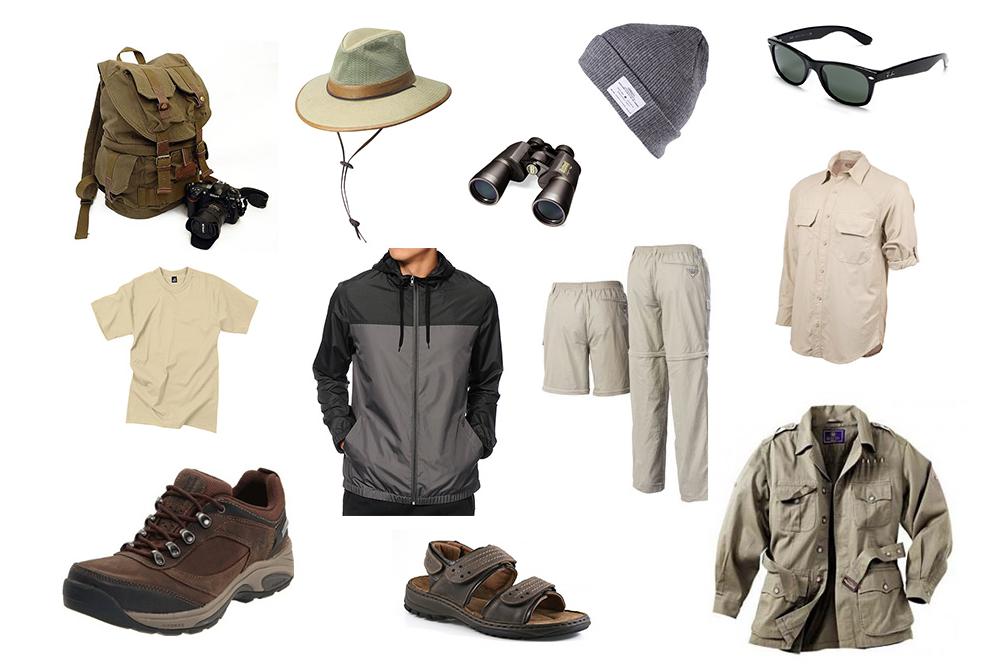
Africa Safari Packing List: The Ultimate Guide for a Perfect Safari Adventure
By Mandrill African Safaris
Planning an African safari? Discover the ultimate Africa safari packing list with expert tips from Mandrill African Safaris. Learn what to pack for gorilla trekking, wildlife safaris, and luxury African tours.
Africa Safari Packing List: Everything You Need for an Unforgettable Adventure
Planning an African safari is exciting — whether you’re heading to the savannah plains of Serengeti National Park, tracking mountain gorillas in Bwindi Impenetrable National Park, or exploring the wildlife-rich plains of Maasai Mara National Reserve.
But here’s the truth: what you pack can make or break your safari experience. Africa’s landscapes are diverse, weather conditions vary, and safari activities demand smart preparation.
At Mandrill African Safaris, we’ve guided hundreds of travelers across East Africa, and we know exactly what you need (and what you don’t). This ultimate Africa safari packing list will help you pack light, pack smart, and travel stress-free.
1. Essential Clothing for an African Safari
When packing for an African safari, think comfort, practicality, and neutral colors.
✔ Neutral-Colored Clothing
Choose khaki, beige, olive, or brown. These colors:
Blend with nature
Avoid attracting insects
Stay cleaner in dusty environments
Avoid bright colors and camouflage (camo is restricted in some African countries).
✔ Lightweight, Breathable Fabrics
Safari days can be hot, especially in places like Murchison Falls National Park. Pack:
3–4 short-sleeve shirts
2–3 long-sleeve shirts (for sun and insect protection)
2 pairs of lightweight safari trousers
1 pair of comfortable shorts (for lodge relaxation)
✔ Layering is Key
Early morning game drives can be surprisingly cold. Bring:
A fleece jacket
A lightweight waterproof jacket
A scarf or buff
✔ Undergarments & Sleepwear
Pack enough for your trip duration. Lodges often offer laundry services on longer safaris.
2. Footwear: Comfort is Everything
You’ll spend time on game drives, walking safaris, and possibly gorilla trekking.
✔ Closed Walking Shoes
Comfortable hiking boots or sturdy walking shoes are essential, especially for trekking in Volcanoes National Park.
✔ Lightweight Sandals
Perfect for relaxing at the lodge after a long safari day.
✔ Moisture-Wicking Socks
Bring at least 3–4 pairs.
3. Documents & Travel Essentials
Never overlook these critical items.
Passport (valid for at least 6 months)
Visa documents (if required)
Travel insurance (especially for adventure safaris)
Yellow fever vaccination card (required in many African countries)
Printed and digital copies of bookings
Small daypack for daily activities
Pro tip from Mandrill African Safaris: Keep digital copies of all documents in your email or cloud storage.
4. Health & Personal Care Items
Safari destinations are often remote, so it’s wise to be prepared.
✔ Insect Repellent
Mosquito protection is essential, especially near rivers and lakes.
✔ Sunscreen (SPF 30+)
The African sun is intense year-round.
✔ Personal Medication
Bring enough for your entire trip, plus a little extra.
✔ Basic First Aid Kit
Include plasters, pain relievers, motion sickness tablets, and antiseptic wipes.
✔ Hand Sanitizer & Wet Wipes
Very useful during long game drives.
5. Safari Gear & Accessories
These items enhance your safari experience.
✔ Binoculars
Essential for wildlife viewing in large parks like Queen Elizabeth National Park.
✔ Camera & Extra Batteries
You’ll want to capture lions, elephants, and breathtaking sunsets.
✔ Power Bank
Some safari vehicles and camps have limited charging facilities.
✔ Wide-Brimmed Hat
Provides sun protection during game drives.
✔ Sunglasses
Protect your eyes from dust and glare.
6. What to Pack for Gorilla Trekking
If your safari includes gorilla trekking in Mgahinga Gorilla National Park or Bwindi, packing is slightly different.
You’ll need:
Waterproof hiking boots
Long trousers
Long-sleeve shirt
Gardening gloves (for gripping vegetation)
Rain jacket
Small backpack
2 liters of water
Gorilla trekking can take 2–6 hours depending on the location of the gorilla family, so preparation is key.
7. Electronics & Connectivity
Universal travel adapter
Extra camera memory cards
Phone charger
Lightweight laptop (optional)
Most safari lodges offer Wi-Fi, though connectivity can be slow in remote areas.
8. Luggage Guidelines for African Safaris
If you’re flying domestically within Africa, especially on small bush planes, luggage restrictions are strict.
✔ Use a soft-sided duffel bag
✔ Keep luggage under 15kg (33 lbs)
✔ Avoid hard-shell suitcases
Soft bags are easier to fit in small aircraft compartments.
9. What NOT to Pack
Overpacking is common. Avoid bringing:
Heavy books
High heels
Excessive jewelry
Hair dryers (most lodges provide them)
Plastic bags (banned in several African countries)
10. Bonus Packing Tips from Mandrill African Safaris
Pack light — most travelers wear only half what they bring.
Choose quick-dry clothing.
Roll your clothes to save space.
Bring small cash denominations for tips and local markets.
And most importantly — bring your sense of adventure.
Final Thoughts
An African safari is a once-in-a-lifetime experience. Whether you’re witnessing the Great Migration in the Serengeti, tracking gorillas in Bwindi, or cruising along the Kazinga Channel in Queen Elizabeth National Park, proper preparation ensures maximum comfort and enjoyment.
At Mandrill African Safaris, we customize each safari experience to match your travel style — from luxury African safaris to affordable wildlife adventures.
Ready to plan your dream safari? We’re here to guide you every step of the way.
Frequently Asked Questions (FAQs)
1. What is the best luggage for an African safari?
Soft-sided duffel bags under 15kg are recommended, especially for domestic flights.
2. Can I wear jeans on safari?
Yes, but lightweight safari trousers are more comfortable in hot weather.
3. Do I need special clothes for gorilla trekking?
Yes. Long sleeves, waterproof hiking boots, gloves, and a rain jacket are essential.
4. Should I bring binoculars on safari?
Absolutely. While guides often have them, personal binoculars improve wildlife viewing.
5. How many outfits do I need for a 7-day safari?
4–5 mix-and-match outfits are usually sufficient, especially if laundry services are available.


