

Spotting the Elusive Leopard in Kidepo Valley National Park
2026-02-05
Uganda’s Water Wildlife: Hippos and Crocodiles of the Nile
2026-02-06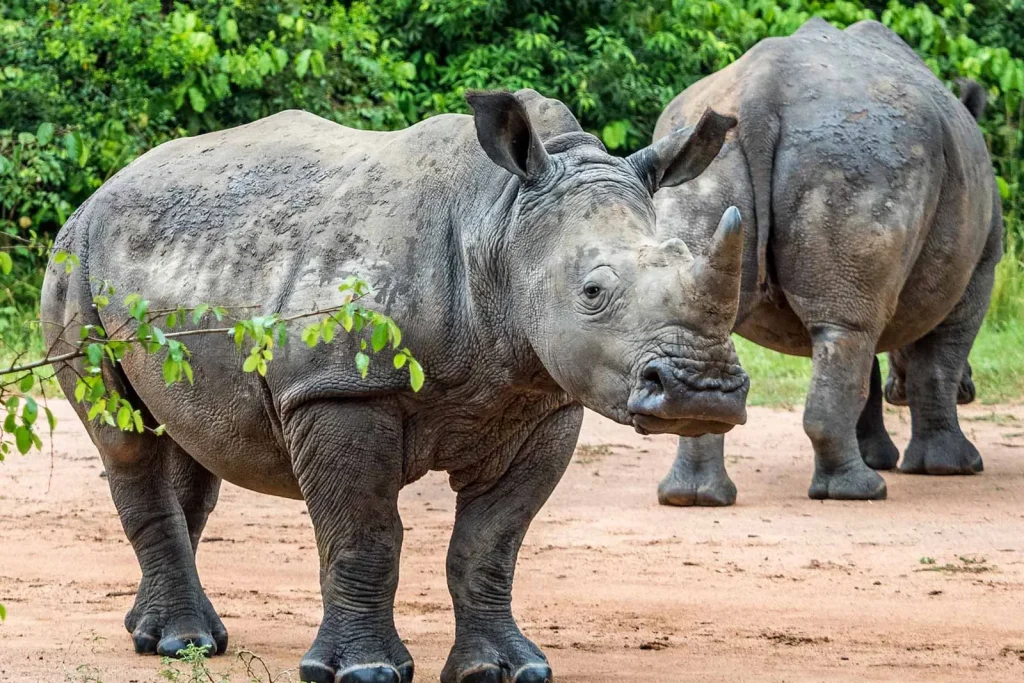
The Resurgence of Rhinos in Uganda: A Story of Conservation Success
Discover the inspiring resurgence of rhinos in Uganda — from extinction to conservation success. Learn about rhino reintroduction, Ziwa Rhino Sanctuary, Ajai Wildlife Reserve, and how Mandrill African Safaris offers immersive rhino experiences.
Introduction: A Triumph in Wildlife Restoration
Uganda’s story of rhino recovery is nothing short of miraculous — a conservation tale that spans decades and encapsulates resilience, innovation, and hope. Once locally extinct due to poaching and conflict, rhinos have been steadily returning to Uganda’s protected landscapes thanks to focused efforts by government agencies, partners, and communities. Today, rhino conservation has emerged as one of Uganda’s most remarkable wildlife success stories and a highlight on safari itineraries offered by Mandrill African Safaris.
From Extinction to Recovery: The History of Rhinos in Uganda
The Loss and the Beginning of Hope
Rhinos were once a common sight in Uganda’s savannahs — particularly in regions like Murchison Falls National Park, Kidepo Valley, and Ajai Wildlife Reserve. However, by the early 1980s, rampant poaching and prolonged political instability had wiped rhino populations from the wild.
In the face of this loss, conservationists refused to accept permanent extinction. The turning point came in the mid-1990s and early 2000s with the establishment of dedicated programs to restore rhinos within Uganda’s protected areas. These efforts were anchored in collaboration between Uganda Wildlife Authority (UWA), Rhino Fund Uganda, and international partners.
Ziwa Rhino Sanctuary: Uganda’s Beacon of Hope
The foundation for rhino resurgence was laid with the creation of Ziwa Rhino Sanctuary in Nakasongola District, the only place in Uganda where rhinos could be seen in the wild after decades of absence.
-
Beginnings:
The sanctuary started in 2005 with just six southern white rhinos — four imported from Kenya and two donated by Disney’s Animal Kingdom. -
Growth:
Through meticulous breeding, anti-poaching patrols, and scientific management, the rhino population at Ziwa grew remarkably. By late 2025, Ziwa was home to nearly 60 rhinos, positioning Uganda as an emerging leader in rhino conservation. -
Rhino Tracking:
Ziwa offers an unparalleled rhino tracking experience, where visitors walk with armed rangers to observe rhinos in their natural habitat — a bucket-list highlight for safari travelers.
This sanctuary not only revived a species but also restored a critical component of Uganda’s ecological heritage. It now serves as a launchpad for wider national rhino recovery efforts, including translocations to other protected areas.
A New Chapter: Ajai Wildlife Reserve Revival
Historic Return After Four Decades
A landmark moment in rhino conservation came with the translocation of southern white rhinos from Ziwa to Ajai Wildlife Reserve in early 2026. This marked the first time in over 40 years that rhinos set foot in Ajai — once a historic stronghold for rhino populations.
The carefully planned reintroduction is part of Uganda’s broader National Rhino Conservation Strategy, aiming to distribute rhinos across historic range areas and increase genetic resilience.
What This Means for Conservation
-
Habitat Restoration: Ajai has undergone ecological rehabilitation to make it suitable for rhinos again.
-
Community Support: Local communities around the reserve are now actively engaged in safeguarding wildlife and benefiting from emerging tourism opportunities.
-
Ecological Impact: Rhinos play a vital role in shaping grassland habitats, supporting biodiversity, and enriching ecosystem balance.
The National Rhino Conservation Strategy: Blueprint for Success
This strategy aligns conservation with tourism development and community upliftment:
Key Components
-
Population Growth: Through managed breeding programs and international collaborations, Uganda has steadily increased its rhino numbers.
-
Geographical Expansion: Translocations to reserves like Ajai expand the rhino’s footprint beyond one sanctuary.
-
Anti-Poaching Efforts: Rangers, surveillance technology, and community vigilance are integral to protection.
-
Funding Campaigns: Initiatives like the “Name a Rhino” campaign raise critical resources for habitat protection and veterinary care.
This multifaceted approach ensures that rhino conservation contributes to national biodiversity goals while bolstering Uganda’s appeal as a big-game safari destination.
Mandrill African Safaris: Experience the Rhino Journey
As a safari operator deeply rooted in Uganda’s wildlife narrative, Mandrill African Safaris offers curated experiences that bring the rhino story to life:
Rhino Tracking Safaris
-
Ziwa Rhino Sanctuary Treks: Walk alongside expert guides and rangers to observe rhinos in their savannah habitat.
-
Photography Safaris: Capture unforgettable images of rhinos, birds, and other wildlife across protected landscapes.
Custom Adventure Packages
Combine rhino tours with:
-
Murchison Falls National Park game drives and Nile boat cruises
-
Kidepo Valley National Park wilderness experiences
-
Chimpanzee tracking in Kibale
-
Gorilla trekking in Bwindi
Each itinerary is tailored to traveler interests, ensuring an immersive and ethical wildlife encounter.
Impact on Local Communities & Tourism
Rhino resurgence isn’t just about numbers — it’s catalyzing socio-economic benefits:
Community Engagement
Local communities now participate as:
-
Conservation stewards
-
Cultural guides
-
Hospitality providers
Enhanced wildlife tourism creates jobs and sustainable income streams, aligning community welfare with conservation goals.
Tourism Growth
Rhino sightings and experiences are now part of Uganda’s tourism marketing — attracting visitors who seek both iconic wildlife and meaningful travel. This shift boosts rural economies while spreading conservation awareness globally.
FAQs — Rhino Resurgence in Uganda
Q1: Why were rhinos extinct in Uganda?
A1: Poaching, habitat loss, and political instability in the late 20th century decimated rhino populations, leading to local extinction by the early 1980s.
Q2: How many rhinos are currently in Uganda?
A2: As of late 2025, Uganda’s national rhino population reached approximately 59 southern white rhinos under active management.
Q3: Where can visitors see rhinos in Uganda?
A3: Ziwa Rhino Sanctuary is the primary location for rhino tracking and viewing in Uganda. Plans are underway to expand viewing opportunities in Ajai Wildlife Reserve.
Q4: What species of rhino are in Uganda?
A4: The rhinos currently in Uganda are southern white rhinos, chosen for conservation transfer because the native northern white rhino is functionally extinct.
Q5: How can travellers support rhino conservation?
A5: Visiting conservation areas, participating in ethical safaris like those offered by Mandrill African Safaris, and supporting initiatives like “Name a Rhino” help fund protection and community programs.
Conclusion: A Story of Hope and Renewal
Uganda’s rhino resurgence is a testament to what dedicated conservation, community participation, and strategic tourism can achieve together. From near-extinction to thriving populations and historic reintroductions, the journey offers hope for endangered species worldwide. For travellers seeking not just a safari — but a story to be part of — Uganda’s rhino conservation success is a must-experience adventure with Mandrill African Safaris.


