

Best Forest Walks in Uganda: A Guide to Mabira and Budongo
2026-02-03
Walking Safaris in Uganda: A Closer Look at the Albertine Rift Wildlife
2026-02-04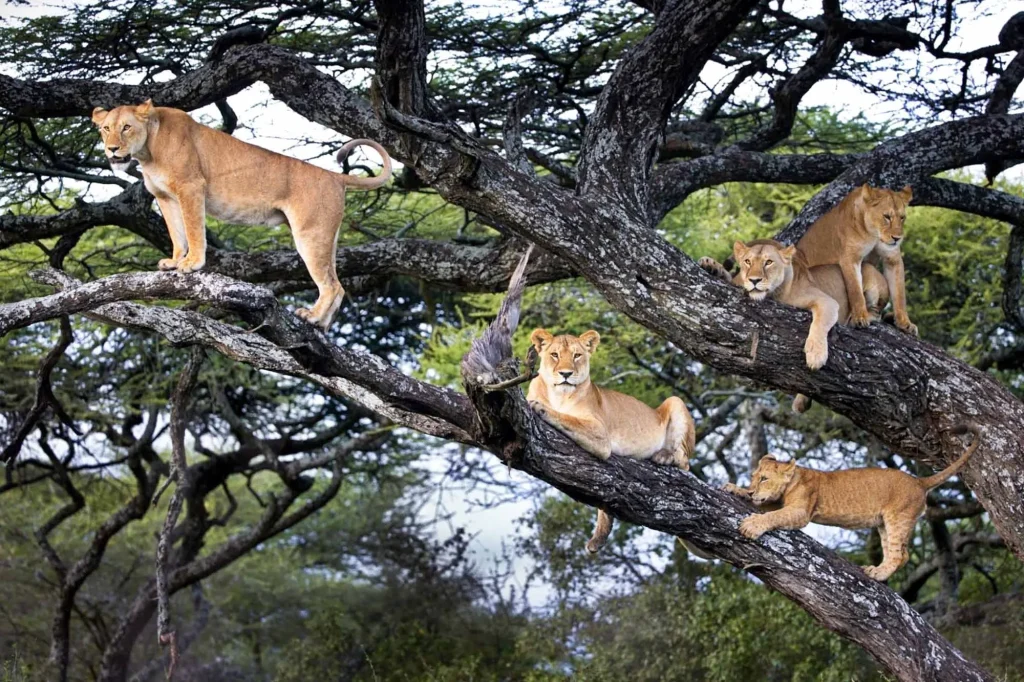
How to Spot Tree-Climbing Lions in Queen Elizabeth National Park
Introduction: Uganda’s Most Iconic Wildlife Mystery
When most travelers imagine lions, they picture them stretched out on open savannahs or stalking prey across golden grasslands. But in Queen Elizabeth National Park, Uganda offers something rare and unforgettable: tree-climbing lions.
These extraordinary lions, found mainly in the Ishasha sector of Queen Elizabeth National Park, are among the few lion populations in the world known for regularly climbing fig trees. Spotting them is a bucket-list wildlife experience—and with the right timing, guide, and strategy, your chances are excellent.
Where Are Tree-Climbing Lions Found in Queen Elizabeth National Park?
Ishasha Sector – The Heart of Tree-Climbing Lions
The Ishasha sector, located in the southern part of Queen Elizabeth National Park, is world-famous for its tree-climbing lions. This remote and less crowded area lies along the Uganda–DR Congo border and is characterized by:
Open savannah plains
Scattered large fig and acacia trees
Abundant prey such as Uganda kob and buffalo
Unlike other lions that climb occasionally, Ishasha lions climb trees regularly, making sightings more predictable—especially with experienced safari guides.
Why Do Lions Climb Trees in Ishasha?
While scientists are still debating the exact reasons, several strong theories explain this unique behavior:
1. Escape from Heat and Insects
Climbing trees allows lions to:
Catch cool breezes during hot afternoons
Avoid ground insects like tsetse flies
2. Better Visibility
From elevated branches, lions can:
Spot prey more easily
Monitor rival predators
3. Comfort and Tradition
Some prides pass this behavior down through generations, making it a learned habit rather than an instinct.
Best Time to Spot Tree-Climbing Lions in Queen Elizabeth National Park
Dry Season: Best Overall Visibility
June–September & December–February
Short grass = better visibility
Lions rest longer in trees
Roads are easier to navigate
Wet Season: Fewer Tourists, Dramatic Landscapes
March–May & October–November
Lush scenery and fewer safari vehicles
Lions still climb trees, but sightings may take more patience
 Pro tip from Mandrill African Safaris: Early morning and late afternoon game drives offer the highest success rates.
Best Time of Day to See Tree-Climbing Lions
 Early Morning (6:30–10:00 AM)
Lions may still be active after night hunts
Soft light = perfect photography
 Late Afternoon (4:00–6:30 PM)
Lions climb trees to rest before evening hunts
Golden-hour safari magic
Midday sightings are possible, especially when lions seek shade in trees—but morning and evening remain ideal.
How to Increase Your Chances of Seeing Tree-Climbing Lions
1. Choose an Experienced Safari Operator
Local knowledge makes all the difference. Mandrill African Safaris’ guides are in constant communication with park rangers and other guides, increasing your chances of successful sightings.
2. Stay in Ishasha, Not Just Visit
Overnight stays allow:
Early morning and late evening game drives
Less rushed lion tracking
3. Be Patient
Tree-climbing lions are wild animals. Some days they climb; some days they don’t. Patience pays off.
4. Use the Right Vehicle
A 4×4 safari vehicle with pop-up roof ensures:
Clear viewing angles
Better photography
What to Expect When You Spot Tree-Climbing Lions
Seeing lions draped across fig tree branches is surreal. You may observe:
Lions sleeping high above the ground
Cubs awkwardly balancing on branches
Adults lazily flicking tails from treetops
Unlike traditional lion sightings, these moments often last longer, giving you time to photograph, observe, and truly appreciate the scene.
Other Wildlife to See in Ishasha Sector
While searching for tree-climbing lions, you’ll also encounter:
African elephants
Cape buffaloes
Uganda kob
Topi antelopes
Hyenas
Over 600 bird species
This makes Ishasha not just a lion destination—but a complete wildlife safari experience.
Where to Stay for Tree-Climbing Lion Safaris
Popular accommodation options in or near Ishasha include:
Ishasha Wilderness Camp
Enjojo Lodge
Ishasha Pride Lodge
Mandrill African Safaris carefully selects lodges based on location, comfort, and wildlife access, ensuring maximum game-viewing opportunities.
Why Book with Mandrill African Safaris?
 Expert local safari guides Customized Uganda safari itineraries Strong focus on conservation and responsible tourism Seamless combination with Bwindi gorilla trekking, Kazinga Channel boat cruises, and more
We don’t just take you on safari—we help you understand, experience, and connect with Africa’s wildlife.
Frequently Asked Questions (FAQs)
1. Are tree-climbing lions unique to Queen Elizabeth National Park?
They are extremely rare. Besides Ishasha, only Lake Manyara in Tanzania has a well-known population of tree-climbing lions.
2. Is spotting tree-climbing lions guaranteed?
No wildlife sighting is guaranteed, but staying in Ishasha with experienced guides gives you very high chances.
3. Are tree-climbing lions dangerous to tourists?
No. Lions are accustomed to safari vehicles and remain calm when observed responsibly.
4. Can I combine tree-climbing lions with gorilla trekking?
Yes! Mandrill African Safaris specializes in Queen Elizabeth + Bwindi gorilla trekking itineraries.
5. What should I pack for a tree-climbing lion safari?
Binoculars
Camera with zoom lens
Neutral-colored clothing
Hat and sunscreen
6. How many days should I spend in Queen Elizabeth National Park?
At least 2–3 days, with 1–2 nights in Ishasha for the best experience.
Conclusion: A Safari Experience Like No Other
Spotting tree-climbing lions in Queen Elizabeth National Park is one of Uganda’s most iconic wildlife encounters. With the right timing, expert guides, and a well-planned itinerary, this rare phenomenon becomes more than a sighting—it becomes a story you’ll tell for life.
Let Mandrill African Safaris help you turn that dream into reality.


