

Mahale Mountains Safari: Ultimate Travel Guide with Mandrill African Safaris
2026-01-12
Safari + Beach Holiday in East Africa: The Perfect Blend of Adventure and Relaxation
2026-01-27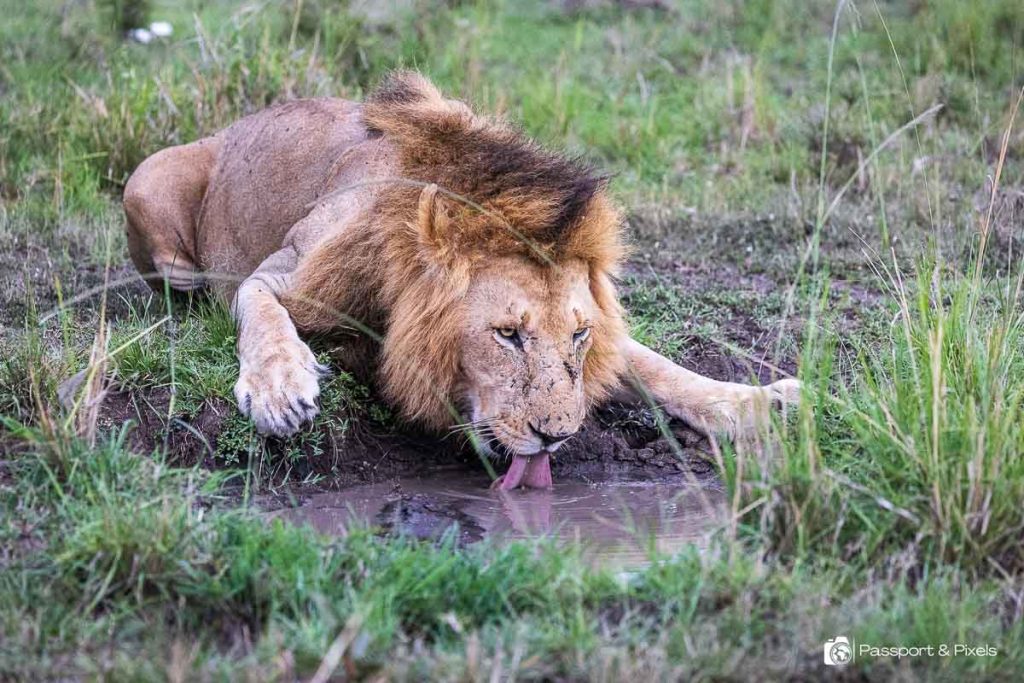
Slow Safari: Why Staying Longer Means Better Wildlife Experiences in Africa
By Mandrill African Safaris
Introduction: The Rise of Slow Safari Travel in Africa
In a world obsessed with speed, luxury travel is taking a different turn—slowing down. Across Africa’s most iconic wildlife destinations, discerning travelers are embracing the concept of the slow safari. Rather than rushing from park to park, slow safaris focus on staying longer in one destination, allowing deeper wildlife encounters, richer cultural experiences, and more meaningful connections with nature.
At Mandrill African Safaris, we believe that the best wildlife moments happen when you give Africa time. From tracking gorillas in misty rainforests to watching elephants at a waterhole for hours, slow safari travel delivers experiences that fast-paced itineraries simply can’t match.
What Is a Slow Safari?
A slow safari is a travel style that prioritizes:
-
Fewer destinations
-
Longer stays (3–5 nights or more per location)
-
Flexible schedules
-
Immersive wildlife viewing
-
Sustainable and responsible tourism
Unlike traditional safaris that rush through multiple national parks in a short time, slow safaris encourage travelers to settle into the rhythm of the wilderness.
Key Slow Safari Keywords:
slow safari Africa, immersive wildlife safari, extended safari stays, luxury slow travel Africa, eco-friendly safaris Africa
Why Staying Longer Means Better Wildlife Viewing
1. Wildlife Doesn’t Run on a Schedule
Animals don’t follow timetables—and neither should your safari. When you stay longer:
-
You can wait for rare animal behaviors
-
You revisit the same wildlife areas at different times
-
You observe natural patterns instead of staged sightings
A lion hunt, leopard climbing a tree, or gorilla family interaction may not happen on your first game drive—but with time, magic unfolds.
Pro Tip from Mandrill African Safaris:
Some of our most unforgettable sightings happened on day three or four, when guests were relaxed, patient, and deeply tuned into the environment.
2. Deeper Encounters, Not Just Checklists
Fast safaris focus on ticking off the “Big Five.” Slow safaris focus on stories.
By staying longer, you experience:
-
Animal personalities and social dynamics
-
Repeated sightings of the same individuals
-
Emotional connections with wildlife
Instead of saying, “I saw a leopard,” you’ll say, “I followed her for three days and watched her cubs learn to hunt.”
The Advantage of Slow Safaris in Africa’s Top Destinations
Uganda & Rwanda: Slow Gorilla Safaris
Gorilla trekking is often treated as a one-day activity—but slow travel transforms it completely.
Staying longer allows:
-
Multiple gorilla treks (where permitted)
-
Time for forest walks and birding
-
Cultural visits to local communities
-
Recovery time at luxury eco-lodges
Top Keywords:
gorilla trekking safari Uganda, slow gorilla safari Rwanda, Bwindi extended safari, Volcanoes National Park luxury safari
Kenya & Tanzania: Extended Big Game Safaris
In destinations like the Masai Mara, Serengeti, and Ngorongoro, slow safaris mean:
-
Following the Great Migration movements
-
Observing predator-prey interactions
-
Avoiding crowded game drives
-
Photographing wildlife in different light conditions
Photographers especially benefit from staying longer in one ecosystem.
Gabon & Congo: Slow Safari for True Wilderness
Remote destinations like Gabon’s Loango National Park or Congo Basin rainforests demand time.
Here, slow safaris reward travelers with:
-
Forest elephants on beaches
-
Lowland gorilla tracking
-
Pristine, uncrowded wilderness
-
Authentic conservation experiences
This is Africa as it once was—and still is, if you slow down.
Slow Safari = Better Photography
Wildlife photography thrives on patience.
Staying longer gives you:
-
Multiple chances at the perfect shot
-
Different weather and lighting conditions
-
Time to learn animal behavior
-
Reduced pressure to “get the shot fast”
Professional photographers and enthusiasts alike prefer extended safari stays for this reason.
High-Ranking Keywords:
wildlife photography safari Africa, slow photography safari, extended safari for photographers
The Luxury of Time: Slow Safari & Comfort
Luxury isn’t about rushing—it’s about space, comfort, and time.
Slow safaris allow:
-
Midday rest instead of back-to-back drives
-
Spa treatments, sundowners, and bush breakfasts
-
Personalized guiding
-
Flexible daily schedules
At Mandrill African Safaris, we design luxury slow safaris where guests enjoy both adventure and indulgence—without exhaustion.
Sustainable Travel: Why Slow Safaris Are Better for Africa
Slow safaris are not just better for travelers—they’re better for Africa.
Environmental Benefits:
-
Reduced carbon footprint
-
Less pressure on wildlife
-
Support for conservation lodges
Community Benefits:
-
More time spent with local communities
-
Direct economic impact
-
Cultural exchange beyond surface-level tourism
SEO Keywords:
sustainable safari Africa, eco-friendly safari tours, responsible tourism Africa
Mental & Emotional Benefits of Slow Safari Travel
Many guests tell us that slow safaris feel transformational.
Benefits include:
-
Reduced stress
-
Mindfulness and presence
-
Stronger connection to nature
-
Digital detox
In Africa’s wilderness, time slows naturally—and so do you.
Who Is a Slow Safari Best For?
Slow safaris are ideal for:
-
Honeymooners
-
Wildlife photographers
-
Luxury travelers
-
Families
-
Conservation-minded travelers
-
Repeat safari visitors
If you value quality over quantity, slow safari travel is for you.
How Mandrill African Safaris Designs the Perfect Slow Safari
At Mandrill African Safaris, we specialize in customized slow safari itineraries across East, Central, and Southern Africa.
Our approach includes:
-
Carefully chosen lodges for longer stays
-
Expert local guides
-
Flexible schedules
-
Personalized wildlife interests
-
Seamless logistics
We don’t sell rushed safaris—we create meaningful journeys.
Sample Slow Safari Itinerary (Concept)
10–14 Days Slow Safari Experience
-
4 nights in one prime wildlife park
-
3–4 nights in a second ecosystem
-
3 nights in a cultural or forest destination
-
Optional gorilla or chimpanzee trekking
-
Rest days built in
This structure maximizes wildlife sightings while minimizing fatigue.
FAQs: Slow Safari Travel in Africa
Is a slow safari more expensive?
Not necessarily. Staying longer in fewer places can reduce transport costs while increasing value.
How many days are ideal for a slow safari?
10–14 days is ideal, but even 7–8 days can be done slowly with the right planning.
Is slow safari suitable for first-time visitors?
Yes! First-time travelers often enjoy Africa more when they’re not rushing.
Can slow safaris be family-friendly?
Absolutely. Children benefit greatly from relaxed schedules and deeper learning experiences.
Conclusion: Slow Down, See More, Feel Deeper
Africa rewards patience. The longer you stay, the more she reveals.
A slow safari is not about doing less—it’s about experiencing more: more wildlife, more connection, more wonder.
With Mandrill African Safaris, slow travel becomes unforgettable travel.


