

Adventure Awaits: Hiking Trails and Nature Walks in Bwindi
2025-11-28
How to Prepare for Gorilla Trekking in Bwindi National Park:
2025-12-01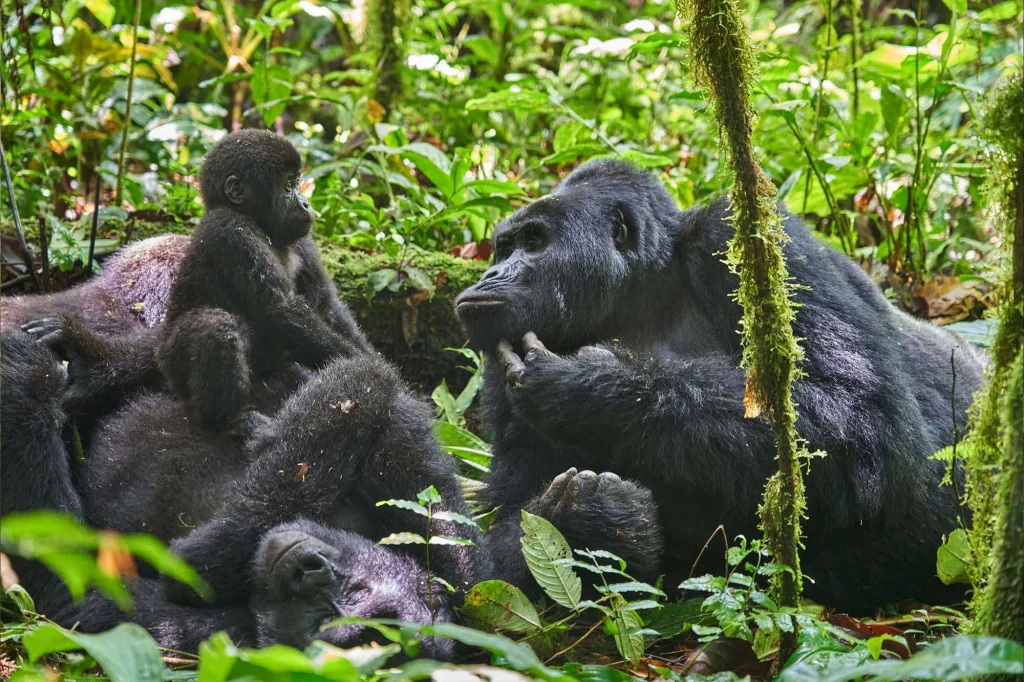
Top Photography Tips for Gorilla Trekking in Bwindi: Capture Every Unforgettable Moment
Gorilla trekking in Uganda’s Bwindi Impenetrable Forest is one of the world’s most extraordinary wildlife experiences. Standing meters away from a giant silverback, watching young gorillas tumble through vines, or locking eyes with a curious juvenile—these are moments you want to capture perfectly. Whether you’re a professional photographer or a passionate traveler with a camera, learning how to photograph mountain gorillas in Bwindi will help you bring home powerful, storytelling images.
At Mandrill African Safaris, we specialize in crafting immersive gorilla trekking experiences that also support travelers who want to improve their wildlife photography skills. This guide shares the top photography tips for gorilla trekking in Bwindi so you can make the most of your adventure while respecting conservation guidelines.
Why Bwindi Is a Dream Destination for Gorilla Photography
Bwindi Impenetrable National Park is a UNESCO World Heritage Site and home to nearly half of the world’s endangered mountain gorillas. Its dense canopy, thick vines, and moody lighting create breathtaking photography conditions. The lush environment allows for dramatic compositions—gorillas peeking through foliage, silhouettes against the forest light, and striking close-ups that highlight their expressions.
Pair this with the park’s habituated gorilla families, and you have a photographer’s paradise. No wonder Bwindi is one of the most sought-after destinations for gorilla trekking in Uganda.
1. Choose the Right Camera Gear
The right gear makes a huge difference when photographing fast-moving gorillas in a dense forest.
Recommended Equipment
-
DSLR or Mirrorless Camera – Fast autofocus and interchangeable lenses are ideal.
-
70–200mm Telephoto Lens – Perfect for portraits and close-ups without getting too close.
-
24–70mm Lens – Great for environmental shots and capturing the forest atmosphere.
-
Extra Batteries and Memory Cards – You’ll be shooting a lot.
-
Rain Covers – Bwindi’s weather can change instantly.
Gorilla photography requires flexibility. Some tourists get gorillas just a few meters away, while others encounter families in thick cover. Having both wide and telephoto options helps you stay ready.
2. Know Your Camera Settings Before the Trek
The forest is dim, and gorillas move quickly. You don’t want to be fumbling with settings when the silverback steps into the light.
Key Settings for Gorilla Photography
-
Shutter Speed: 1/250–1/500 to freeze movement.
-
Aperture: f/2.8–f/5.6 to let in more light.
-
ISO: 800–3200 depending on light levels (don’t fear higher ISO—grain is better than blur).
-
Continuous Shooting Mode to capture sequences.
-
Silent Shutter if your camera allows it—reduces disturbance.
Practicing these settings before your trek boosts your confidence and ensures better images in the field.
3. Stay Steady: Stabilize Your Camera
Gorilla trekking involves steep slopes, thick foliage, and uneven trails. Tripods are discouraged because they can obstruct movement, but you can still stabilize your camera.
Try These Techniques:
-
Use a monopod—light, compact, and perfect for forest conditions.
-
Brace your elbows against your torso.
-
Lean against a tree for extra support.
-
Increase shutter speed to avoid blurry shots.
A stable shot makes all the difference, especially when photographing expressive eyes and facial details.
4. Respect the 10-Meter Distance Rule
Uganda Wildlife Authority (UWA) guidelines require visitors to stay at least 10 meters away from gorillas. This rule protects both you and the animals.
Even with this distance, you can still get incredible images. Telephoto lenses will compress the background beautifully, while wide-angle lenses allow you to capture gorillas within their dramatic forest environment.
At Mandrill African Safaris, our guides ensure all photography is done safely, ethically, and within conservation rules.
5. Prioritize Natural Light
Photography in Bwindi can be tricky because the canopy blocks most sunlight. But that’s also what makes the images so magical.
Lighting Tips
-
Move around slowly to find brighter patches.
-
Position yourself so light falls onto the gorilla’s face.
-
Avoid harsh backlighting unless you want a silhouette.
-
Reduce shadows by shooting slightly from above when possible.
When the light hits just right, gorillas’ eyes glow with amber highlights—an unforgettable shot.
6. Focus on the Eyes: The Story Lives There
Mountain gorillas express emotion through their eyes and facial features. Always aim to lock focus on the eyes.
To nail sharp focus:
-
Use single-point autofocus.
-
Keep the focus point at eye level.
-
Increase shutter speed if the gorilla is active.
-
Take multiple shots—gorillas blink often!
These eye-level portraits create powerful, intimate photos that viewers instantly connect with.
7. Capture Behavior, Not Just Portraits
Gorilla trekking in Bwindi gives you one precious hour with the gorilla family. Use part of that time to capture storytelling moments.
Behavior Shots to Look Out For
-
Feeding and chewing bamboo shoots.
-
Mothers grooming their babies.
-
Young gorillas playing or chest-thumping.
-
Silverbacks displaying dominance.
-
Gorillas climbing trees or lounging in the vines.
These interactions help tell a richer story of your Uganda gorilla safari and the gorillas’ natural life.
8. Be Patient and Move Slowly
Patience is your best friend. Bwindi gorilla trekking happens in dense vegetation, and sometimes gorillas hide behind leaves or trees.
Take your time. Wait for a clear shot. Let the gorillas move naturally—you’ll be surprised how close some will come.
Your ranger will help you position yourself safely for great photography opportunities.
9. Protect Your Gear From Rain and Mud
Bwindi is a rainforest—expect mud, mist, humidity, and sudden showers. Protect your equipment:
-
Use rain covers or zip-lock bags.
-
Pack silica gel to absorb moisture.
-
Avoid changing lenses in the rain.
-
Wipe equipment regularly with microfiber cloths.
A safe camera means you won’t miss your best shots.
10. Practice Ethical Wildlife Photography
Mandrill African Safaris promotes responsible and sustainable gorilla tourism. Follow conservation rules to ensure your presence doesn’t disturb the gorillas.
Ethical Guidelines
-
No flash photography.
-
Stay quiet and avoid sudden movements.
-
Follow your ranger’s instructions.
-
Don’t block a gorilla’s path.
-
Keep masks on to prevent disease transmission.
Great photography should always respect nature and wildlife wellbeing.
Plan Your Gorilla Photography Safari With Mandrill African Safaris
Photographing gorillas in Bwindi is a once-in-a-lifetime experience. With the right planning, equipment, and expert guidance, you’ll walk away with breathtaking images that capture the magic of Uganda’s mountain gorillas.
At Mandrill African Safaris, we tailor gorilla trekking safaris for photographers, nature lovers, filmmakers, and adventurers. Whether you’re seeking the best lighting conditions, intimate gorilla family encounters, or multi-day photography safaris across Uganda and Rwanda, we’ve got you covered.


