How Mandrill African Safaris Promotes Responsible Travel in Bwindi
Bwindi Impenetrable Forest, a UNESCO World Heritage Site in southwestern Uganda, is renowned for its rich biodiversity and, most notably, its population of endangered mountain gorillas. For travelers seeking an unforgettable safari experience, Bwindi offers a rare opportunity to witness these gentle giants in their natural habitat. At Mandrill African Safaris, we are committed to ensuring that your journey into Bwindi is not only awe-inspiring but also responsible and sustainable. Our approach balances tourism, conservation, and community support, ensuring that every trip has a positive impact.
Understanding Responsible Travel in Bwindi
Responsible travel is more than just visiting a destination; it’s about minimizing environmental impact, supporting local communities, and preserving wildlife. In Bwindi, responsible travel ensures that gorilla trekking and other safari activities do not disturb the delicate ecosystem. By choosing operators like Mandrill African Safaris, travelers contribute to the conservation of gorillas and their forest homes while benefiting the people who live in the surrounding areas.
Gorilla Conservation Efforts
Mountain gorillas are one of the most endangered species in the world, with only about 1,000 left in the wild. Mandrill African Safaris partners with Bwindi Impenetrable National Park authorities to promote gorilla conservation. We follow strict guidelines during gorilla trekking:
-
Limited Group Sizes: Treks are limited to small groups to reduce stress on gorillas.
-
Safe Distances: Visitors maintain a minimum distance of seven meters from the gorillas to prevent disease transmission.
-
Trained Guides: Our experienced guides educate travelers about gorilla behavior, conservation, and the forest ecosystem.
By adhering to these practices, we help ensure that tourists can enjoy an intimate wildlife experience without threatening the gorillas’ natural behaviors or habitats.
Supporting Local Communities
Responsible tourism in Bwindi is deeply intertwined with community development. Mandrill African Safaris actively supports local communities by:
-
Employing Local Staff: Hiring guides, porters, and hospitality staff from nearby villages ensures economic benefits remain within the community.
-
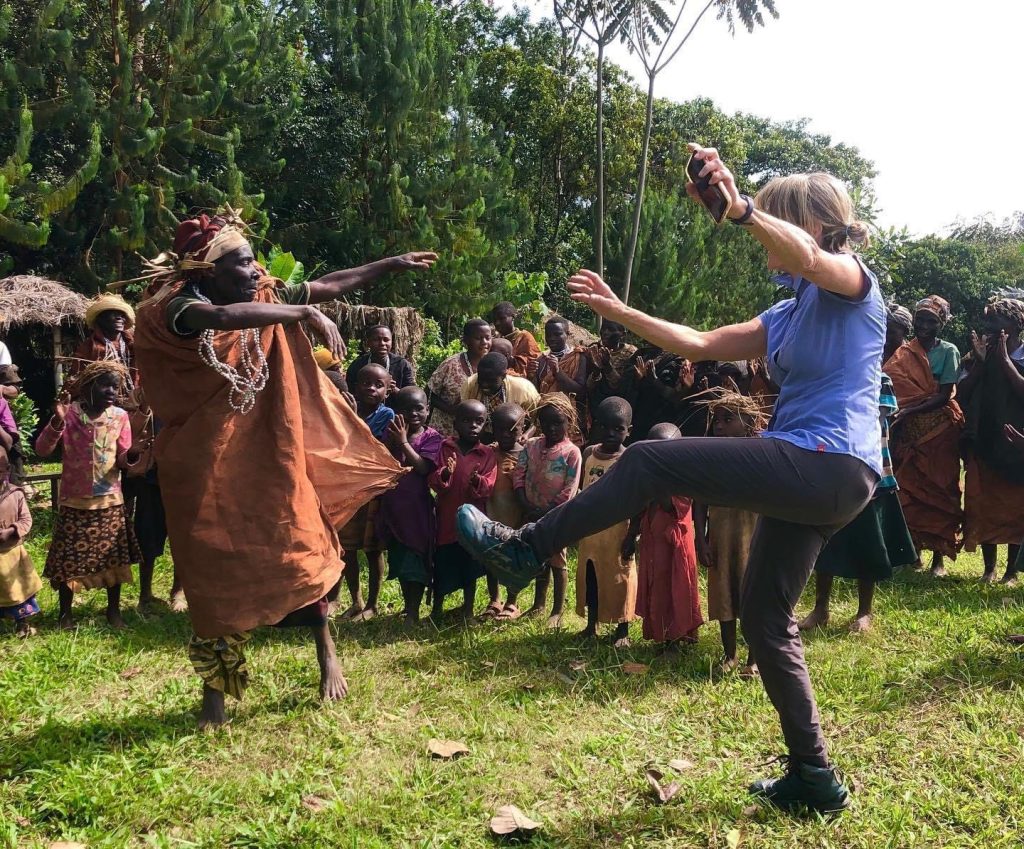
Cultural Tours: Visitors can engage in cultural experiences, including traditional dances, craft markets, and village visits, fostering cultural exchange while generating income for locals.
-
Education and Health Programs: A portion of our safari fees is reinvested in community projects, such as schools, healthcare initiatives, and clean water programs.
These initiatives ensure that tourism not only protects wildlife but also uplifts the people who coexist with Bwindi’s ecosystems.
Eco-Friendly Safari Practices
Mandrill African Safaris emphasizes eco-friendly tourism practices throughout all our safari operations. Some of our initiatives include:
-
Sustainable Lodging: Partnering with eco-lodges that use renewable energy, recycle waste, and source food locally reduces the carbon footprint of your safari.
-
Waste Management: We educate travelers about minimizing litter in the forest, ensuring that every trek leaves no trace behind.
-
Responsible Transportation: Encouraging shared transport and limiting off-road driving reduces emissions and habitat disruption.
By adopting these practices, we help preserve Bwindi’s pristine forest environment for future generations of travelers and wildlife alike.
Educating Travelers on Responsible Tourism
A critical aspect of promoting responsible travel is education. Mandrill African Safaris ensures that every traveler understands their role in conservation and sustainability. Before treks, our guides provide briefings on:
-
Gorilla Etiquette: How to behave respectfully around wildlife.
-
Forest Preservation: The importance of staying on designated trails to protect fragile flora.
-
Cultural Sensitivity: Engaging with local communities respectfully and supporting their traditions.
Informed travelers are more likely to participate actively in conservation efforts, making each safari a force for good.
Promoting Sustainable Tourism Beyond Bwindi
Responsible travel extends beyond the boundaries of Bwindi Impenetrable Forest. Mandrill African Safaris encourages travelers to explore other eco-tourism destinations in Uganda, such as Queen Elizabeth National Park, Kibale Forest, and Murchison Falls. By diversifying tourism, we help distribute economic benefits across multiple communities and reduce the ecological pressure on any single location.
Why Choose Mandrill African Safaris for Your Bwindi Safari
Travelers who prioritize responsible and sustainable tourism can rely on Mandrill African Safaris for a meaningful experience. Our dedication to conservation, community support, and eco-friendly practices ensures that your journey contributes positively to Uganda’s natural and cultural heritage. When you trek with us, you are not just observing wildlife—you are actively participating in its preservation.
-
Expert Guides: Knowledgeable guides make your safari informative and safe.
-
Tailored Itineraries: Customizable experiences accommodate your interests while promoting sustainability.
-
Positive Impact: Every booking contributes to community projects and conservation initiatives.
By choosing Mandrill African Safaris, you are making a difference while enjoying one of Africa’s most extraordinary wildlife destinations.
Conclusion
Responsible travel in Bwindi is a commitment to wildlife, the environment, and local communities. Mandrill African Safaris takes this responsibility seriously, ensuring that your gorilla trekking experience is ethical, sustainable, and life-changing. From conservation-focused trekking to community development and eco-friendly practices, every aspect of our safaris reflects our dedication to making tourism a force for good.
Embark on a journey that leaves a positive footprint—explore Bwindi Impenetrable Forest responsibly with Mandrill African Safaris and become part of the story of conservation and sustainable travel in Uganda.